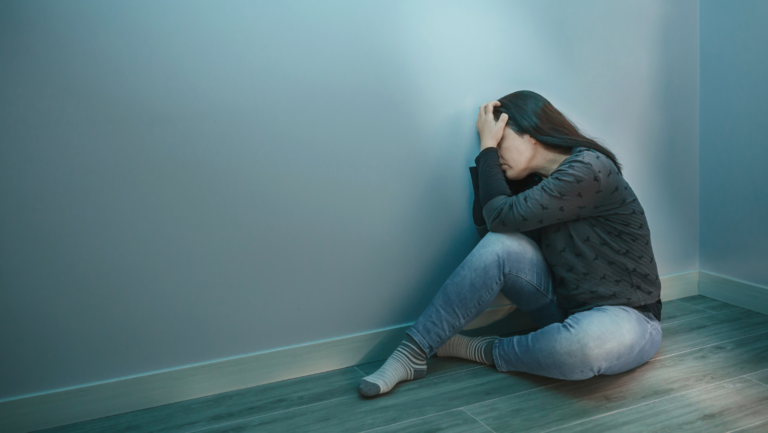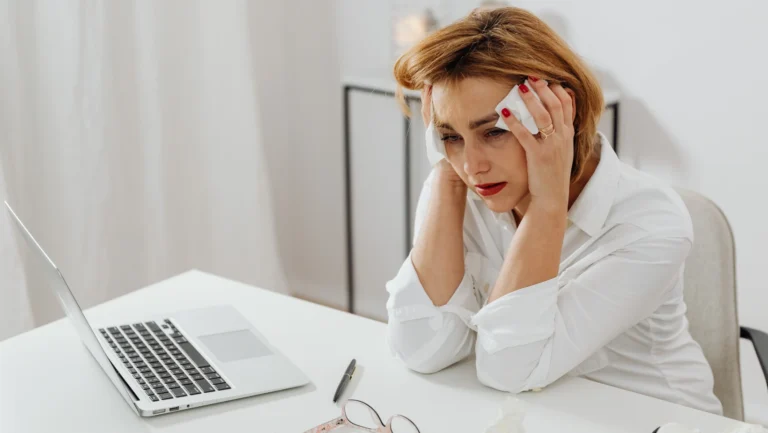

The physical symptoms of anxiety are real, measurable, and driven by documented changes in the nervous system and hormone levels. Anxiety is not just a mental experience. The American Psychological Association classifies anxiety disorders as conditions that produce both psychological and physiological responses, affecting more than 40 million adults in the United States annually. When the brain perceives stress, the body responds immediately, sometimes before conscious awareness of worry even registers.
Signs of Anxiety in the Body
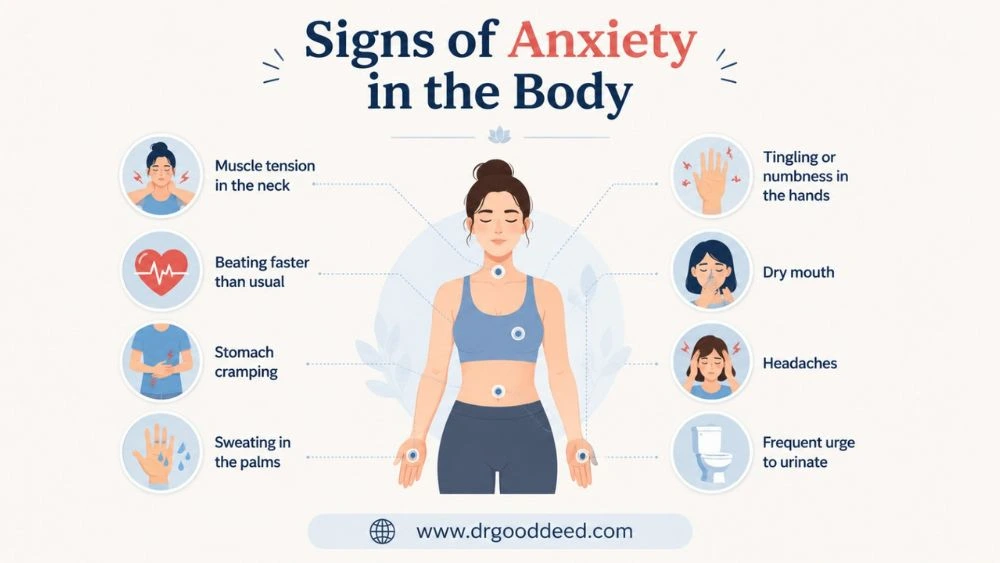
Signs of anxiety in the body range from visible muscle tightness to internal changes in heart rate, digestion, and breathing. Most people recognize the mental side of anxiety, but the body often signals anxiety first. These physical signs follow a predictable pattern tied to the autonomic nervous system’s stress response.
Common signs of anxiety in the body include:
- Muscle tension in the neck, shoulders, and jaw
- Heart pounding or beating faster than usual
- Stomach cramping, nausea, or loss of appetite
- Shortness of breath or chest tightness
- Sweating in the palms, underarms, or face
- Tingling or numbness in the hands and feet
- Dry mouth, difficulty swallowing
- Headaches, particularly tension headaches at the forehead or temples
- Frequent urge to urinate
- Dizziness or lightheadedness without obvious cause
These symptoms cluster together because they share one origin: adrenaline flooding the body during sympathetic nervous system activation.
Somatic Symptoms of Anxiety
Somatic symptoms of anxiety describe physical complaints that originate from psychological stress rather than structural disease. The term “somatic” simply means body-based. These symptoms are not imagined. They involve real physiological events driven by real chemical changes.
Nervous System Activation
The sympathetic nervous system fires when the brain detects a threat. It doesn’t distinguish between a physical danger and a stressful thought. The result is identical: adrenaline releases, heart rate climbs, muscles tighten, and digestion slows. The enteric nervous system (the gut’s own nerve network, containing 500 million neurons) reacts simultaneously, which explains why anxiety hits the stomach hard and fast.
Hormonal Changes (Adrenaline and Cortisol)
Adrenaline produces immediate physical symptoms of anxiety within seconds. Cortisol follows within minutes and sustains the response for hours. Cortisol keeps blood sugar elevated, maintains muscle tension, and suppresses immune function. In chronic anxiety, cortisol stays elevated for weeks. This chronic state produces fatigue, recurring headaches, muscle soreness without exercise, and digestive instability.
Increased Body Sensitivity
Chronic anxiety increases the sensitivity of pain receptors. A 2017 review in Neuroscience and Biobehavioral Reviews found that people with anxiety disorders report lower pain thresholds than non-anxious controls. This means that normal physical sensations, a mild headache, a slight stomach cramp, and a regular heartbeat register as more intense and more alarming. This sensitivity amplifies somatic symptoms of anxiety and feeds health anxiety in many patients.
When Physical Symptoms of Anxiety Become Severe
The physical symptoms of anxiety exist on a spectrum. Mild symptoms are manageable. Severe symptoms interfere with daily life and require clinical attention.
Panic Attacks
Panic attacks represent the most acute form of physical anxiety symptoms. Within 10 minutes, a panic attack produces racing heart (above 100 beats per minute), chest pain, shortness of breath, dizziness, and an intense sense that something catastrophic is happening. These symptoms are so physically convincing that roughly 25 percent of emergency room visits for chest pain in the United States are anxiety-related, according to data from the American College of Emergency Physicians.
Chronic Tension and Fatigue
Sustained muscle tension from prolonged anxiety leads to chronic pain conditions. Muscle tension and pain anxiety are well-documented in the neck, jaw (temporomandibular joint pain), and lower back. When muscles stay contracted for days or weeks, lactic acid builds up, tissue becomes inflamed, and the pain becomes indistinguishable from injury. Many patients with fibromyalgia have a co-occurring anxiety disorder.
Impact on Daily Functioning
Severe physical symptoms of anxiety disrupt eating, sleeping, working, and social engagement. Chronic nausea leads to nutritional deficiencies. Disrupted sleep raises cortisol for the next day. Avoidance of situations that trigger symptoms narrows daily life progressively. When this pattern continues for 6 months or more, it meets diagnostic criteria for generalized anxiety disorder (GAD) under DSM-5 classification.
How to Reduce Physical Symptoms of Anxiety
Reducing physical symptoms of anxiety requires addressing both the immediate body response and the underlying anxiety patterns producing it.
Managing Stress Triggers
Identifying and reducing specific triggers through CBT journaling reduces the frequency of sympathetic activation. Each activation produces a wave of adrenaline and cortisol. Fewer activations mean fewer cumulative physical symptoms. A 2013 Journal of Consulting and Clinical Psychology meta-analysis found CBT reduced anxiety-related physical symptoms in 60 percent of GAD patients within 12 weeks.
Improving Sleep and Recovery
Sleep is when cortisol resets. One night of poor sleep raises next-day cortisol by up to 37 percent, according to research from Carnegie Mellon University. This elevated cortisol directly worsens muscle tension, headaches, and digestive symptoms the following day. Improving sleep quality is one of the fastest ways to reduce daytime physical symptom load.
Regular Physical Activity
Aerobic exercise metabolizes excess adrenaline and cortisol. A 30-minute walk reduces cortisol measurably within the session. Over 8 weeks of regular exercise, baseline cortisol drops and vagal tone (the parasympathetic nervous system’s strength) improves, which lowers the intensity of future stress responses. The American College of Sports Medicine recommends 150 minutes of moderate activity weekly for anxiety management.
Healthy Lifestyle Habits
Cut caffeine after 1 PM. Caffeine extends adrenaline activity by blocking adenosine receptors, which sustains physical anxiety symptoms longer than the anxiety episode itself. Reduce alcohol, which worsens anxiety rebound the following day. Eat regular meals to prevent blood sugar drops, which trigger cortisol release independently of psychological stress.
Relaxation Exercises for Body Tension
Relaxation exercises for body tension target the muscles and nervous system directly. They produce measurable physiological change, not just a sense of calm.
Deep Breathing Techniques
A 4-second inhale followed by an 8-second exhale activates the vagus nerve through extended exhalation. This switches the body from sympathetic to parasympathetic mode within 4 to 6 breath cycles. Heart rate drops. Muscle tension decreases. A 2017 study in Frontiers in Psychology found that slow breathing at 6 breaths per minute reduced cortisol significantly within 5 minutes of practice.
Progressive Muscle Relaxation (PMR)
PMR involves deliberately tensing each muscle group for 5 seconds and releasing for 30 seconds, starting at the feet and working upward. This technique directly addresses muscle tension and pain anxiety produces by teaching the body the contrast between tension and release. A Sleep Medicine Reviews meta-analysis confirmed PMR reduced chronic muscle tension in anxious adults within 4 weeks of daily practice.
Stretching and Gentle Movement
Gentle yoga, particularly restorative postures like Child’s Pose and Legs Up the Wall, reduces cortisol and releases connective tissue tension in the neck and lower back.
A 2012 study in the Journal of Alternative and Complementary Medicine found that 8 weeks of restorative yoga reduced self-reported anxiety symptoms by 29 percent compared to a stretching-only control group.
Quick Relief Techniques for Anxiety Symptoms
When physical symptoms of anxiety spike acutely, these interventions reduce intensity within 2 to 5 minutes. They work on the physiology directly, not just the mindset.
In the United States, many adults experience acute anxiety symptom spikes at work, in traffic, or before medical appointments. These techniques require no equipment and work in any setting:
- Cold water on the face or wrists: Activates the mammalian diving reflex. Heart rate drops within 30 to 60 seconds through direct vagus nerve stimulation.
- The 5-4-3-2-1 grounding technique: Identify 5 visible objects, 4 touchable surfaces, 3 sounds, 2 smells, 1 taste. This pulls the brain out of internal threat-processing and into present sensory input, reducing amygdala activity within minutes.
- Isometric muscle contractions: Press both palms firmly together for 10 seconds, then release. This controlled tension-release cycle mimics PMR and briefly reduces overall muscle tension.
- Slow exhale through pursed lips: Exhale as slowly as possible for 10 to 15 seconds. This single action raises heart rate variability and activates the parasympathetic response faster than most other single-step interventions.
- Change body position: If sitting, stand. If standing, sit. Physical position changes shift proprioceptive signals to the brain and interrupt the autonomic feedback loop sustaining the anxiety response.
FAQs
Why does anxiety cause muscle tension and pain?
Adrenaline contracts skeletal muscles to prepare the body for physical action. In anxiety, this contraction happens without physical release. Muscle tension and pain anxiety accumulate in the neck, jaw, and shoulders within hours. Over weeks, lactic acid buildup inflames muscle tissue, creating pain indistinguishable from injury. PMR practiced daily reduces this tension within 4 weeks.
How to reduce physical symptoms of anxiety?
How to reduce physical symptoms of anxiety fastest: cut caffeine after 1 PM, practice slow 4-8 exhalation breathing for 5 minutes twice daily, exercise 30 minutes at moderate intensity, and prioritize 7 to 8 hours of sleep. These four changes reduce cortisol load, adrenaline sensitivity, and muscle tension simultaneously. Results appear within 2 to 4 weeks of consistency.
Can anxiety cause chest pain and dizziness?
Yes. Chest pain from anxiety results from intercostal muscle tension and hyperventilation, not cardiac disease. Dizziness occurs because hyperventilation drops carbon dioxide levels, constricting cerebral blood vessels. Physical symptoms of anxiety like chest pain and dizziness resolve within minutes of slow breathing. Chest pain radiating to the left arm or jaw requires immediate emergency evaluation to rule out cardiac causes.
When should I see a doctor for anxiety symptoms?
See a doctor if physical symptoms of anxiety persist for more than 2 weeks without a clear stress trigger, if chest pain, fainting, or severe shortness of breath occurs, or if daily function (work, eating, sleeping) is disrupted consistently. A primary care physician rules out thyroid disease, cardiac arrhythmia, and hypoglycemia before attributing symptoms to anxiety alone.
Can physical anxiety symptoms become chronic?
Yes. Without treatment, somatic symptoms of anxiety become chronic through two mechanisms: cortisol continuously inflames muscle tissue, and pain sensitization lowers the threshold for perceiving physical sensations as threatening. This worsens health anxiety, which sustains the stress response. Patients who go 12 months without treatment are significantly more likely to develop fibromyalgia or irritable bowel syndrome as secondary diagnoses.
Can treating anxiety reduce physical symptoms?
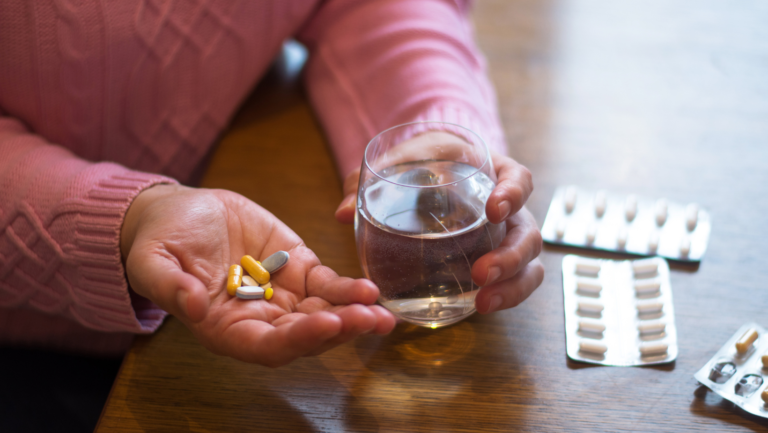
Yes. CBT reduces physical symptoms of anxiety in 60 percent of patients within 12 weeks. SSRIs (selective serotonin reuptake inhibitors) like sertraline reduce sympathetic nervous system reactivity within 4 to 6 weeks of therapeutic dosing, which directly lowers muscle tension, palpitation frequency, and gastrointestinal symptoms. Treating the anxiety removes the hormonal driver of every physical symptom simultaneously.