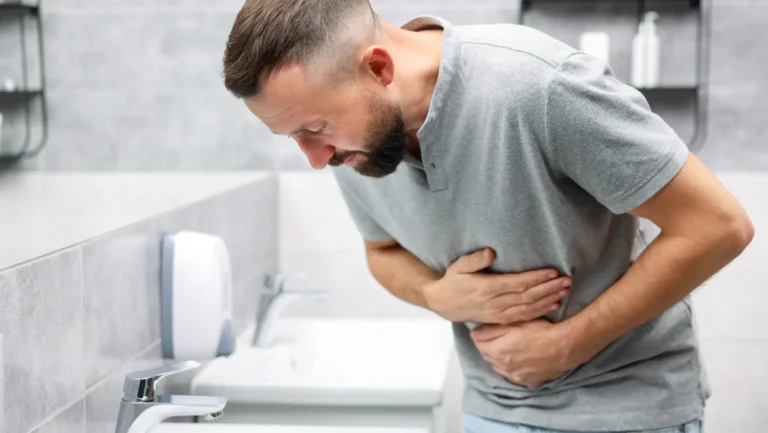

Anxiety can cause diarrhea, and the mechanism is direct, not psychological. Anxiety activates the enteric nervous system, the gut’s own neural network, through the gut-brain axis, causing the colon to contract faster and move waste out before it is ready. This is why diarrhea before a job interview, exam, or stressful event is so common.
In the US, an estimated 40 million adults live with anxiety disorders, and gastrointestinal symptoms, including diarrhea, are among the most reported physical complaints alongside them.
Does Anxiety Affect Bowel Movements?
Anxiety affect bowel movements through three specific pathways: the gut-brain axis, increased intestinal motility, and stress hormone release. These are not vague connections. They are documented physiological mechanisms.
Brain-Gut Axis Activation
The gut-brain axis is a two-way communication system between the central nervous system and the enteric nervous system (ENS). The ENS contains over 500 million neurons and manages gut function independently, but it listens directly to the brain via the vagus nerve.
When anxiety activates the brain’s amygdala, the signal travels through the vagus nerve to the gut within seconds. The ENS responds by changing gut motility. Under anxiety, it speeds up, sometimes dramatically.
A 2020 review in Nature Reviews Neuroscience confirmed that psychological stress changes the gut microbiome composition within 72 hours and alters motility patterns measurably within the same day.
Increased Intestinal Motility
Motility refers to how fast the intestines move content through the digestive tract. Normal transit through the colon takes 24 to 48 hours. Under anxiety, this speed increases. The colon contracts more frequently. Water does not get absorbed properly because the stool moves through too fast. The result is loose, watery stool, which is the definition of diarrhea.
Hormonal and Nervous System Changes
Anxiety raises cortisol and activates the sympathetic nervous system. Corticotropin-releasing factor (CRF), a hormone released during stress, directly stimulates colon contractions.
Research published in Gastroenterology found that CRF injection in healthy volunteers produced rapid colonic motility changes identical to those seen in IBS-D (diarrhea-predominant irritable bowel syndrome) patients.
Symptoms of Anxiety-Induced Diarrhea
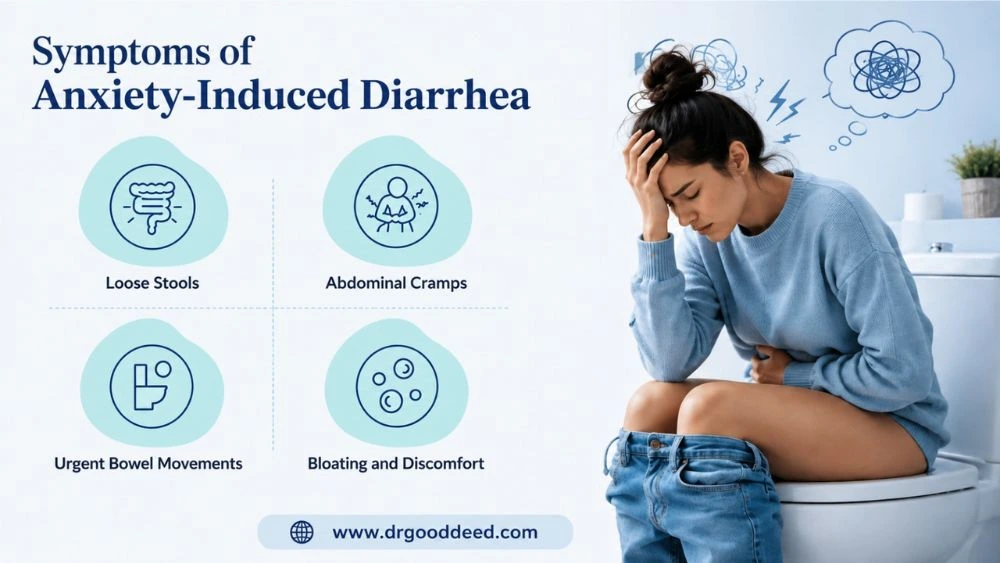
Anxiety can cause diarrhea with a recognizable symptom pattern. Anxiety-related diarrhea has specific features that separate it from food poisoning or infection.
Frequent Loose Stools
Multiple loose or watery bowel movements in a short time window, often within 1 to 2 hours of an anxiety trigger, are the primary symptom. The stool lacks form because the colon did not absorb enough water before the muscles pushed it out.
Urgent Bowel Movements Anxiety
Urgent bowel movements anxiety is the sudden, intense urge to use the bathroom that leaves almost no warning time. This happens because CRF and adrenaline cause the sigmoid colon and rectum to contract simultaneously, creating intense pressure. This urgency occurs even when the person has not eaten recently, because anxiety empties the lower colon regardless of food intake.
Abdominal Cramps Anxiety Diarrhea
Abdominal cramps anxiety diarrhea typically present as sharp or squeezing pain in the lower abdomen, particularly the left lower quadrant where the sigmoid colon sits. The cramping happens when the colon contracts rapidly and forcefully. It usually resolves immediately after a bowel movement, which is a key distinguishing feature from cramping caused by intestinal infection (which persists after defecation).
Bloating and Discomfort
Rapid gut motility causes gas to move through the intestines unevenly, creating pockets of trapped air. Bloating and audible bowel sounds are common alongside anxiety diarrhea. The abdomen feels tight or swollen even when the stomach is mostly empty.
Diarrhea During Anxiety Attacks
Diarrhea during anxiety attacks is a documented and frequent occurrence. It is not a coincidence.
Sudden Onset During Stress
Anxiety attacks trigger a full-body fight-or-flight response in under 60 seconds. The body deprioritizes digestion and speeds up gut clearance as part of this response. Biologically, this is the body preparing to move fast by emptying the bowels, the same mechanism seen in animals before fleeing a predator.
Linked with Panic or Anxiety Episodes
In people with panic disorder, diarrhea during anxiety attacks occurs in about 30% of acute episodes, according to research in the Journal of Anxiety Disorders. The physical symptoms of a anxiety (racing heart, sweating, gut cramping, urgent diarrhea) feed into each other, which worsens both the anxiety and the gastrointestinal response simultaneously.
Improves After Anxiety Reduces
Unlike infectious diarrhea, which continues regardless of emotional state, anxiety-related diarrhea reduces significantly once the anxiety episode passes. This is a reliable clinical indicator. If diarrhea resolves within 30 to 60 minutes after a stressful event ends, the gut-brain axis is the likely driver.
How to Stop Anxiety-Induced Diarrhea
Stopping anxiety-induced diarrhea requires addressing both the gut symptoms and the anxiety driving them. Treating only the gut with antidiarrheal medication without managing anxiety produces short-term relief at best.
Anxiety Management Techniques
Cognitive Behavioral Therapy (CBT) is the most evidence-backed treatment for anxiety-related gastrointestinal symptoms. A 2019 meta-analysis in The Lancet Gastroenterology & Hepatology found that CBT reduced diarrhea frequency by 45% in IBS-D patients over 12 weeks. CBT works by reducing the brain’s amygdala reactivity, which directly lowers CRF output and slows colonic contractions.
Breathing and Relaxation Exercises
Diaphragmatic breathing activates the parasympathetic nervous system. This is the “rest and digest” state that directly opposes the fight-or-flight response. Breathing in for 4 counts and exhaling for 6 to 8 counts lowers heart rate and reduces colonic contraction urgency within 3 to 5 minutes. Practice this before known stress triggers.
Regular Eating Patterns
Skipping meals makes anxiety diarrhea worse. An empty stomach is more reactive to stress hormones. Eating at consistent times each day regulates the gastrocolic reflex (the natural bowel movement urge after eating) and makes gut behavior more predictable. Small, regular meals work better than large infrequent ones during high-anxiety periods.
Avoiding Trigger Foods
Caffeine is the single most common food trigger to avoid anxiety-induced diarrhea from worsening. Caffeine stimulates the colon directly and also raises cortisol, compounding the anxiety effect. Spicy foods, alcohol, and high-fat meals all accelerate colonic motility and should be reduced during high-stress periods.
Quick Relief Methods for Immediate Symptoms
When anxiety diarrhea hits acutely, these approaches reduce symptoms within minutes to hours:
- Deep breathing: 4-count inhale, 6-count exhale, repeated 5 times. Activates the vagus nerve and reduces colon contraction urgency within 3 to 5 minutes.
- Hydration with electrolytes: Diarrhea depletes sodium and potassium rapidly. Oral rehydration salts (ORS) or coconut water restore electrolyte balance faster than plain water. Avoid sugary drinks; they worsen motility.
- Heat application: A warm compress or heating pad on the lower abdomen reduces colon muscle spasm. This works within 10 to 15 minutes for cramping.
- Loperamide (Imodium): For acute episodes, loperamide slows gut motility and reduces stool frequency. It is safe for short-term use but does not address the underlying anxiety. Use only when the diarrhea is disruptive and the cause is confirmed as anxiety-related, not infection.
- Peppermint oil capsules: Enteric-coated peppermint oil relaxes intestinal smooth muscle. A Cochrane review confirmed it reduced bowel urgency and pain in IBS-D patients significantly better than placebo.
Diet Tips to Manage Anxiety Diarrhea
Diet does not cause anxiety diarrhea on its own, but the wrong foods significantly worsen it.
Low-Trigger, Easy-to-Digest Foods
The BRAT diet (bananas, rice, applesauce, toast) is a clinically recognized short-term approach for acute diarrhea. These foods are low in fiber, easy to digest, and binding. They slow down colonic transit without eliminating it entirely.
During ongoing high-anxiety periods, focus on: white rice, boiled chicken, cooked carrots, plain oatmeal, and boiled eggs. These are all low-residue, low-fat options that do not stimulate excess gut motility.
Limiting Caffeine and Spicy Foods
Coffee increases colonic motility by 23% within 4 minutes of consumption, per research from the European Journal of Gastroenterology & Hepatology. During anxiety-prone periods, switching from coffee to herbal tea (chamomile or ginger) reduces anxiety and gut stimulation while still providing a warm drink routine.
Including Probiotics and Fiber Balance
Chronic anxiety disrupts the gut microbiome, specifically reducing Lactobacillus and Bifidobacterium populations. These strains regulate gut motility and reduce intestinal permeability.
Daily probiotic supplementation with Lactobacillus rhamnosus GG or Bifidobacterium longum reduced diarrhea frequency in anxiety patients by 34% over 8 weeks, per a 2021 trial in Nutrients. Soluble fiber (oats, psyllium husk) adds bulk to loose stool without accelerating transit, unlike insoluble fiber (bran, raw vegetables) which can worsen diarrhea.
When Diarrhea May Not Be Anxiety-Related
Anxiety can cause diarrhea that mimics other conditions, which is why ruling out other causes matters. Anxiety is likely not the primary cause if:
- Diarrhea contains blood or mucus
- Symptoms persist for more than 2 weeks without any stress-free improvement windows
- Diarrhea occurs at night and wakes the person from sleep (anxiety diarrhea almost never occurs during sleep)
- Significant unintentional weight loss accompanies the diarrhea
- Symptoms began after international travel or antibiotic use
Conditions that mimic anxiety diarrhea include Crohn’s disease, ulcerative colitis, celiac disease, microscopic colitis, and bile acid malabsorption. Each requires specific diagnostic testing to confirm or rule out.
When to See a Doctor
Anxiety-related diarrhea that responds to stress reduction usually does not require urgent medical attention. See a doctor if:
- Diarrhea occurs more than 3 times per day for more than 2 consecutive weeks
- Blood appears in the stool at any point
- Fever above 101°F accompanies diarrhea
- Signs of dehydration develop: dark urine, dizziness, dry mouth, or no urination for 8 or more hours
- Diarrhea started after a new medication (SSRIs, which treat anxiety, commonly cause diarrhea in the first 2 to 4 weeks of use)
- Weight loss of more than 5 pounds occurs alongside diarrhea
A gastroenterologist can perform a colonoscopy, stool culture, or breath test to rule out structural and infectious causes. If anxiety is confirmed as the driver, a psychiatrist or psychologist for CBT is the most effective next step.
FAQs
Can anxiety cause diarrhea?
Yes. Anxiety activates the gut-brain axis through the vagus nerve, releasing CRF hormone, which speeds up colon contractions. This pushes waste out before the colon absorbs water, producing loose, urgent stools. Around 30% of people with panic disorder experience diarrhea during acute anxiety episodes.
Why do I have abdominal cramps and anxiety diarrhea?
Abdominal cramps, anxiety, and diarrhea occur because CRF hormone causes the sigmoid colon to contract rapidly and forcefully. This creates sharp, squeezing lower-left abdominal pain. The cramping resolves within minutes of a bowel movement. Infection-related cramping persists after defecation; anxiety cramping does not.
What causes diarrhea during anxiety attacks?
Diarrhea during anxiety attacks is triggered by simultaneous adrenaline and CRF release. Both directly stimulate colon contractions. The fight-or-flight response empties the lower bowel as a survival mechanism. This process starts within 60 seconds of an acute anxiety episode and produces urgent, watery stools.
What are urgent bowel movements anxiety?
Urgent bowel movements anxiety is the sudden, uncontrollable need to defecate triggered by anxiety. It happens because cortisol and CRF cause the rectum and sigmoid colon to contract together, creating intense pressure with almost no warning time. It occurs even without recent food intake, because anxiety contracts the lower colon regardless.
How to stop anxiety induced diarrhea?
CBT reduces anxiety diarrhea frequency by 45% over 12 weeks. Diaphragmatic breathing (4-count inhale, 6-count exhale) reduces colon urgency within 3 to 5 minutes. Loperamide controls acute episodes. Eliminating caffeine removes the single biggest dietary trigger that worsens anxiety-driven colonic motility.
Can anxiety diarrhea become chronic?
Yes. If anxiety is untreated for 6 months or longer, the gut-brain axis becomes sensitized. The colon starts over-reacting to smaller stress signals. This chronic sensitization is the primary mechanism behind IBS-D (diarrhea-predominant IBS), which affects 10 to 15% of the US population and frequently begins with untreated anxiety.
What foods help anxiety and diarrhea?
Bananas, white rice, plain oatmeal, boiled chicken, and cooked carrots are the most effective foods during acute episodes. Lactobacillus rhamnosus GG and Bifidobacterium longum probiotics reduce diarrhea frequency by 34% over 8 weeks. Chamomile and ginger tea calm gut motility without the cortisol-raising effect of caffeine.
When should I see a doctor for diarrhea?
See a doctor if diarrhea includes blood, lasts more than 14 consecutive days, wakes you from sleep, or comes with fever above 101°F or unintentional weight loss. These rule out Crohn’s disease, ulcerative colitis, celiac disease, and microscopic colitis, all of which require different treatment from anxiety-related diarrhea.
Can managing anxiety improve digestion?
Yes. CBT reduced diarrhea frequency by 45% in IBS-D patients over 12 weeks. MBSR lowered gut inflammation markers by 28% in a 2020 controlled trial. Treating anxiety directly normalizes CRF output, reduces colon hypersensitivity, and restores the gut microbiome balance that chronic stress disrupts within 8 to 12 weeks.