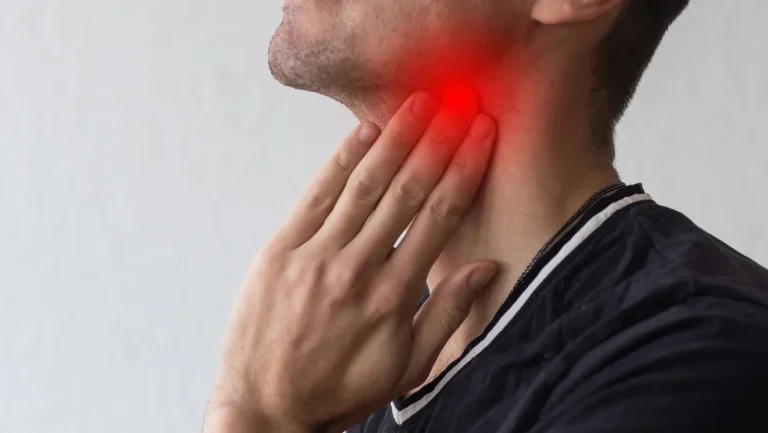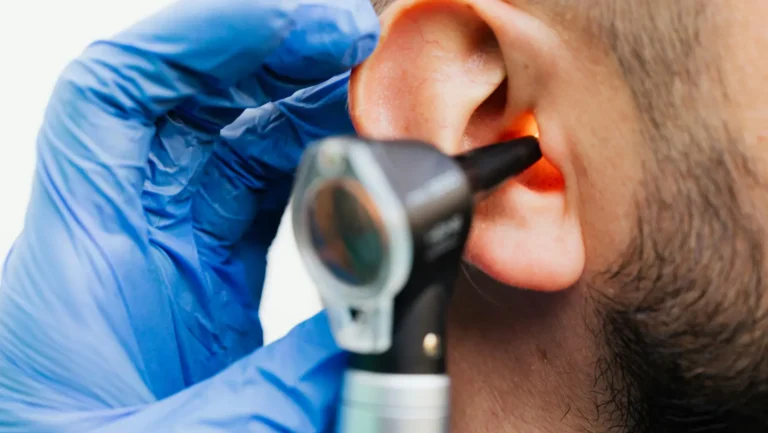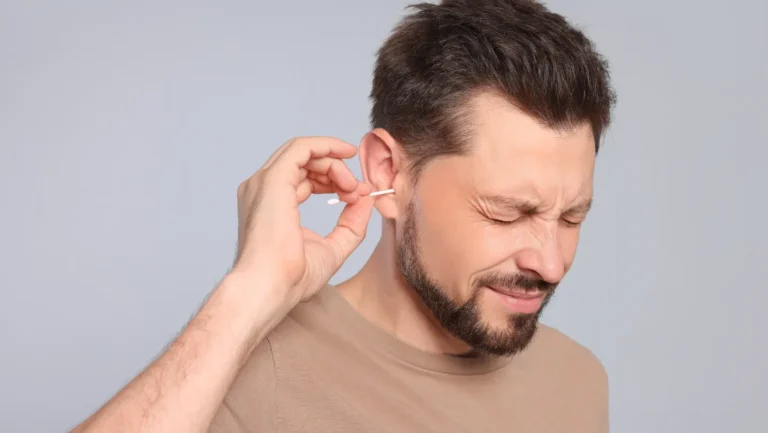

Knowing how to treat an ear infection after piercing correctly in the first 48 hours determines whether the infection clears in days or drags on for weeks. An ear infection after piercing is a superficial skin infection that can develop when bacteria enter the fresh piercing wound.
Earlobe piercings typically heal faster than cartilage piercings, which carry a significantly higher infection risk due to lower blood supply. This guide covers every cause, sign, treatment step, and prevention strategy, including what most articles skip.
What Causes Ear Piercing Infection
What causes ear piercing infection almost always comes down to bacteria entering a fresh wound. The piercing creates an open channel through the skin. Any contamination during or after the procedure gives bacteria direct access to tissue. The four causes below account for the vast majority of infections seen in U.S. dermatology and urgent care settings.
Poor Hygiene During or After Piercing
A piercing gun that isn’t properly sterilized between clients is one of the most common infection sources. Hollow needles used by professional piercers are easier to fully sterilize.
The Association of Professional Piercers (APP) recommends autoclave sterilization for all reusable tools. Skipping aftercare cleaning in the first 6–8 weeks lets bacteria colonize the healing tissue.
Touching With Unclean Hands
The hands carry Staphylococcus aureus and Pseudomonas aeruginosa, both bacteria commonly found in infected piercings. Touching a fresh piercing with unwashed hands transfers those bacteria directly into the wound. This is the leading cause of infections that develop 3–7 days after getting pierced.
Using Low-Quality Jewelry
Surgical steel, titanium, and 14-karat or higher gold are the only materials recommended for new piercings. Costume jewelry, plated metals, and mystery alloys leach nickel and other irritants into the tissue. That irritation breaks down the skin barrier and makes infection far more likely.
Allergic Reaction to Metals
Nickel allergy affects roughly 17% of women and 3% of men in the U.S. An allergic reaction looks almost identical to an infection: redness, swelling, itching, and discharge. The difference is that allergic reactions don’t respond to antibiotics and require switching to hypoallergenic jewelry instead.
Signs of Infected Ear Piercing
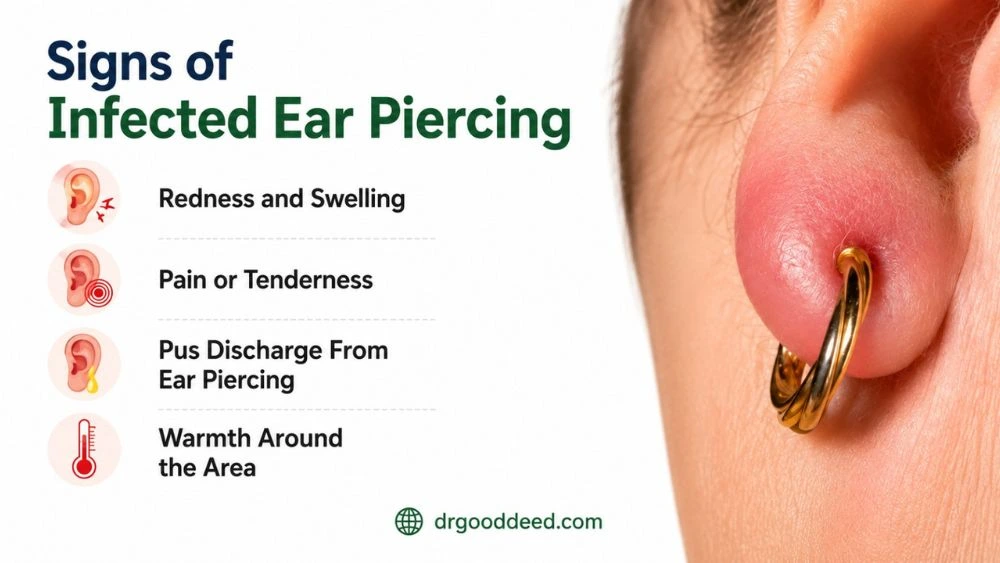
The signs of infected ear piercing appear within the first 1–3 weeks for most people. Mild irritation in the first few days is normal. Infection looks and feels different. Knowing the signs of an infected ear piercing helps distinguish infection from normal healing and avoids missed warning signs.
Redness and Swelling
Some redness in the first 24–48 hours after piercing is expected. Redness that spreads beyond the immediate piercing site, deepens in color, or gets worse after day 3 signals infection. Swelling that causes the earring back to press into the skin needs medical attention; that level of swelling can trap bacteria and worsen the infection.
Pain or Tenderness
Normal piercing soreness fades within a week. Infection pain increases over time instead of decreasing. Tenderness that radiates into the earlobe, outer ear, or surrounding skin after the first week is a reliable infection marker.
Pus Discharge From Ear Piercing
A small amount of clear or white-tinged fluid in the first few days is lymph fluid, not pus, and it’s part of normal healing. Pus discharge from ear piercing is yellow, green, or thick white, and it has an odor. That’s the difference. Any colored or odorous discharge after day 5 is infection until proven otherwise.
Warmth Around the Area
Infected tissue generates heat. Run a clean fingertip along the earlobe. If the piercing site feels noticeably warmer than the surrounding skin, bacterial activity is likely driving that heat.
Pus Discharge From Ear Piercing
Pus discharge from ear piercing is the clearest visible sign of active infection. The color and consistency of pus indicate severity and help determine whether home treatment is enough or medical care is needed.
Mild Infection vs Severe Infection
Mild infection produces small amounts of yellow or white pus localized to the piercing hole. The surrounding skin is red but not spreading. Severe infection produces continuous pus, significant swelling extending past the earlobe, and sometimes a visible abscess (a pus-filled pocket under the skin).
Yellow vs Green Discharge
Yellow pus typically indicates Staphylococcus aureus infection, which responds well to topical mupirocin and oral antibiotics in moderate cases. Green pus suggests Pseudomonas aeruginosa, which is more common in cartilage piercings and requires specific antibiotic coverage (ciprofloxacin is often prescribed). Green discharge from a cartilage piercing always warrants a doctor visit.
When It Becomes Serious
If pus came out and the discharge does not reduce after 48 hours of proper cleaning, spreads beyond the piercing site, or occurs with fever, medical care may be needed. These signs indicate the infection has moved deeper than the skin surface.
Piercing infection: what to do starts with the correct step-by-step treatment.
Piercing infection: what to do at home requires the right technique, not just the right products. Most mild infections clear within 5–7 days with consistent home care.
Step 1: Clean Hands Before Touching
Wash hands with antibacterial soap for at least 20 seconds before touching the piercing. This single step prevents recontamination. Use this rule every single time, without exception.
Step 2: Gently Clean With Saline
Saline solution for piercing infection is the gold standard recommended by the APP and most dermatologists in the U.S. Use sterile saline (0.9% sodium chloride), not homemade saltwater, which often has inconsistent salt concentration and can irritate tissue.
- Saturate a clean cotton pad or gauze with sterile saline
- Hold it gently against both sides of the piercing for 3–5 minutes
- Do this twice daily: morning and evening
- Pat dry with a clean paper towel; cloth towels harbor bacteria
Step 3: Avoid Removing Jewelry Too Early
Removing the jewelry during an active infection seals bacteria inside the closing wound. That creates an abscess. Keep the jewelry in unless a doctor specifically instructs removal.
Step 4: Keep the Area Dry and Protected
Moisture slows healing and feeds bacterial growth. Keep hair products, makeup, and sunscreen away from the piercing. Pat the area dry after showering. Avoid submerging the piercing in pools, lakes, or hot tubs during infection.
How Long Ear Piercing Infection Lasts
How long ear piercing infection lasts depends on infection severity and whether treatment starts early.
Mild Infection Timeline (Few Days)
A mild earlobe infection treated with twice-daily saline solution for piercing infection clears in 3–5 days. Symptoms start improving within 48 hours of consistent cleaning.
Moderate Infection Timeline (1–2 Weeks)
Moderate infections with visible pus discharge and spreading redness take 7–14 days with proper home care. If no improvement appears after 5 days of home treatment, oral antibiotics are needed.
Factors Affecting Healing
Cartilage piercings heal slower than earlobe piercings because cartilage has minimal blood supply. How long ear piercing infection lasts in cartilage is typically 2–4 weeks for moderate infections, and sometimes longer without medical treatment. Smoking, diabetes, and compromised immune systems all extend recovery time.
What to Avoid During Infection
These mistakes are common and they all slow recovery.
Using Harsh Chemicals (Alcohol, Peroxide)
Rubbing alcohol and hydrogen peroxide kill bacteria, but they also kill the new skin cells forming around the piercing. That delays healing. The National Institutes of Health and APP both recommend against using these products on piercings. Sterile saline is sufficient.
Removing Jewelry Prematurely
As explained above, removing jewelry during infection traps bacteria inside the closing wound. The only exception is if a doctor advises removal because the jewelry itself is the infection source (usually due to metal allergy or defective jewelry).
Excessive Touching or Twisting
Twisting the earring was once recommended as standard aftercare advice. Current evidence shows it tears the healing tissue and introduces bacteria. Don’t rotate the jewelry. Leave it alone between cleaning sessions.
When You May Need Medical Treatment
What to do for an ear piercing infection depends on severity; home care may handle mild infections, while some symptoms require a doctor.
Severe Swelling or Pain
Swelling that engulfs the earring back, makes the lobe feel hard, or spreads toward the face or neck is beyond home care territory. That level of swelling suggests cellulitis (a spreading skin infection) or abscess formation.
Persistent Pus or Worsening Symptoms
If pus discharge from ear piercing continues or worsens after 5 days of twice-daily saline cleaning, a bacterial culture and antibiotic prescription are needed. Don’t wait longer than 5 days.
Fever or Spreading Infection
Fever above 100.4°F (38°C) alongside a piercing infection means bacteria have entered deeper tissue or the bloodstream. This is a medical emergency. Cartilage infections that spread can cause perichondritis, which permanently deforms the ear without IV antibiotics.
Preventing Ear Piercing Infections
Most ear piercing infections are preventable with the right decisions upfront.
Proper Aftercare Routine
Clean twice daily with sterile saline for 6–8 weeks for earlobe piercings and 12 weeks for cartilage piercings. Don’t switch to other products. Consistency matters more than intensity.
Choosing Safe Jewelry
Start with implant-grade titanium (ASTM F136), implant-grade steel, niobium, or solid 14k gold. These materials have the lowest reaction rates. Avoid mystery metals, plated jewelry, and acrylic.
Maintaining Hygiene
Tie hair back to keep it away from fresh piercings. Change pillowcases twice a week during the healing period. Keep phones and earbuds clean; they contact the ear area constantly and carry bacteria.
FAQs
Is pus discharge from ear piercing normal?
No. Clear or pale white fluid in the first 3–5 days is normal lymph fluid. Pus discharge from ear piercing is yellow, green, or thick with odor, and it signals bacterial infection. Green pus in a cartilage piercing specifically needs a doctor visit for targeted antibiotic treatment.
How long ear piercing infection lasts?
How long ear piercing infection lasts depends on location: earlobe infections clear in 3–7 days with saline care. Cartilage infections take 2–4 weeks. Infections treated with antibiotics improve within 48–72 hours. Infections ignored for more than 5 days often require prescription medication.
Should I remove jewelry if the piercing is infected?
No. Removing jewelry during active infection seals bacteria inside the closing wound and creates an abscess. Keep jewelry in, clean with sterile saline twice daily, and see a doctor if symptoms worsen. A doctor will advise removal only if the jewelry itself is the infection source.
When should I see a doctor for a piercing infection?
See a doctor if pus discharge continues beyond 5 days of home care, fever develops, swelling spreads past the earlobe, or the skin turns hard and warm. Cartilage infections always warrant earlier evaluation because they escalate faster than earlobe infections.
Can ear piercing infection heal on its own?
Yes, an infected ear piercing may sometimes heal on its own when the infection is mild and the area stays clean. Cartilage infections don’t reliably heal without intervention. Any infection producing green pus or causing fever won’t resolve on its own and needs antibiotics.
How to prevent ear piercing infection?
Get pierced by an APP-certified piercer using sterile hollow needles. Start with implant-grade titanium jewelry. Clean twice daily with sterile saline for 6–8 weeks. Avoid touching with unwashed hands. Change pillowcases twice weekly. These five steps prevent the vast majority of piercing infections.