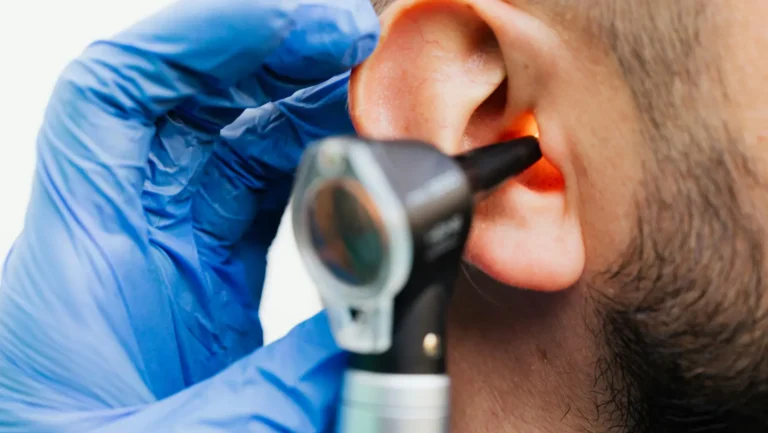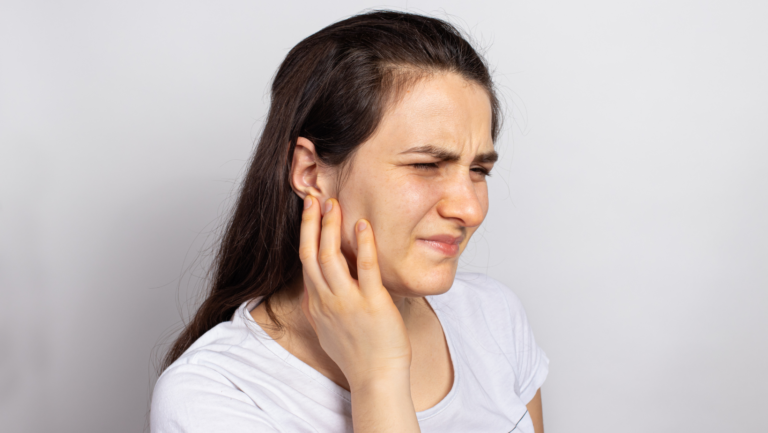

To get water out of your ear, tilt the affected ear downward, gently tug the earlobe, and let gravity pull the water out. This works in most cases within 30–60 seconds. Water trapped in the ear canal, clinically called retained aural fluid, creates a muffled hearing sensation and raises the risk of otitis externa (swimmer’s ear) if left sitting for more than 24–48 hours. This guide covers every safe method, what to avoid, and when the trapped water needs a doctor’s attention.
Best Ways to Remove Water From Ear
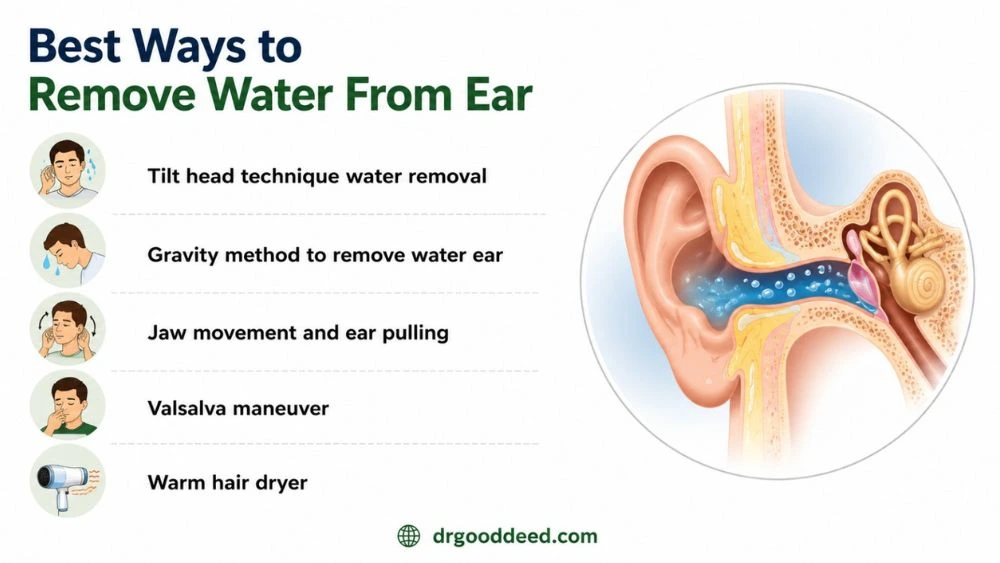
The best ways to remove water from ear all rely on one principle: using gravity, movement, or gentle pressure to shift fluid out of the ear canal without pushing it deeper. No tools required. Most methods take under 2 minutes.
| Method | Works Best For | Time Needed |
| Tilt head technique water removal | Immediate post-swim relief | 30–60 seconds |
| Gravity method to remove water ear | Stubborn, deeper water | 5–10 minutes |
| Jaw movement and ear pulling | Water near the canal opening | 1–2 minutes |
| Valsalva maneuver | Water behind the eardrum | 30 seconds |
| Warm hair dryer (low heat) | Moisture remaining after drainage | 30 seconds |
Tilt Head Technique Water Removal
Tilt head technique water removal is the fastest and most reliable first step. It works because the ear canal is a curved tube, and positioning it correctly creates a straight drainage path downward.
Tilt Affected Ear Downward
Tilt your head so the water-filled ear faces the ground. Press your palm flat against the ear, then pull it away quickly. That suction-and-release motion shifts the water toward the canal opening.
Gently Pull Earlobe
While the head stays tilted, reach up and pull the earlobe gently downward and backward. This straightens the ear canal. Water that was pooled in a curved section now has a clear path out. Hold for 10–15 seconds.
Allow Water to Drain Naturally
Stay tilted. Don’t shake or force anything. Gravity does the work. If water doesn’t drain within 60 seconds, repeat once, then move to the gravity method. Repeated forceful shaking can push water further into the canal instead of out.
Gravity Method to Remove Water Ear
The gravity method to remove water ear is slower but more effective for water that feels deeper or doesn’t respond to the tilt technique alone.
Lie on One Side
Lie flat on a surface with the affected ear facing down toward the pillow or surface. Rest in this position for 5–10 minutes. The extended contact time allows water to migrate toward the outer canal opening with no effort.
Wait for Natural Drainage
Don’t move around or tilt your head back and forth. Stillness lets the water settle and track a consistent downward path. Place a clean towel under the ear to absorb the draining water.
Repeat if Needed
If water remains after 10 minutes, sit up, perform tilt head technique water removal once, then lie back down for another 5 minutes. This combination clears the majority of retained ear water cases without any tools or drops.
How to Clear Ear After Swimming
How to clear ear after swimming requires acting within the first 5 minutes. The longer water sits, the more it softens the ear canal skin, which increases bacterial entry risk.
Shaking Head Gently
Immediately after exiting the water, tilt the swimming-side ear down and shake the head side to side with quick, small movements. This dislodges surface water before it settles deep in the canal.
Using a Towel to Absorb Moisture
Place the corner of a clean towel gently at the ear canal opening. Don’t push it in. Let capillary action pull moisture out. This removes residual water after gravity drainage.
Air Drying the Ear
Cup the palm over the ear for 10 seconds, then remove it. Repeat 3–4 times. The pumping motion creates mild suction that draws out remaining moisture. Follow with 30 seconds of open-air exposure to let the canal dry naturally.
Other Safe Methods to Remove Water
Valsalva Maneuver (Gentle Pressure Technique)
Close the mouth, pinch both nostrils shut, and exhale gently through the nose. The pressure this creates in the Eustachian tubes pushes fluid toward the outer canal. Use gentle pressure only. Blowing too hard can damage the eardrum. This method works specifically when water feels trapped behind the eardrum rather than in the outer canal.
Using a Hair Dryer (Low Heat, Safe Distance)
Set a hair dryer to the lowest heat and lowest speed. Hold it 12–18 inches from the ear. Tilt the ear downward and allow warm airflow to evaporate remaining moisture for 20–30 seconds. Don’t use high heat. It burns the delicate canal skin.
Creating Suction With Palm
Press the palm firmly over the ear canal opening, flatten it completely, then pull away quickly. Repeat 4–5 times rapidly. This creates alternating pressure and suction that shifts trapped water toward the opening. Many ENT physicians recommend this as a safe adjunct to the tilt method.
Earwax Blocking Water Drainage
Earwax blocking water drainage is an underreported reason why some people struggle to get water out of your ear even after trying multiple methods. Cerumen (earwax) normally migrates outward on its own, but in some people it accumulates and hardens into a plug.
Wax Buildup Trapping Water
A cerumen impaction sits at the curve of the ear canal. Water gets trapped behind or around the wax plug. Gravity and suction techniques won’t move it because the physical blockage prevents drainage. Approximately 6% of the general population in the U.S. has clinically significant cerumen impaction, according to American Family Physician guidelines.
Narrow Ear Canal Issues
People with naturally narrow or curved ear canals are more prone to earwax blocking water drainage. The anatomical shape slows natural wax migration, and water gets caught in pockets around accumulated cerumen.
Increased Risk After Swimming
Swimming repeatedly without drying the ears properly softens earwax over time. Softened wax expands and blocks the canal more completely than dry, hardened wax. If water feels trapped every time after swimming, a cerumen impaction evaluation from an ENT is worth scheduling.
Signs Water Is Stuck in Your Ear
Knowing the difference between normal post-swim ear sensation and genuinely trapped water matters.
Feeling of Fullness
A clogged, pressurized feeling in the ear that doesn’t resolve after tilting and draining for 5 minutes indicates retained water.
Reduced Hearing
Sound becomes muffled or distant. This is conductive hearing loss caused by water blocking sound wave transmission through the canal. It resolves once water drains.
Mild Discomfort
A tickling sensation or mild ache is common. Sharp pain is not normal and warrants a doctor visit, as it may signal early otitis externa.
What Not to Do if You Have an Ear Infection
These actions make ear problems worse, whether water is stuck or an infection is developing.
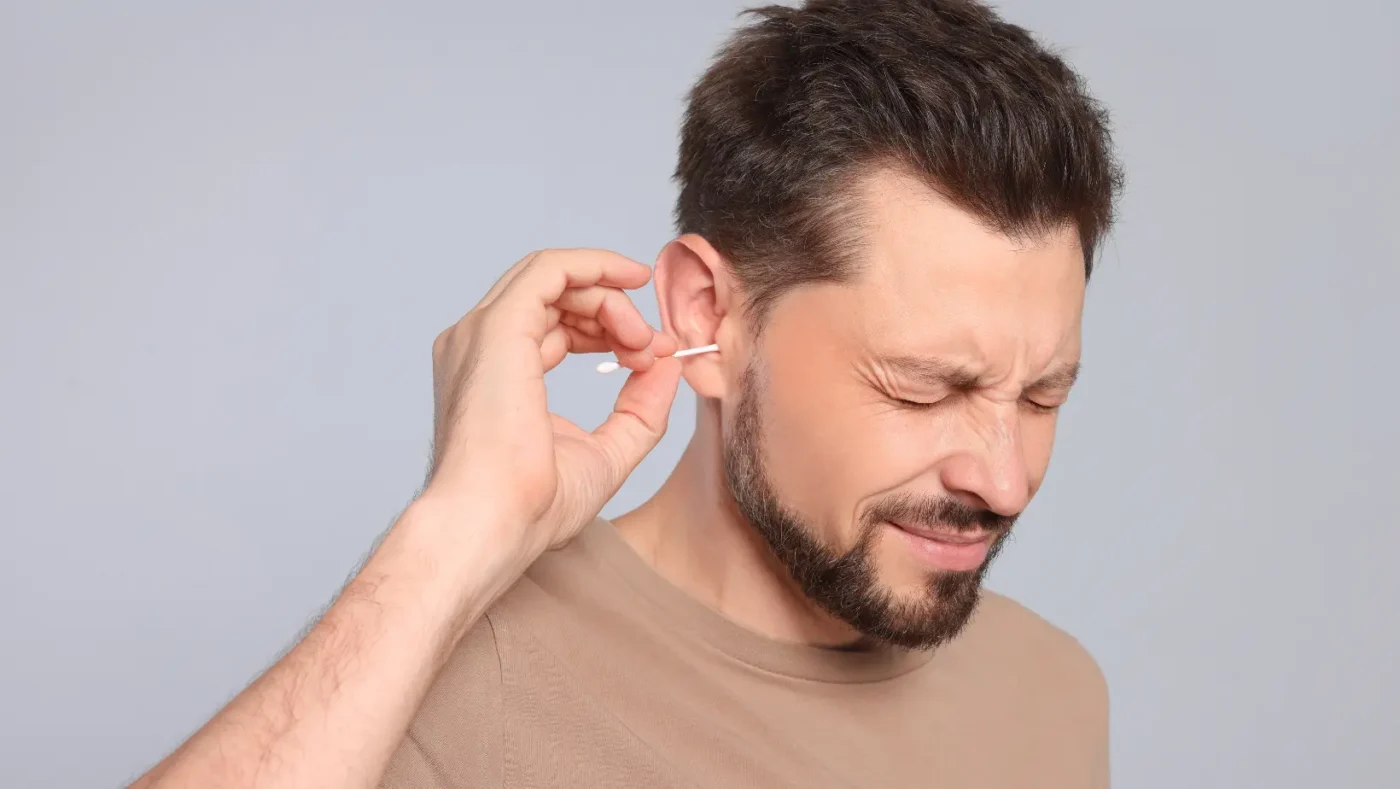
Avoid Cotton Swabs
Cotton swabs push water and debris deeper into the canal. They compress earwax against the eardrum and remove the protective wax layer that keeps the canal’s pH acidic and bacteria-resistant. The American Academy of Otolaryngology explicitly advises against cotton swab use inside the ear canal.
Do Not Insert Objects Into the Ear
Bobby pins, fingers, pen caps, and earbuds used to “dig out” water damage the delicate skin lining the ear canal. Any abrasion creates an entry point for bacteria.
Avoid Excessive Force
Vigorous shaking or pressing hard on the ear creates pressure spikes that can rupture the eardrum in ears that already have inflammation or existing damage.
When Water in Ear Can Cause Problems
Water sitting in the ear canal for more than 24 hours raises the risk of otitis externa, commonly called swimmer’s ear. The ear canal maintains a slightly acidic pH that resists bacterial growth. Prolonged moisture neutralizes that acidity.
Pseudomonas aeruginosa and Staphylococcus aureus are the bacteria most responsible for swimmer’s ear infections in the U.S. Both thrive in the warm, moist environment that trapped water creates.
- Persistent moisture causes skin maceration (softening and breakdown)
- Broken skin allows bacteria to colonize the canal lining
- Pain, itching, and discharge follow within 24–48 hours of sustained moisture exposure
When to See a Doctor
See a doctor if:
- Water feels stuck for more than 2–3 days despite home methods
- Pain develops or intensifies after trying drainage techniques
- Discharge (especially yellow or green fluid) appears from the ear canal
- Fever develops alongside ear discomfort
- Hearing loss doesn’t resolve after water drainage
- The trapped water follows a recent upper respiratory infection (suggests middle ear fluid, not outer canal water)
Middle ear fluid (otitis media with effusion) doesn’t drain with gravity or suction. It requires medical evaluation and sometimes drainage through tympanostomy (ear tubes).
How to Prevent Water Getting Stuck in Ear
Using Earplugs While Swimming
Custom-fit silicone earplugs from an audiologist provide the best seal. Over-the-counter foam earplugs reduce water entry by roughly 70–80%. Wear them during every swimming session, including recreational pool use.
Drying Ears Properly
After every water exposure: tilt the ear down, gently tug the earlobe, and use a towel corner at the canal opening. Use a hair dryer on the lowest setting from 12 inches away for 20 seconds if swimming is frequent.
Managing Earwax Buildup
Annual cerumen clearance from a primary care physician or ENT prevents wax-related drainage blockages. At-home options include over-the-counter carbamide peroxide drops (Debrox) used according to label instructions. Never use ear candles; no clinical evidence supports their effectiveness, and the FDA has issued warnings against them due to documented fire and burn injuries.
FAQs
How to get water out of your ear quickly?
To get water out of your ear fast, tilt the affected ear toward the ground, pull the earlobe down, and press then release the palm against the ear canal opening rapidly 4–5 times. This combined technique clears most surface water within 60 seconds.
How to clear your ears after swimming?
To clear ear after swimming, shake the head side-to-side with the affected ear down immediately after exiting the water, absorb moisture with a towel corner at the canal opening, then use a hair dryer on low heat from 12 inches away for 20 seconds. Act within 5 minutes for best results.
Can earwax block water drainage?
Yes. Earwax blocking water drainage is a real clinical problem. A cerumen plug at the canal curve physically traps water behind it. Neither gravity nor suction works against a full wax impaction. A doctor removes the blockage using irrigation or a curette, and water drains immediately after.
Is it safe to use cotton buds for water removal?
No. Cotton buds push water deeper, compress wax against the eardrum, and strip the canal’s protective acidic layer. The American Academy of Otolaryngology explicitly prohibits their use inside the ear canal. Use the tilt head technique water removal or palm suction instead.
When should I see a doctor for water in my ear?
See a doctor if water feels stuck beyond 3 days, pain develops, discharge appears, or hearing doesn’t return after drainage. Also see a doctor immediately if water became trapped during or after an upper respiratory infection; that indicates middle ear fluid, which needs medical treatment.
Can water in the ear cause infection?
Yes. Water sitting in the canal for more than 24 hours raises swimmer’s ear risk by neutralizing the canal’s acidic pH. Pseudomonas aeruginosa and Staphylococcus aureus colonize the softened skin. Pain, itching, and discharge follow within 24–48 hours of prolonged moisture exposure.
How long does water stay in your ear?
Water in the outer ear canal drains on its own within a few hours in most cases if the canal has no wax blockage. If it doesn’t clear within 24 hours despite home methods, retained water is either trapped by earwax or sitting in the middle ear, and both require medical evaluation.