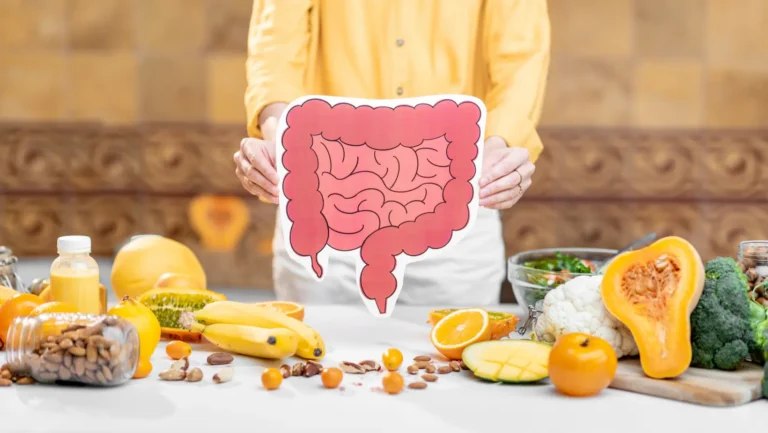

The types of gut problems that increase in summer include acid reflux, food poisoning last, constipation, bloating, and infectious diarrhea. These conditions spike in warmer months because heat disrupts gut motility, shifts bacterial balance inside the intestines, and accelerates food spoilage.
The Centers for Disease Control and Prevention (CDC) reports that foodborne illness cases nearly double in summer compared to winter months in the US. This guide covers why gut problems worsen in heat, which conditions are most common, and what to eat and avoid to stay symptom-free through summer.
Why Gut Problems Increase During Summer
The types of gut problems that increase in summer share a common trigger: the gut simply works differently in heat. Three physiological changes drive nearly all summer digestive complaints.
Dehydration Slowing Digestion
The intestinal wall needs consistent hydration to move food efficiently. When fluid intake drops below 2 liters per day in summer, colonic motility slows. Stool hardens. Gas builds up because food ferments longer in the colon. The result is constipation, bloating, and cramping, often within 24 to 48 hours of mild dehydration.
Heat Affecting Gut Microbiome Balance
Research published in Cell Host & Microbe confirms that gut microbial diversity decreases in summer. Heat promotes the growth of gram-negative bacteria like Escherichia coli and Salmonella while reducing beneficial Lactobacillus populations. Fewer beneficial bacteria means weaker acid defense, less protection against pathogens, and slower digestion.
Increased Risk of Contaminated Food and Water
Bacteria double in number every 20 minutes at temperatures above 90°F. Food left out for 2 hours at summer picnics or cookouts reaches unsafe bacterial counts. Tap water in some US regions also carries higher pathogen loads in summer due to agricultural runoff after heat-driven precipitation events.
Common Gut Problems During Summer

Common digestive issues during summer fall into five main categories. Each has a distinct mechanism and a distinct solution.
Acidity and Acid Reflux
Acidity and bloating during summer are the most reported digestive complaints in emergency clinic visits between June and August. Heat slows gastric emptying by up to 30% compared to cooler months, per data from the American Journal of Gastroenterology. Food stays in the stomach longer. Stomach acid keeps working. The longer the contact time, the higher the reflux risk.
Bloating and Indigestion
Bloating in summer links directly to slowed gut motility and low Lactobacillus counts. Without enough beneficial bacteria to break down fiber efficiently, gas accumulates in the colon. Eating heavy, fatty meals in heat compounds this. Gastric pressure rises. The abdomen distends. Discomfort peaks in the evening after a large dinner.
Constipation
Constipation in summer is a dehydration problem, primarily. The colon absorbs water from stool before elimination. When the body is low on fluids, the colon extracts more water than it should. Stool becomes dry, dense, and hard to pass. Low physical activity in peak heat worsens this by reducing the muscular activity that stimulates bowel movement.
Food Poisoning and Stomach Infections
Food poisoning from Salmonella, Campylobacter, and Staphylococcus aureus accounts for roughly 48 million illnesses in the US annually, with the sharpest spike in July and August (CDC data). Symptoms start 6 to 72 hours after eating contaminated food. Nausea, vomiting, cramps, and diarrhea follow. Recovery takes 24 to 72 hours for mild cases.
Diarrhea and Loose Motions
Infectious diarrhea in summer stems from two sources: foodborne pathogens and gut microbiome disruption. Even without contaminated food, the shift in gut bacteria during heat increases intestinal permeability, sometimes called leaky gut, which allows irritants to trigger loose stools. Common digestive issues during summer like diarrhea worsen with caffeine, alcohol, and artificial sweeteners, all of which speed gut transit.
Ways to Improve Gut Health During Summer
Types of gut problems that increase in summer respond well to consistent, simple dietary changes. These three adjustments address the root causes directly.
Including Probiotic Foods
Yogurt, kefir, buttermilk, and miso actively restore Lactobacillus and Bifidobacterium populations. One cup of plain yogurt daily provides 10 to 100 million CFUs (colony-forming units). That’s enough to measurably shift microbiome balance within 7 to 14 days. Avoid flavored versions with added sugar, which feeds pathogenic bacteria instead.
Increasing Fiber Intake
Soluble fiber in oats, bananas, and apples feeds beneficial gut bacteria. Insoluble fiber in leafy greens and cucumbers adds bulk to stool and speeds transit. Both types are necessary. A fiber intake below 25 grams per day, which is the average in the US diet, accelerates the gut problems that summer heat worsens.
Reducing Processed Foods
Ultra-processed foods high in refined carbohydrates, additives, and seed oils disrupt the gut lining and kill beneficial bacteria. A 2022 study in Nature Medicine linked ultra-processed food consumption directly to increased intestinal permeability.
In summer, when the gut barrier is already under heat stress, processed food intake makes infections and inflammation significantly more likely.
Stomach Problems Caused by Hot Weather
Stomach problems caused by hot weather don’t only come from what people eat. The heat itself changes gut function at a physiological level.
Slower Digestion
Smooth muscle activity in the gut decreases as ambient temperature rises. Peristalsis (the wave-like motion that moves food through the gut) slows. Food sits longer in the stomach and small intestine, producing gas, pressure, and discomfort. This is why heavy meals feel worse in summer than in winter even when the food is identical.
Increased Bacterial Growth in Food
At 90°F, bacteria multiply to dangerous levels in cooked chicken within 2 hours, in egg dishes within 90 minutes, and in cut melon within 3 hours (FDA food safety data). Refrigerators set above 40°F fail to slow this growth adequately. These timelines are shorter than most people assume.
Electrolyte Imbalance Affecting Gut Function
Sweat removes sodium, potassium, and magnesium. All three regulate smooth muscle contractions in the intestinal wall. Low magnesium alone causes constipation and cramping. Low potassium slows peristalsis. Stomach problems caused by hot weather that don’t resolve with hydration usually involve an electrolyte deficit that plain water cannot fix.
Constipation and Dehydration in Summer
Constipation is among the most preventable of the types of gut problems that increase in summer. The mechanism is straightforward, and the fix is measurable.
Reduced Water Content in Stools
Normal stool is 75% water. In dehydration, the colon pulls excess water from stool to compensate for low fluid intake elsewhere in the body. Stool water content drops to 60 to 65%, and it becomes difficult to pass. This change happens within 24 hours of inadequate fluid intake.
Low Fiber and Fluid Intake
Most Americans consume 10 to 15 grams of fiber daily, well below the recommended 25 to 38 grams. Combined with summer dehydration, this creates the worst conditions for bowel regularity. Fiber without adequate water actually worsens constipation. Both must increase together.
Heat-Related Fluid Loss
Sweating in summer heat removes 0.5 to 2 liters of fluid per hour during moderate outdoor activity. Without deliberate replacement, the body enters mild dehydration quickly, and the colon responds by conserving fluid at the expense of stool moisture. Drink 3 to 3.5 liters of water daily in summer, more if active outdoors.
Food Poisoning and Summer Gut Infections
Food poisoning is the most acute of the types of gut problems that increase in summer and the most avoidable with correct food handling.
Spoiled Food in High Temperatures
The USDA “danger zone” is 40°F to 140°F. In summer outdoor settings, food moves into this zone within minutes. Potato salad, deviled eggs, and deli meats are the highest-risk foods at summer gatherings. Keep cold foods below 40°F and hot foods above 140°F at all times.
Poor Food Hygiene
Cross-contamination between raw meat and ready-to-eat food causes a large share of summer foodborne illness. Cutting the same board for raw chicken and salad vegetables without washing in between transfers Salmonella and Campylobacter directly. Use separate boards and wash hands for 20 seconds with soap between handling raw and cooked items.
Contaminated Water Risks
Recreational water (pools, lakes, splash pads) carries Cryptosporidium and E. coli in summer, particularly after heavy rainfall. The CDC’s Healthy Swimming Program reports that pool-related illness peaks in June through August annually in the US. Swallowing even small amounts of contaminated water triggers diarrhea within 2 to 10 days.
Foods to Prevent Gut Problems in Summer
Foods to prevent gut problems in summer share specific properties: high water content, alkaline or neutral pH, probiotic bacteria, or prebiotic fiber.
Hydrating Fruits and Vegetables
- Watermelon (92% water): dilutes stomach acid; prevents colonic dehydration
- Cucumber (95% water): anti-inflammatory; reduces bloating
- Celery: contains apigenin, which reduces intestinal inflammation
- Papaya: contains papain enzyme; speeds protein digestion
Probiotic-Rich Foods
- Plain yogurt: restores Lactobacillus acidophilus
- Buttermilk: high in lactic acid bacteria; digests faster than milk
- Kimchi: adds Lactobacillus strains not found in dairy probiotics
- Miso: provides Aspergillus oryzae enzymes that improve protein breakdown
Light and Easy-to-Digest Meals
White rice, lentil soup, steamed zucchini, and soft-boiled eggs pass through the digestive tract with minimal fermentation. These are specifically recommended after a bout of summer diarrhea or food poisoning to rest the gut without creating nutritional deficits.
Foods That Worsen Summer Gut Issues
Acidity and bloating during summer get significantly worse with specific food choices.
Heavy Oily Meals
Fried food slows gastric emptying by 2 to 4 hours compared to lean protein. In summer, this compounds with already-slowed gut motility and raises both reflux and bloating risk substantially.
Excess Street Food Consumption
Street food in summer carries higher contamination risk due to outdoor temperatures and inconsistent cold-chain management. Eating street food more than twice a week in summer correlates with higher rates of Staphylococcal food poisoning in studies from urban US populations.
Irregular Meal Timing
Skipping breakfast leaves the stomach producing acid for 4 to 5 hours with no food buffer. Eating a large dinner after that gap creates a pressure spike that pushes acid upward. Irregular timing is one of the most overlooked types of gut problems that increase in summer triggers.
When Summer Gut Problems Need Medical Attention
| Symptom | Action Required |
| Vomiting more than 3 times in 24 hours | See a doctor; risk of dehydration |
| Diarrhea lasting more than 3 days | Medical evaluation needed |
| Blood in stool or vomit | Emergency care immediately |
| Fever above 102°F with gut symptoms | Possible bacterial infection; see a doctor |
| Severe abdominal pain (can’t stand straight) | Emergency care; rule out appendicitis |
| No urination for 8+ hours | Severe dehydration; seek IV fluids |
Signs of Dehydration
Watch for dark yellow urine, dry mouth, dizziness when standing, and muscle cramps. These appear before thirst does. Thirst is a late-stage dehydration signal in adults, not an early warning.
Hydration Tips for Digestive Health
Hydration tips for digestive health in summer go beyond just drinking enough water.
- Drink 16 oz of water immediately on waking, before coffee or food
- Space fluid intake across the day; don’t save it all for evening
- Add a pinch of sea salt and lemon to one glass of water daily to replace sodium lost through sweat
- Avoid drinking large amounts of water during meals; it dilutes digestive enzymes
- Use coconut water in the afternoon if sweating heavily; it replaces potassium and magnesium that plain water skips
Hydration tips for digestive health also include avoiding drinks that dehydrate. Alcohol, coffee, and energy drinks all act as diuretics. Replacing one cup of coffee with herbal tea in summer reduces net fluid loss across the day.
FAQs
Why does digestion become weaker in hot weather?
Heat reduces smooth muscle activity in the intestinal wall, slowing peristalsis. Dehydration thins the gut’s protective mucus lining. Both effects combine to slow food transit by up to 30%, raise acid contact time in the esophagus, and increase gas production from fermentation in the colon.
Can dehydration directly affect bowel movements?
Yes. The colon extracts water from stool when fluid intake is low. Stool water content drops from 75% to around 60 to 65%, making it hard and difficult to pass. This change happens within 24 hours of inadequate hydration and reverses within 12 to 24 hours of restoring proper fluid intake.
Which summer foods are easiest on the stomach?
White rice, plain yogurt, ripe banana, steamed zucchini, and lentil soup. All digest within 2 to 3 hours without significant gas production. These are specifically recommended after food poisoning or diarrhea because they restore gut function without adding digestive load.
How does heat affect gut bacteria balance?
Heat above 90°F increases intestinal permeability and reduces Lactobacillus populations. Gram-negative pathogens like E. coli and Salmonella thrive in the same conditions. The shift takes 1 to 2 weeks of heat exposure to become measurable and reverses within 7 to 14 days of consistent probiotic food intake.
Are stomach infections more common during summer?
Yes. Foodborne illness cases in the US nearly double between June and August compared to December through February (CDC data). Salmonella peaks in August specifically. Higher temperatures accelerate bacterial growth in food, and outdoor eating creates more opportunities for cross-contamination and improper cold storage.
What are early signs of dehydration-related digestive problems?
Dark yellow urine after 6 PM, dry lips, a feeling of fullness without eating much, and mild headache. These appear before constipation or cramping becomes obvious. Most people wait for thirst, but thirst is a late-stage signal that means dehydration is already affecting gut function.
Can eating spicy foods worsen summer acidity?
Yes. Capsaicin in chili peppers directly irritates the esophageal lining and relaxes the lower esophageal sphincter. In summer, when gastric emptying is already slower, spicy food stays in the stomach longer and produces more acid contact time, which worsens reflux and heartburn compared to cooler months.
How often should you eat during summer for better digestion?
Eat every 3 to 4 hours. Four to five small meals outperform three large ones in summer because smaller volumes reduce gastric pressure and lower diet-induced thermogenesis, meaning the body generates less internal heat after eating. This directly reduces acidity and bloating during summer.
What drinks help maintain digestive health in hot weather?
Coconut water replaces potassium and magnesium lost through sweat. Buttermilk restores lactic acid bacteria. Plain room-temperature water dilutes stomach acid and hydrates the colon. Chamomile tea reduces intestinal spasms. All four work as hydration tips for digestive health without the diuretic effect of caffeine or alcohol.
When should digestive symptoms in summer become a concern?
Seek medical care if diarrhea or vomiting lasts more than 3 days, if there is blood in stool, if fever exceeds 102°F alongside gut symptoms, or if urination stops for 8 or more hours. These signs indicate bacterial infection, severe dehydration, or a condition beyond the scope of foods to prevent gut problems in summer.