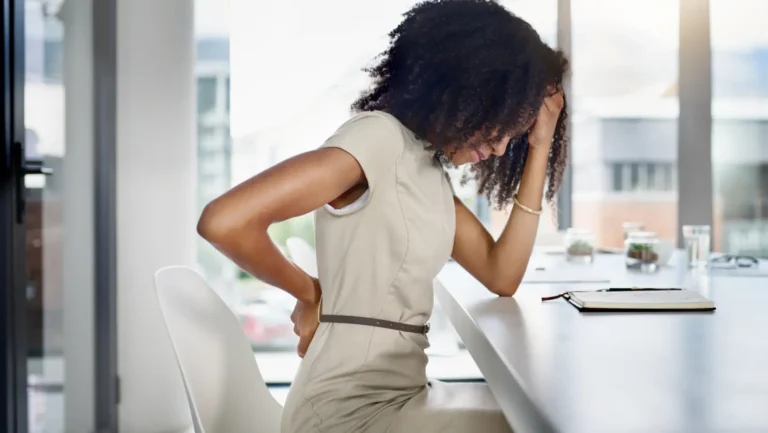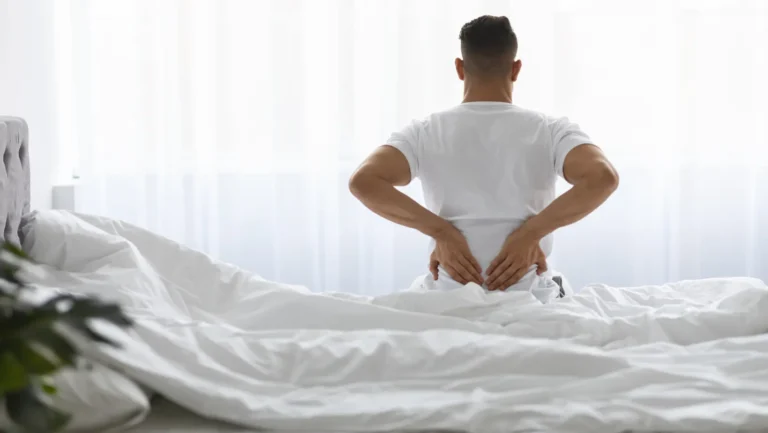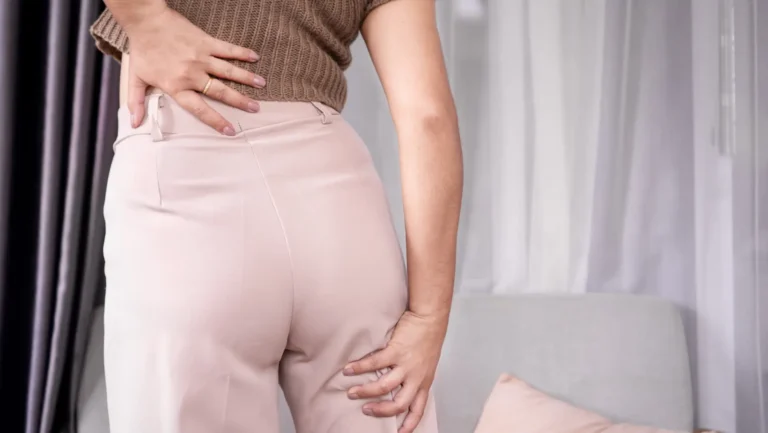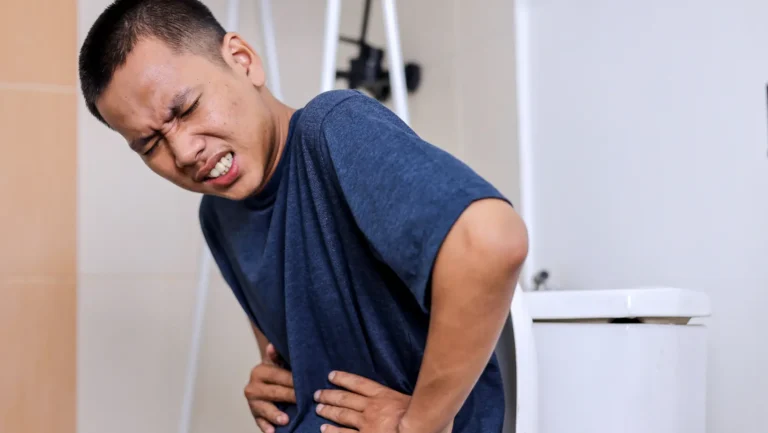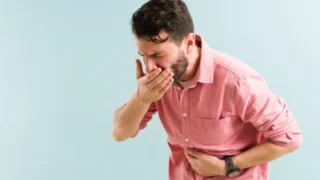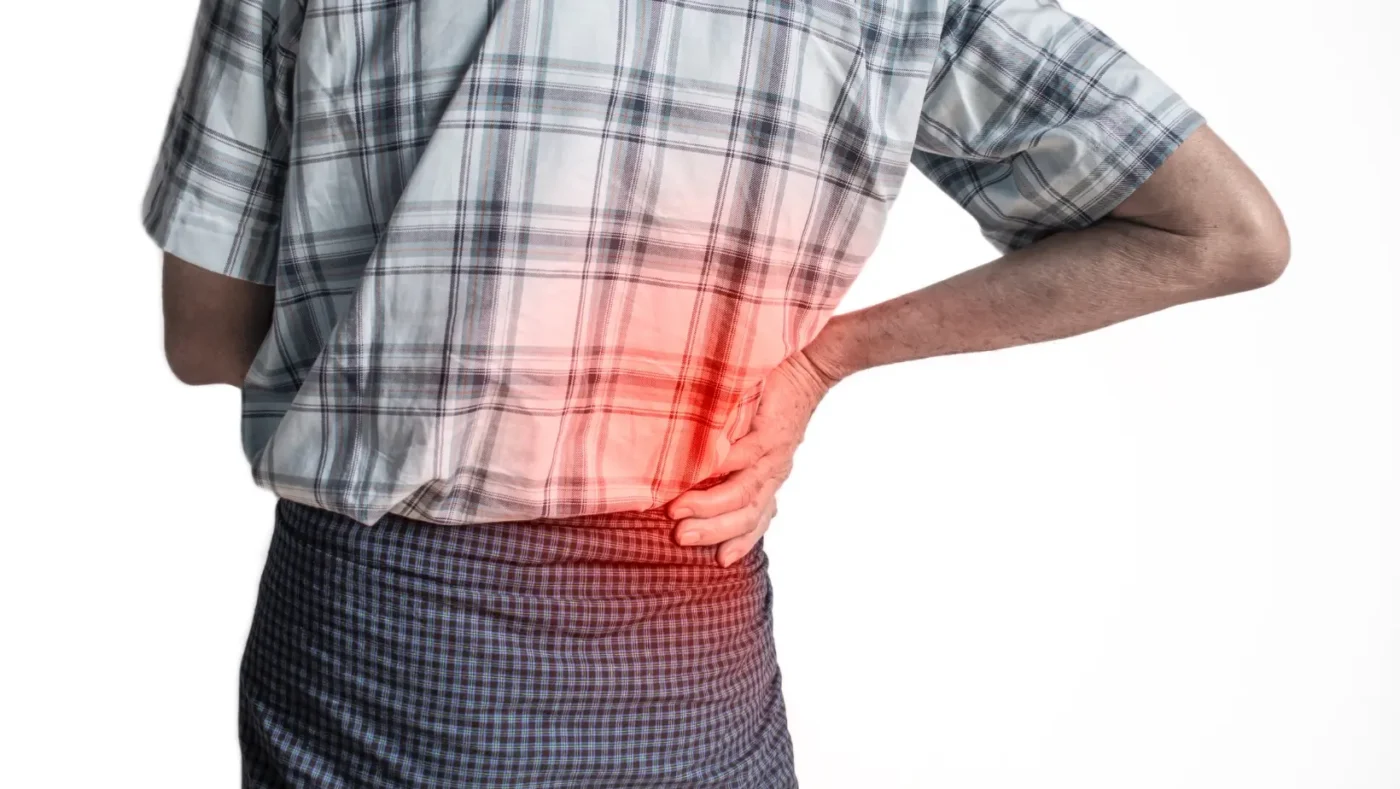

A hernia can cause back pain. Certain hernia types, particularly inguinal and lumbar hernias, create enough pressure on surrounding nerves and muscles to produce real, measurable back pain.
The American College of Surgeons estimates that over 1 million hernia repairs are performed in the US annually, yet back pain as a linked symptom remains widely underreported and misdiagnosed.
Types of Hernias That Cause Back Pain
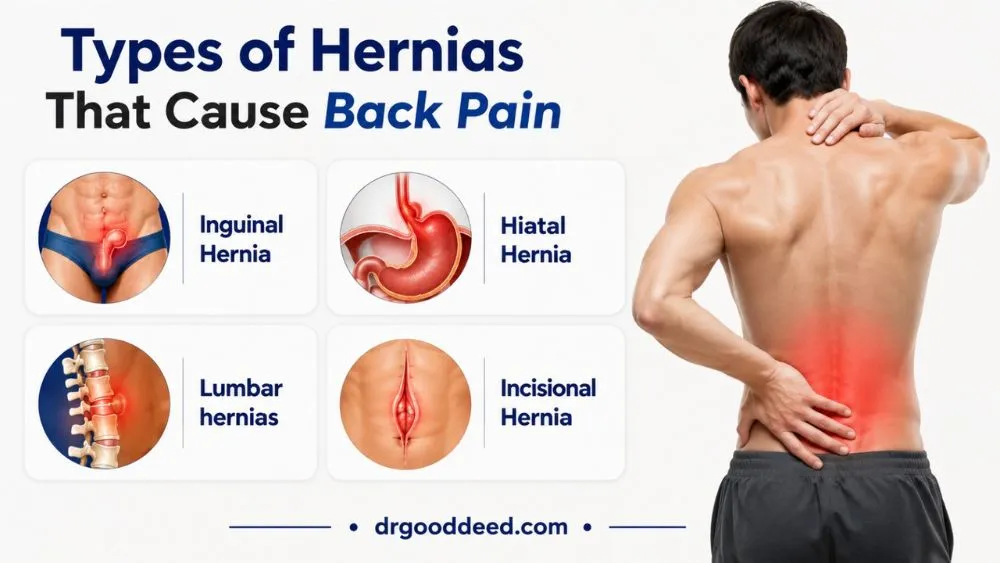
Not every hernia causes back pain. The types of hernias that cause back pain are those positioned near the spine, lumbar muscles, or abdominal wall in ways that affect posture or compress nerves. Location is the deciding factor.
Inguinal Hernia
Inguinal hernias develop in the groin where the abdominal wall has a natural weak point called the inguinal canal. They account for 75% of all hernia cases in the US. When the protruding tissue presses on the iliohypogastric or ilioinguinal nerves, referred pain travels into the lower back and hip. Men are 8 times more likely to develop inguinal hernias than women, according to the World Journal of Surgery.
Hiatal Hernia
A hiatal hernia occurs when part of the stomach pushes up through the diaphragm into the chest cavity. The diaphragm is directly connected to the lumbar spine via the diaphragmatic crura, connective tissue attachments at L1-L3. Tension in this area, especially during acid reflux episodes, radiates into the mid and lower back. Most patients and even some clinicians overlook this connection.
Lumbar or Abdominal Wall Hernia
Lumbar hernias are rare, making up less than 2% of all hernia cases, but they are the most direct cause of back pain. They protrude through weak points in the posterior abdominal wall, specifically the Grynfeltt-Lesshaft or Petit triangle. The pain is localized in the flank or lower back and worsens with bending or lifting.
Incisional Hernia
Incisional hernias form at old surgical scar sites. When the scar tissue weakens, abdominal contents push through. The resulting pressure alters core muscle activation, forcing the lumbar extensors to compensate. This compensation pattern directly produces lower back aching that patients rarely connect to their prior surgery.
How a Hernia Can Lead to Back Pain
A hernia can cause back pain through multiple physical mechanisms, not just nerve compression. Understanding the anatomy makes the connection clear and explains why standard back pain treatments often fail when a hernia is the root cause.
Muscle Strain and Posture Changes
When a hernia creates discomfort in the groin or abdomen, the body shifts posture to reduce that pain. Patients lean forward, shift weight to one side, or tighten the hip flexors to guard the hernia site. Each of these compensations overloads the lumbar paraspinal muscles. Over weeks, the strain becomes chronic.
Nerve Compression Causing Hernia Back Pain
Nerve compression causing hernia back pain is the most direct mechanism. The genitofemoral nerve, iliohypogastric nerve, and lateral femoral cutaneous nerve all pass near common hernia sites. When protruding tissue presses on any of these, the pain signal travels along the nerve path, which includes the lower back, hip, and inner thigh. This is called referred pain. It feels identical to standard back pain, which is why the hernia often gets missed.
Increased Abdominal Pressure Affecting the Spine
Coughing, lifting, and bowel straining all spike intra-abdominal pressure. This pressure increase simultaneously pushes the hernia outward and loads the lumbar discs. People with untreated hernias experience this pressure spike repeatedly throughout the day, creating cumulative disc and facet joint stress.
A 2021 study in Hernia journal confirmed that untreated abdominal wall hernias significantly increase paraspinal muscle activation asymmetry, a measurable precursor to back pain.
Symptoms of Hernia-Related Back Pain
The symptoms of hernia-related back pain differ from pure mechanical back pain in key ways. Knowing these differences helps identify the real source faster.
Aching Lower Back Discomfort
The pain tends to feel dull and deep rather than sharp. It often concentrates at L4-L5 or the sacroiliac joint area. Unlike a muscle strain, the ache does not fully resolve with rest because the hernia continues creating baseline pressure on the nerve or muscle.
Pain Worsening During Lifting or Standing
A hernia can cause back pain that specifically worsens with physical activity. Any action that increases intra-abdominal pressure, including lifting, prolonged standing, or straining, amplifies both the hernia discomfort and the referred back pain simultaneously. This dual flare pattern is a reliable clinical indicator.
Burning or Pulling Sensation Near the Abdomen or Groin
A burning or pulling feeling near the groin that coincides with lower back pain strongly suggests an inguinal or femoral hernia. The burning sensation comes from nerve irritation, not muscle damage. It sometimes appears without any visible bulge, especially in early-stage hernias.
Exercises That May Worsen Hernia Pain
Certain movements spike intra-abdominal pressure fast enough to worsen both the hernia and the hernia’s symptoms in a single session.
Heavy Lifting Exercises
Deadlifts, barbell rows, and overhead presses generate intra-abdominal pressure spikes of up to 200 mmHg, according to Journal of Applied Physiology data. This directly pushes herniated tissue further through the abdominal wall opening and loads the lumbar spine simultaneously.
High-Pressure Abdominal Workouts
Exercises like hanging leg raises, dragon flags, and ab wheel rollouts create extreme tension in the lower abdominal wall. This tension directly stresses hernia repair sites and unrepaired hernias alike.
Sudden Twisting Movements
Rotational movements like Russian twists or medicine ball throws create shear force on the abdominal wall. Shear force is worse for hernias than direct pressure because it expands the hernia opening laterally rather than pushing tissue straight through.
Exercises to Avoid With Hernia Pain
The exercises to avoid with hernia pain list focuses on anything that raises intra-abdominal pressure above resting levels significantly.
Sit-Ups and Crunches
Both exercises maximally contract the rectus abdominis. This contraction squeezes the abdominal cavity and forces any weak point, including a hernia, to bear direct pressure. Physical therapists and general surgeons consistently advise against these until after hernia repair.
Heavy Squats or Deadlifts
Loaded squats below parallel and conventional deadlifts with heavy weight create the highest spinal compressive forces in resistance training. For someone with an abdominal hernia and back pain, these two movements worsen both conditions at once.
Intense Core Strain Exercises
Planks held beyond 30 seconds, Valsalva-heavy breathing patterns, and exercises that require breath-holding all generate sustained intra-abdominal pressure. This sustained pressure is more damaging to hernia tissue than brief spikes.
How to Relieve Hernia-Related Back Pain
To relieve hernia-related back pain without surgery, the approach targets both the hernia itself and the compensatory muscle patterns it creates.
Rest and Posture Support
Lying on the back with knees bent and a pillow under them reduces lumbar lordosis and abdominal wall tension simultaneously. A hernia support belt or truss, fitted by a medical professional, reduces hernia protrusion during daily activity and decreases the postural compensation that drives the back pain.
Avoiding Strain and Heavy Lifting
Lifting anything over 10 pounds with an unrepaired hernia risks enlarging the defect and worsening nerve compression. When lifting is unavoidable, exhale during exertion rather than holding the breath. This reduces the pressure spike by roughly 30%.
Gentle Movement and Physician-Guided Exercises
Walking at a comfortable pace, gentle pelvic tilts, and diaphragmatic breathing exercises are the three movements consistently recommended before hernia repair. Diaphragmatic breathing specifically reduces the compensatory tension in the lumbar multifidus muscles that builds when patients guard their hernia site chronically.
When Hernia Pain May Be an Emergency
A hernia can cause back pain severe enough to require emergency care. Strangulation, where blood supply to the herniated tissue gets cut off, is a surgical emergency.
Sudden Severe Pain
A sudden, sharp increase in hernia site pain, especially if accompanied by back pain that came on fast, suggests the hernia has become incarcerated or strangulated. This requires immediate emergency department evaluation.
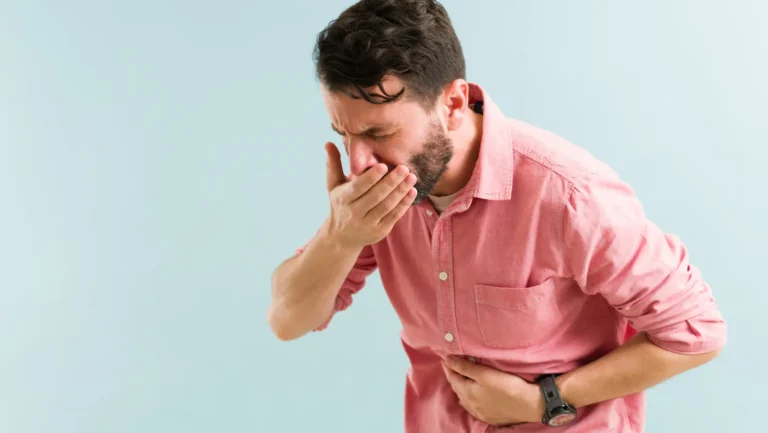
Nausea or Vomiting
Nausea combined with hernia pain indicates the intestine has become trapped. Without blood flow, intestinal tissue begins to die within 6 hours. Do not wait to see if this resolves on its own.
Hernia Becoming Hard or Discolored
A hernia that suddenly feels firm and cannot be pushed back in, especially one that turns red, purple, or dark, is strangulated. Call 911 or go to the ER immediately. This is one of the few true surgical emergencies in general surgery.
Treatment Options for Hernias
Lifestyle and Activity Modifications
For mild or asymptomatic hernias, activity modification reduces symptom frequency. This includes avoiding heavy lifting, maintaining a healthy weight to reduce intra-abdominal pressure, treating chronic cough, and managing constipation cause back pain, all of which are direct drivers of hernia enlargement.
Pain Management Approaches
NSAIDs like ibuprofen reduce nerve irritation around the hernia site and decrease referred back pain. Topical diclofenac gel applied near the hernia area reduces localized inflammation without systemic effects. These are short-term tools, not long-term solutions.
Surgical Repair When Necessary
Laparoscopic hernia repair is the standard approach for inguinal hernias in the US. Recovery typically allows light activity within 1 to 2 weeks and full return to exercise by week 6. Studies from JAMA Surgery confirm that back pain attributed to hernia-related nerve compression resolves in over 70% of patients after successful repair.
FAQs
Which type of hernia is most likely to cause lower back pain?
Lumbar hernias cause back pain most directly because they protrude through the posterior abdominal wall itself. Inguinal hernias cause back pain through genitofemoral and iliohypogastric nerve compression, and are far more common. Lumbar hernias are rare but almost always produce flank and lower back symptoms.
Can abdominal pressure from a hernia affect spinal muscles?
Yes. A 2021 Hernia journal study showed that untreated abdominal hernias increase asymmetric paraspinal muscle activation by measurable amounts, creating the same muscle imbalance pattern seen in chronic lower back pain patients.
Why does hernia pain worsen during lifting or coughing?
Lifting and coughing spike intra-abdominal pressure to 150 to 200 mmHg. This pressure forces herniated tissue further through the defect and simultaneously compresses nearby nerves. Both effects amplify hernia-causing back pain symptoms within seconds of the action.
Can a hernia irritate nearby nerves and cause referred pain?
Yes. Nerve compression causing hernia back pain happens when the genitofemoral, iliohypogastric, or lateral femoral cutaneous nerve gets compressed by protruding tissue. The pain travels along the nerve path, mimicking standard lower back or hip pain with no obvious abdominal source.
Is lower back pain alone enough to suspect a hernia?
No. Lower back pain alone does not indicate a hernia. The combination of lower back pain with groin bulge, burning near the groin or inner thigh, and pain that worsens with coughing or lifting is the clinical pattern that warrants hernia evaluation.
What sleeping position helps reduce hernia-related discomfort?
Sleep on your back with a pillow under the knees. This position reduces both lumbar lordosis and abdominal wall tension. Side sleeping with a pillow between the knees also works. Avoid sleeping on the stomach; it increases abdominal wall pressure throughout the night.
Can poor posture worsen back pain caused by a hernia?
Yes. Anterior pelvic tilt, a forward lean, and asymmetric weight shifts all increase lumbar muscle load. These posture habits develop as protective responses to hernia discomfort and then independently worsen back pain once established.
Are stretching exercises safe with mild hernia symptoms?
Gentle hip flexor stretches and diaphragmatic breathing exercises are safe. Avoid any stretch that requires the Valsalva maneuver or creates abdominal tension. The exercises to avoid hernia pain rule applies to stretches too; any movement that tightens the abdominal wall risks enlarging the defect.
How do you know if hernia pain is becoming serious?
Three warning signs indicate a serious hernia: the bulge becomes firm and cannot be pushed back, pain suddenly intensifies, or nausea and back pain. Any one of these is an emergency. All three together mean the hernia is likely strangulated.
When should a hernia and back pain combination be medically evaluated?
Seek evaluation if back pain and groin or abdominal discomfort occur together for more than 2 weeks, if the pain worsens with coughing or lifting, or if a visible bulge appears. A general surgeon performs clinical examination and confirms diagnosis with ultrasound or CT imaging.