

Abdominal migraine is a neurological condition causing recurring episodes of moderate to severe stomach pain without a headache, primarily affecting children between ages 3-10. Roughly 1-4% of children experience this condition, with episodes lasting 1-72 hours and occurring at least twice within six months.
The pain centers around the belly button area and comes with nausea, vomiting, and pallor (pale skin). Unlike typical stomach problems, these attacks follow a pattern similar to migraine headaches but manifest in the digestive system instead.
Abdominal Migraine Symptoms
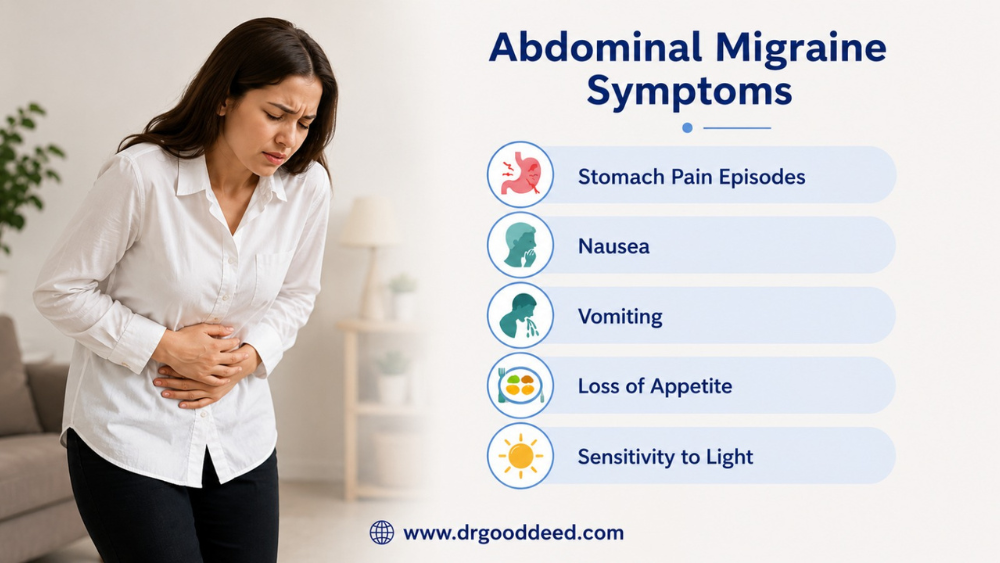
Abdominal migraine symptoms follow a distinct pattern that separates this condition from common stomach bugs, food poisoning, or digestive disorders. The attacks occur suddenly, peak within an hour, and resolve completely between episodes.
Recurrent Stomach Pain Episodes
The pain localizes around the belly button (periumbilical region) rather than spreading across the entire abdomen. Children describe the sensation as dull, aching, or cramping that builds in intensity. The pain reaches moderate to severe levels, interfering with normal activities and often requiring the child to lie down.
Episodes last anywhere from 1 hour to 72 hours, with most attacks resolving within 24 hours. The pain-free intervals between episodes vary from weeks to months. This episodic pattern with complete symptom resolution between attacks distinguishes abdominal migraine from chronic digestive conditions that cause persistent discomfort.
Nausea, Vomiting, and Pale Skin
Nausea accompanies nearly every episode, often becoming the most distressing symptom. Vomiting occurs in approximately 90% of attacks, sometimes repeatedly throughout the episode. This combination of severe nausea and vomiting can lead to dehydration if the episode lasts more than a few hours.
Pallor develops during attacks, giving the child’s skin a notably pale or washed-out appearance. Dark circles may appear under the eyes. Some children also experience flushing (redness) of the face or feel cold and clammy. These autonomic symptoms result from nervous system activation during the migraine episode.
Loss of Appetite and Fatigue
Children refuse food during episodes, even their favorite meals. The combination of nausea and stomach pain makes eating impossible. This appetite loss typically begins as the attack starts and persists until symptoms resolve. Attempting to eat often worsens nausea and may trigger vomiting.
Extreme tiredness accompanies the pain, causing children to sleep during attacks or lie quietly in dark rooms. This fatigue extends beyond normal tiredness, leaving children too exhausted to engage in activities they normally enjoy. Energy levels return to normal once the episode ends.
Sensitivity to Light or Sound in Some Cases
About 30-40% of children with abdominal migraine develop photophobia (light sensitivity) or phonophobia (sound sensitivity) during attacks. These symptoms mirror traditional migraine headaches and suggest shared neurological mechanisms. Children seek dark, quiet spaces and complain when exposed to bright lights or loud noises.
Some children experience visual disturbances or report seeing spots or flashing lights, though this occurs less commonly than with regular migraines. These sensory symptoms usually precede or accompany the stomach pain rather than occurring independently.
Causes of Abdominal Migraines
The causes of abdominal migraines involve complex interactions between brain chemistry, nerve signaling, and blood vessel regulation affecting the digestive system. Serotonin and histamine imbalances trigger changes in gut blood flow and nerve sensitivity.
The gut contains more serotonin receptors than the brain, explaining why migraine processes affect the stomach so dramatically. Genetic factors strongly influence susceptibility, with 60-90% of affected children having family members who experience migraines.
Primary mechanisms include:
- Abnormal serotonin release causing blood vessel constriction in stomach lining
- Activation of pain pathways connecting the brainstem to digestive organs
- Nerve hypersensitivity in the enteric nervous system (gut’s independent nerve network)
- Histamine fluctuations affecting gut inflammation and motility
- Mitochondrial dysfunction reducing cellular energy production in nerve cells
- Genetic variations in genes controlling pain processing and vascular regulation
- Neurotransmitter imbalances disrupting normal gut-brain communication
- Inflammation in nerve tissues connecting digestive and neurological systems
The exact trigger for individual episodes remains unclear, but the underlying vulnerability stems from inherited neurological sensitivity. The same brain pathways that cause headache migraines can activate pain centers controlling abdominal sensations.
Who Is More Likely to Develop Abdominal Migraines?
Certain populations show higher susceptibility to abdominal migraine, helping doctors identify at-risk children and implement early interventions.
Children and Adolescents
Peak incidence occurs between ages 5-9, though episodes can begin as early as age 2 or continue into the teenage years. The condition rarely starts in adulthood, though adult cases exist. Girls and boys experience equal rates during childhood, unlike adult migraines which affect women more frequently.
Most children outgrow abdominal migraine by their mid-teens, with symptoms either disappearing completely or transforming into traditional headache migraines. About 60-70% transition to regular migraines, while 20-30% experience complete resolution. The remaining 10% continue having abdominal episodes into adulthood.
People With Migraine Family History
Genetic predisposition plays a powerful role. Children with one parent who has migraines face a 50% chance of developing some form of migraine disorder. When both parents have migraines, the risk increases to 75%. This strong familial pattern suggests inherited variations in genes controlling pain processing and nervous system function.
Families often show patterns where one generation experiences abdominal migraine as children while another develops traditional headaches. This suggests shared underlying mechanisms expressing differently based on age and developmental factors.
Individuals Sensitive to Stress or Motion Sickness
Children prone to motion sickness in cars, boats, or amusement park rides show higher rates of abdominal migraine. Both conditions involve vestibular system sensitivity and share overlapping neurological pathways. Children who get carsick frequently should be monitored for abdominal migraine patterns.
Anxiety-prone children and those who react strongly to stressful situations face elevated risk. The stress response triggers neurological changes that can precipitate migraine episodes. Children experiencing significant life changes, school pressure, or family stress show increased attack frequency.
Common Triggers for Abdominal Migraines
Specific environmental, dietary, and psychological factors precipitate individual episodes in susceptible children. Identifying personal triggers allows targeted avoidance strategies that significantly reduce attack frequency.
Most children have 3-5 consistent triggers that, when avoided, decrease episodes by 40-60%. Triggers often combine, meaning multiple factors together create threshold conditions for an attack.
Frequent triggers include:
- Emotional stress from school exams, performances, or social conflicts
- Irregular eating patterns with skipped meals or long gaps between food
- Sleep disruption from late nights, sleepovers, or schedule changes
- Chocolate containing phenylethylamine and caffeine
- Aged cheeses with high tyramine content
- Processed meats, including hot dogs, deli meats, and bacon
- Monosodium glutamate (MSG) in Chinese food and packaged snacks
- Artificial sweeteners, particularly aspartame in diet drinks
- Dehydration from insufficient fluid intake during activities
- Weather changes, especially drops in barometric pressure
- Intense physical exertion without proper warm-up or hydration
- Bright or flickering lights, including screens and fluorescent bulbs
- Strong odors from perfumes, cleaning products, or gasoline
- Travel and motion, including long car rides
Keeping a trigger diary for 4-6 weeks helps identify patterns. Parents should record foods eaten, activities, stress levels, sleep quality, and weather conditions for 24 hours before each episode.
Diet Changes for Abdominal Migraine Relief
Implementing strategic diet changes for abdominal migraine relief addresses both trigger elimination and nutritional support for nervous system health. Dietary modifications show effectiveness in reducing episode frequency by 30-50% when followed consistently for at least 8-12 weeks.
Eating Regular Balanced Meals
Consuming meals every 3-4 hours prevents blood sugar fluctuations that trigger episodes. Children should eat breakfast within one hour of waking, even if appetite is low. Small frequent meals work better than three large meals for maintaining stable glucose levels.
Each meal should combine protein, complex carbohydrates, and healthy fats. This macronutrient balance slows glucose absorption and provides sustained energy. Examples include whole-grain toast with peanut butter, yogurt with berries and granola, or turkey sandwich on whole wheat bread with vegetables.
Avoiding Processed Trigger Foods
Eliminating aged cheeses, processed meats, chocolate, and foods containing MSG removes common triggers for most children. Reading ingredient labels carefully identifies hidden MSG listed as “natural flavors,” “hydrolyzed protein,” or “autolyzed yeast extract.” These compounds appear frequently in chips, crackers, and packaged snacks.
Fresh, whole foods contain fewer triggering compounds than processed alternatives. Preparing meals from basic ingredients gives parents control over what children consume. Simple swaps like fresh turkey instead of deli meat or fresh mozzarella instead of aged cheddar eliminate triggers without sacrificing nutrition.
Hydration and Digestive Support
Drinking 6-8 cups of water daily for children maintains proper hydration. Dehydration concentrates waste products in blood and reduces digestive system blood flow, both potential triggers. Children should drink water consistently throughout the day rather than large amounts at once.
Fiber-rich foods support regular digestion and prevent constipation, which some children report as a trigger. Whole grains, fruits, vegetables, and legumes provide adequate fiber without causing digestive upset. Probiotic foods like yogurt may support gut health, though evidence specifically for abdominal migraine remains limited.
Keeping a Food and Symptom Diary
Documenting everything eaten for 24 hours before each episode reveals personal trigger patterns. Children or parents should record meal times, specific foods and amounts, beverages, and any snacks. Also note symptom onset time, duration, and severity.
After 6-8 weeks, reviewing the diary shows which foods consistently appear before episodes. Common patterns emerge, like chocolate consumption correlating with attacks 12-24 hours later or skipped breakfast preceding afternoon symptoms. This data guides targeted elimination efforts rather than restricting foods unnecessarily.
Treatment Options for Abdominal Migraine
Treatment options for abdominal migraine divide into acute management for active episodes and preventive strategies to reduce future attacks. The approach combines medications, lifestyle modifications, and trigger avoidance based on episode frequency and severity.
Rest and Symptom Management
Lying down in a dark, quiet room helps during episodes. Sleeping often shortens attack duration, with many children waking symptom-free after a nap. Creating a calm environment reduces sensory stimulation that can worsen symptoms.
Small sips of clear fluids prevent dehydration when vomiting occurs. Electrolyte solutions or diluted sports drinks replace lost minerals. Avoid solid food until nausea resolves, then reintroduce bland items like crackers, toast, or rice. Applying a cool cloth to the forehead or back of the neck provides comfort.
Medications Prescribed for Migraine Control
Triptans, commonly prescribed for adult migraines, show effectiveness in treating abdominal migraine episodes in children over age 6. Sumatriptan nasal spray or tablets can abort attacks when given early. These medications constrict blood vessels and block pain pathways, addressing the root cause rather than just masking symptoms.
Anti-nausea medications including ondansetron help control vomiting and allow oral rehydration. Over-the-counter pain relievers like ibuprofen sometimes help, though they work less consistently than for headaches. Doctors prescribe these based on individual response patterns and attack severity.
Preventive Strategies for Recurring Attacks
Children experiencing four or more episodes monthly may benefit from daily preventive medications. Cyproheptadine, an antihistamine, shows particular effectiveness for abdominal migraine in children. Pizotifen, another antihistamine, works similarly, though it’s less commonly available in the United States.
Propranolol, a beta-blocker, prevents episodes in some children by stabilizing blood vessel behavior. Amitriptyline, a tricyclic antidepressant in low doses, modulates pain pathways and reduces attack frequency. Doctors select medications based on individual patterns, side effect profiles, and other health conditions.
How Stress Influences Abdominal Migraines
Stress-triggering migraines occurs through multiple physiological pathways connecting emotional states to digestive function. The gut-brain axis transmits signals bidirectionally, allowing psychological stress to directly affect stomach pain perception and digestive processes.
Cortisol and adrenaline released during stress alter blood flow patterns, increase inflammation, and lower pain thresholds. Children experiencing chronic stress show 2-3 times higher episode frequency compared to those with better stress management.
Stress impacts include:
- Activation of the hypothalamic-pituitary-adrenal (HPA) axis flooding the body with cortisol
- Reduced blood flow to digestive organs as circulation diverts to muscles
- Increased gut permeability allowing inflammatory substances to affect nerve endings
- Altered gut motility causing either rapid transit or slowed movement
- Heightened pain sensitivity throughout the nervous system
- Disrupted sleep patterns that independently trigger migraines
- Changed eating behaviors with skipped meals or stress eating
- Muscle tension in neck and shoulders affecting nerve pathways
Teaching children stress management techniques reduces episode frequency. Deep breathing exercises, progressive muscle relaxation, and guided imagery provide tools for handling pressure. Regular physical activity, adequate sleep, and maintaining routines create stability that buffers against stress effects.
When Abdominal Migraine Symptoms Need Medical Attention
New symptoms different from established patterns or progressive worsening warrant consultation even without emergency features. Parents should maintain close communication with healthcare providers to distinguish normal pattern variations from concerning changes.
Warning signs requiring urgent evaluation include:
- Severe abdominal pain lasting longer than typical episodes (over 72 hours)
- Blood in vomit or stool indicating possible bleeding
- High fever above 101°F with abdominal pain suggesting infection
- Progressive abdominal swelling or distension
- Inability to keep down any fluids for more than 12 hours risking dehydration
- Severe dehydration signs like decreased urination, dry mouth, sunken eyes
- Pain that moves to the lower right abdomen suggesting appendicitis
- Severe headache accompanying stomach pain for the first time
- Confusion, extreme lethargy, or difficulty staying awake
- Pain that worsens with movement or pressing on the abdomen
First-time severe abdominal pain always requires evaluation to establish diagnosis. Abdominal migraine is a diagnosis of exclusion, meaning doctors must rule out other conditions first. Testing may include blood work, urine analysis, ultrasound, or other imaging to exclude appendicitis, intestinal obstruction, gallbladder disease, or inflammatory conditions.
FAQs
What are the most common symptoms of abdominal migraine?
Moderate to severe belly button area pain lasting 1-72 hours, nausea, vomiting (in 90% of cases), and pale skin define typical abdominal migraine symptoms. Episodes occur at least twice within six months with complete pain-free intervals between. Children may also experience light sensitivity, fatigue, and appetite loss during attacks.
How are abdominal migraines different from regular migraines?
Abdominal migraine causes stomach pain without headache, primarily in children ages 3-10, while regular migraines produce head pain. Both share nausea, vomiting, light sensitivity, and episodic patterns. About 60-70% of children with abdominal episodes eventually develop traditional headache migraines as adolescents, suggesting they’re related conditions with different age-specific expressions.
Can stress and anxiety trigger abdominal migraine attacks?
Yes, emotional stress ranks among the top triggers. Stress-triggering abdominal migraines occurs when cortisol and adrenaline alter gut blood flow, increase inflammation, and lower pain thresholds. Children facing school pressure, family changes, or anxiety disorders experience 2-3 times more frequent episodes. Stress management techniques reduce attack frequency by 30-40%.
Which foods may worsen abdominal migraine symptoms?
Chocolate, aged cheeses, processed meats (hot dogs, bacon), MSG, artificial sweeteners, and citrus fruits trigger most episodes. Tyramine-rich foods like aged cheddar and deli meats cause vascular changes precipitating attacks. Diet changes for abdominal migraine relief require eliminating personal triggers identified through detailed food diaries kept over 6-8 weeks.
Why are abdominal migraines more common in children?
Children’s developing nervous systems show different pain pathway activation than adults. The gut’s extensive nerve network (enteric nervous system) processes migraine signals as stomach pain rather than head pain. As the brain matures through adolescence, pain manifestation typically shifts to traditional headache patterns. Genetic factors control this age-specific expression.
Can adults also develop abdominal migraines?
Yes, though rarely. About 1-2% of adults with abdominal migraine either continue from childhood or develop new-onset cases. Adult episodes follow the same patterns: episodic severe belly pain, nausea, vomiting, and complete symptom-free intervals. Many adults have unrecognized abdominal migraine misdiagnosed as irritable bowel syndrome or functional dyspepsia.
How does the brain-gut connection influence migraine symptoms?
The vagus nerve directly connects the brainstem to digestive organs, transmitting pain signals bidirectionally. Serotonin receptors concentrate more heavily in gut tissue than brain tissue. When migraine processes activate these pathways, pain manifests in the stomach.
What treatments may help reduce recurring abdominal migraine attacks?
Daily preventive medications like cyproheptadine, pizotifen, propranolol, or low-dose amitriptyline reduce episode frequency by 50-70%. Treatment options for abdominal migraine also include trigger avoidance, regular meal schedules, adequate sleep, stress management, and staying hydrated. Combining medication with lifestyle modifications provides optimal control for frequent sufferers.
How can food and symptom tracking support diagnosis?
Detailed diaries documenting foods eaten, meal timing, stress levels, sleep quality, and activities for 24 hours before episodes reveal trigger patterns. After 6-8 weeks, data shows which factors consistently precede attacks. This information helps distinguish abdominal migraine from digestive diseases and guides personalized prevention strategies targeting specific triggers.
When should abdominal pain and vomiting require urgent medical care?
Severe pain lasting over 72 hours, blood in vomit or stool, fever above 101°F, inability to keep fluids down for 12+ hours, severe dehydration signs, or pain moving to lower right abdomen needs immediate evaluation. First-time severe episodes always require assessment. These symptoms may indicate appendicitis, obstruction, or infection requiring urgent treatment.