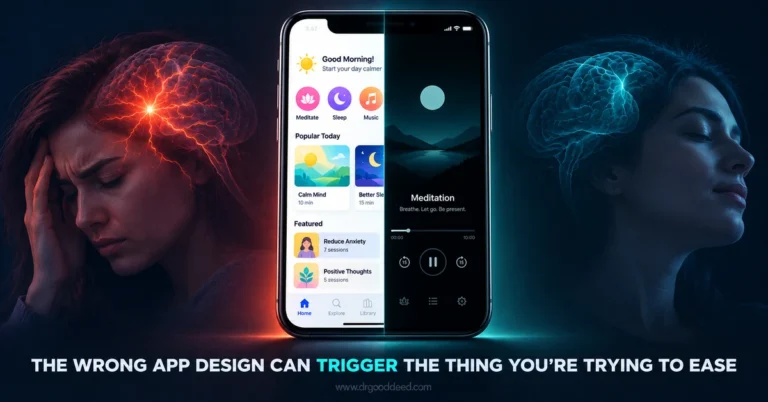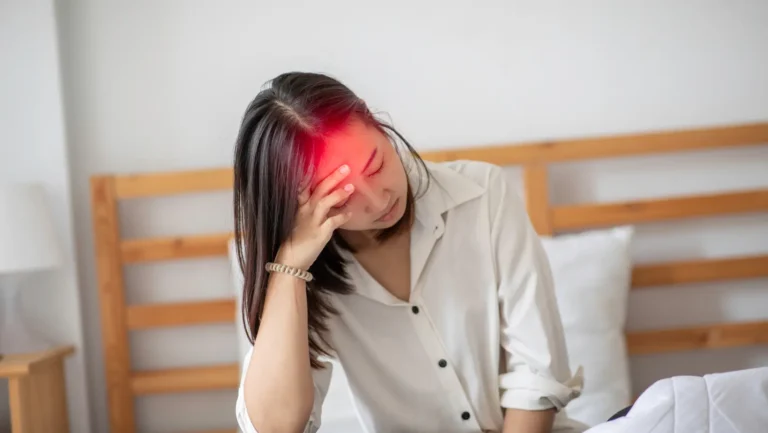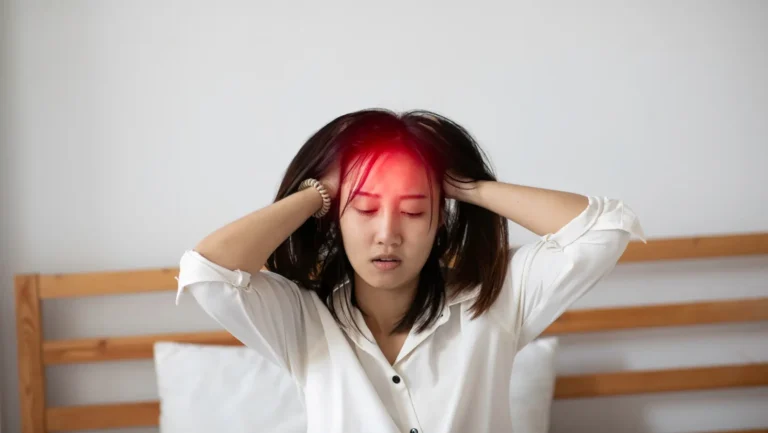

Migraine behind eyes describes intense, pulsating pain that feels like pressure or stabbing sensations located deep in or around one or both eyes. Roughly 60-70% of people with migraines report eye-related pain as a primary symptom. This pain results from the trigeminal nerve, which carries sensation from the face and eyes to the brain, becoming activated during migraine attacks. The nerve inflammation and blood vessel changes characteristic of migraines extend to the area surrounding the eyes, creating the distinctive deep, aching sensation.
The pain typically develops on one side, though bilateral (both sides) presentations occur in about 30% of cases. Eye pain from migraines differs from other headache types because it comes with additional symptoms like nausea, light sensitivity, and visual disturbances. The throbbing pain behind eyes migraine often intensifies with eye movement, bending over, or exposure to bright lights.
Why Migraines Cause Pain Behind the Eyes
The trigeminal nerve branches extensively through your face, including areas around and behind your eyes. During migraine attacks, this nerve releases inflammatory chemicals called neuropeptides that cause blood vessels to swell and become hypersensitive.
The ophthalmic branch of the trigeminal nerve specifically innervates the eye region, explaining why migraine behind the eyes feels so concentrated in this area. Blood vessel dilation in the small arteries surrounding the eyes intensifies pressure sensations, while nerve inflammation amplifies pain signals transmitted to the brain.
Key mechanisms include:
- Trigeminal nerve activation releases substance P and CGRP (calcitonin gene-related peptide)
- Blood vessel dilation around the eyes and in the meninges (brain coverings)
- Inflammation of the dura mater, the protective layer covering the brain
- Sensitization of pain pathways makes normal sensations feel painful
- Changes in serotonin levels affect both pain perception and vascular tone
- Cortical spreading depression, a wave of electrical activity across the brain
- Muscle tension in eye muscles and the surrounding facial muscles
- Increased intracranial pressure affects optic nerve function
The pain feels worse with eye movement because moving your eyes stretches the inflamed nerve fibers and surrounding tissues. Bright light exacerbates symptoms because the trigeminal nerve connects to light-processing areas in the brain, creating a direct pathway between visual stimulation and pain amplification.
Causes of Migraine Pain Behind Eyes
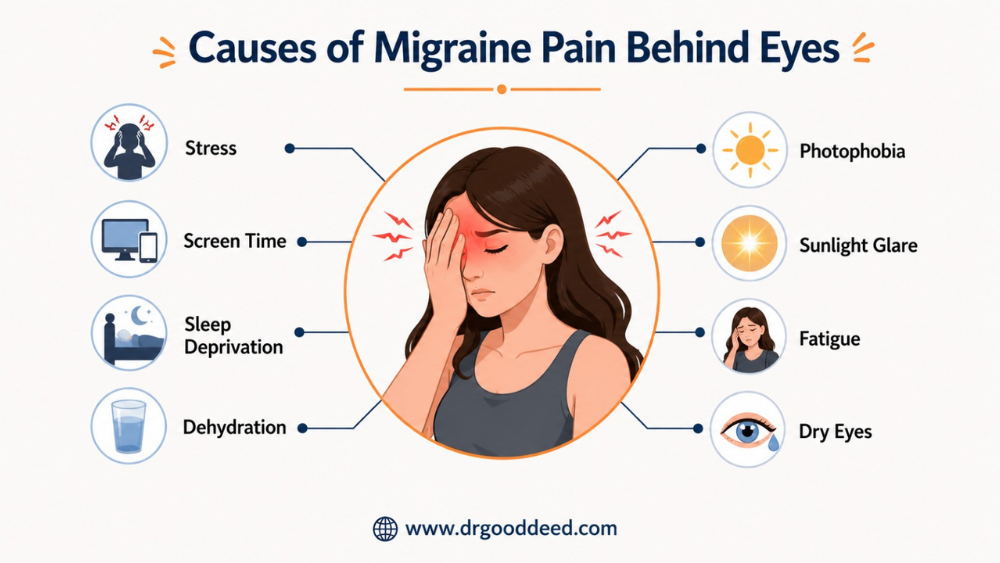
The causes of migraine pain behind eyes involve multiple triggers that activate the trigeminal nerve and provoke vascular changes in the eye region. Individual susceptibility varies based on genetics, stress levels, and environmental exposures. Understanding personal trigger patterns allows targeted prevention strategies.
Stress and Screen Time Migraine Causes
Stress causes migraine and screen time rank among the most common triggers in modern life. Chronic stress elevates cortisol levels, causing blood vessels to constrict then rapidly dilate. This vascular instability directly triggers migraine pain around the eyes. Work pressure, financial worries, and emotional conflicts all contribute to baseline stress that lowers your migraine threshold.
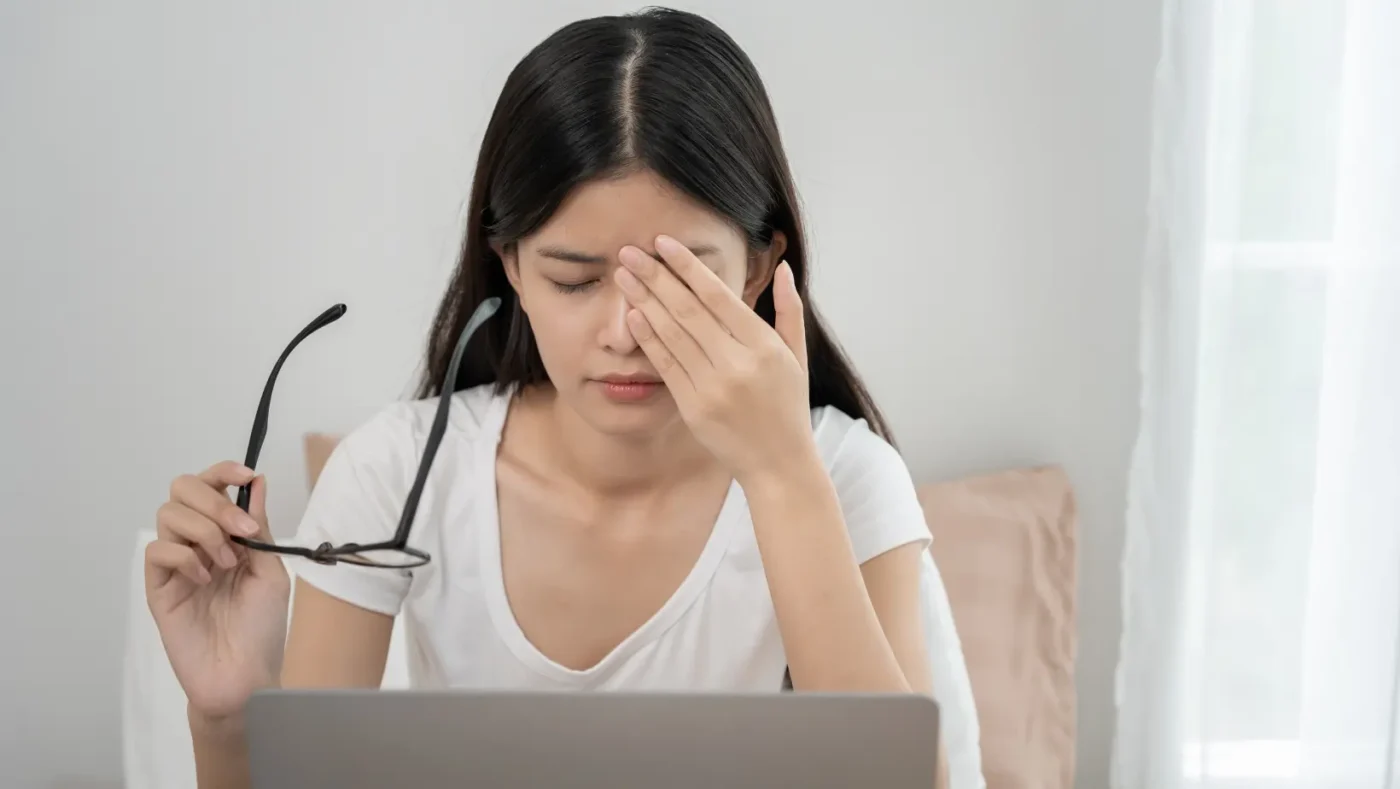
Digital screens emit blue light that disrupts circadian rhythms and strains eye muscles. Staring at monitors, phones, or tablets for extended periods causes eye muscle fatigue and reduces blinking frequency from 15-20 times per minute to just 5-7 times. This reduced blinking leads to dry eyes and increased eye strain. The combination of blue light exposure, prolonged focus at fixed distances, and reduced blinking creates perfect conditions for triggering migraine behind eyes.
Sleep Deprivation and Fatigue
Missing even one hour of your normal sleep can trigger a migraine the next day. Sleep deprivation disrupts neurotransmitter balance, particularly serotonin and dopamine, which regulate pain perception. Your pain threshold drops significantly when fatigued, making you vulnerable to triggers that normally cause no problems.
Poor sleep quality from frequent waking, sleep apnea, or restless sleep prevents deep restorative stages. The brain needs uninterrupted deep sleep to clear inflammatory waste products and reset pain pathways. Sleeping too much also triggers migraines in some people, creating a narrow window of optimal sleep duration typically between 7-9 hours.
Dehydration and Skipped Meals
Dehydration reduces blood volume by 5-10%, decreasing oxygen delivery to the brain and eyes. This reduced circulation triggers compensatory blood vessel dilation that can spark migraine pain. Your brain is 75% water, and even mild dehydration of 1-2% body weight affects brain function and increases headache susceptibility.
Blood sugar drops from skipped meals or extended gaps between eating trigger migraines within 2-4 hours. The brain requires constant glucose for energy, consuming roughly 20% of your body’s total glucose despite representing only 2% of body weight. When glucose levels fall, blood vessels dilate to increase blood flow, attempting to deliver more fuel.
Bright Light and Visual Overstimulation
Photophobia (light sensitivity) both accompanies and triggers migraines. Bright lights, flickering fluorescents, sunlight glare, and high-contrast visual patterns overstimulate the visual cortex. This overstimulation sends excessive signals through the trigeminal nerve, triggering pain around the eyes.
Certain light wavelengths, particularly blue and amber, prove more triggering than others. Fluorescent lights flicker at rates imperceptible to consciousness but detectable by your visual system, causing subtle eye strain that accumulates over hours. Computer screens, LED lights, and bright stores create environments that constantly challenge your visual system.
One Sided Headache Behind Eye Symptoms
One-sided headache behind eye symptoms characterize classic migraine presentation, with pain localizing to the left or right eye and surrounding area. This unilateral (one-sided) pattern occurs in roughly 60% of migraine cases.
The pain typically stays on the same side throughout an attack, though some people experience side-switching between episodes. Pressure builds behind the affected eye, often described as feeling like the eye might burst or someone is pushing on it from inside the skull.
Common accompanying symptoms include:
- Intense throbbing or pulsating pain synchronized with heartbeat
- Deep aching sensation behind the eyeball radiating to the temple
- Pain worsening with eye movement, bending forward, or lying flat
- Watering or tearing from the affected eye
- Drooping eyelid (ptosis) on the painful side
- Pupil size differences between the two eyes
- Redness or bloodshot appearance in the affected eye
- Sensitivity to light specifically in the affected eye
- Visual disturbances including blurred vision or blind spots
- Nausea and sometimes vomiting
- Neck stiffness on the same side as the eye pain
The unilateral nature helps distinguish migraine behind eyes from bilateral conditions like tension headaches or sinus infections. However, some migraines do affect both eyes simultaneously, creating pressure and pain around both orbital regions.
The pain intensity typically ranks 7-10 on a 10-point scale, severe enough to interrupt normal activities and often requiring lying down in a dark room.
How Screen Time Affects Eye-Related Migraines
Extended digital device use creates multiple pathways to trigger migraine behind eyes through mechanisms affecting both eyes and neurological function. Blue light from screens suppresses melatonin production, disrupting sleep quality and creating the sleep deprivation that independently triggers migraines.
Digital eye strain impacts include:
- Reduced blinking causing dry eyes and corneal irritation
- Constant accommodation (focusing) effort fatiguing ciliary eye muscles
- Blue light penetration reaching deeper eye structures than other wavelengths
- Fixed viewing distances preventing natural eye muscle variation
- Brightness and contrast levels forcing pupil constant adjustment
- Prolonged near-vision work causing convergence stress
- Glare and reflections requiring extra visual processing
- Rapid eye movements tracking scrolling content
- Poor monitor positioning creating awkward viewing angles
Taking 20-20-20 breaks reduces strain: every 20 minutes, look at something 20 feet away for 20 seconds. This simple practice allows eye muscles to relax from constant near-focus.
Adjusting screen brightness to match ambient lighting, using blue light filters, and positioning monitors slightly below eye level all help prevent migraine behind eyes triggered by screen exposure.
How to Relieve Migraine Behind Eyes
Learning to relieve migraine behind eyes requires combining immediate interventions with longer-term prevention strategies. Quick relief measures address active symptoms, while preventive approaches reduce future attack frequency and severity.
Resting in a Dark Quiet Room
Lying down in complete darkness removes visual stimulation that amplifies migraine pain. Light activates photoreceptors that send signals through pathways connecting to the trigeminal nerve. Blocking light input reduces this signal traffic and allows inflamed nerves to calm. Using blackout curtains or an eye mask creates the darkness needed.
Quiet environments prevent auditory overstimulation that can worsen symptoms. Sound waves activate pathways that intersect with migraine pain processing centers. Even low-level background noise like traffic or conversation can intensify discomfort. Using earplugs or white noise machines masks disruptive sounds while creating a soothing acoustic environment.
Cold Compresses and Hydration
Applying cold packs to your forehead, closed eyes, or back of the neck constricts blood vessels and numbs pain receptors. The cold temperature reduces inflammation and slows nerve signal transmission. Use a cloth-wrapped ice pack for 15 minutes, remove for 15 minutes, then reapply as needed. Never apply ice directly to skin.
Drinking 16-24 ounces of water immediately helps if dehydration contributed to the attack. Add a pinch of salt and squeeze of lemon to improve absorption. Electrolyte solutions restore mineral balance lost through vomiting if nausea accompanies your migraine. Small sips work better than gulping large amounts when nauseated.
Managing Screen Exposure During Attacks
Completely avoiding screens during active migraine behind eyes prevents further overstimulation. The blue light and visual processing demands worsen existing symptoms. If screen use cannot be avoided, reduce brightness to minimum usable levels, enable blue light filters, and increase text size to reduce eye strain.
Looking at phones or tablets during attacks extends recovery time significantly. The close viewing distance and bright backlighting create intense visual demands your compromised system cannot handle. Setting auto-responders for messages and delegating screen-dependent tasks allows proper rest.
Medications and Medical Guidance
Over-the-counter pain relievers like ibuprofen or naproxen work best when taken at the first sign of symptoms. Waiting until pain becomes severe reduces medication effectiveness. Combination medications containing caffeine sometimes enhance relief, though caffeine sensitivity varies individually.
Prescription triptans specifically target migraine mechanisms by constricting blood vessels and blocking pain pathways. Sumatriptan, rizatriptan, and other triptans abort attacks when taken early. Anti-nausea medications like ondansetron control vomiting and allow oral rehydration. Consult a doctor about preventive medications if experiencing four or more migraines monthly.
Warning Signs That Need Immediate Medical Attention
Most migraine behind-the-eyes episodes resolve without complications, but certain symptoms signal potentially serious conditions requiring emergency evaluation. Distinguishing routine migraines from dangerous situations can be lifesaving.
Sudden Severe Headache Onset
“Thunderclap headache” reaching maximum intensity within seconds suggests possible brain aneurysm rupture, bleeding, or blood clot. This differs from typical migraines that build gradually over 30-60 minutes. Any headache described as “the worst headache of my life” or fundamentally different from previous patterns needs emergency assessment.
First-time severe headaches after age 50 require evaluation since new migraine onset at this age is unusual. Progressive worsening over days or weeks rather than episodic patterns also warrants investigation for underlying conditions like tumors or infections.
Vision Loss or Neurological Symptoms
Sudden vision loss, double vision, or persistent blind spots lasting beyond typical aura duration (more than 60 minutes) may indicate retinal migraine, stroke, or other serious conditions. Temporary vision changes during migraine aura normally resolve within an hour; prolonged changes need immediate evaluation.
Weakness, numbness, difficulty speaking, confusion, or loss of coordination accompanying headache suggest stroke or other neurological emergencies. While migraines can cause temporary neurological symptoms (hemiplegic migraine), distinguishing this from stroke requires medical assessment.
Eye Redness With Severe Pain
Acute angle-closure glaucoma causes sudden severe eye pain with redness, blurred vision, and seeing halos around lights. This medical emergency can cause permanent vision loss within hours without treatment. The pain mimics migraine behind eyes but includes distinctive eye redness and pupil changes.
Conjunctivitis (pink eye) with severe pain, particularly if accompanied by vision changes, may indicate serious infection requiring treatment. Most pink eye causes mild discomfort, not the severe pain characteristic of acute glaucoma or orbital infections.
Confusion or Weakness
Mental status changes including confusion, disorientation, memory problems, or difficulty staying awake suggest serious brain conditions. Migraines rarely cause profound confusion; this symptom warrants emergency evaluation. Seizures accompanying headache also require immediate assessment.
One-sided weakness, facial drooping, or arm drift (inability to hold both arms up equally) indicate possible stroke. The FAST test (Face drooping, Arm weakness, Speech difficulty, Time to call 911) helps identify stroke symptoms requiring immediate intervention.
Common Triggers That Worsen Migraines Behind the Eyes
Specific environmental, dietary, and lifestyle factors consistently provoke migraine behind eyes in susceptible individuals. Identifying and avoiding personal triggers reduces attack frequency by 40-60% for most people. A single trigger might cause no problem, but combining stress with poor sleep and bright lights triggers an attack.
Frequent triggers include:
- Aged cheeses, processed meats, and fermented foods containing tyramine
- Alcohol particularly red wine, beer, and champagne
- Caffeine withdrawal when missing regular coffee or tea consumption
- Artificial sweeteners like aspartame in diet drinks
- MSG (monosodium glutamate) in Chinese food and packaged items
- Strong odors from perfumes, cleaning products, or gasoline
- Weather changes especially dropping barometric pressure
- Hormonal fluctuations during menstruation, ovulation, or menopause
- Intense physical exertion without proper warm-up
- High-altitude exposure reducing oxygen availability
- Medications including birth control pills and blood pressure drugs
- Temperature extremes both heat and cold exposure
Keeping a detailed trigger diary for 4-6 weeks reveals personal patterns. Note potential triggers for 24-48 hours before each episode, since delayed reactions complicate pattern recognition. Mobile apps designed for migraine tracking simplify recording and generate reports showing correlations between triggers and attacks.
FAQs
Why do migraines sometimes cause pain behind one eye?
The trigeminal nerve’s ophthalmic branch supplies sensation to one eye region. During migraine behind eyes, nerve activation typically affects one side, releasing inflammatory chemicals around that eye’s blood vessels. The unilateral pattern occurs because migraine spreading depression (brain electrical wave) usually starts on one hemisphere, activating nerve pathways on that side only.
Can stress and screen time trigger eye-related migraines?
Yes, stress and screen time cause migraines through multiple pathways. Stress elevates cortisol causing vascular instability, while screens emit blue light suppressing melatonin and reducing blinking from 15-20 to 5-7 times per minute. Combined with poor posture and prolonged near-focus, these factors activate trigeminal pathways triggering migraine behind eyes within 2-6 hours.
How is migraine eye pain different from sinus pressure?
Migraine behind eyes cause deep throbbing synchronized with heartbeat, worsens with movement, and includes nausea plus light sensitivity. Sinus pressure creates steady, dull ache across forehead and cheeks, worsens when bending forward, and produces thick nasal discharge. Migraines rarely cause colored mucus; sinus infections typically do. Location overlaps but symptom patterns differ distinctly.
What symptoms commonly occur with migraines behind the eyes?
One-sided headache behind eye symptoms include intense pulsating pain (7-10 severity), watering from the affected eye, pupil size differences, nausea, light sensitivity specifically in that eye, and vision disturbances like blind spots. Pain worsens with eye movement or bending. Roughly 60% experience unilateral symptoms, while 40% have bilateral eye pain.
Can dehydration worsen throbbing eye headaches?
Yes, dehydration reduces blood volume by 5-10%, decreasing oxygen delivery and triggering compensatory blood vessel dilation. This dilation directly causes the throbbing pain behind eyes migraine sensation. Even 1-2% body weight fluid loss affects brain function and lowers pain threshold. Drinking 16-24 ounces of water with electrolytes often provides relief within 30-60 minutes.
How can digital eye strain contribute to migraines?
Digital strain reduces blinking causing dry eyes, forces constant near-focus fatiguing ciliary muscles, and exposes eyes to blue light reaching deeper structures. Poor monitor positioning creates neck strain affecting trigeminal pathways. Spending 7-10 hours daily on screens creates chronic conditions triggering migraine behind eyes. The 20-20-20 rule prevents this: every 20 minutes, view 20 feet away for 20 seconds.
What home remedies may help relieve migraine pain behind the eyes?
To relieve migraine behind eyes, lie in complete darkness with cold compress on forehead for 15-minute intervals, drink 16-24 ounces of water with electrolytes, and avoid all screens. Gentle pressure on temples or eye area sometimes helps. Peppermint or lavender essential oils may reduce symptoms for some people. These work best when applied within 30 minutes of symptom onset.
When does headache pain behind the eye become an emergency?
Sudden severe onset reaching maximum intensity within seconds, vision loss lasting beyond 60 minutes, eye redness with severe pain suggesting glaucoma, confusion, weakness, or facial drooping indicating stroke all require immediate emergency care. First-time severe headache after age 50 or fundamentally different pain patterns also warrant urgent evaluation.
Are migraines behind the eyes linked to vision changes?
Yes, 25-30% experience visual aura before migraine behind eyes including flashing lights, zigzag lines, or blind spots lasting 10-60 minutes. During attacks, blurred vision, light sensitivity, and difficulty focusing occur commonly. Permanent vision loss is rare but temporary changes lasting hours accompany many episodes. Prolonged vision loss beyond typical aura duration requires emergency assessment.
What lifestyle habits may help prevent recurring eye migraines?
Maintain consistent 7-9 hour sleep schedules, drink 8-10 cups of water daily, eat balanced meals every 3-4 hours, practice the 20-20-20 screen rule, manage stress through daily relaxation exercises, avoid known dietary triggers, and wear sunglasses outdoors. These combined habits reduce migraine behind eyes frequency by 40-60% within 6-8 weeks of consistent application.