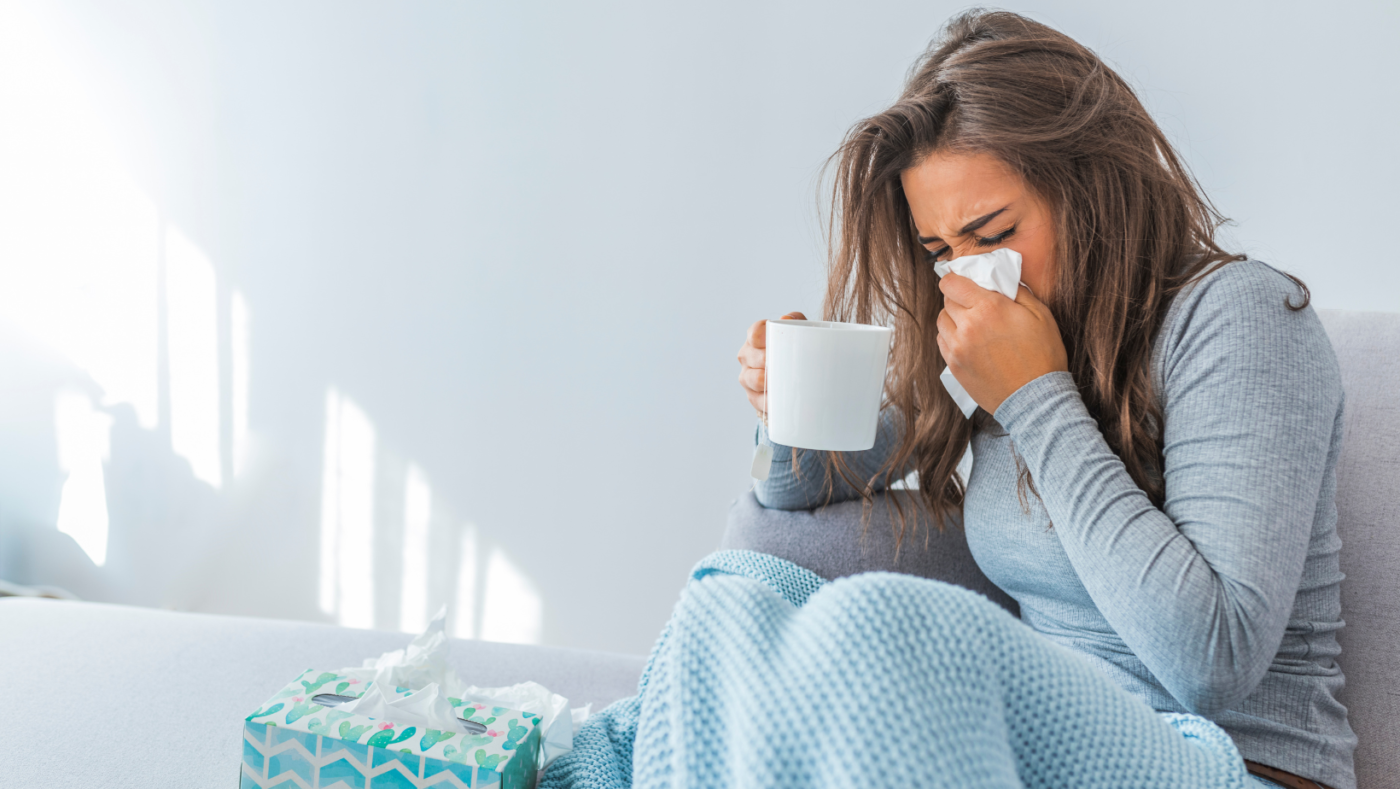

COPD (Chronic Obstructive Pulmonary Disease) is a lung condition that makes breathing harder over time. The airways get narrowed and damaged, so air gets trapped inside the lungs. It doesn’t heal on its own. But with the right treatment, most people slow its progress significantly.
Over 390 million people worldwide have COPD. It’s the third leading cause of death globally. Most cases are preventable. Smoking causes roughly 85% of them.
What causes COPD disease?
Cigarette smoking is the number one cause. Long-term exposure to air pollutants, chemical fumes, and dust at workplaces also causes it. In developing countries, cooking over open fires indoors is a major trigger. A rare genetic condition called Alpha-1 antitrypsin deficiency causes COPD even in non-smokers.
What are the first signs of COPD?
The earliest sign is a morning cough that produces mucus. Most people ignore it for years. A slight breathlessness during physical activity comes next. These early signs appear 10 to 20 years before the condition becomes severe. Smokers over 40 with a persistent cough should get lung function tested immediately.
What are 5 symptoms of COPD?
- Chronic cough with mucus
- Shortness of breath during basic activity
- Wheezing or a whistling sound when breathing
- Chest tightness
- Frequent respiratory infections like bronchitis or pneumonia
Fatigue and unintentional weight loss show up in later stages. Many patients experience all five simultaneously during a flare-up.
How to test yourself for COPD?
You can’t fully self-diagnose COPD at home. But the COPD Assessment Test (CAT) is a free 8-question online tool that scores your symptoms. A peak flow meter measures airflow at home. For confirmation, a spirometry test at a clinic measures exactly how much air your lungs hold and release.
What are the four stages of COPD?
COPD follows the GOLD staging system, based on lung function:
- Stage 1 (Mild): Lung function above 80% of normal. Mild cough.
- Stage 2 (Moderate): Lung function 50 to 79%. Breathlessness during exercise.
- Stage 3 (Severe): Lung function 30 to 49%. Daily activity becomes difficult.
- Stage 4 (Very Severe): Lung function below 30%. High risk of respiratory failure.
Is COPD life-threatening?
Yes. COPD becomes life-threatening in stages 3 and 4. Acute exacerbations (sudden worsening episodes) send thousands to the ICU every year. Respiratory failure is the main cause of COPD-related death. The condition also raises the risk of heart disease and lung cancer significantly.
Can you recover from COPD?
COPD is not reversible. The lung damage is permanent. But progression stops if you quit smoking immediately after diagnosis. Pulmonary rehabilitation improves breathing capacity and daily function. Patients who follow treatment consistently live longer with fewer hospitalizations. Recovery isn’t the goal. Stabilization and quality of life are.
How to live longer with COPD?
Quitting smoking is the single most effective step. It slows lung damage faster than any medication. Annual flu vaccines and pneumonia vaccines cut hospitalization rates sharply. Regular pulmonary rehab, maintaining a healthy weight, and avoiding air pollution all reduce flare-up frequency. Patients who do all four consistently outlive those who manage only one.
What is the best treatment for COPD?
Bronchodilator inhalers are the foundation of COPD treatment. They open narrowed airways and reduce breathlessness. For moderate to severe cases, doctors combine a long-acting beta-agonist (LABA) with a long-acting muscarinic antagonist (LAMA). Pulmonary rehabilitation adds physical conditioning. Oxygen therapy is prescribed when blood oxygen levels fall below 88%.
Which drug is best for COPD?
Tiotropium (brand name Spiriva) is the most widely prescribed COPD drug. It’s a once-daily LAMA inhaler that keeps airways open for 24 hours. For patients with frequent flare-ups, combining tiotropium with an inhaled corticosteroid and a LABA gives better control than any single drug alone.
What is the 3 medicine inhaler for COPD?
Triple therapy inhalers combine three drugs in one device: a LABA, a LAMA, and an inhaled corticosteroid (ICS). Trelegy Ellipta and Breztri Aerosphere are the two main approved triple inhalers. They reduce exacerbations better than dual therapy in patients with severe COPD and frequent flare-ups.
Which inhaler is best for shortness of breath?
For sudden breathlessness, short-acting bronchodilators work fastest. Salbutamol (Ventolin) is the most common rescue inhaler. It opens airways within 5 minutes and lasts 4 to 6 hours. IPRATROPIUM (Atrovent) is the alternative for patients who don’t tolerate salbutamol well. Both are used for immediate relief, not daily maintenance.
What is the best nebulizer medication for COPD?
Ipratropium bromide and albuterol combined in a nebulizer solution (Duoneb) is the standard choice for home nebulizer use in COPD. Nebulizers deliver medication more effectively than inhalers when someone is too breathless to use an inhaler properly. They’re most useful during flare-ups or in patients with severe stages.
What is the monthly injection for COPD?
Dupilumab (Dupixent) received FDA approval for COPD in 2024. It’s a biologic injection given every two weeks, not monthly. It targets type 2 inflammation in the lungs. Clinical trials showed it reduced exacerbations by 30% in patients with an eosinophilic COPD subtype. It’s prescribed for patients who don’t respond to triple therapy.
What is the latest treatment for COPD?
Dupilumab is the most significant recent addition. Bronchoscopic lung volume reduction (BLVR) using one-way valves placed inside airways is another newer option for emphysema patients. It improves breathlessness without open surgery. Researchers are also testing gene therapy targeting the SERPINA1 gene for Alpha-1 antitrypsin deficiency-related COPD.
What is the new drug for COPD in 2026?
Itepekimab (anti-IL-33 antibody) is in late-stage clinical trials as of 2026. It targets a specific inflammation pathway in the lungs and showed lung function improvements in phase 3 trials for ex-smokers with COPD. Approval is pending. It would be the second biologic approved for COPD after dupilumab.
What is the wonder drug for COPD?
No single drug cures COPD. But dupilumab comes closest to that label for a specific group, patients with high eosinophil counts in their blood. In those patients, it reduces severe flare-ups by nearly a third. Outside that subtype, triple inhaler therapy remains the closest thing to a comprehensive treatment approach.
What is the fastest relief for COPD?
Salbutamol (Ventolin) inhaler works within 5 minutes. During a severe flare-up in a hospital, intravenous corticosteroids and controlled oxygen therapy bring faster relief. At home, sitting upright in the pursed-lip breathing position (inhale through the nose for 2 counts, exhale slowly through pursed lips for 4 counts) reduces breathlessness quickly.
How to relieve COPD at home?
- Practice pursed-lip breathing during breathlessness episodes.
- Use a fan blowing cool air toward the face. It stimulates receptors that reduce the feeling of breathlessness.
- Keep a rescue inhaler within arm’s reach always.
- Sleep with the head slightly elevated.
- Avoid cold air exposure, which triggers airway spasms in most COPD patients.
What foods should COPD patients avoid?
Salty foods cause fluid retention and make breathing harder. Carbonated drinks inflate the stomach and push against the diaphragm, which limits lung expansion. Cruciferous vegetables like broccoli and cabbage cause bloating in some patients. Processed meats contain preservatives that trigger airway inflammation. Cold foods sometimes cause airway constriction in sensitive patients.