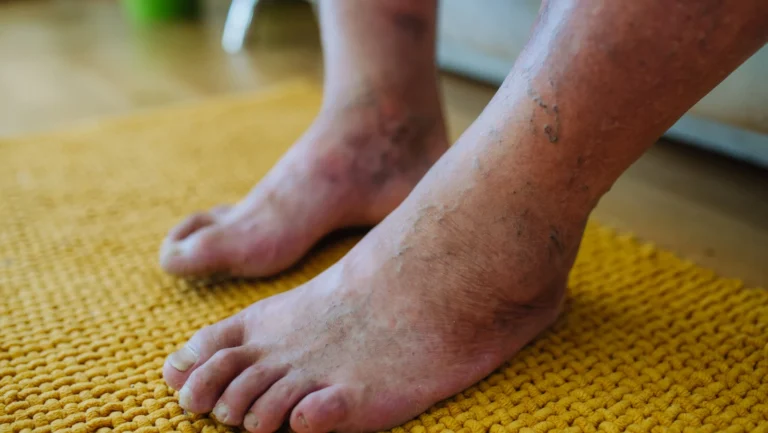

Skinny people can get diabetes. Being thin does not protect against diabetes. In the United States, approximately 15 to 20% of people diagnosed with type 2 diabetes have a normal or low BMI (body mass index). Type 1 or type 2 diabetes develops regardless of body weight. The bigger risk factors are genetics, hidden visceral fat (fat stored around internal organs), insulin resistance, and lifestyle habits, not the number on the scale.
Diabetes in Thin People Explained
Diabetes in thin people starts with a major misconception: diabetes is not a weight condition. It’s a metabolic condition. Metabolism is how your body processes energy and manages blood sugar. A thin person can have poor metabolism, poor insulin sensitivity, and dangerous internal fat accumulation despite a low body weight.
Skinny people can get type 2 diabetes. Research shows that South Asian and East Asian populations develop type 2 diabetes at significantly lower BMI thresholds than Western populations, often with little to no visible weight gain. This makes diabetes in thin people a critical public health conversation in the United States among immigrant and diverse communities.
Genetics and metabolic health predict diabetes risk far more accurately than body size. A lean person with a family history of diabetes, low physical activity, and a poor diet faces real diabetes risk.
Causes of Diabetes in Lean Individuals
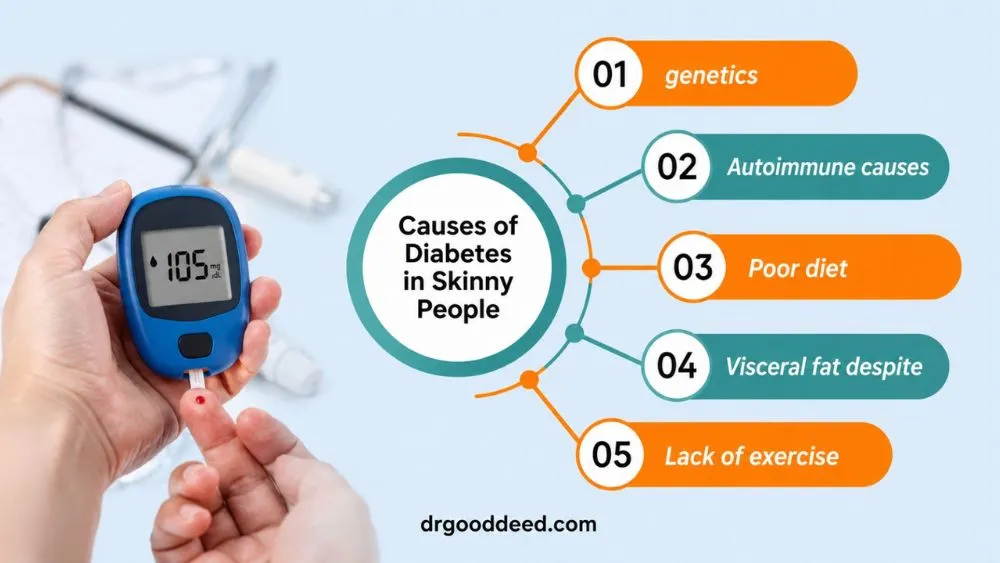
Skinny people can get diabetes from multiple causes. Causes of diabetes in lean individuals fall into several distinct categories that most articles overlook.
Family history and genetics: First-degree relatives with type 2 diabetes increase your risk by 40%, regardless of body weight. Genes controlling insulin secretion and beta cell function (cells that produce insulin) matter far more than BMI.
Visceral fat despite normal weight: Thin people can carry significant visceral fat wrapped around the liver, pancreas, and intestines while appearing lean externally. This is called metabolically obese normal weight (MONW). Visceral fat releases inflammatory chemicals that directly impair insulin function.
Poor diet and physical inactivity: A thin person eating refined carbohydrates daily and avoiding exercise develops insulin resistance over time, a core driver of diabetes in lean individuals.
Autoimmune causes (Type 1 diabetes): Type 1 is an autoimmune disease where the immune system destroys insulin-producing beta cells. Body weight is completely irrelevant. Understanding type 1 vs type 2 diabetes in skinny people is essential: Type 1 cannot be prevented by lifestyle changes. Lean Type 2 often can.
Why Thin People May Still Develop Insulin Resistance
Skinny people can get diabetes through insulin resistance alone. Insulin resistance in lean people often goes undetected for years while metabolic dysfunction builds internally.
Three mechanisms drive this:
- Ectopic fat storage: When the body lacks adequate subcutaneous fat (fat under the skin), extra dietary fat stores in the liver and muscle tissue. Fat inside the liver directly reduces insulin sensitivity.
- Low muscle mass: Muscle is the body’s largest glucose storage organ. Thin people with low muscle mass (called “skinny fat”) have fewer sites to absorb blood glucose, meaning blood sugar stays elevated longer after meals.
- Chronic stress and poor sleep: Both raise cortisol, which signals the liver to release glucose and increases insulin resistance. Thin people under chronic stress can develop prediabetes without ever gaining weight.
Diabetes Symptoms in Skinny People
Diabetes symptoms in skinny people often go unnoticed longer than in overweight individuals because doctors and patients both underestimate the risk. Watch for these specific signs:
- Frequent urination: High blood sugar forces the kidneys to filter excess glucose into urine, pulling water with it. This creates a cycle of frequent urination and thirst.
- Unexplained fatigue: Cells can’t absorb glucose properly without functioning insulin. Despite eating, the body runs low on cellular energy.
- Sudden unintentional weight loss: A hallmark of type 1 diabetes. When the body can’t use glucose, it burns fat and muscle for fuel instead. Rapid unexplained weight loss in a thin person warrants immediate blood sugar testing.
- Blurred vision: High blood sugar causes without diabetes fluid shifts in the eye lenses, temporarily distorting vision.
- Increased hunger despite eating: Cells starved of glucose send constant hunger signals even when caloric intake is normal.
Diabetes symptoms in skinny people are identical to symptoms in overweight people. The disease doesn’t change its presentation based on body size.
Early Warning Signs Often Missed in Lean Individuals
The subtler diabetes symptoms in skinny people that get dismissed as stress or overwork:
- Feeling sleepy after meals: Blood sugar spikes and crashes after carbohydrate-heavy meals cause energy crashes. In lean individuals, this is often attributed to portion size or poor sleep rather than insulin dysregulation.
- Slow wound healing: High blood sugar impairs blood vessel function and immune response, slowing healing of even minor cuts. Many thin people with undiagnosed diabetes notice this first.
- Low energy throughout the day: Persistent low energy in someone who eats well and isn’t overweight is a red flag for impaired glucose metabolism.
- Tingling in hands or feet: Nerve damage (neuropathy) can begin in prediabetes, before a formal diabetes diagnosis. This occurs in lean individuals just as readily as in overweight ones.
Skinny people can get diabetes and miss the signs. These early warnings are frequently attributed to other causes, delaying diagnosis by months or years.
Risk Factors Beyond Body Weight
Skinny people can get diabetes if they maintain a healthy weight but have other risk factors. These factors increase risk independent of BMI:
- Family history of type 1 or type 2 diabetes (first-degree relatives increase risk by 40 to 50%)
- Age over 45, even in lean individuals
- Sedentary lifestyle (sitting more than 8 hours per day raises insulin resistance measurably)
- Chronic poor sleep (under 6 hours nightly raises fasting blood sugar in healthy-weight adults)
- High psychological stress sustained over months or years
- Polycystic ovarian syndrome (PCOS) in lean women, a condition linked to insulin resistance regardless of weight
- Ethnicity: South Asian, East Asian, Hispanic, and Black Americans develop type 2 diabetes at lower BMIs than white Americans
- History of gestational diabetes in lean women
Understanding type 1 vs type 2 diabetes in skinny people also matters here: for Type 1, genetic autoimmune markers (like HLA gene variants) determine risk far more than any lifestyle factor.
Tips to Reduce Diabetes Risk
Tips to reduce diabetes risk for lean individuals focus on metabolic health, not weight loss.
Regular physical activity: Resistance training (weightlifting, resistance bands) builds muscle mass, the body’s primary glucose storage organ. More muscle means more sites to absorb blood sugar after meals. Aim for at least 2 to 3 strength training sessions weekly. Daily walking, especially after meals, lowers post-meal blood sugar by 20 to 30 mg/dL on average.
Balanced, low-sugar diet: Thin people who eat high amounts of refined carbohydrates (white rice, bread, sugary drinks, pastries) drive repeated blood sugar spikes, wearing out insulin response over time. Replacing refined carbs with fiber-rich whole grains, legumes, vegetables, and protein reduces this burden significantly.
Maintaining muscle mass: “Skinny fat” (low muscle, normal weight) raises diabetes risk more than most people realize. Protein intake of 1.0 to 1.2 grams per kilogram of body weight daily supports muscle maintenance in lean individuals.
Sleep quality: Consistent 7 to 9 hours of sleep nightly reduces cortisol, improves insulin sensitivity, and lowers fasting blood sugar. For lean adults with a family history of diabetes, sleep is as important a protective factor as diet.
Annual blood sugar screening: Blood sugar testing (HbA1c and fasting glucose) for lean adults over 35, or earlier with risk factors, catches prediabetes before it progresses. These are the most practical tips to reduce diabetes risk for thin people who wrongly assume they’re protected.
FAQs
Can a person with normal body weight still have insulin resistance?
Yes. Insulin resistance occurs in people of all body sizes. Lean individuals with low muscle mass, high visceral fat, poor sleep, or a diet heavy in refined carbohydrates develop insulin resistance just as readily as overweight individuals. A normal BMI provides no guarantee of metabolic health.
Why do some thin people develop Type 2 diabetes?
Causes of diabetes in lean individuals include genetics, visceral fat (despite low external weight), low muscle mass, sedentary behavior, and chronic stress. Thin people from South Asian, East Asian, or Hispanic backgrounds face significantly higher type 2 diabetes risk at lower BMI levels than white Americans.
Is visceral fat dangerous even in lean individuals?
Yes. Visceral fat, fat stored around internal organs like the liver and pancreas, releases inflammatory hormones that impair insulin function directly. A lean person with excess visceral fat faces the same metabolic risks as an overweight person. Waist circumference over 35 inches (women) or 40 inches (men) signals visceral fat risk.
How do symptoms of diabetes appear in skinny people?
Diabetes symptoms in skinny people include frequent urination, extreme thirst, unexplained fatigue, sudden weight loss, and blurred vision. In Type 1 diabetes, symptoms appear rapidly over days or weeks. In lean Type 2, they develop gradually over months and are often misread as stress or overwork.
Can poor sleep and stress increase diabetes risk without weight gain?
Yes. Poor sleep (under 6 hours nightly) raises cortisol and fasting blood sugar measurably, even in lean adults. Chronic psychological stress activates the same cortisol pathway, increasing liver glucose output daily. Both factors increase insulin resistance and diabetes risk independent of body weight.
What is the difference between Type 1 and lean Type 2 diabetes?
Type 1 vs type 2 diabetes in skinny people comes down to cause. Type 1 is autoimmune: the immune system destroys insulin-producing cells. Onset is rapid, often in childhood or young adulthood. Lean Type 2 develops slowly through insulin resistance from lifestyle, genetics, and visceral fat. Type 1 requires lifelong insulin. Some lean Type 2 cases respond to lifestyle change alone.
Are blood sugar spikes possible in people who are not overweight?
Yes. Skinny people can get diabetes or prediabetes without realizing it. Blood sugar spikes occur in lean people who eat high-glycemic foods (white rice, bread, sugary drinks, pastries). These spikes cause post-meal fatigue, hunger, and over time, progressive insulin resistance leading to prediabetes and then type 2 diabetes.
How often should healthy-weight adults check blood sugar levels?
Adults over 45 should get an HbA1c and fasting glucose test at least every 3 years. Lean adults with risk factors (family history, sedentary lifestyle, poor sleep, PCOS, ethnicity-based risk) should test annually starting at age 35 or earlier. Home glucose monitors can track post-meal responses in between clinical tests.
Can muscle mass improve insulin sensitivity?
Yes. Muscle is the body’s largest glucose absorber. More muscle mass means cells pull more glucose from the blood after every meal, reducing the burden on insulin. Resistance training 2 to 3 times per week improves insulin sensitivity measurably within 4 to 8 weeks, regardless of body weight.
What lifestyle habits matter most for preventing diabetes in thin people?
The most effective tips to reduce diabetes risk for lean individuals: build muscle through strength training, replace refined carbohydrates with fiber-rich whole foods, sleep 7 to 9 hours nightly, manage chronic stress actively, and get annual blood sugar screening. Being thin doesn’t mean being protected; metabolic health requires deliberate maintenance.