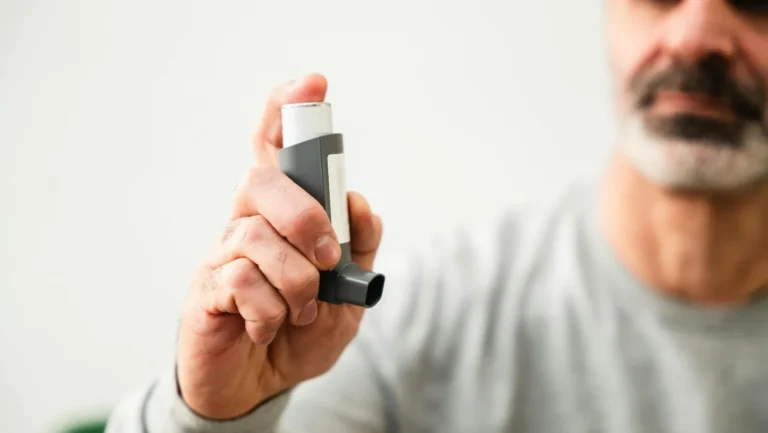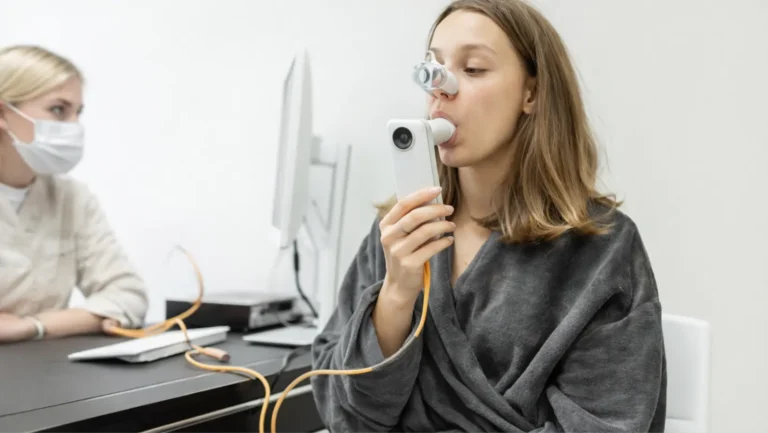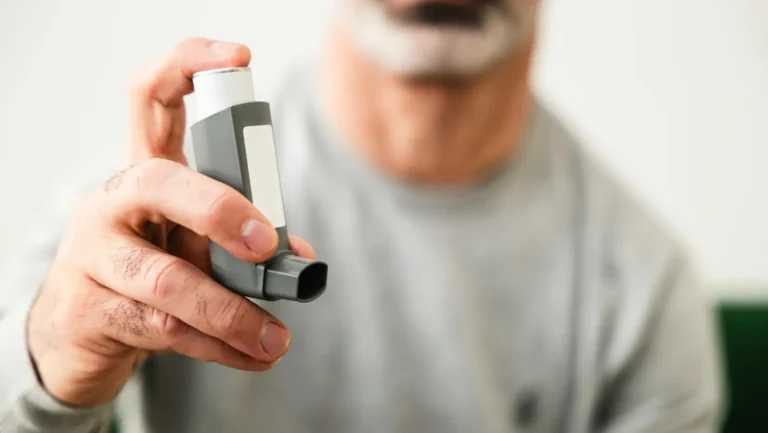

COPD cannot be reversed. The structural damage COPD causes to lungs is permanent. But symptoms can improve significantly, lung function can stabilize, and progression can slow dramatically with the right actions. You cannot reverse COPD, but you can manage COPD. COPD is not reversible.
Can COPD Be Reversed or Permanently Cured
COPD cannot be reversed in a clinical sense. No drug, surgery, or lifestyle change rebuilds destroyed alveoli. Symptoms, inflammation, and lung efficiency all respond to treatment. The goal is stopping the disease from getting worse and getting your functional capacity back.
Why COPD Damage Is Considered Irreversible
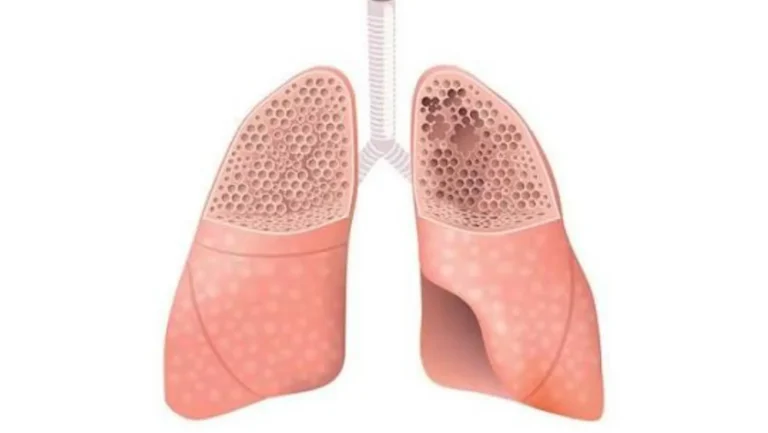
Alveoli are the tiny air sacs that transfer oxygen into your blood. COPD destroys them. Dead alveoli don’t grow back. The airways also thicken and narrow permanently. Once scar tissue forms in the airway walls, no medication dissolves it. This is the biological ceiling that makes a full cure impossible with current medicine.
Difference Between Damage vs Symptoms
Damage is structural. Symptoms are functional. Airway inflammation, which causes mucus overproduction, responds to inhalers. Muscle weakness from inactivity responds to exercise. Breathlessness from poor breathing technique responds to pulmonary rehab. Treating symptoms doesn’t reverse the damage, but it changes how that damage affects your daily life.
What “Reversal” Really Means Medically
In medicine, reversal means returning to a pre-disease baseline. COPD cannot do that. What doctors do aim for is disease modification, slowing FEV1 decline, reducing exacerbation frequency, and improving exercise tolerance. Some patients experience measurable FEV1 improvement after quitting smoking and starting rehab. That’s functional improvement, not structural reversal.
Can Lung Tissue Regenerate or Not
Lung tissue has very limited regenerative capacity in adults. Research into stem cell-based alveolar regeneration is ongoing, including work published in journals like Nature Medicine, but no approved therapy currently rebuilds lost alveolar tissue in COPD patients. This remains an area of active research, not clinical practice yet.
Airway Damage in COPD Recovery Potential
Airway damage in COPD recovery potential depends on which type of damage you’re talking about. Some airway changes respond well to treatment. Others are fixed.
Structural Lung Damage Explained
Two types of damage occur in COPD. First, small airway disease, where airway walls thicken and scar, narrowing the passage. Second, emphysema, where alveolar walls break down, creating large air pockets that trap stale air. Small airway inflammation responds to bronchodilators. Emphysema does not.
Alveoli Destruction and Airflow Limitation
When alveolar walls collapse, the lung loses its elastic recoil. Normally, this recoil pushes air out when you exhale. Without it, air stays trapped. This is why COPD patients breathe with a “barrel chest” posture, their lungs are chronically over-inflated trying to compensate.
Inflammation vs Permanent Damage
Airway inflammation is active and ongoing. It’s driven by immune cells responding to smoke, pollution, or infection. This inflammation is treatable with inhaled corticosteroids and long-acting bronchodilators. When inflammation reduces, airways open slightly, and breathing improves. The scar tissue underneath stays. The inflammation on top responds.
What Part of COPD Is Still Reversible
- Airway inflammation: responds to inhaled steroids
- Mucus hypersecretion: reduces after smoking cessation
- Breathing muscle weakness: improves with pulmonary rehab
- Dynamic hyperinflation during exercise: improves with bronchodilators
These are functional improvements within a structurally damaged lung. Real, measurable, and worth pursuing.
Can Early-Stage COPD Be Reversed
Early-stage COPD cannot be reversed fully. But Stage 1 is the only stage where FEV1 decline can be slowed to near-normal aging rates. Acting at Stage 1 genuinely changes the disease trajectory in a way that Stage 3 or 4 intervention cannot.
What Happens in Stage 1 COPD
FEV1 is still above 80% of normal. Small airways are narrowed, but alveoli are largely intact. Most patients have minimal symptoms. This is the window where aggressive intervention, specifically quitting smoking, produces the greatest long-term benefit.
Window for Slowing or Stopping Progression
The Lung Health Study, a major U.S. clinical trial involving 5,887 smokers with early COPD, showed that patients who quit smoking at Stage 1 and 2 had FEV1 decline rates that were nearly identical to healthy non-smokers within 5 years of quitting. That’s the closest thing to reversal that current medicine offers.
Impact of Quitting Smoking Early
Quitting smoking reduces airway inflammation within weeks. Within 3 months, mucus production drops. FEV1 decline slows from 60–80 ml per year in active smokers to 20–30 ml per year in ex-smokers. At Stage 1, that difference means 15–20 extra years of preserved lung function.
Realistic Outcomes in Early Diagnosis
Patients diagnosed at Stage 1 who quit smoking and start pulmonary rehab have near-normal life expectancy. FEV1 may not improve dramatically, but the rate of worsening normalizes. That’s a better outcome than most people expect when they hear “COPD.”
Can COPD Symptoms Be Reduced
COPD symptoms can be reduced substantially. Symptoms are the most treatable part of COPD. Even in Stage 3 and 4, the right combination of inhalers, rehab, and lifestyle changes reduces breathlessness, cough frequency, and fatigue measurably.
COPD symptoms can be partially reduced with medication alone. Inhalers address airway constriction. But breathlessness from muscle deconditioning, poor posture, and anxiety all require non-drug approaches. Patients who combine medication with pulmonary rehab report significantly better symptom control than those using inhalers alone.
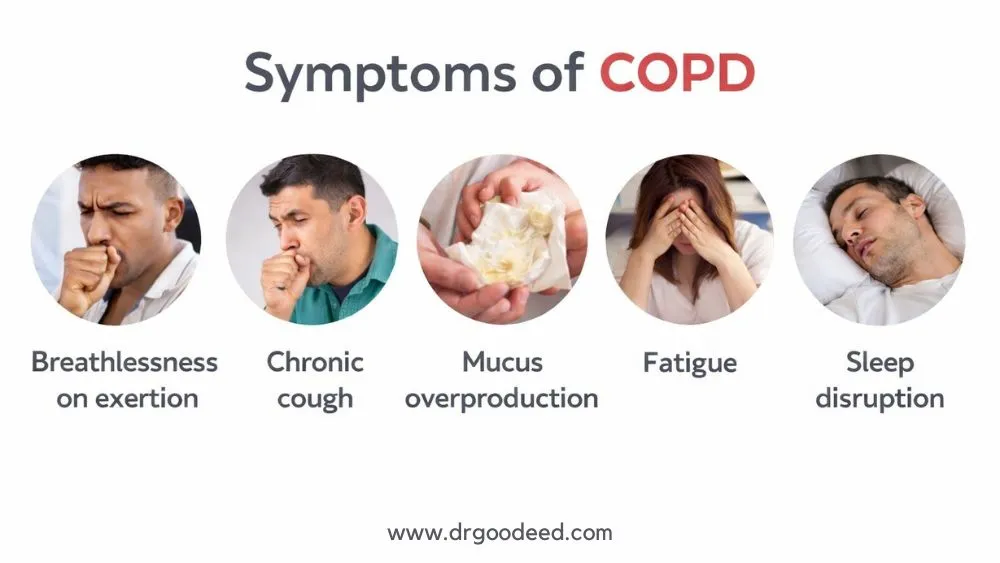
Symptoms that respond well to treatment include:
- Breathlessness on exertion: improves with LABA + LAMA inhalers and exercise rehab
- Chronic cough: reduces after smoking cessation within 4–8 weeks
- Mucus overproduction: decreases with airway clearance techniques and hydration
- Fatigue: improves with structured low-intensity exercise programs
- Sleep disruption: improves with nocturnal oxygen therapy if SpO2 drops at night
Lung Function Improvement in COPD
Lung function improvement in COPD is possible in a limited but clinically meaningful way. FEV1 rarely returns to pre-disease levels, but stabilization and modest improvement are documented in early-stage patients after smoking cessation.
Can FEV1 Levels Improve or Stabilize
FEV1 improves acutely after bronchodilator use, typically by 12% or more in COPD patients with a reversible component. This reversibility doesn’t mean the disease is reversing. It means the airways opened temporarily.
Long-term FEV1 stabilization, where annual decline slows significantly, is achievable after quitting smoking and starting consistent medication.
Role of Pulmonary Rehabilitation
Pulmonary rehab doesn’t improve FEV1 directly. It improves how efficiently your body uses the lung capacity you have. Patients who complete an 8-week pulmonary rehab program walk further, report less breathlessness, and have fewer hospital admissions. A 2022 Cochrane review confirmed rehab reduces hospitalizations by 38% in COPD patients.
Breathing Exercises and Lung Efficiency
Pursed lip breathing slows exhalation and reduces air trapping. Diaphragmatic breathing strengthens the main breathing muscle. Both techniques are taught in pulmonary rehab and reduce breathlessness scores measurably within weeks. They don’t rebuild lung tissue, but they change how the existing tissue performs.
Oxygen Therapy Impact
Long-term oxygen therapy prescribed for patients with resting SpO2 at or below 88% extends survival. It doesn’t restore FEV1 or reverse damage. It prevents the cardiac complications of chronic low oxygen, particularly cor pulmonale, and reduces the rate of hospitalizations.
Lifestyle Changes to Improve COPD
Lifestyle changes to improve COPD produce the biggest functional gains when started early, but they deliver measurable benefits even at Stage 3.
Smoking Cessation
Quitting smoking is the single most effective intervention in COPD. No inhaler, surgery, or supplement slows FEV1 decline as effectively. Varenicline (Chantix) and nicotine replacement therapy are both evidence-based options. Combined behavioral support with medication achieves quit rates of 25–35% at one year.
Exercise and Pulmonary Rehab Programs
Exercise strengthens leg muscles and reduces breathlessness during walking. This matters because COPD patients often avoid movement due to breathlessness, which worsens muscle loss, which worsens breathlessness. Pulmonary rehab breaks this cycle. It starts with supervised low-intensity activity and builds gradually. Even patients with Stage 4 COPD tolerate and benefit from it.
Nutrition and Weight Management
Both obesity and underweight status worsen COPD outcomes. Obese patients carry extra load that increases oxygen demand. Underweight patients (BMI below 21) have worse survival odds in COPD; muscle wasting accelerates breathlessness. A dietitian familiar with respiratory disease helps patients find the right target range.
Avoiding Triggers and Pollutants
Indoor air quality affects COPD directly. Gas stoves, mold, and secondhand smoke all trigger inflammation. HEPA air purifiers reduce indoor PM2.5 significantly. Outdoor air quality apps like AirVisual give real-time pollution levels that help patients decide when to stay indoors.
Medical Treatments That Slow COPD Progression
Bronchodilators and Inhaled Steroids
LABAs (long-acting beta-agonists) and LAMAs (long-acting muscarinic antagonists) relax airway muscles and keep airways open for 12–24 hours. Combined LABA + LAMA therapy reduces exacerbations by 25% compared to single-agent bronchodilators. Inhaled corticosteroids (ICS) help people who have a lot of flare-ups by reducing inflammation.
Combination Inhaler Therapies
Triple therapy, LABA + LAMA + ICS in one inhaler (such as Trelegy Ellipta), is the current standard for Stage 3–4 patients with frequent exacerbations. It reduces hospitalizations and improves quality-of-life scores in clinical trials.
Vaccination and Infection Prevention
Each respiratory infection causes permanent additional damage. Annual influenza vaccination reduces COPD exacerbations by 30–40%. Pneumococcal vaccination (PCV20 or PPSV23) reduces pneumonia risk. The GOLD guidelines recommend COVID-19 vaccination due to the severe impact respiratory viruses have on COPD patients.
Advanced Treatments (Oxygen, Surgery)
Bronchoscopic lung volume reduction (BLVR) using endobronchial valves is an option for Stage 3–4 patients with upper-lobe emphysema and no collateral ventilation. It reduces hyperinflation and improves 6-minute walk distance. Results from the LIBERATE trial showed sustained FEV1 improvement at 12 months post-procedure.
What Actually Worsens COPD Faster
- Continued smoking or vaping: Both maintain chronic airway inflammation. Vaping is not a safe alternative; nicotine and acrolein in vapor both damage airways.
- Air pollution exposure: Long-term PM2.5 above 10 µg/m³ accelerates FEV1 decline, based on WHO air quality data.
- Poor medication adherence: Missing bronchodilator doses for 3 or more consecutive days raises exacerbation risk significantly.
- Frequent respiratory infections: Bacterial infections like Haemophilus influenzae and Moraxella catarrhalis are the most common exacerbation triggers and leave residual scar tissue after each episode.
Can You Live a Normal Life with COPD
Yes, with the right adjustments. Stage 1 and early Stage 2 patients who quit smoking and follow treatment often maintain near-normal activity levels for years. The definition of “normal” shifts at Stage 3 and 4, but independence and quality of life are still achievable with structured management.
Mild vs Severe COPD Lifestyle Differences
Stage 1–2 patients work, exercise, and travel with minimal restrictions. Stage 3 patients adjust their pace and plan activities around energy levels. Stage 4 patients focus on conserving energy and often rely on supplemental oxygen during activity.
Long-Term Prognosis by Stage
Stage 1–2 patients who quit smoking have near-normal life expectancy. Stage 3 median survival is 8–10 years post-diagnosis. Stage 4 median survival is 2–5 years, but outliers who adhere well to treatment consistently beat these averages.
Daily Management Strategies
- Take morning bronchodilators before activity to pre-open airways
- Use pursed lip breathing during exertion
- Eat smaller meals more frequently (large meals push the diaphragm up, worsening breathlessness)
- Schedule physically demanding tasks during peak energy hours, usually mid-morning
Mental Health and COPD
Depression affects 40% of Stage 4 COPD patients. Anxiety affects 36% of all COPD patients, per the American Thoracic Society data. Both worsen breathlessness perception and reduce treatment adherence. Cognitive behavioral therapy (CBT) and mindfulness-based stress reduction programs have clinical evidence for improving COPD-related anxiety specifically.
When COPD Becomes Life-Threatening
COPD becomes immediately dangerous when acute exacerbations cause respiratory failure, or when chronic oxygen deprivation starts damaging the heart. This is not a gradual warning. It happens fast.
Seek emergency care immediately if:
- Lips, fingernails, or skin turn bluish or grayish
- Breathlessness doesn’t improve after using a rescue inhaler
- Confusion or extreme drowsiness develops suddenly
- Breathing becomes very fast and shallow at rest
- Chest pain accompanies breathlessness
These signs indicate oxygen levels have fallen to dangerous levels or carbon dioxide is building up in the blood. Both require immediate hospital intervention.
Frequently Asked Questions
Can COPD ever fully go away?
No. COPD cannot be reversed completely. Destroyed alveoli and airway scarring are permanent. No current approved treatment rebuilds lost lung tissue. Symptoms can improve significantly, and progression can slow, but the underlying disease remains.
Can lungs heal after quitting smoking?
Partially. Airway inflammation drops within 3 months of quitting. Mucus production decreases. FEV1 decline slows to near-normal aging rates. Alveoli already destroyed by emphysema don’t regenerate. The lungs improve functionally; they don’t repair structurally.
How long can COPD stay mild?
Stage 1 patients who quit smoking and avoid pollutant exposure can remain in Stage 1 for 15–20 years. Patients who continue smoking typically advance one stage every 5–7 years, though frequent exacerbations accelerate this significantly.
Can exercise improve lung capacity?
Exercise doesn’t improve FEV1 or rebuild alveoli. It improves how efficiently your body uses existing lung capacity. A structured 8-week pulmonary rehab program increases 6-minute walk distance by an average of 35–50 meters in moderate-to-severe COPD patients.
What is the best treatment for COPD?
Quitting smoking is the most effective treatment for slowing FEV1 decline. For symptom management, LABA + LAMA combination inhalers outperform single-agent bronchodilators. Triple therapy (LABA + LAMA + ICS) is the standard for Stage 3–4 patients with frequent exacerbations.
Is COPD always progressive?
Yes, in active smokers. Lung Health Study data shows Stage 1–2 patients who quit smoking can maintain stable FEV1 for years, with decline rates matching healthy non-smokers. Progression is not inevitable; it’s heavily behavior-dependent.
Can oxygen therapy reverse COPD?
No. Oxygen therapy doesn’t repair damaged lungs or improve FEV1. It prevents the cardiac complications of chronic low oxygen, specifically right heart failure (cor pulmonale), and extends survival in Stage 4 patients with resting SpO2 at or below 88%.
What stage of COPD is reversible?
No stage is truly reversible in structural terms. Early-stage COPD can be reversed functionally. Stage 1 offers the closest outcome to reversal, with FEV1 decline slowing to near-normal rates after smoking cessation. Functional improvements are possible at every stage.
Can young people recover from COPD?
Young patients with COPD, especially those with alpha-1 antitrypsin (AAT) deficiency diagnosed before 45, respond well to augmentation therapy with AAT protein infusions, which slows emphysema progression. Quitting smoking at a younger age also produces greater long-term FEV1 preservation compared to older patients.
How fast does COPD worsen?
In active smokers, FEV1 drops 60–80 ml per year. Ex-smokers decline at 20–30 ml per year. Each moderate-to-severe exacerbation adds 30–40 ml of extra decline. Three or more hospitalizations in a year correlates with 5-year survival below 50%