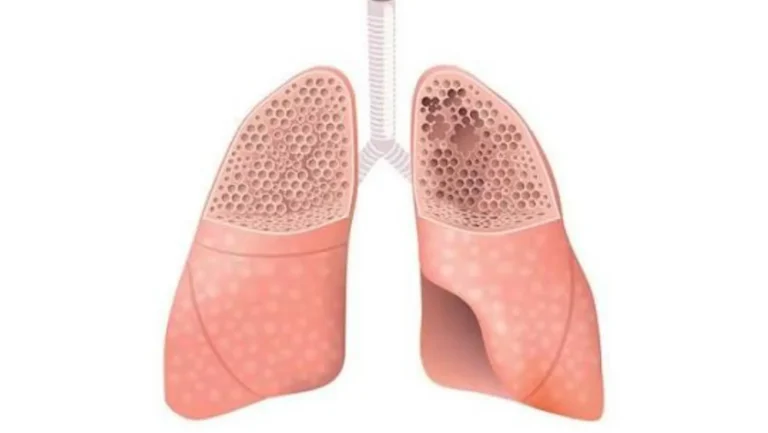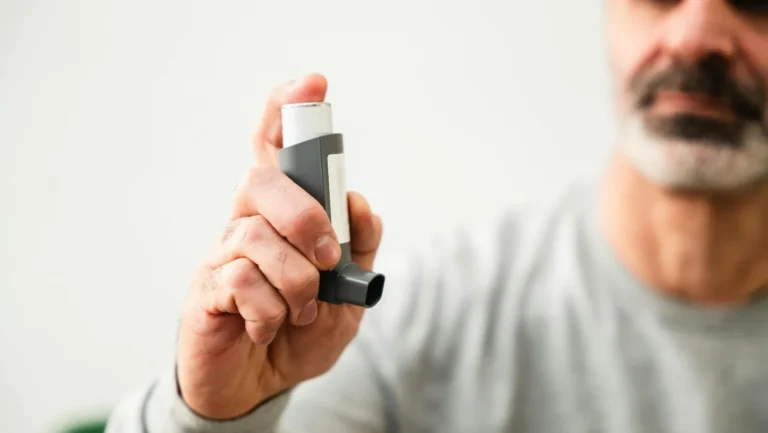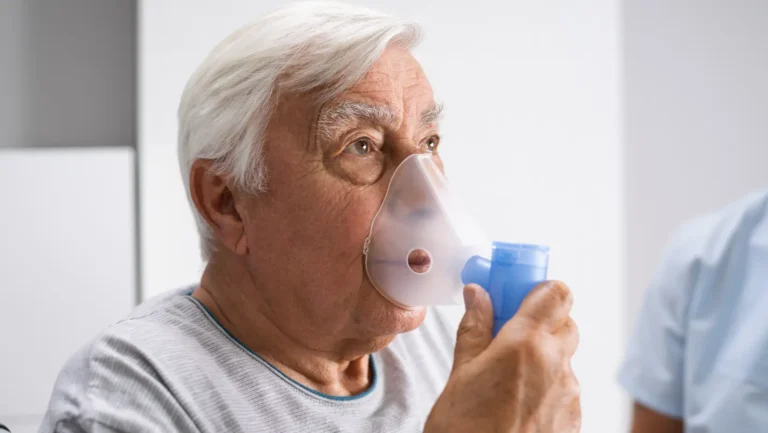

COPD is not contagious. COPD is a chronic lung disease caused by long-term damage to the airways and air sacs. No virus, bacteria, or physical contact transfers it from one person to another.
COPD patients cough constantly, produce mucus, and sometimes get very sick quickly. But COPD is not an infection. What spreads between people are the respiratory infections that make COPD worse.
Protecting against those infections, through vaccination, good hygiene, and early treatment of flare-ups, protects both the COPD patient and the people around them.
Is COPD Contagious or Infectious
COPD is not contagious. COPD belongs to a category of chronic diseases, meaning it develops slowly from sustained damage to the lungs over years. It does not spread through coughing, touching, breathing shared air, or any form of contact with a COPD patient.
COPD Is Not Contagious
COPD stands for Chronic Obstructive Pulmonary Disease. It results from structural damage inside the lungs. Alveoli get destroyed. Airways narrow and scar. It is not caused or transmitted by any pathogen. A person cannot “catch” structural lung damage from someone else.
Why People Confuse COPD With Infections
COPD patients cough persistently and produce visible mucus. During flare-ups, they deteriorate quickly and often need hospitalization. These episodes look like infectious illness from the outside. But the cough in COPD is chronic and driven by inflammation, not by a spreading germ.
Difference Between Chronic Disease vs Infection
| Feature | COPD | Respiratory Infection |
| Cause | Long-term lung damage | Virus or bacteria |
| Duration | Permanent, progressive | Days to weeks |
| Contagious | No | Yes |
| Starts suddenly | No | Yes |
| Has fever | Rarely | Common |
| Spreads person to person | Never | Yes |
| Treated with antibiotics | Not primarily | Sometimes |
Can COPD Spread From Person to Person
COPD is not contagious through shared air, kissing, or touching. What spreads between people around a COPD patient are respiratory infections, such as influenza or rhinovirus, which the COPD patient also caught. The COPD itself stays with the original person only.
How COPD Develops and Spreads
COPD develops and spreads within a person’s lungs is a slow process measured in decades, not days. The disease builds up from repeated exposure to harmful substances over many years.
Long-Term Lung Damage Causing COPD
Long-term lung damage causing COPD starts with chronic irritation. Cigarette smoke, chemical fumes, and dust particles inflame airway walls repeatedly. Over 10–20 years, this inflammation scars the airways and destroys alveoli permanently. By the time symptoms appear, significant damage has already happened.
Smoking and Toxin Exposure Impact
Smoking causes 70–80% of COPD cases globally. One pack per day for 20 years (20 pack-years) places a person in the high-risk category. But smoking is not the only cause. Long-term exposure to silica dust in construction, cadmium in battery manufacturing, and coal dust in mining all cause COPD in non-smokers.
Role of Pollution and Workplace Exposure
Biomass fuel smoke from wood-burning stoves causes COPD in non-smoking women across South Asia and Sub-Saharan Africa at rates comparable to heavy smokers in Western countries. This is a documented, well-established pattern recorded in WHO respiratory disease reports.
Why COPD Develops Slowly Over Years
Lung tissue has no pain receptors. Damage accumulates silently. A person can lose 30–40% of lung function before noticing breathlessness. This slow progression is exactly why COPD diagnoses come late, often a decade after the damage started.
Cough in COPD vs Infectious Cough
Cough in COPD vs infectious cough key differences are duration, mucus character, fever presence, and recovery pattern.
Chronic Cough vs Acute Infection Cough
A COPD cough lasts months and years. It follows a daily pattern, worse in the morning, producing mucus, improving slightly by afternoon. An infection cough starts suddenly, worsens over 2–5 days, then gradually resolves within 2–3 weeks. COPD cough never fully resolves.
Mucus Differences and Duration
COPD mucus is typically white or clear and produced daily without an active illness. Infection mucus turns yellow or green as the immune system responds to a pathogen. Green mucus in a COPD patient signals a secondary bacterial infection, not the COPD itself.
Fever and Infection Signs Comparison
COPD alone does not cause fever. When a COPD patient develops a fever above 38°C alongside increased breathlessness and changed mucus color, a respiratory infection has triggered a flare-up. The fever is the infection, not the COPD.
When a Cough Indicates Infection
Watch for these signs that a cough has shifted from COPD-baseline to active infection:
- Mucus color changes from clear to yellow or green
- Fever above 38°C appearing suddenly
- Breathlessness worsens beyond the usual daily level
- Chest pain develops alongside coughing
- Recovery inhaler stops working as well as usual
Infections Triggering COPD Exacerbations
Infections triggering COPD exacerbations is one of the most clinically important aspects of managing the disease. COPD itself is not infectious, but infections make it dramatically worse.
How Viruses Worsen COPD Symptoms
Rhinovirus (the common cold virus) and influenza both trigger COPD exacerbations by amplifying existing airway inflammation. The airways, already narrowed by COPD, constrict further in response to viral infection. Airflow drops sharply. Breathlessness becomes severe. This is why a “mild cold” sends many COPD patients to hospital.
Bacterial Infections and Flare-Ups
Haemophilus influenzae, Moraxella catarrhalis, and Streptococcus pneumoniae are the three most common bacteria driving COPD exacerbations. Each infection leaves additional scar tissue in airways. Patients who suffer three or more bacterial exacerbations per year lose FEV1 at 2–3 times the expected rate.
Why COPD Patients Are More Vulnerable
COPD airways produce excessive mucus that traps bacteria and viruses effectively. Damaged cilia (tiny hair-like structures that clear debris) fail to move the mucus out. Pathogens sit in the airways longer and establish infection faster in COPD patients than in people with healthy lungs.
Common Triggers (Flu, Cold, COVID)
COVID-19 causes severe exacerbations in COPD patients. A 2021 analysis in Thorax journal found COPD patients hospitalized with COVID-19 had significantly higher mechanical ventilation rates compared to non-COPD patients. Annual influenza vaccination reduces COPD exacerbation risk by 30–40%. Both vaccinations are recommended by GOLD guidelines for all COPD patients.
Managing COPD Flare-Ups From Infections
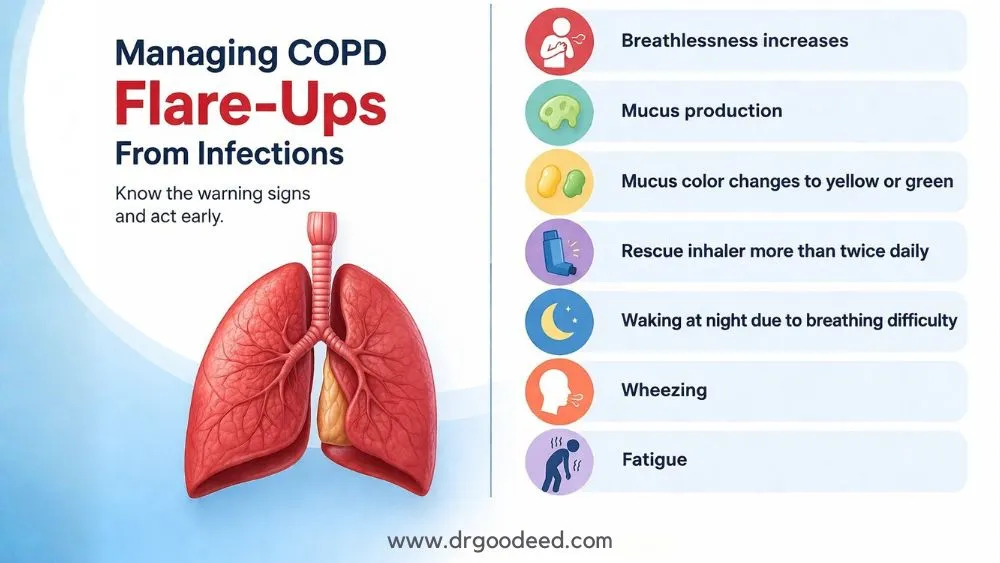
Managing COPD flare-ups from infections requires fast action. Waiting even 24–48 hours after an exacerbation starts measurably worsens outcomes and increases hospital admission risk.
Early Signs of a Flare-Up
- Breathlessness increases beyond your normal daily baseline
- Mucus production increases significantly
- Mucus color changes to yellow or green
- Using your rescue inhaler more than twice daily
- Waking at night due to breathing difficulty
When to Start Treatment
COPD patients with a written action plan (provided by their pulmonologist) start oral prednisolone and antibiotics within 24 hours of confirmed exacerbation signs. Evidence from the REDUCE trial showed a 5-day prednisolone course works as well as a 14-day course for most exacerbations, with fewer side effects.
Role of Antibiotics and Steroids
Antibiotics target bacterial triggers. They’re prescribed when mucus turns colored or fever is present. Steroids reduce airway inflammation rapidly, improving airflow within 4–6 hours of the first dose. Together, they reduce the duration of exacerbation by 2–3 days on average.
Preventing Hospitalizations
Patients who start treatment within 24 hours of symptom onset reduce hospitalization rates by approximately 50% compared to those who wait 72 hours. Monitoring at home with a pulse oximeter and peak flow meter allows earlier detection of worsening.
Can You Catch Anything From COPD Patients
COPD is not contagious. But the respiratory infections that COPD patients catch are contagious. A healthy person around a COPD patient who has active influenza or a bacterial chest infection faces normal infection transmission risk.
Risk of Catching Infections, Not COPD
If a COPD patient has an active respiratory infection and coughs without covering their mouth, nearby people can catch that infection. That infection might then trigger breathing problems in the COPD patient further. The cycle is infections passing between people, not COPD itself.
Situations Where Transmission Is Possible
Any virus or bacterium a COPD patient carries can spread through:
- Respiratory droplets during coughing or sneezing
- Contaminated surfaces touched then transferred to mouth or nose
- Close-contact settings like shared bedrooms during acute illness
Hygiene Precautions Around Sick Individuals
- COPD patients should cover their mouth when coughing during active infection
- Family members should wash hands frequently during illness periods
- Avoid sharing cups, utensils, or towels during active respiratory infections
- Good ventilation in shared rooms reduces airborne pathogen concentration
Protecting High-Risk People
Elderly people, immunocompromised individuals, and infants should reduce close contact with COPD patients during active infection episodes. This protects both parties; the visitor from the infection, and the COPD patient from secondary infections they might catch back.
Why COPD Is Often Misunderstood
COPD carries significant social stigma and medical misunderstanding. People assume it’s contagious because patients look and sound sick. Others assume it’s purely a smoker’s disease, dismissing 25% of COPD patients who never smoked at all.
Common COPD misconceptions that affect patient care:
- “It’s just a bad cough” leads to years of delayed diagnosis
- “Only smokers get it” causes non-smokers to avoid testing despite symptoms
- “It’s contagious” isolates patients socially when isolation is harmful
- “Nothing can be done” stops patients from seeking treatment that genuinely works
- “It only affects old people” delays diagnosis in adults under 50 with alpha-1 antitrypsin deficiency
Who Is at Risk of Developing COPD
Long-term lung damage causing COPD accumulates in specific groups more than others. Risk is not random.
People at higher risk include:
- Adults over 40 who smoke or smoked for 10 or more years
- Workers in coal mining, construction, textile manufacturing, or grain handling
- Non-smokers using biomass fuel stoves in poorly ventilated homes for 10+ years
- People with a first-degree relative diagnosed with COPD before age 50
- Adults who had severe or repeated respiratory infections in childhood
- People with alpha-1 antitrypsin deficiency, regardless of smoking history
Can COPD Be Prevented
COPD caused by smoking is largely preventable. COPD from occupational exposure is preventable with proper respiratory protection. Genetic COPD is not preventable but is treatable when caught early.
Avoiding Long-Term Lung Damage
Consistent use of N95 respirators in high-dust occupational settings reduces cumulative particulate exposure significantly. The National Institute for Occupational Safety and Health (NIOSH) standards for workplace air quality set limits specifically to prevent occupational lung disease.
Smoking Cessation Strategies
Varenicline (Chantix) combined with behavioral counseling achieves 12-month quit rates of 25–35%, the highest of any cessation intervention tested. Nicotine replacement therapy (patches plus fast-acting gum) achieves 15–20% rates. Either option is significantly better than quitting without support.
Air Quality and Respiratory Protection
Real-time air quality apps like AirVisual or IQAir show local PM2.5 levels. COPD patients and high-risk individuals should avoid outdoor exercise when PM2.5 exceeds 35 µg/m³ (the U.S. EPA’s 24-hour standard). Indoor HEPA air purifiers reduce PM2.5 inside homes by 50–70%.
Early Screening Importance
GOLD guidelines recommend spirometry for all adults over 40 with any smoking history or respiratory symptoms. Annual spirometry in this group detects COPD at Stage 1, the only stage where intervention genuinely alters long-term disease trajectory.
When to See a Doctor for COPD Symptoms
Persistent Cough and Breathlessness
A daily productive cough lasting more than 8 weeks in anyone over 40 warrants spirometry. Breathlessness during mild exertion, such as walking on flat ground, that persists for more than 4 weeks needs medical evaluation.
Frequent Respiratory Infections
More than two chest infections requiring antibiotics per year in a smoker or ex-smoker over 40 is a red flag. This pattern often precedes formal COPD diagnosis by 2–5 years in retrospective studies.
Sudden Worsening Symptoms
Sudden severe breathlessness that a rescue inhaler doesn’t improve within 15 minutes needs emergency care. Blue lips or fingernails signal oxygen levels have dropped dangerously low.
Diagnostic Testing (Spirometry)
Spirometry with a post-bronchodilator FEV1/FVC ratio below 0.70 confirms COPD. It takes 20 minutes, is available at most GP clinics, and is the only test that gives a definitive answer.
Frequently Asked Questions
Can COPD spread through coughing?
No. COPD is not contagious through coughing. Coughing does not transfer lung damage between people. If a COPD patient has an active respiratory infection alongside COPD, that infection spreads normally. The COPD does not.
Is chronic bronchitis contagious?
No. Chronic bronchitis is a permanent structural change in airway walls from long-term irritation, not an infection. The cough and mucus in chronic bronchitis are inflammatory, not infectious. No bacterium or virus causes chronic bronchitis itself.
Can you live with someone who has COPD safely?
Yes, completely. COPD poses zero infection risk to family members. During active respiratory infections that the COPD patient has caught, standard hygiene precautions apply. The COPD disease itself never transmits through any form of contact.
Why do COPD patients get frequent infections?
COPD airways produce excess mucus that traps pathogens. Damaged cilia fail to clear them out. Bacteria like Haemophilus influenzae colonize these mucus-filled airways permanently in about 30% of COPD patients, making secondary infections more frequent and harder to clear.
Can COPD turn into pneumonia?
Yes. COPD patients face 4–5 times higher pneumonia risk than healthy adults. Inhaled corticosteroids used in COPD treatment (particularly fluticasone-based inhalers) increase pneumonia risk by 50–70% compared to LAMA-only therapy, per data from the TORCH trial.
How do I protect myself from infections near a COPD patient?
Wash hands after contact with any shared surfaces. Avoid contact when the COPD patient has active fever or colored mucus. Both parties benefit from annual influenza vaccination. Standard respiratory hygiene protects against infection transmission from any person, not just COPD patients.
Is COPD caused by bacteria or viruses?
Neither. COPD develops and spreads within the lungs through sustained physical and chemical damage from inhaled irritants. Bacteria and viruses trigger flare-ups in existing COPD but do not cause the disease itself.
Can secondhand smoke cause COPD?
Yes. Adults exposed to secondhand smoke at home for 10 or more years have measurably reduced FEV1 compared to unexposed adults. Children raised in smoking households show reduced lung development that increases COPD risk in adulthood, based on British cohort studies tracking participants for 30 years.
What infections are dangerous for COPD patients?
Influenza, COVID-19, and pneumococcal pneumonia cause the most severe COPD exacerbations and the highest hospitalization rates. Pseudomonas aeruginosa bacterial infection in Stage 3 and 4 COPD patients carries particularly poor outcomes and often requires intravenous antibiotics.
Can COPD be passed genetically?
Yes, in one specific form. Alpha-1 antitrypsin (AAT) deficiency is an inherited genetic condition that causes early-onset emphysema. It follows an autosomal recessive inheritance pattern, meaning a child must inherit the defective gene from both parents to develop the deficiency.