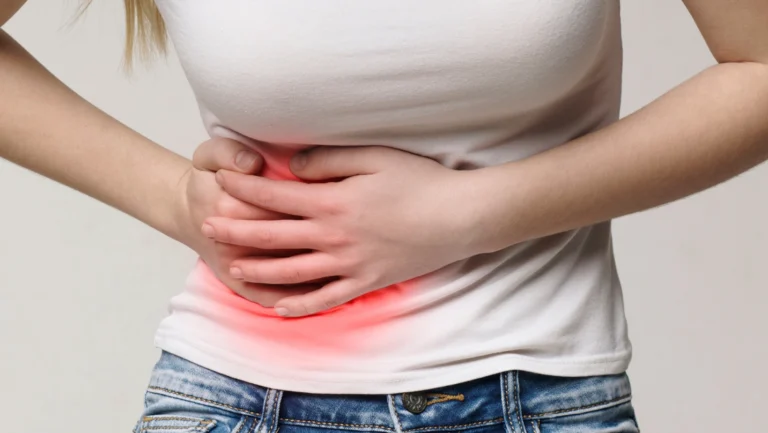

Stress can cause constipation. When your brain senses stress, it sends signals through the nervous system that directly slow down your gut. The gut and brain share a direct communication line, and when stress hits, your digestive system takes the hit too.
In the US, around 16% of adults deal with chronic constipation. A significant portion of that number ties back to psychological stress, according to research published in the Journal of Neurogastroenterology and Motility. This guide covers the exact causes, what symptoms to look for, and practical ways to fix it.
How Stress Affects Bowel Movements
Stress affects bowel movements. When you are stressed, your body shifts into “fight or flight” mode. Blood and energy move away from digestion and toward your muscles. The gut slows down. Sometimes it nearly stops.
Gut-Brain Axis Disruption
The gut-brain axis is a two-way communication system between your brain and your intestines. It runs through the vagus nerve and uses chemicals called neurotransmitters. When stress activates your fight-or-flight response, cortisol floods the body. Cortisol tells the intestines to slow down. Gut motility drops. Waste sits longer in the colon. Water gets pulled out of it. The result is hard, dry stool.
Chronic stress can actually reshape how your gut neurons behave over time. Studies show that people with anxiety disorders have measurably slower colonic transit times compared to non-anxious adults.
Slowed Intestinal Motility
Motility means how fast your intestines move food and waste along. Stress lowers this speed. The muscles in your colon contract less frequently. Normal transit takes 24 to 72 hours. Under stress, that number climbs. The longer stool sits in the colon, the more water is absorbed from it. Dry stool equals constipation.
Changes in Digestive Hormones
Stress also messes with your gut hormones. Corticotropin-releasing factor (CRF), released during stress, directly suppresses colonic movement. Serotonin levels drop too. Around 90% of the body’s serotonin lives in the gut and is responsible for keeping bowel movements regular. Lower serotonin means slower gut movement.
Symptoms of Stress-Related Constipation
Stress can cause constipation that looks different from regular constipation. Stress-related constipation tends to come with more abdominal tension, more bloating, and sometimes alternating loose stools during peak anxiety periods.
Hard Stools Due to Stress
Hard stools due to stress happen because stool stays in the colon longer than normal, giving the colon extra time to absorb water from it. The result is dry, firm stool that is difficult or painful to pass. Bristol Stool Scale types 1 and 2 (hard lumps or sausage-shaped with cracks) are typical in stress-related cases.
Infrequent Bowel Movements
Fewer than three bowel movements per week is the clinical threshold for constipation. During high-stress periods, many people drop to one movement every 4 to 5 days without any change in diet.
Abdominal Discomfort Stress Constipation
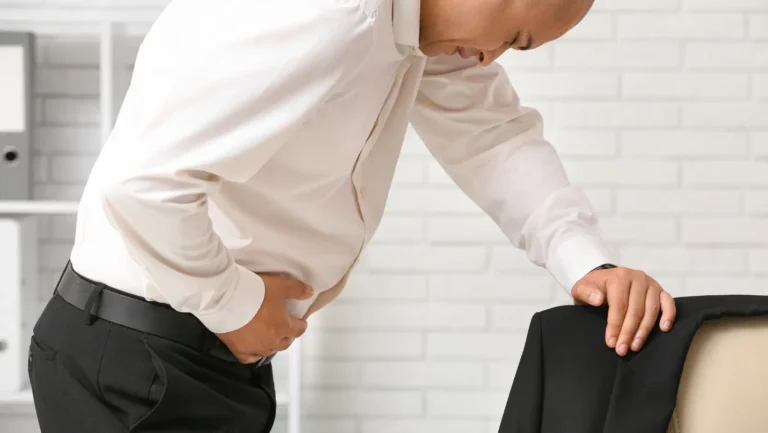
Abdominal discomfort, stress constipation, is one of the most reported but least explained symptoms. The abdomen feels full, tight, or tender even without eating much. This pressure builds when stool accumulates in the lower colon and when stress causes involuntary muscle tension in the abdominal wall.
Feeling of Incomplete Evacuation
After passing stool, people with stress-related constipation often feel like there is still something left. This sensation is called tenesmus. It happens because stress disrupts the coordination between the colon and the rectum, making the bowel feel “stuck.”
Abdominal Discomfort Stress Constipation
Abdominal discomfort, stress, and constipation go beyond the usual bloating. It is a physical response to both trapped gas and nervous system tension at the same time.
Bloating and Gas
Slow gut motility means food ferments longer in the intestines. More fermentation equals more gas. This gas has nowhere to go quickly, so it builds up and causes visible bloating. The abdomen can look and feel swollen even if the person has barely eaten.
Cramping and Pressure
Stress triggers muscle tension throughout the body, including in the intestinal walls. These involuntary contractions create cramping, especially in the lower left abdomen where the sigmoid colon sits. The pain is usually dull and pressure-like, not sharp.
Worsening Symptoms During Stress
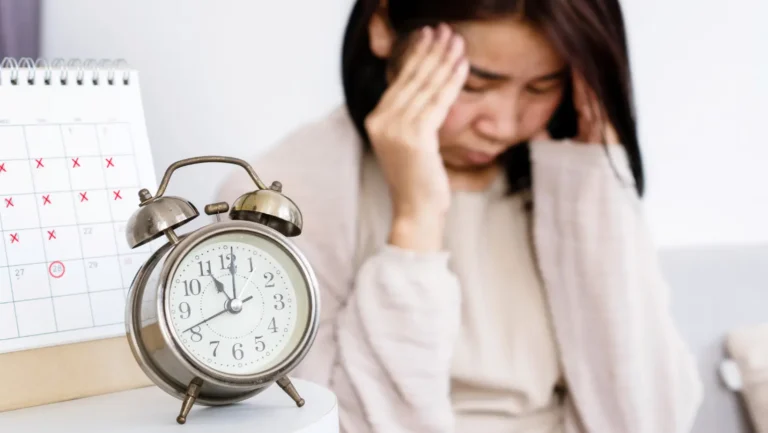
Symptoms are not constant. They spike during high-stress events: a deadline, an argument, a difficult work week. The gut responds in real time to emotional states. This pattern is one of the clearest signs that stress, not diet or illness, is the primary cause.
Why Stress Causes Hard Stools
Hard stools due to stress have a specific physiological reason. It is not random.
Reduced Water Movement in Intestines
The colon’s main job is to absorb water from waste before it exits. When stress slows transit, this absorption continues for longer than it should. The colon pulls out too much water, leaving behind dry, compacted stool.
Slower Digestion Process
Under stress, stomach acid production and enzyme secretion both decrease. Food breaks down less efficiently in the small intestine. By the time the residue reaches the colon, it is drier and denser than normal.
Dehydration and Dietary Factors
Stress also triggers cortisol-driven behaviors. People eat less, forget to drink water, or rely on caffeine and alcohol. All three of these reduce stool hydration. Dehydration alone is enough to produce constipation, even without stress slowing down the gut.
Other Factors That Worsen Stress Constipation
Stress alone causes constipation. These factors make it worse:
- Sedentary behavior: Physical inactivity during stressful periods further slows colonic motility. Even a 15-minute walk increases gut movement.
- Ignoring the urge: Stress keeps people busy. Suppressing the urge to defecate regularly trains the rectum to stop signaling.
- Medications: Antidepressants (especially SSRIs and tricyclics), antacids with aluminum, and certain blood pressure drugs all cause constipation as a side effect. Stress medication can worsen the very problem stress creates.
- Sleep deprivation: Poor sleep elevates cortisol and reduces gut serotonin, compounding the slowdown.
- Irritable Bowel Syndrome (IBS): Around 50 to 90% of IBS-C (constipation-predominant IBS) cases are directly linked to psychological stress triggers.
Diet for Stress Constipation
Diet for stress constipation does not require an overhaul. A few specific changes move the needle fast.
High-Fiber Foods
Adults need 25 to 38 grams of fiber per day. Most Americans get around 15 grams. Insoluble fiber (found in whole wheat, bran, and vegetables) adds bulk to stool. Soluble fiber (found in oats, flaxseed, and psyllium) absorbs water and softens it. Both types are needed.
Hydration and Fluids
At least 8 cups of water per day is the baseline. Warm water or warm lemon water in the morning stimulates the gastrocolic reflex, which triggers bowel movement. Avoid excess caffeine; it dehydrates.
Probiotic and Gut-Friendly Foods
Probiotics restore the gut microbiome that stress disrupts. Lactobacillus and Bifidobacterium strains, found in yogurt, kefir, and fermented vegetables like kimchi, have been shown in clinical trials to improve stool frequency and consistency within 4 weeks.
How to Relieve Stress Induced Constipation
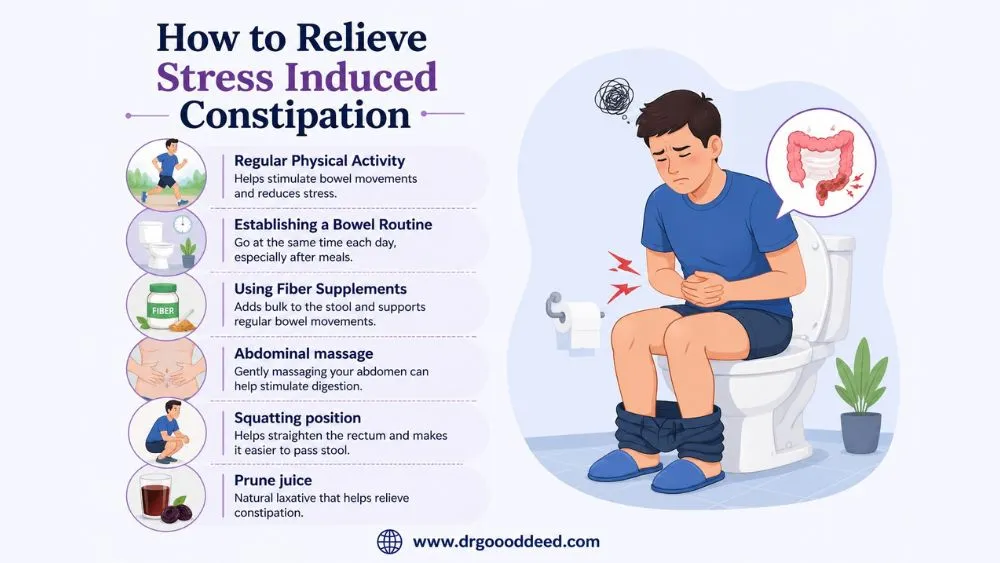
Relieving stress-induced constipation requires addressing both the gut and the stress itself. Treating only one side rarely works long-term.
Stress Management Techniques
Diaphragmatic breathing (slow, deep belly breaths) activates the parasympathetic nervous system, the “rest and digest” state. Even 5 minutes of slow breathing before meals increases gut motility. A 2019 study in Neurogastroenterology & Motility found that mindfulness-based stress reduction improved constipation scores by 43% in IBS-C patients.
Regular Physical Activity
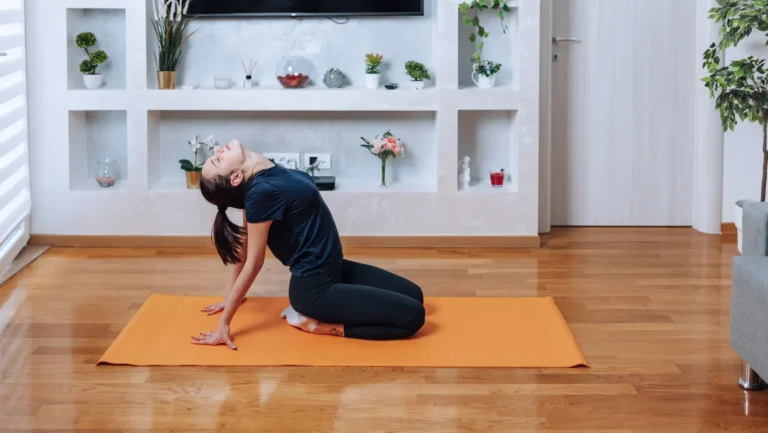
30 minutes of moderate walking per day shortens colonic transit time. Running and yoga are even more effective. Yoga poses like the supine twist directly massage the ascending and descending colon.
Establishing a Bowel Routine
The gastrocolic reflex is strongest 20 to 30 minutes after eating, especially after breakfast. Sitting on the toilet during this window, even without urgency, retrains the reflex. Use a footstool to elevate the feet; this straightens the anorectal angle and reduces straining by up to 30%.
Using Fiber Supplements If Needed
Psyllium husk (Metamucil) is the most evidence-backed fiber supplement for constipation. Start with 5 grams daily and increase gradually. Always take it with a full glass of water.
Quick Relief Methods for Immediate Comfort
When constipation is active and uncomfortable, these methods work within hours:
- Warm water with lemon on an empty stomach triggers the gastrocolic reflex within 30 minutes.
- Abdominal massage: Massaging the colon in a clockwise direction for 10 minutes reduces transit time. Research from the Journal of Bodywork and Movement Therapies confirms its effectiveness.
- Osmotic laxatives: Polyethylene glycol (MiraLAX) draws water into the colon and is safe for short-term use. Results come within 1 to 3 days.
- Squatting position: A Squatty Potty or similar footstool relaxes the puborectalis muscle and allows more complete evacuation.
- Prune juice: Contains sorbitol, a natural laxative. 4 to 8 ounces in the morning works within 24 hours for most adults.
Avoid stimulant laxatives like bisacodyl for more than 2 to 3 days. Regular use weakens the colon’s natural muscle response.
FAQs
Can stress cause constipation?
Yes. Stress activates the fight-or-flight response, which suppresses gut motility through cortisol and CRF hormone release. The colon slows down, stool stays longer, and excess water absorption hardens it. Chronic stress produces chronic constipation, especially in people with IBS-C.
How does stress affect bowel movements?
Stress reduces colon contraction frequency, drops serotonin levels in the gut, and triggers cortisol, all of which slow transit time. The result is infrequent, dry, difficult-to-pass stools. The effect appears within 24 to 48 hours of a significant stress event.
Why do I have hard stools due to stress?
Stress slows colonic transit. The longer stool stays in the colon, the more water the colon pulls out of it. Stool that spends 5 days in the colon instead of 2 loses significantly more water, making it firm, dense, and painful to pass.
What is abdominal discomfort stress constipation?
It is the combination of abdominal pressure, bloating, and cramping that occurs when stress slows the gut. Gas accumulates from slower fermentation, and muscle tension from stress adds additional tightness. The pain is typically in the lower left abdomen.
How to relieve stress induced constipation?
Address both sides. Use diaphragmatic breathing daily to activate the rest-and-digest response. Eat 25 to 38 grams of fiber per day. Walk 30 minutes daily. Sit on the toilet 20 minutes after breakfast. Add psyllium husk if dietary fiber is insufficient.
What diet helps stress constipation?
High-fiber foods like oats, bran, flaxseed, and leafy greens. Probiotic-rich foods like kefir and kimchi. A minimum of 8 cups of water daily. Warm lemon water each morning. Cutting out caffeine and alcohol speeds up recovery noticeably.
Can stress cause long-term constipation?
Yes. Unmanaged chronic stress alters gut neuron behavior over months. Prolonged cortisol elevation keeps colonic motility suppressed consistently. Studies show people with generalized anxiety disorder have measurably slower gut transit speeds compared to people without anxiety.
How does the gut-brain axis affect constipation?
The gut-brain axis connects the central nervous system to the enteric nervous system via the vagus nerve. Stress signals from the brain reach the gut within seconds. They reduce serotonin production, increase CRF release, and lower colonic contraction speed simultaneously.
When should I see a doctor for constipation?
See a doctor if constipation lasts more than 3 weeks without improvement, if you notice blood in the stool, if you experience sudden unexplained weight loss, or if over-the-counter laxatives and dietary changes produce no response. These signs need a colonoscopy to rule out structural causes.
Can managing stress improve digestion?
Yes. Clinical data shows mindfulness-based stress reduction improves stool frequency in IBS-C patients by 43% within 8 weeks. Daily breathing exercises restore parasympathetic tone, which directly increases colon motility. Stress management is not a supplement to constipation treatment. It is part of it.