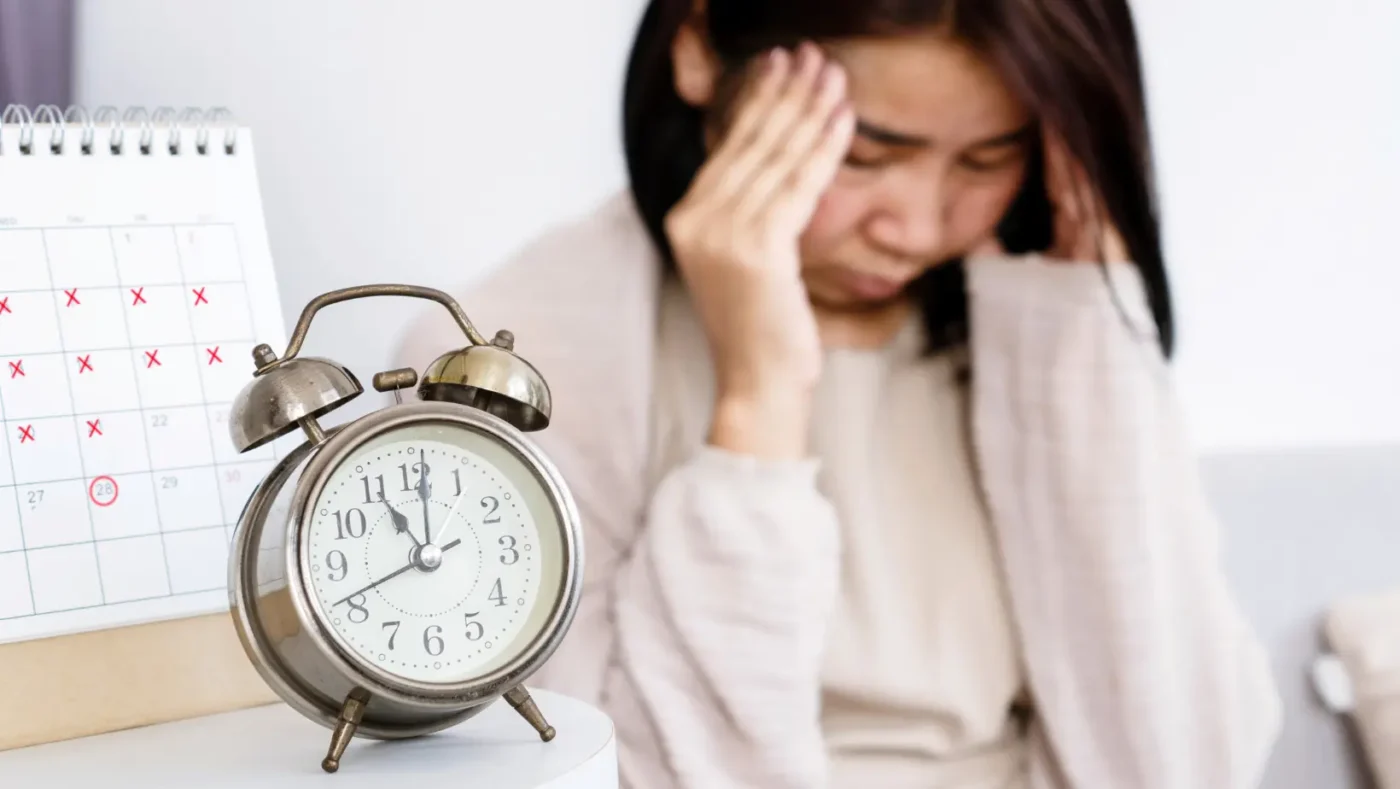

Clinically, stress can delay menstruation cycle by 1 to 3 weeks in otherwise healthy individuals. In severe or chronic cases, it can suppress the period entirely for 3 months or longer, a condition called functional hypothalamic amenorrhea.
The American College of Obstetricians and Gynecologists recognizes psychological stress as a direct disruptor of the hypothalamic-pituitary-ovarian (HPO) axis. This guide covers the exact hormonal mechanisms, symptoms, and evidence-based recovery steps.
Can Stress Make Your Period Late?
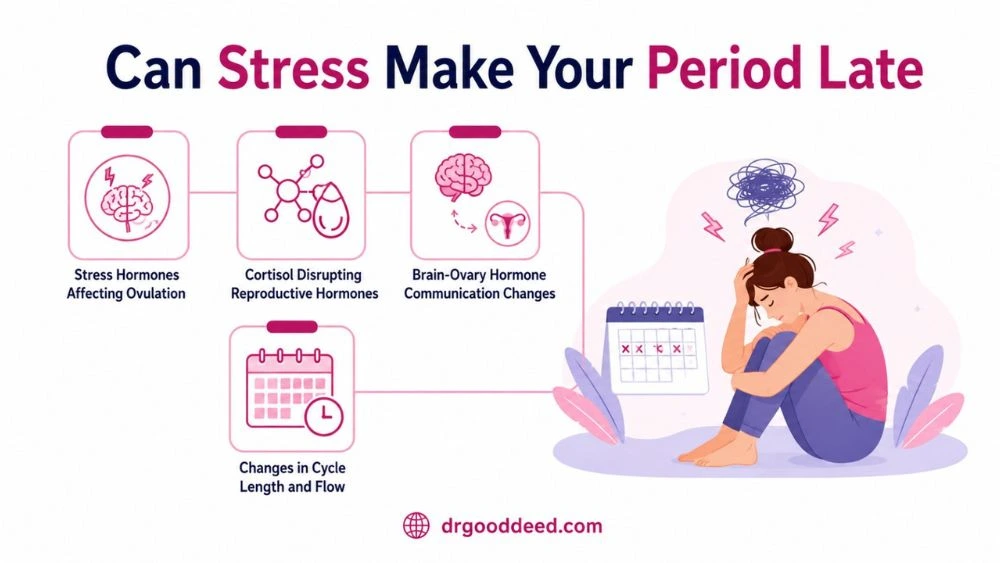
Stress can make your period late, and the mechanism is specific. Stress signals the hypothalamus (a region in the brain) to reduce gonadotropin-releasing hormone (GnRH) output. Without GnRH, the pituitary gland stops releasing LH and FSH, the two hormones that trigger ovulation. No ovulation means no period, or a significantly delayed one.
Stress Hormones Affecting Ovulation
Cortisol is the primary stress hormone. When cortisol stays elevated for more than 72 hours, it suppresses GnRH pulses. Ovulation requires these pulses to happen in a specific rhythm. Cortisol disrupts that rhythm, pushing ovulation back by 5 to 14 days, and in severe stress cases, preventing it entirely.
Cortisol Disrupting Reproductive Hormones
Cortisol and progesterone share the same precursor molecule: pregnenolone. When the body prioritizes cortisol production (the stress response), it pulls pregnenolone away from progesterone synthesis. Lower progesterone means a shorter or missing luteal phase, which is the phase right before your period arrives.
Brain-Ovary Hormone Communication Changes
The HPO axis operates like a feedback loop. The brain sends signals, the ovaries respond, and hormones travel back to regulate the next cycle. Chronic stress breaks this loop at the hypothalamus level. Research from the University of Michigan (2015) confirmed that women with elevated perceived stress scores had measurably longer follicular phases, delaying ovulation by an average of 11 days.
Stress also elevates prolactin, a hormone normally associated with breastfeeding. Elevated prolactin further suppresses LH, adding a second mechanism for delayed or missed periods that is entirely separate from cortisol.
How Stress Affects the Menstrual Cycle
How long stress can delay your period depends on stress intensity and duration. Acute short-term stress (1 to 3 days) delays periods by 3 to 7 days. Chronic stress lasting weeks or months delays them by 2 to 6 weeks or more.
Delayed Ovulation
Ovulation normally happens around day 14 in a 28-day cycle. Stress pushes it to day 18, 22, or later. Since the luteal phase (post-ovulation) stays relatively fixed at 12 to 14 days, a later ovulation directly equals a later period. This is the most common mechanism.
Missed or Skipped Periods
When stress prevents ovulation entirely, the uterine lining does not receive the hormonal signal to shed. The period does not come. This is not harmful for a single cycle, but skipping 3 or more consecutive periods requires clinical evaluation.
Changes in Cycle Length and Flow
Stress-delayed cycles are often followed by heavier or clottier periods. This happens because the uterine lining built up over a longer-than-normal period. A delayed period after a stressful month that arrives with heavier flow than usual is typical and not a medical emergency on its own.
Irregular Periods Caused by Anxiety
Irregular periods caused by anxiety differ from stress-related delays because anxiety is a chronic, ongoing state rather than a temporary trigger. The effect on the cycle accumulates over months.
Chronic Anxiety and Hormone Imbalance
Women with generalized anxiety disorder (GAD) show consistently elevated cortisol levels across the entire month, not just during acute stress events. This sustained cortisol elevation reduces estrogen output from the ovaries over time. Low estrogen thins the uterine lining, producing lighter periods or missing them.
Sleep Disruption Affecting Menstrual Health
Melatonin regulates GnRH release at night. Anxiety-driven sleep disruption reduces melatonin, which in turn reduces the quality of GnRH pulses. Women sleeping fewer than 6 hours per night consistently show menstrual cycle irregularities 23% more often than those sleeping 7 to 9 hours.
Appetite and Weight Changes Influencing Cycles
Anxiety suppresses appetite in many women. Dropping below 1,200 calories daily for 2 weeks or more signals the hypothalamus that the body lacks resources for reproduction, triggering cycle suppression. A 5 to 10% drop in body weight from anxiety-related undereating can delay or stop periods within 4 to 8 weeks.
Cramps Without Period: Stress Symptoms
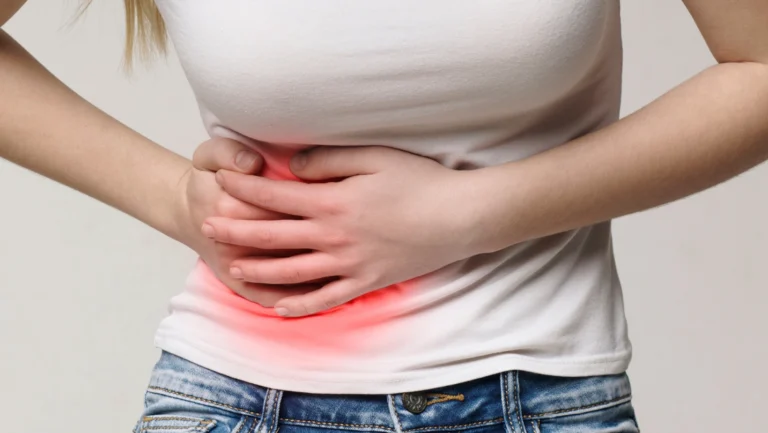
Cramps without period stress symptoms are more common than most people realize. Research shows up to 30% of women experiencing significant stress report pelvic cramping and PMS-like symptoms without bleeding.
Hormonal Fluctuations Causing Cramps
The uterus responds to estrogen and progesterone fluctuations even without a full cycle completing. When stress disrupts these hormones mid-cycle, the uterine muscles receive mixed signals, causing mild to moderate cramping without the bleeding phase that normally follows.
Pelvic Tension Linked to Stress
The pelvic floor muscles store physical tension during psychological stress. Prolonged muscle tension in the pelvic region mimics menstrual cramps exactly. Physical therapy research shows pelvic floor muscle activity increases by 40% during high-stress periods, producing pain identical to dysmenorrhea (period cramps).
PMS-Like Symptoms Without Bleeding
Bloating, breast tenderness, mood changes, and fatigue all appear before ovulation and before a period. When stress delays ovulation, these symptoms appear on their normal hormonal schedule but without the period arriving afterward. The cycle continues, but bleeding stalls.
Hormonal Imbalance and Late Periods
Hormonal imbalance and late periods driven by stress involve at least three hormone disruptions happening at the same time.
Cortisol and Estrogen Imbalance
High cortisol directly suppresses estradiol (the main form of estrogen) production in the ovaries. Estrogen is responsible for thickening the uterine lining and triggering the LH surge that causes ovulation. Without it, ovulation delays and the lining does not build properly.
Effects on Progesterone Levels
Progesterone production depends on the corpus luteum, which forms after ovulation. No ovulation means no corpus luteum and no progesterone. Without progesterone, the uterine lining does not receive the withdrawal signal that triggers bleeding. The period stays delayed until ovulation finally occurs.
Stress-Related Cycle Irregularities
A normal cycle ranges from 21 to 35 days. Stress regularly pushes cycles to 40, 50, or 60 days in women who otherwise cycle normally. This is functional disruption, not structural damage. Cycles typically normalize within 1 to 3 months after stress resolves.
Other Symptoms That May Accompany Stress-Delayed Periods
How long stress can delay your period is one part of the picture. The body shows other signs during this disruption that confirm stress is the cause.
Fatigue and Mood Swings
Low progesterone reduces GABA activity in the brain, which reduces the calming signal the nervous system relies on. This produces irritability, anxiety spikes, and fatigue that feel worse than typical PMS because the hormonal phase lasts longer than normal.
Headaches and Bloating
Estrogen fluctuations trigger prostaglandin release. Prostaglandins cause the blood vessels around the brain to expand, producing hormonal headaches. Bloating in this period comes from water retention linked to the same estrogen fluctuations, not from diet changes.
Increased Anxiety and Sleep Problems
The delay itself creates a feedback loop. Stress delays the period, the delay creates more anxiety, that anxiety raises cortisol further, and the cycle delays more. This loop is the reason stress-related delays can extend well beyond what acute stress alone would cause.
How to Regulate Periods After Stress
Regulating periods after stress requires addressing both cortisol levels and nutritional support for hormone production.
Stress Management Techniques
Cortisol drops measurably after 20 minutes of diaphragmatic breathing. A 2017 study in Psychoneuroendocrinology showed that 8 weeks of daily mindfulness meditation reduced cortisol by 23% in women with stress-related menstrual irregularities. Cortisol reduction is the first step. Everything else follows.
Improving Sleep and Recovery
Sleep between 10 PM and 2 AM produces the highest melatonin output. This window directly supports GnRH pulsatility. Prioritizing sleep in this range, even if total hours are the same, improves hormonal signaling measurably within 2 weeks.
Balanced Nutrition and Hydration
Zinc supports progesterone synthesis. Foods high in zinc include pumpkin seeds (9 mg per serving), beef, and lentils. Magnesium reduces cortisol receptor sensitivity. 300 mg of magnesium glycinate daily shows measurable cycle-regulating effects in clinical trials. These are not vague wellness suggestions; they are documented hormonal interventions.
Habits That Help Restore Hormonal Balance
Regular Exercise Without Overtraining
30 minutes of moderate cardio reduces cortisol. But high-intensity exercise for over 90 minutes daily raises cortisol. Overtraining is itself a stress that delays periods. Stick to walking, yoga, or light jogging during cycle recovery.
Mindfulness and Relaxation Practices
Yoga nidra (a body-scan meditation technique) reduces cortisol by up to 27% in a single 35-minute session according to a 2019 trial from the Indian Journal of Physiology and Pharmacology. It is one of the fastest non-pharmacological cortisol reduction methods with clinical backing.
Maintaining a Consistent Daily Routine
The circadian rhythm governs hormone release timing. Eating, sleeping, and waking at consistent times resets the hormonal clock. Within 3 to 4 weeks of maintaining consistent meal and sleep timing, many women see cycle length begin normalizing even before stress fully resolves.
When a Late Period May Not Be Due to Stress
Irregular periods caused by anxiety and stress are the most common cause of cycle delay. But other causes need ruling out.
Pregnancy
Pregnancy produces hCG, which maintains the uterine lining and stops bleeding. A home pregnancy test is 99% accurate from the first day of a missed period. Rule this out first, regardless of stress level.
PCOS or Thyroid Disorders
Polycystic ovary syndrome (PCOS) and hypothyroidism both cause delayed periods through mechanisms entirely separate from cortisol. PCOS produces excess androgens that block ovulation. Hypothyroidism reduces the metabolic rate, which slows hormonal production. TSH and androgen blood tests separate these from stress-related delays.
Significant Weight Changes
Losing or gaining more than 10% of body weight in 2 months disrupts leptin signaling. Leptin signals the hypothalamus about fat stores. Too low, and the brain stops reproduction signals. Too high, and insulin resistance begins disrupting ovarian function. Both cause hormonal imbalance and late periods that mimic stress effects.
FAQs
Can emotional stress completely stop your period temporarily?
Yes. Severe acute stress, such as the sudden death of a loved one or extreme trauma, can trigger functional hypothalamic amenorrhea within 2 to 3 weeks. The hypothalamus shuts down GnRH release as part of the survival stress response. Periods typically resume within 1 to 3 months after the stressor resolves.
How many days late can a period be from anxiety alone?
Anxiety alone can delay a period by 7 to 35 days. Women with generalized anxiety disorder show cycle delays averaging 12 to 18 days beyond their normal cycle length. The delay reflects how long ovulation is pushed back, since the luteal phase length stays fixed at 12 to 14 days.
Why do I feel period symptoms but no bleeding during stress?
Estrogen and progesterone fluctuations trigger PMS symptoms on their own hormonal timeline, regardless of whether ovulation completed. Stress delays the final hormonal shift that signals bleeding. The uterus cramps, the breasts feel tender, and mood drops, but the bleed stalls until ovulation finally occurs.
Can poor sleep worsen stress-related menstrual delays?
Yes. Sleep below 6 hours per night reduces melatonin by up to 50%. Melatonin directly regulates GnRH pulse quality at night. Without adequate GnRH pulses, LH and FSH stay low and ovulation delays. Poor sleep adds a second hormonal disruption on top of cortisol-driven suppression, extending the delay.
Does cortisol directly affect estrogen and progesterone levels?
Yes. Cortisol competes with progesterone for the same precursor (pregnenolone), reducing progesterone production. High cortisol also suppresses ovarian estradiol output by blocking LH receptor sensitivity in the ovaries. Both effects occur simultaneously, making hormonal imbalance and late periods a direct cortisol consequence.
Can panic attacks or emotional trauma delay menstruation?
Yes. A panic attack triggers an acute cortisol and adrenaline surge lasting 20 to 45 minutes. A single severe episode can shift ovulation timing by 3 to 5 days. Repeated panic attacks or acute trauma (PTSD) sustained over weeks produce delays of 2 to 6 weeks through cumulative HPO axis suppression.
What foods help support hormonal balance after stress?
Pumpkin seeds (zinc for progesterone), flaxseeds (lignans that regulate estrogen), fatty fish (omega-3s reduce cortisol-linked inflammation), spinach (magnesium for cortisol modulation), and Brazil nuts (selenium for thyroid hormone activation). These provide direct precursors or cofactors for the hormones stress depletes.
Is it normal for cycles to change after a stressful month?
Yes. A single stressful month regularly shifts cycle length by 7 to 21 days. This is a normal HPO axis response, not a disease. Cycles typically return to baseline within 1 to 2 months after the stressor ends, provided no underlying conditions like PCOS or thyroid dysfunction exist.
How do you know if a missed period is stress-related or another condition?
Stress-related delays resolve within 1 to 3 months without medical treatment. PCOS shows elevated androgens and polycystic ovaries on ultrasound. Thyroid dysfunction shows abnormal TSH on blood tests. Pregnancy shows positive hCG. If a period is missing for 90 days, blood testing separates the cause.
When should a stress-delayed period become a medical concern?
Seek medical evaluation if the period is absent for 3 consecutive months, if you experience severe pelvic pain, if spotting replaces normal flow for 2 or more cycles, or if stress delays your period and extends beyond 90 days. These patterns require ruling out structural or endocrine causes beyond stress.