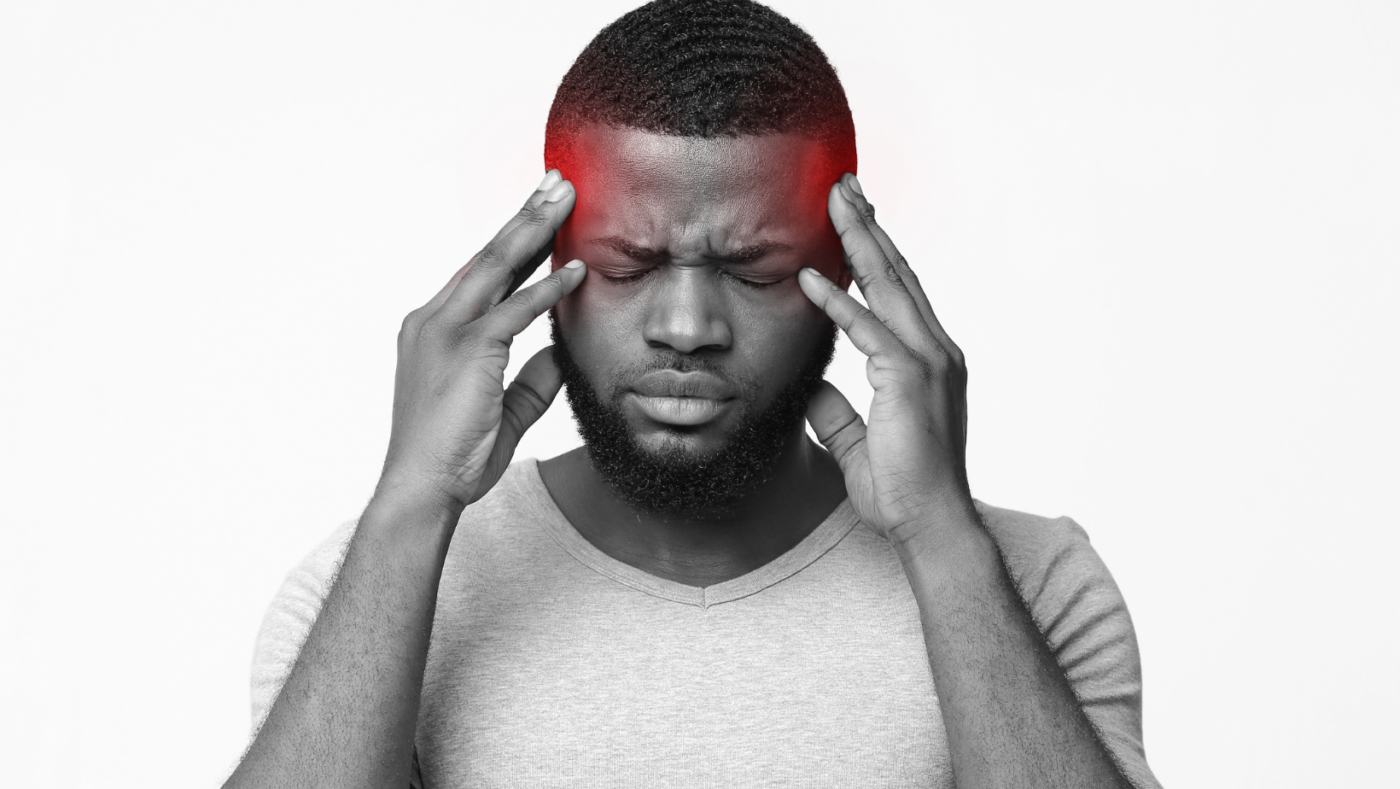

A headache is pain or pressure felt anywhere in the head. It can last 30 minutes or stretch across three days. Most headaches aren’t dangerous. But some signal something serious that needs immediate medical attention.
Around 50% of adults worldwide had at least one headache in the past year. cbd Tension headaches alone account for nearly 90% of all cases reported. The type, location, and pattern of pain tell you more than the pain level alone does.
What are the top 3 causes of headaches?
Tension in the neck and scalp muscles is the most common cause. Dehydration is second, even mild fluid loss triggers head pain in most people. Hormonal changes, especially in women during menstruation, rank third. These three causes cover the majority of everyday headaches that adults experience.
What are 90% of headaches?
Tension-type headaches make up roughly 90% of all headaches. They feel like a tight band squeezing around the head. They’re not one-sided and don’t worsen with physical activity. Stress, poor posture, long screen time, and jaw clenching are the main triggers. They’re uncomfortable but rarely dangerous.
What are the 7 types of headaches?
- Tension headache, tight pressure around the head
- Migraine, throbbing pain usually on one side
- Cluster headache, severe pain around one eye in cycles
- Sinus headache, pressure around the cheeks and forehead
- Rebound headache, caused by overusing pain medication
- Hormonal headache, linked to menstrual cycle changes
- Hypnic headache, wakes people from sleep, common in older adults
What causes headaches every day?
Daily headaches usually come from one of three things: medication overuse (taking pain relievers more than 10 days per month), chronic dehydration, or untreated sleep disorders. Poor posture from sitting at a desk for hours also causes daily neck tension that radiates into the head. Anxiety disorders are another frequent underlying cause.
Can lack of sleep cause headaches?
Yes, directly. Sleep deprivation lowers the brain’s pain threshold. Even one night of poor sleep increases headache frequency the next day. People with insomnia are up to eight times more likely to develop chronic daily headaches. REM sleep in particular helps regulate pain-processing chemicals in the brain.
Can stress cause headaches?
Stress triggers headaches by tightening the muscles around the scalp, neck, and shoulders. It also raises cortisol levels, which affects blood flow to the brain. A 2020 study in Cephalalgia found that an increase in stress level on one day strongly predicted a headache the following day.
What vitamin deficiency causes headaches?
Vitamin D deficiency is directly linked to frequent headaches. Low magnesium is another major cause. Magnesium helps regulate nerve signals in the brain, and deficiency is found in over 50% of migraine sufferers. Low B2 (riboflavin) also triggers migraines. B2 supplements at 400mg daily showed a 50% reduction in migraine frequency in clinical trials.
What foods trigger headaches?
- Aged cheeses (contain tyramine, a known trigger)
- Red wine and alcohol
- Processed meats with nitrates like hot dogs and deli meat
- Artificial sweeteners, especially aspartame
- MSG found in many packaged snacks
- Caffeine withdrawal after regular heavy use
Not every person reacts to every trigger. Keeping a food diary for two weeks helps identify personal patterns.
What are the first signs and 4 stages of a headache?
Migraines follow four stages. Most tension headaches skip straight to stage 3.
Stage 1, Prodrome: Mood changes, food cravings, neck stiffness, and yawning occur 1 to 2 days before pain.
Stage 2, Aura: Visual disturbances like flashing lights or blind spots appear minutes before pain. Only 25 to 30% of migraine sufferers experience this.
Stage 3, Headache: The actual pain phase. Throbbing, pressure, or stabbing pain lasting hours to days.
Stage 4, Postdrome: After pain fades, fatigue and brain fog linger for up to 24 hours. Often called the “migraine hangover.”
How do I know if a headache is serious?
A headache is serious when it’s the worst pain you’ve ever felt in your head, when it comes on within seconds instead of building gradually, or when it comes with fever, stiff neck, confusion, or vision loss. Any of these signs need an emergency room visit, not a painkiller.
What are the danger signs of a headache?
- Sudden, explosive pain described as a “thunderclap”
- Headache after a head injury
- Pain with high fever and neck stiffness
- Headache with one-sided weakness, slurred speech, or vision changes
- New headache in someone over 50 with no headache history
- Pain that wakes you from sleep repeatedly
These are red flags. Don’t wait. Get checked immediately.
How to know if a headache is a tumor?
Brain tumor headaches are rare but have specific patterns. They worsen progressively over weeks, they’re worse in the when lying down, and they come with nausea, vomiting, or neurological changes like memory loss or personality shifts. A single headache doesn’t indicate a tumor. A changing, worsening pattern over time does.
Which drink will reduce headaches?
Water works best for dehydration headaches. Electrolyte drinks help when the headache follows sweating or physical exertion. Ginger tea reduces migraine-related nausea and has mild anti-inflammatory effects. A small amount of caffeine (one cup of coffee) relieves tension headaches by constricting blood vessels, but only if you’re not a daily caffeine user.
How much water should I drink for a headache?
Drink 2 to 3 glasses of water (500 to 750ml) at the first sign of a headache. If dehydration is the cause, pain typically reduces within 30 minutes. Most adults need 2 to 2.5 liters daily to prevent dehydration headaches. Waiting until you feel thirsty means you’re already mildly dehydrated.
How to cure a headache?
For tension headaches, a combination of water, rest in a dark quiet room, and a cold or warm compress on the neck works well. For migraines, early intervention matters. Taking medication at the first sign of pain works far better than waiting until pain peaks. Sleeping in a dark, cool room cuts recovery time.
How to cure your headache fast?
Pressing firmly on the web of skin between your thumb and index finger (the LI4 acupressure point) for 30 seconds on each hand reduces tension headache intensity in under 5 minutes for many people. Peppermint oil applied to the temples also matches low-dose aspirin for tension headache relief, based on a 1996 Cephalalgia study.
What is the fastest cure for headaches?
For immediate relief, 1000mg of aspirin works faster than standard ibuprofen doses for tension headaches in most adults. A high-caffeine and aspirin combination (like Excedrin) works faster than either alone. For migraines, a triptan medication like sumatriptan stops the attack at the source and acts within 30 to 60 minutes.
How to reduce headaches immediately at home?
- Apply a cold pack to the forehead for 15 minutes
- Sit in a dark, quiet room and close your eyes
- Massage the base of your skull and temples in circular motions
- Drink 2 glasses of cold water immediately
- Use peppermint oil on your temples
- Try the LI4 acupressure point described above
These work best when applied within the first 20 minutes of pain starting.
Which medicine is best for headaches?
For tension headaches, ibuprofen 400mg or aspirin 1000mg gives fast relief. Paracetamol (acetaminophen) is a safer option for people with stomach issues. For migraines, triptans like sumatriptan (Imigran) are the most effective prescription option. Avoid using any pain medication more than 10 to 15 days per month to prevent rebound headaches.