
There are over 150 types of headaches documented by the International Headache Society. Most people treat every headache the same way, which is why most people stay stuck with recurring pain. Knowing what kind of headache you actually have changes everything, from what you take to how fast you recover.
Common Types of Primary Headaches
Primary headaches are not caused by another medical condition. The headache itself is the problem. These account for the majority of all headache cases worldwide, and three specific types make up almost all of them.
Tension Headaches (Most Common)
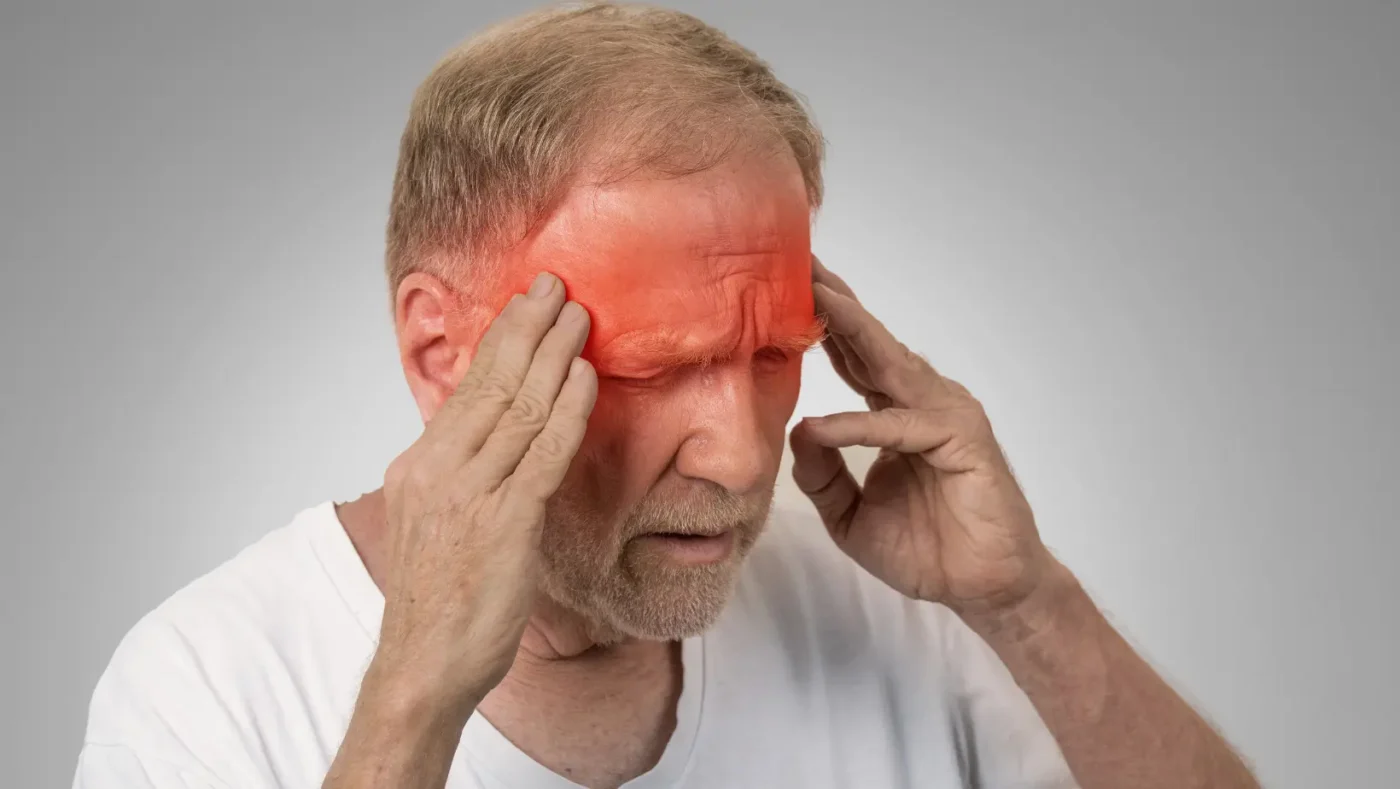
Tension headaches are the most common of all types of headaches. About 78% of adults experience at least one in their lifetime. The pain feels like a tight band squeezing around your head, usually on both sides. It does not throb or worsen with physical activity.
The pain typically lasts 30 minutes to several hours. Neck stiffness and mild light sensitivity sometimes come with it, but vomiting is rare.
Migraine Headaches
Migraines are neurological. The brain’s pain pathways get activated, causing throbbing pain on one side of the head. Around 15% of the global population gets migraines. They last 4 to 72 hours without treatment.
About 25% of migraine sufferers experience aura, which are visual disturbances like zigzag lines or blind spots, before the pain starts. Nausea, vomiting, and extreme sensitivity to light and sound are standard.
Cluster Headaches
Cluster headaches are rare, but when they hit, they’re described as the worst pain a human can feel. They come in “clusters,” meaning daily attacks for weeks or months, then nothing for months to years. The pain is always on one side, behind or around one eye. Each attack lasts 15 minutes to 3 hours.
Men get cluster headaches three times more than women. Watery eyes and a blocked nostril on the same side as the pain are common signs.
Other Rare Primary Headaches
Ice pick headaches last 3 seconds or less but feel like a sharp stab. Hemicrania continua is constant, one-sided pain that never fully goes away and responds only to indomethacin, a specific prescription anti-inflammatory.
Types of Secondary Headaches
Understanding primary vs secondary headaches properly helps avoid misdiagnosis. Secondary headaches are symptoms of another condition, not a standalone problem.
Sinus Headaches
Real sinus headaches happen during active sinus infections. Pain sits below the eyes, across the cheeks, and at the forehead. The pain worsens when you lean forward. Most people who self-diagnose sinus headaches actually have migraines.
Medication Overuse Headaches
Taking painkillers more than 10 to 15 days per month causes medication overuse headaches. The brain adapts to the medication and starts generating headaches when it’s absent. Ibuprofen, acetaminophen, and triptans all cause this if overused.
Hypertension-Related Headaches
High blood pressure rarely causes headaches unless it’s at crisis level, above 180/120 mmHg. The headache is typically at the back of the head and comes with visual changes or chest tightness.
Infection or Illness-Related Headaches
Flu, COVID-19, and bacterial meningitis all cause headaches. Meningitis headaches come with fever, stiff neck, and sensitivity to light. That combination needs emergency evaluation, not home treatment.
Post-Traumatic Headaches
These develop within 7 days of a head injury and are one of the most common symptoms after concussions. They resemble tension or migraine-type pain and sometimes persist for months.
Triggers of Migraine Headaches
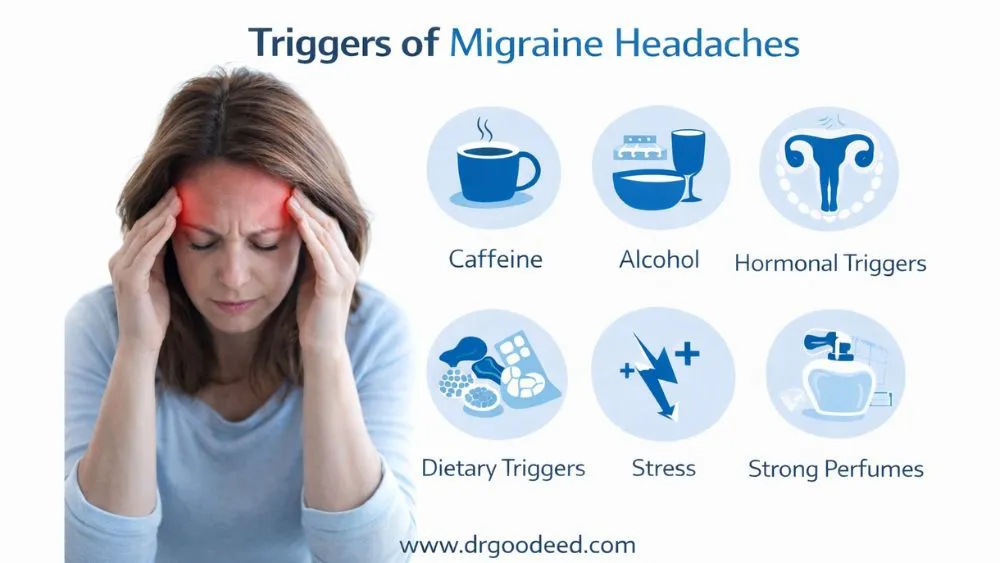
Triggers of migraine headaches are individual. What triggers a migraine in one person does nothing to another. That’s what makes migraines hard to manage without tracking patterns.
Hormonal Triggers
Estrogen fluctuations are the leading hormonal trigger. Migraines in women most often occur right before or during menstruation, when estrogen drops sharply. Oral contraceptives worsen migraines in some women and improve them in others.
Food and Dietary Triggers
Aged cheeses, processed meats, red wine, and foods with MSG or nitrates are common culprits. Skipping meals drops blood sugar fast, which triggers migraines in people who are susceptible. Caffeine is complicated: it relieves pain in small amounts but triggers migraines when withdrawn.
Stress and Sleep Disruption
Stress is the most commonly reported trigger globally. Both too little and too much sleep trigger migraines. Sleeping in on weekends shifts the brain’s rhythm enough to cause a “weekend migraine.”
Environmental and Sensory Triggers
Bright flickering lights, strong perfumes, high altitude, and barometric pressure drops are all documented triggers. Weather changes, especially the drop before a storm, trigger migraines in about 50% of migraine sufferers.
Sinus Headache Symptoms and Pressure
Sinus headache symptoms and pressure are frequently confused with migraines. One study found that 88% of people who believed they had sinus headaches actually met the criteria for migraines.
Facial Pain and Pressure Points
Sinus headache pain concentrates at the cheekbones, bridge of the nose, and forehead. Pressing on these areas makes the pain worse. The pain is dull, not throbbing.
Nasal Congestion and Inflammation
True sinus headaches always come with nasal congestion, thick discolored mucus, and sometimes fever. No congestion means it’s probably not a sinus headache.
How to Differentiate from Migraine
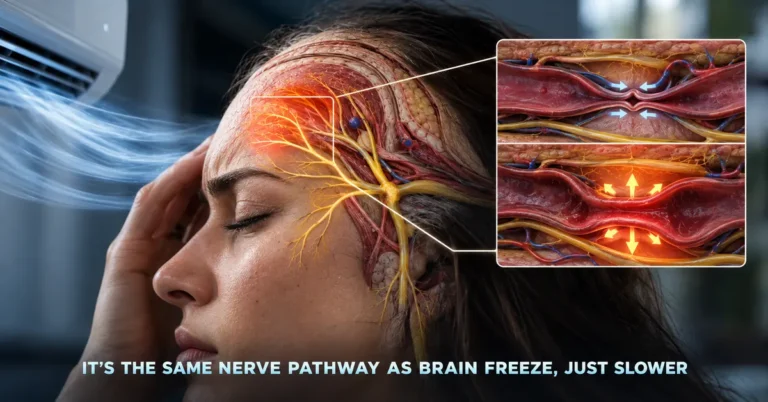
Migraines can cause nasal congestion too, because the trigeminal nerve controls both pain and nasal passages. The key difference: migraine pain throbs, gets worse with movement, and comes with nausea. Sinus headache pain is pressure-like and constant.
When Sinus Headaches Indicate Infection
If pain lasts more than 10 days, mucus turns yellow or green, or you have fever above 101°F (38.3°C), that’s a bacterial sinus infection. It needs antibiotics, not just painkillers.
Home Remedies for Tension Headache Relief
Home remedies for tension headache relief work best when applied early. Waiting until the pain is severe reduces how effective these approaches are.
Hydration and Nutrition
Dehydration is a direct trigger. Drinking 500 ml of water at the first sign of a tension headache reduces pain within 30 minutes for most people. Low magnesium, found in nuts, seeds, and dark leafy greens, is strongly linked to tension headaches.
Stress Reduction Techniques
Progressive muscle relaxation, where you tense and release muscle groups starting from the feet, reduces tension headache frequency by up to 50% in regular practitioners. Breathing exercises that slow the exhale activate the parasympathetic system and reduce muscle tension in the neck and scalp.
Heat Therapy and Posture Correction
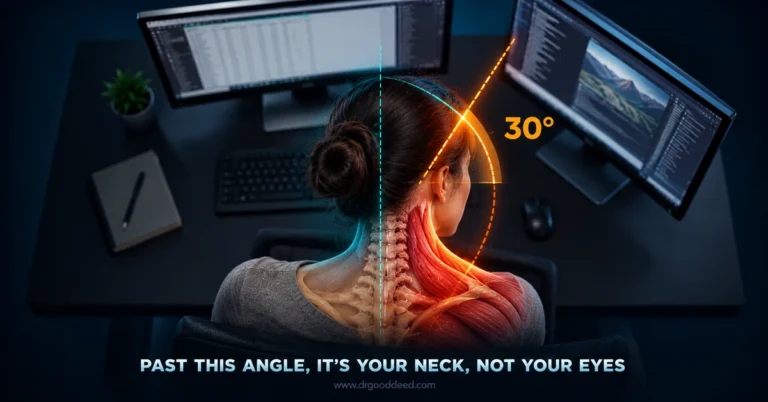
A warm compress on the back of the neck relaxes the suboccipital muscles, which are the most common source of tension headache pain. Forward head posture, common with phone and desk use, increases the effective weight on the neck by up to 60 pounds at a 60-degree angle.
Sleep Optimization
Going to sleep and waking at the same time every day reduces tension headache frequency. Even one night of poor sleep raises pain sensitivity the following day.
Treatment Options for Different Headache Types
Treatment options for different headache types are not interchangeable. Using the wrong treatment sometimes makes the headache worse.
Over-the-Counter Medications
Ibuprofen works better for migraines than acetaminophen. Aspirin is effective for tension headaches and mild migraines. Combination products with caffeine, like Excedrin, work faster but increase the risk of medication-overuse headaches with frequent use.
Prescription Treatments
Triptans (sumatriptan, rizatriptan) are first-line prescription treatments for migraines. They work by constricting blood vessels and blocking pain pathways. CGRP antagonists, a newer class approved since 2018, work faster in people who don’t respond to triptans. Cluster headaches respond to 100% oxygen therapy and subcutaneous sumatriptan injections.
Preventive Therapies
Propranolol, amitriptyline, and topiramate are standard preventive medications for migraines occurring more than 4 days per month. Botox injections are FDA-approved for chronic migraines, meaning 15 or more headache days per month.
Lifestyle-Based Management
A consistent headache diary tracking sleep, food, stress, and weather helps identify personal triggers. Biofeedback training, which teaches people to control physiological responses, reduces migraine frequency by 45 to 60% in clinical trials.
When to See a Doctor
Most headaches are harmless. Specific warning signs need same-day or emergency medical attention, not home treatment.
Go to the emergency room immediately if you experience:
- The worst headache of your life, especially if it starts suddenly
- Headache with fever, stiff neck, and confusion
- Headache after a head injury
- Headache with weakness, numbness, or slurred speech
- Vision loss or double vision with head pain
- Headaches in someone over 50 that are new or different from before
See your regular doctor if headaches occur more than 15 days per month or if over-the-counter medications stop working.
How to Prevent Headaches
Prevention works better than treatment for people with frequent types of headaches. The goal is reducing frequency, not just managing individual episodes.
- Keep a consistent sleep schedule, including weekends
- Drink at least 2 liters of water daily
- Limit caffeine to one source per day and avoid sudden withdrawal
- Exercise 30 minutes, 3 to 5 times per week; this reduces migraine frequency
- Limit alcohol, especially red wine and beer
- Take magnesium glycinate 400 mg daily if you get frequent migraines (evidence-backed)
- Screen time breaks every 20 minutes reduce eye strain and posture-related tension headaches
- Manage stress with a physical outlet, not just mental strategies
Frequently Asked Questions
What are the most common types of headaches?
Tension headaches are the most common, affecting 78% of adults. Migraines affect 15% globally. Cluster headaches are rare, hitting under 1% of people. These three cover almost every primary headache case a person encounters.
How do I know which headache I have?
Location and quality matter most. Throbbing pain on one side with nausea is a migraine. A tight band around both sides is tension. Stabbing pain behind one eye with a watery eye is a cluster headache. Keeping a diary for 4 weeks gives you a pattern.
Are migraines more serious than tension headaches?
Yes. Migraines are neurological events that disable people for hours to days. Tension headaches are uncomfortable but manageable. Migraines also carry a slightly higher risk of stroke, particularly in women who smoke and use estrogen-based contraceptives.
Can dehydration cause headaches?
Yes. Even mild dehydration, around 1 to 2% of body weight in fluid loss, triggers headaches in susceptible people. 500 ml of water at headache onset reduces pain intensity within 30 minutes in most cases.
What is the fastest way to relieve a headache?
For tension headaches: water, ibuprofen 400 mg, and a cold or warm compress. For migraines: a triptan taken at the very first sign of pain, a dark quiet room, and sleep if possible. Acting early cuts recovery time significantly.
When should I worry about a headache?
Worry when the headache is sudden and severe, comes with fever and stiff neck, follows a head injury, or is accompanied by vision loss or weakness on one side of the body. These require emergency evaluation.
Can headaches be a sign of a serious condition?
Rarely, but yes. A sudden thunderclap headache signals a possible brain aneurysm rupture. Persistent morning headaches that worsen over weeks can indicate a brain tumor. Both are uncommon, but both need immediate imaging.
How often is too often for headaches?
More than 15 headache days per month is classified as chronic daily headache. More than 4 migraine days per month qualifies for preventive medication. Frequent headaches also increase the risk of medication overuse, which makes the situation worse.
Do screen time and posture cause headaches?
Screen time causes eye strain headaches from reduced blinking and blue light exposure. Poor posture adds mechanical load to the neck, triggering tension headaches. Both are correctable. A monitor at eye level and the 20-20-20 rule (look 20 feet away every 20 minutes) help.
Can lifestyle changes cure headaches?
Lifesytle changes reduce headache frequency significantly. In clinical trials, consistent sleep, hydration, exercise, and trigger avoidance cut migraine days by 30 to 50% without medication. For tension headaches, lifestyle changes alone resolve the problem in many cases.