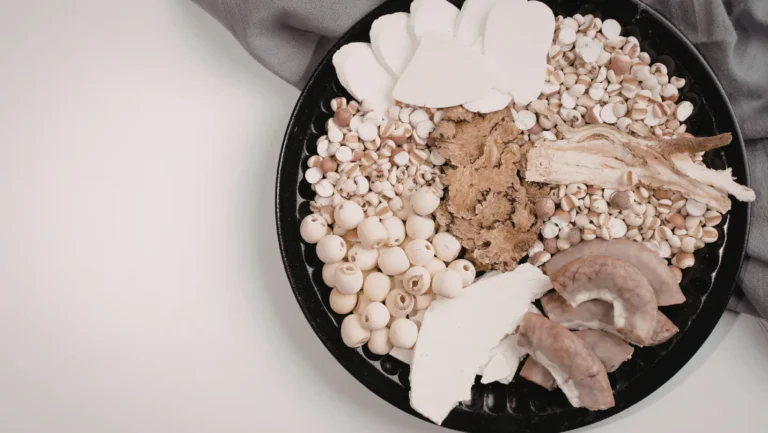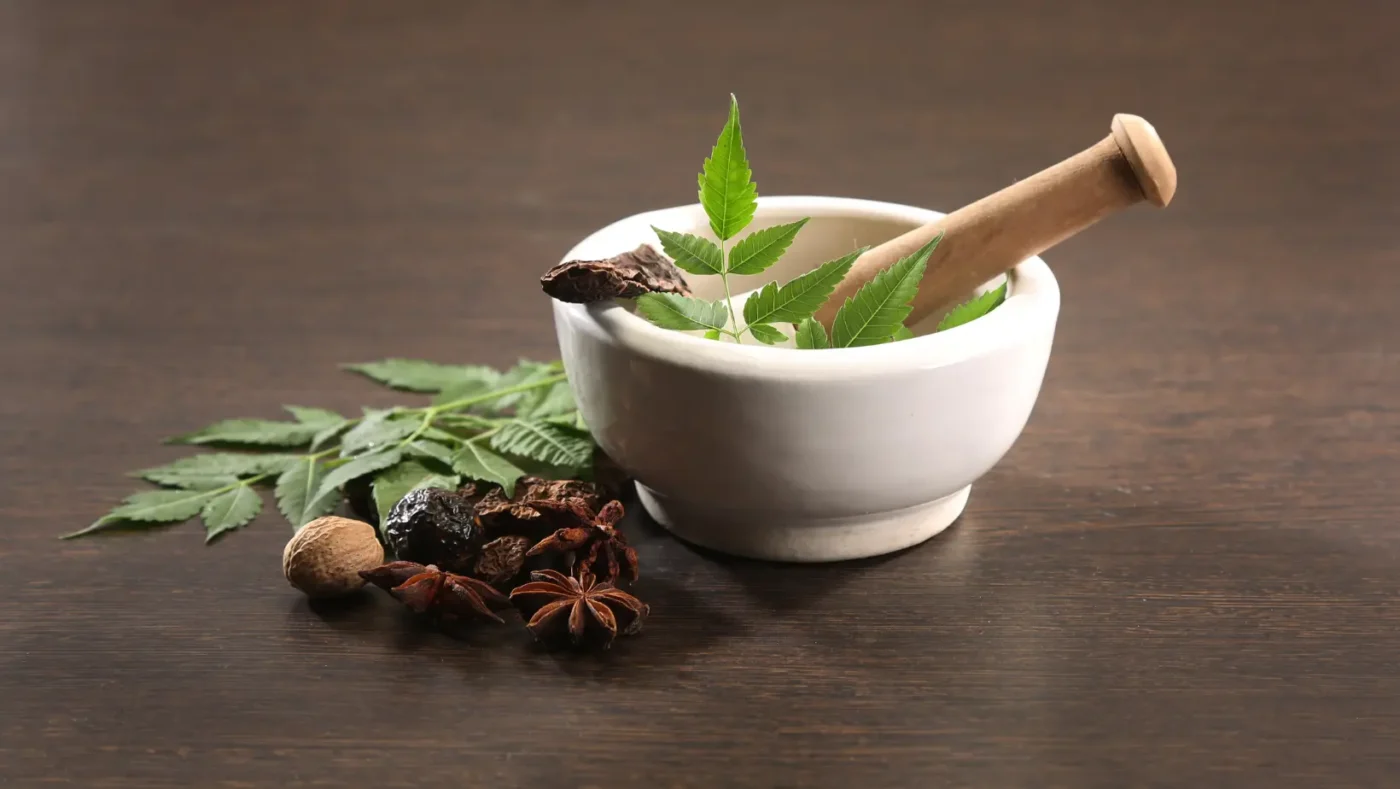

Ayurvedic medicine for diabetes addresses blood sugar imbalance at the metabolic root by correcting Kapha dosha excess, restoring digestive fire (Agni), and clearing insulin-blocking toxins (Ama) from tissues.
Ayurveda classifies diabetes under “Prameha,” a group of 20 urinary and metabolic disorders, with Type 2 diabetes mapping closely to “Madhumeha,” meaning sweet urine disease.
The CDC reports 38 million Americans have diabetes and another 97 million have prediabetes, making this one of the most widespread metabolic conditions in the US. This guide covers Ayurvedic causes, the best herbs, diet protocols, lifestyle strategies, and critical safety information for combining Ayurveda with conventional diabetes care.
How Ayurveda Helps Manage Blood Sugar
Ayurveda helps manage blood sugar differently from pharmaceutical management in a fundamental way. Conventional medicine targets insulin secretion or insulin sensitivity directly.
Ayurveda targets the upstream metabolic conditions that broke insulin function in the first place: Kapha accumulation in pancreatic tissue, Ama blocking cellular glucose uptake, and low Agni producing incomplete carbohydrate metabolism.
A 2013 systematic review in the Journal of Ethnopharmacology confirmed that multiple Ayurvedic herbs reduce fasting blood glucose, HbA1c, and postprandial glucose in Type 2 diabetic patients through distinct biological mechanisms.
What Causes Diabetes in Ayurveda
Lifestyle causes of diabetes are documented with clinical precision in Charaka Samhita, written roughly 2,500 years ago. The four primary drivers remain as relevant today as they were then.
Imbalance of Kapha Dosha
Kapha governs structure, fluid, and storage in the body. When Kapha accumulates in the pancreas and fat tissue, it reduces the sensitivity of insulin receptors. Cells stop responding to insulin even when it is present. This mirrors the modern definition of insulin resistance. Foods that increase Kapha, including sugar, white flour, cold dairy, and fried food, directly worsen this pathway.
Weak Digestive Fire (Agni)
Low Agni converts carbohydrates into Ama instead of usable glucose. This Ama enters the bloodstream and coats insulin receptor sites on cells. Cells cannot accept glucose efficiently, so blood sugar rises even without eating excessive sugar. This mechanism explains why many Indians and South Asian Americans develop Type 2 diabetes at lower BMI levels than White Americans; their Agni weakness is often constitutional and triggered earlier.
Accumulation of Toxins (Ama)
Ama is sticky metabolic waste that blocks the channels (Srotas) supplying the pancreas and liver. When Ama accumulates in pancreatic tissue specifically, it impairs beta cell function over time. Ayurvedic treatment for diabetes always begins with Ama clearance before introducing blood sugar-lowering herbs.
Sedentary Lifestyle and Poor Diet
Daytime sleeping, physical inactivity, and eating heavy meals repeatedly throughout the day are the top lifestyle causes of diabetes Ayurveda practitioners identify in clinical intake. These habits suppress Agni and increase Kapha simultaneously, creating the metabolic conditions for insulin resistance within 2 to 5 years of sustained practice.
Types of Diabetes in Ayurveda
Type 1 Diabetes (Autoimmune Imbalance)
Ayurveda classifies Type 1 diabetes as a Vata-Pitta disorder involving autoimmune destruction of pancreatic tissue. This is classified as “Sahaja Prameha” (congenital or genetically predisposed). The Ayurvedic management focuses on immune modulation and protecting remaining beta cell function. It does not replace insulin therapy.
Type 2 Diabetes (Kapha Dominance)
Type 2 diabetes is Kapha-dominant Madhumeha. This is the most treatable form in Ayurveda. Dietary changes, herbal therapy, and lifestyle correction produce measurable HbA1c reductions when implemented consistently over 3 to 6 months.
Prediabetes (Early Metabolic Imbalance)
Prediabetes maps to early-stage Prameha. Ayurvedic intervention at this stage is most effective because Ama has not yet caused structural pancreatic damage. A 2014 study from the All India Institute of Medical Sciences confirmed an Ayurvedic lifestyle intervention reduced prediabetes progression to Type 2 diabetes by 40% over 2 years.
Best Ayurvedic Medicines for Diabetes
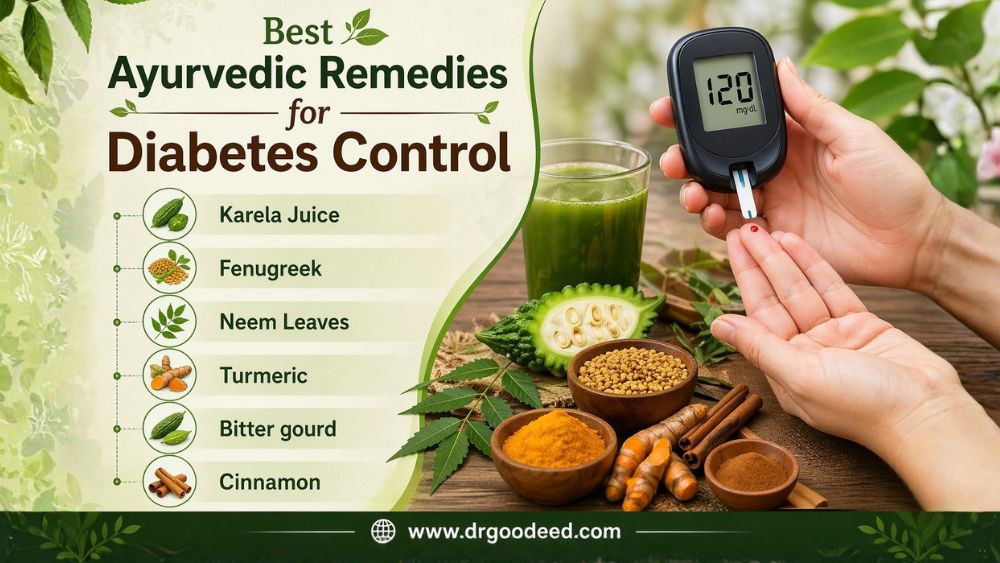
Ayurvedic medicine for diabetes includes several herbs with documented mechanisms of action, not just traditional use.
Gudmar (Gymnema Sylvestre): Sugar Control
Gudmar literally means “sugar destroyer” in Hindi. Gymnemic acids in Gudmar bind to glucose receptors in the small intestine, reducing sugar absorption after meals. A 2001 study in the Journal of Ethnopharmacology showed Gymnema supplementation reduced fasting blood glucose from an average of 174 mg/dL to 124 mg/dL over 18 months in Type 2 diabetic patients. Standard dose: 400mg of Gymnema sylvestre extract daily.
Karela (Bitter Gourd): Reduces Blood Glucose
Bitter gourd contains polypeptide-P, a plant-based insulin-like compound, and charantin, which activates GLUT4 glucose transporters in muscle cells. Together, these increase cellular glucose uptake independently of pancreatic insulin secretion. This makes Ayurvedic medicine for diabetes with Karela particularly valuable for patients with partial beta cell failure.
Jamun (Indian Blackberry): Improves Insulin Function
Jamun seed powder contains jamboline and jambosine, alkaloids that slow starch digestion and reduce postprandial glucose spikes. The seeds are more potent than the fruit for blood sugar control. Standard preparation: 3g of Jamun seed powder with warm water twice daily before meals.
Vijaysar: Natural Blood Sugar Regulator
Vijaysar (Pterocarpus marsupium) is a medicinal wood used in a traditional Ayurvedic practice of storing water overnight in a Vijaysar wooden cup and drinking it in the morning. The wood releases epicatechin and pterostilbene into the water, both of which stimulate insulin secretion from beta cells.
A 2005 study in the Indian Journal of Pharmacology confirmed Vijaysar water reduced fasting blood glucose in Type 2 diabetic patients significantly over 12 weeks.
Shilajit: Metabolic Support
Shilajit improves mitochondrial function in muscle cells, increasing their ability to burn glucose for energy. Fulvic acid in Shilajit activates AMPK, an enzyme that mimics the metabolic effect of exercise on insulin sensitivity. It works best in combination with other antidiabetic herbs rather than alone.
Best Ayurvedic Remedies for Diabetes Control
Best ayurvedic remedies for diabetes control include daily kitchen practices that measurably affect fasting and postprandial glucose levels.
Drinking Karela Juice Daily
Juice 100ml of fresh bitter gourd in the morning on an empty stomach. A 2011 study in the Journal of Ethnopharmacology confirmed bitter gourd juice reduced fasting blood glucose by an average of 14 mg/dL over 4 weeks in Type 2 diabetic patients. Drink it consistently for a minimum of 3 months to see sustained effect.
Fenugreek (Methi) Seeds Soaked Overnight
Soak 2 teaspoons of fenugreek seeds in 150ml of water overnight. Eat the seeds and drink the water on an empty stomach. Fenugreek contains 4-hydroxyisoleucine, an amino acid that directly stimulates insulin secretion in the pancreas.
A 2009 clinical study in the International Journal for Vitamin and Nutrition Research found soaked fenugreek seeds reduced fasting blood glucose by 25% over 8 weeks.
Neem Leaves for Sugar Balance
Chew 5 to 10 fresh neem leaves on an empty stomach every morning. Neem contains nimbolide and quercetin, which improve insulin receptor sensitivity and reduce inflammatory cytokines that worsen insulin resistance. Neem also reduces Ama in the liver, improving hepatic glucose regulation.
Turmeric with Warm Water
Drink half a teaspoon of turmeric in 200ml of warm water with a pinch of black pepper every morning. Curcumin activates PPAR-gamma receptors, which regulate glucose and lipid metabolism. Black pepper’s piperine increases curcumin absorption by 2,000% according to research published in Planta Medica.
High Blood Sugar Ayurvedic Treatment
High blood sugar ayurvedic treatment uses a combination of herbs, diet timing, and metabolic correction to reduce glucose spikes after meals and lower fasting levels over time.
Natural Glucose Regulation Methods
Eating the largest meal at lunch (12 PM to 2 PM) aligns with peak Agni. Digestive fire processes carbohydrates most efficiently at this time. Eating heavy carbohydrates at dinner, when Agni is low, converts excess glucose to fat and raises fasting blood sugar the next morning.
Herbs That Reduce Sugar Spikes
- Gudmar taken 20 minutes before meals reduces intestinal glucose absorption
- Cinnamon (1g with meals) improves insulin sensitivity in peripheral tissues
- Fenugreek seeds before breakfast slow gastric emptying and reduce post-meal glucose
Role of Digestion and Metabolism
Poor gut health worsens diabetes directly. The gut microbiome produces short-chain fatty acids that regulate insulin sensitivity. High blood sugar ayurvedic treatment always includes gut restoration alongside blood sugar management.
Ayurvedic Diet Plan for Diabetes
The Ayurvedic diabetic diet reduces Kapha and Ama while providing enough nutrition to sustain energy and protect muscle mass.
Foods to eat:
- Bitter vegetables: bitter gourd, fenugreek leaves, drumstick (moringa)
- Low-glycemic grains: barley, millet, old basmati rice
- Legumes: moong dal, black gram
- Spices that improve insulin sensitivity: turmeric, cinnamon, fenugreek, cumin
- Amla (Indian gooseberry): high chromium content improves insulin function
- Warm water or herbal teas throughout the day
Foods to strictly avoid:
- White sugar, jaggery in excess, and honey in large amounts
- Refined flour products (white bread, pasta, pastries)
- Cold dairy, especially flavored yogurt and ice cream
- Fried foods and heavy oils
- Fruit juices and carbonated drinks
- Eating fruit with cooked meals (Ayurveda classifies this as Ama-producing)
Weight Loss in Diabetes: Ayurveda Support
Why Weight Matters in Diabetes
Weight loss the ayurveda support matters because visceral fat (fat around internal organs) directly impairs insulin signaling. Losing 5% to 10% of body weight reduces HbA1c by 0.5% to 1.5% in most Type 2 diabetic patients without any medication change.
Ayurvedic Fat Metabolism Approach
Ayurveda treats diabetic obesity as a combined Kapha-Ama disorder. Clearing Ama from fat tissue is prioritized before fat-burning herbs are introduced. Triphala (5g at bedtime) clears Ama. Guggul (500mg twice daily) then accelerates fat metabolism by stimulating thyroid function and lipolysis.
Herbs That Support Weight Loss
- Guggul: activates thyroid and accelerates fat burning
- Triphala: removes Ama and improves gut microbiome diversity
- Punarnava: reduces water retention that inflates apparent weight
- Vijaysar: reduces lipid accumulation in liver and adipose tissue
Lifestyle Changes to Control Diabetes
Daily Routine (Dinacharya)
Wake before 6 AM. Drink 300ml of warm water. Walk for 20 minutes before breakfast. This morning walk alone reduces fasting blood sugar by activating GLUT4 glucose transporters in muscle cells before the first meal of the day.
Regular Exercise and Yoga
Exercise is the most potent insulin sensitizer in Ayurveda and modern medicine alike. Surya Namaskar (12 rounds) performed daily burns approximately 150 calories and improves glucose uptake in muscle cells for up to 48 hours after a session.
Stress Management
Cortisol raises blood glucose directly by triggering hepatic gluconeogenesis, which means the liver makes new glucose from proteins. Chronic stress raises HbA1c independent of diet. Ashwagandha (300mg twice daily) reduces cortisol by up to 27.9% in chronically stressed adults, according to a 2012 study in the Indian Journal of Psychological Medicine.
Sleep Optimization
Sleep deprivation below 6 hours raises fasting glucose and reduces insulin sensitivity by 25% within 3 days according to research from the University of Chicago. Sleep before 10 PM. Avoid screens for 1 hour before sleep. Shankhpushpi (1g in warm milk at bedtime) supports deep sleep without causing dependency.
Yoga and Pranayama for Diabetes
Kapalbhati and Anulom Vilom
Kapalbhati (rapid forceful exhalation) massages abdominal organs including the pancreas, increasing blood flow to beta cells. Twenty minutes daily reduces fasting blood glucose measurably over 4 weeks in multiple Indian clinical studies. Anulom Vilom (alternate nostril breathing) reduces cortisol and supports parasympathetic nervous system activity, which improves insulin signaling.
Walking and Light Activity
A 15-minute walk after each meal reduces postprandial glucose by 12% compared to sitting after meals, according to a 2022 study published in Sports Medicine. This is one of the most underused and most effective best ayurvedic remedies for diabetes control tools available.
Stress Reduction Impact on Blood Sugar
Yoga reduces inflammatory cytokines like TNF-alpha and IL-6 that directly impair insulin receptor signaling. Practicing yoga 5 days per week for 12 weeks reduces HbA1c by an average of 0.5% in Type 2 diabetic patients, according to a 2016 meta-analysis in the Journal of Diabetes Research.
Can Ayurveda Reverse Diabetes?
Early-Stage Diabetes Potential
Prediabetes and early Type 2 diabetes with HbA1c below 7.5% respond strongly to Ayurvedic intervention. The AIIMS study mentioned earlier showed 40% reduction in progression rate with Ayurvedic lifestyle protocols alone.
At this stage, ayurvedic medicine for diabetes has genuine disease-reversal potential when combined with weight loss and dietary correction.
Long-Term Management vs Cure
For patients with HbA1c above 8% or diabetes lasting over 10 years, Ayurveda manages blood sugar and reduces complications rather than reversing the disease. Expecting a cure at this stage sets unrealistic expectations. Expect meaningful reduction in fasting glucose, better energy, and lower HbA1c over 3 to 6 months.
Importance of Consistency
The biggest failure in Ayurvedic diabetes management is inconsistency. Herbs and dietary changes work cumulatively. Stopping after 4 weeks because results seem slow is the most common mistake. Clinical studies showing results use protocols of 12 to 24 weeks minimum.
Are Ayurvedic Medicines Safe for Diabetes
When Used with Medical Guidance
Ayurvedic medicine for diabetes is safe for most adults at standard doses. Always disclose all Ayurvedic herbs to your prescribing physician, especially if you take metformin, sulfonylureas, or insulin.
Herb-Drug Interactions
Gymnema, Karela, and fenugreek all lower blood glucose actively. Combining them with insulin or sulfonylureas (like glipizide or glibenclamide) risks hypoglycemia, which is a drop in blood sugar below 70 mg/dL. Monitor blood glucose more frequently when starting any Ayurvedic protocol alongside diabetes medications.
Importance of Dosage
Gymnema above 800mg daily causes GI irritation. Shilajit from unverified sources risks heavy metal contamination. Always use third-party tested brands. In the US, look for NSF or USP certification. Brands like Himalaya USA and Banyan Botanicals operate GMP-certified facilities with standardized herbal extracts.
Frequently Asked Questions
Can Ayurveda cure type 2 diabetes permanently?
Yes, for prediabetes and early Type 2 with HbA1c below 7%, Ayurvedic medicine for diabetes combined with 7% to 10% body weight loss produces full remission in some patients. For long-standing diabetes above 10 years, Ayurveda manages the condition effectively but full reversal is unlikely without conventional medical support.
Is karela juice effective for diabetes?
Yes. Karela juice at 100ml daily on an empty stomach reduced fasting blood glucose by an average of 14 mg/dL over 4 weeks in a 2011 Journal of Ethnopharmacology study. Charantin and polypeptide-P in karela activate GLUT4 transporters, improving glucose uptake in muscle cells independent of insulin.
How long does it take to control blood sugar with Ayurveda?
Fasting blood glucose responds within 4 to 8 weeks of consistent herb use and dietary changes. HbA1c, which reflects a 3-month average, shows measurable reduction after 12 weeks. Full metabolic correction in high blood sugar ayurvedic treatment programs takes 6 months of uninterrupted protocol.
Can I take Ayurvedic medicine with allopathy?
Yes, but only under medical supervision. Gymnema, Karela, and fenugreek actively lower blood sugar. Taking them with metformin or insulin without monitoring risks hypoglycemia. Inform your doctor. Most US integrative physicians are familiar with these interactions and adjust conventional drug dosages accordingly.
What is the best diet for diabetes in Ayurveda?
Barley, bitter gourd, moong dal, fenugreek leaves, and spices like turmeric, cinnamon, and cumin form the core of the best ayurvedic remedies for diabetes control dietary approach. Avoid white flour, cold dairy, fruit juices, and heavy evening meals. Lunch should be the largest meal daily.
Does weight loss help reverse diabetes?
Yes. Losing 10% of body weight reduces HbA1c by 1% to 1.5% independently of medication. Weight loss in diabetes ayurveda support using Guggul and Triphala combined with dietary Kapha reduction accelerates this process. The DiRECT trial (UK, 2018) confirmed that 15kg weight loss produced Type 2 diabetes remission in 46% of participants.
Are Ayurvedic remedies safe long-term?
Yes, for classical formulations at standard doses. Gymnema at 400mg daily is safe for 18 months based on clinical trial data. Bitter gourd juice at 100ml daily is safe long-term. Avoid self-administering Rasa Shastra formulations (those containing processed metals) without practitioner oversight, as these carry hepatotoxicity risk at incorrect doses.
Which herbs reduce blood sugar fastest?
Gudmar (Gymnema sylvestre) produces the fastest glucose reduction by blocking intestinal sugar absorption within 20 minutes of ingestion. Karela juice works within 2 to 4 hours of consumption. Ayurvedic medicine for diabetes using both herbs together gives the fastest combined fasting and postprandial glucose reduction.
Can stress increase blood sugar levels?
Yes. Cortisol triggers hepatic gluconeogenesis, meaning the liver produces new glucose even without eating. A single stressful event raises blood glucose by 20 to 40 mg/dL in diabetic patients within 30 minutes. Ashwagandha 300mg twice daily reduces this cortisol spike by up to 27.9%, directly protecting blood sugar stability.