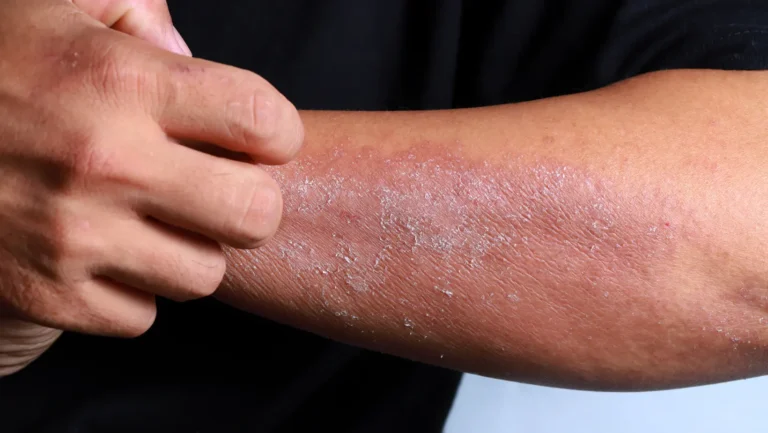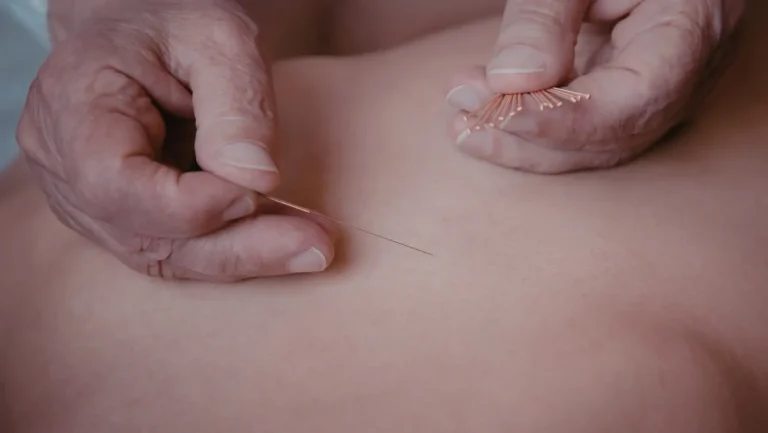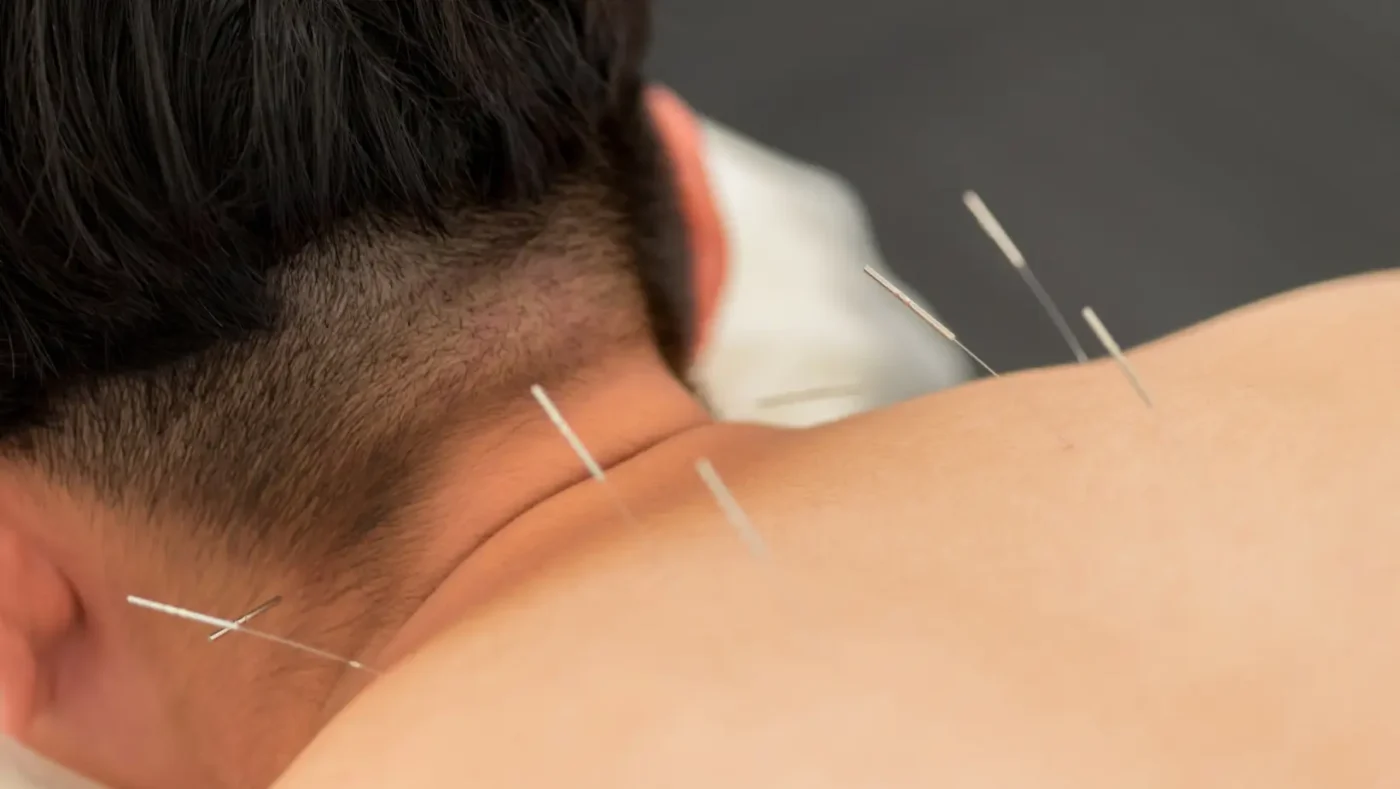

Dry needling vs acupuncture both use thin needles inserted into the skin. That’s where the similarity ends. One is rooted in 3,000-year-old Chinese medicine. The other is a modern physical therapy technique developed in the 1970s.
In the US, millions of people use both for pain relief, but choosing the wrong one for your condition wastes time and money. This guide covers the definitions, clinical differences, research-backed benefits, side effects, and which treatment works better for specific conditions.acu
What Is Dry Needling?
Dry needling is a Western clinical technique used by physical therapists, chiropractors, and sports medicine doctors. It targets myofascial trigger points, which are tight, hypersensitive knots in muscle tissue that cause localized or referred pain.
Definition and Technique
A thin monofilament needle gets inserted directly into a trigger point. No medication goes through the needle; that’s what “dry” means. The needle causes a local twitch response in the muscle, which releases the knot and reduces pain signals in that area. Sessions typically last 15 to 30 minutes.
Trigger Point Pain Treatment Explained
Trigger point pain treatment dry needling vs acupuncture shows a clear distinction here. Dry needling targets specific neuromuscular dysfunction, not energy pathways. It works by disrupting the dysfunctional motor end-plate activity inside the muscle knot. This reduces acetylcholine release, lowers muscle tension, and improves blood flow to the affected area.
Conditions Treated
- Muscle strains and sports injuries
- Chronic neck and lower back pain
- Tension headaches from cervical muscle knots
- IT band syndrome and plantar fasciitis
- Post-surgical muscle tightness
- Fibromyalgia-related trigger points
What Is Acupuncture?
Acupuncture is a core treatment in Traditional Chinese Medicine (TCM). It uses the same type of thin needle but places them along mapped energy channels called meridians. There are 361 classical acupuncture points across 14 main meridians in the body.
Traditional Chinese Medicine Approach
TCM views illness as a disruption in Qi (pronounced “chee”), the body’s vital energy. Acupuncture restores Qi flow by stimulating specific points. From a Western neuroscience perspective, acupuncture activates the autonomic nervous system and releases endorphins, serotonin, and adenosine at needle sites.
Muscle Tension vs Energy Flow Theory
Muscle tension vs energy flow theory is the core philosophical split between these two practices. Dry needling says pain comes from muscular dysfunction. Acupuncture says pain signals a deeper systemic imbalance. In practice, both activate the nervous system, reduce inflammation, and trigger endorphin release, just through different frameworks and needle placements.
Conditions Treated
- Chronic pain (arthritis, sciatica, neuropathy)
- Anxiety, depression, and insomnia
- Digestive disorders (IBS, nausea)
- Migraines and cluster headaches
- Hormonal imbalances and menstrual pain
- Post-chemotherapy nausea
Difference Between Dry Needling and Acupuncture
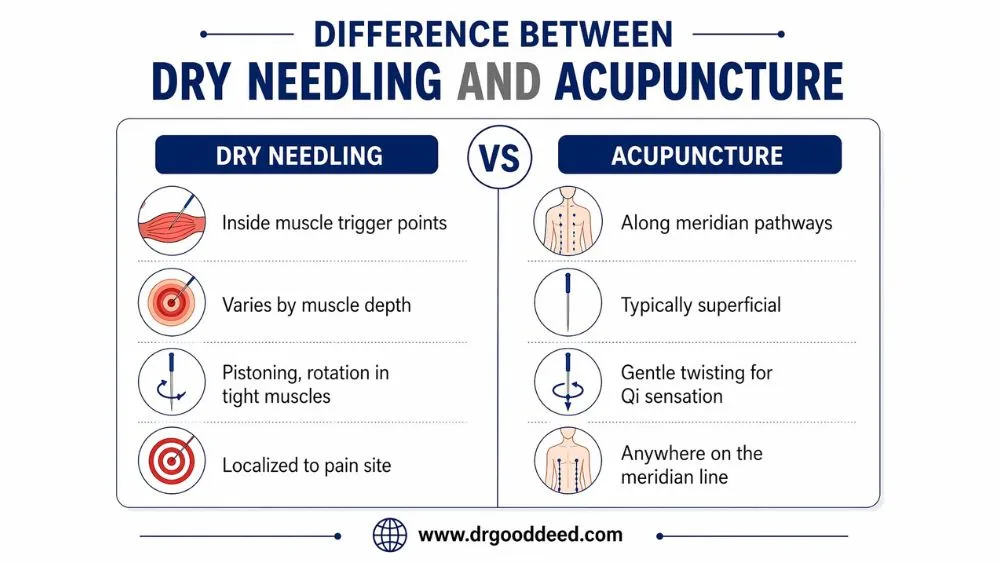
The difference between dry needling and acupuncture goes beyond philosophy. Technique, training requirements, legal regulations, and treatment goals separate them significantly.
Philosophy: Western vs Eastern Medicine
Dry needling operates from anatomy and physiology. It requires a specific clinical diagnosis before treatment. Acupuncture operates from TCM pattern diagnosis, which includes pulse reading, tongue inspection, and symptom mapping across organ systems.
Technique and Needle Placement
| Feature | Dry Needling | Acupuncture |
| Needle placement | Inside muscle trigger points | Along meridian pathways |
| Needle depth | Varies by muscle depth | Typically superficial |
| Needle manipulation | Pistoning, rotation in tight muscles | Gentle twisting for Qi sensation |
| Treatment area | Localized to pain site | Anywhere on the meridian line |
Treatment Goals and Outcomes
Dry needling targets a single problem: reduce muscle pain and restore function. Acupuncture targets the whole system. Someone with lower back pain gets local lumbar points plus kidney meridian points in TCM, because TCM connects the kidneys to low back strength.
Duration and Frequency
Dry needling: typically 4 to 8 sessions for acute muscle issues. Acupuncture: 8 to 12 sessions for most chronic conditions, with maintenance sessions monthly afterward.
Dry Needling vs Acupuncture Benefits
Dry needling vs acupuncture benefits differ based on what the body needs. One resets muscle function; the other resets systemic balance.
Benefits of Dry Needling
- Immediate reduction in muscle tightness after the first session
- Directly resolves trigger points that don’t respond to massage
- Restores range of motion faster than stretching alone
- Evidence-backed for neck pain: a 2021 Journal of Orthopaedic & Sports Physical Therapy study found dry needling reduced cervical pain scores by 38% in 4 weeks
- Covered by many US insurance plans when administered by a licensed PT
Benefits of Acupuncture
- Regulates cortisol, serotonin, and endorphin levels systemically
- Reduces chronic pain without medication dependency
- Effective for conditions dry needling doesn’t touch: anxiety, insomnia, nausea, hormonal symptoms
- WHO recognizes acupuncture as effective for 28 conditions including headache, sciatica, and osteoarthritis
- Long-term benefits accumulate over multiple sessions
Dry Needling vs Acupuncture for Pain Relief
Neck and Back Pain
Both work. A 2017 Cochrane review found acupuncture reduced chronic low back pain better than no treatment and comparable to conventional care. Dry needling outperforms acupuncture for acute muscle-specific neck pain because it directly targets the dysfunctional tissue.
Sports Injuries
Dry needling wins for sports injuries. It resolves trigger points in specific muscles (quadriceps, hamstrings, rotator cuff) faster and more precisely than acupuncture. Many US professional sports teams employ dry needling therapists for this reason.
Chronic Pain Conditions
Acupuncture wins for chronic systemic pain. A 2018 meta-analysis in the Journal of Pain analyzed 20,827 patients and found acupuncture produced statistically significant improvements in chronic back pain, neck pain, osteoarthritis, and headache.
Headaches and Migraines
Acupuncture leads here. The American Migraine Foundation recognizes acupuncture as an effective preventive treatment, reducing migraine frequency by 50% or more in roughly 50% of patients. Dry needling helps tension headaches from cervical trigger points but doesn’t address migraine neurobiology the same way.
Trigger Point Pain Treatment: Which Works Better?
Trigger point pain treatment dry needling vs acupuncture research consistently shows dry needling outperforms acupuncture when the pain source is a confirmed myofascial trigger point. But the comparison shifts for systemic conditions.
When Dry Needling Is More Effective
- Acute muscle injuries with a clearly identified trigger point
- Post-exercise muscle soreness and stiffness
- Nerve entrapment from surrounding muscle tightness
- Athletes needing fast recovery between competitions
When Acupuncture Is More Suitable
- Chronic pain without a clear structural cause
- Stress, anxiety, or sleep disorders contributing to pain
- Conditions with a hormonal or digestive component
- Patients who want a whole-body approach rather than localized treatment
Combined Therapy Approach
Some pain clinics in the US now offer both in the same treatment plan. A physical therapist uses dry needling on the trigger point first; then an acupuncturist addresses the systemic pattern. This combination works well for fibromyalgia and complex regional pain syndrome.
Side Effects of Dry Needling vs Acupuncture
Side effects of dry needling vs acupuncture are mostly mild, but they differ in type and location.
Common Side Effects of Dry Needling
- Muscle soreness lasting 24 to 48 hours after treatment (similar to post-workout soreness)
- Temporary bruising at needle sites
- Fatigue after session
- Rare: pneumothorax (lung puncture) if needles placed near the thorax incorrectly, which is why training matters
Common Side Effects of Acupuncture
- Minor bleeding or bruising at needle points
- Lightheadedness during or after the first session
- Temporary worsening of symptoms in the first 1 to 2 sessions (healing response)
- Rare: infection from non-sterile needles, which doesn’t happen in licensed US clinics using disposable needles
Dry Needling vs Acupuncture for Specific Conditions
Lower Back Pain
Both are effective. For muscle-specific lumbar pain with trigger points in the quadratus lumborum or erector spinae, dry needling gives faster relief. For chronic low back pain with stress or kidney deficiency patterns, acupuncture produces better long-term results.
Knee Pain
Dry needling targets the vastus medialis and quadriceps trigger points causing patellofemoral pain. Acupuncture addresses osteoarthritis-related knee pain by reducing inflammation systemically. A 2019 NIH-funded JAMA study found acupuncture significantly reduced knee osteoarthritis pain at 26 weeks.
Neck Tension
Dry needling directly releases the upper trapezius and levator scapulae knots that cause neck tension. Most people feel immediate softening of the muscle after the first session. Acupuncture takes longer but addresses the Liver Qi stagnation pattern that stress-related neck tension often involves.
Stress and Anxiety
Acupuncture wins here, clearly. Dry needling has no mechanism for treating anxiety. Acupuncture regulates the hypothalamic-pituitary-adrenal (HPA) axis, reduces cortisol, and activates the parasympathetic nervous system. A 2013 Georgetown University study confirmed acupuncture measurably reduces stress hormones in rats; subsequent human trials showed similar results.
Which Is Better: Dry Needling or Acupuncture?
Based on Condition
- Muscle injuries, sports recovery, trigger point pain: Dry needling
- Chronic pain, migraines, anxiety, digestive issues, hormonal problems: Acupuncture
- Post-surgical rehabilitation: Dry needling
- Insomnia, stress, systemic inflammation: Acupuncture
Based on Treatment Goals
Short-term structural fix: dry needling. Long-term systemic rebalancing: acupuncture. Neither is universally better. The wrong choice for the wrong condition produces mediocre results from both.
Short-Term vs Long-Term Relief
Dry needling produces faster, more localized relief. Most patients notice improvement after session one or two. Acupuncture builds over multiple sessions. The effect compounds. Patients often report that their 8th acupuncture session delivers noticeably better results than their 2nd.
How to Choose the Right Treatment
Your Symptoms and Diagnosis
If a physical therapist or doctor has identified a specific trigger point or muscle dysfunction, dry needling is the direct answer. If your pain is diffuse, chronic, or connected to stress and sleep problems, acupuncture addresses more of the picture.
Practitioner Expertise
In the US, dry needling is performed by licensed physical therapists (DPT), chiropractors, and some MDs. Acupuncture is performed by licensed acupuncturists (L.Ac. or DAOM). Some practitioners hold dual credentials. Always verify state licensure; requirements vary significantly by state.
Budget and Accessibility
Dry needling is more widely covered by US health insurance under physical therapy billing codes. Acupuncture coverage expanded under the Affordable Care Act but remains inconsistent. Out-of-pocket acupuncture costs range from $75 to $150 per session in most US cities.
When to See a Doctor
See a medical doctor before starting either treatment if you have:
- A bleeding disorder or take blood thinners (warfarin, aspirin therapy)
- An active infection, open wound, or skin condition in the treatment area
- A pacemaker (electrical stimulation is sometimes used with dry needling)
- Cancer with bone metastasis
- Pregnancy, for certain acupuncture points that stimulate uterine contractions
Dry needling vs acupuncture are both safe under qualified practitioners. The risk comes from undertrained providers and self-referral without proper diagnosis.
Frequently Asked Questions
Is dry needling the same as acupuncture?
No. Dry needling vs acupuncture differ in philosophy, training, needle placement, and goals. Dry needling targets muscle knots using anatomy. Acupuncture targets energy meridians using TCM diagnosis. The needles look identical, but the frameworks and outcomes are different.
Which is more painful: dry needling or acupuncture?
Dry needling is generally more uncomfortable. The local twitch response in the muscle causes a brief cramping sensation lasting 1 to 5 seconds. Acupuncture needles cause a dull heaviness (called De Qi) rather than sharp pain. Most patients rate both as tolerable.
How many sessions are needed for results?
Dry needling: 4 to 6 sessions for acute conditions. Acupuncture: 8 to 12 sessions for chronic conditions. Both require consistency. Stopping after 2 sessions because results feel slow is the most common reason people report these treatments “didn’t work.”
Is dry needling scientifically proven?
Yes. Multiple randomized controlled trials support dry needling for myofascial pain. The Journal of Manual & Manipulative Therapy (2016) found dry needling significantly outperformed sham treatment for upper trapezius trigger point pain. It’s less studied than acupuncture but growing in clinical evidence.
Is acupuncture better for chronic pain?
Yes. A 2018 meta-analysis in JAMA Internal Medicine covering 20,827 patients confirmed acupuncture produced statistically significant improvements over sham treatment and no treatment for chronic back pain, neck pain, osteoarthritis, and headache. Effects lasted up to 12 months post-treatment.
Can both treatments be used together?
Yes. Combined dry needling vs acupuncture protocols are used in US integrative medicine for fibromyalgia, complex regional pain syndrome, and post-surgical recovery. Dry needling handles the muscular component; acupuncture addresses systemic regulation and stress response.
Are there any serious side effects?
Serious side effects are rare but real. Dry needling carries a small pneumothorax risk near the thorax if performed by an undertrained provider. Acupuncture carries infection risk with non-sterile needles, though all licensed US practitioners use disposable single-use needles. Nerve injury is documented but rare.
Who should avoid these therapies?
People on blood thinners, those with active infections at the treatment site, and patients with lymphedema should avoid both. Pregnant women should avoid specific acupuncture points (SP6, LI4, BL60) known to stimulate contractions. Always disclose full medical history before the first session.
How long do results last?
Dry needling results for a resolved trigger point last weeks to months, longer with corrective exercise added. Acupuncture results for chronic pain last 6 to 12 months after a full treatment course. Both require maintenance sessions to prevent relapse in recurring conditions.
Which treatment is more effective for muscle knots?
Dry needling. Trigger point pain treatment dry needling vs acupuncture research clearly shows dry needling produces faster, more direct deactivation of myofascial trigger points. Acupuncture can address nearby meridian points and reduce referred pain, but dry needling hits the actual dysfunctional tissue more precisely.