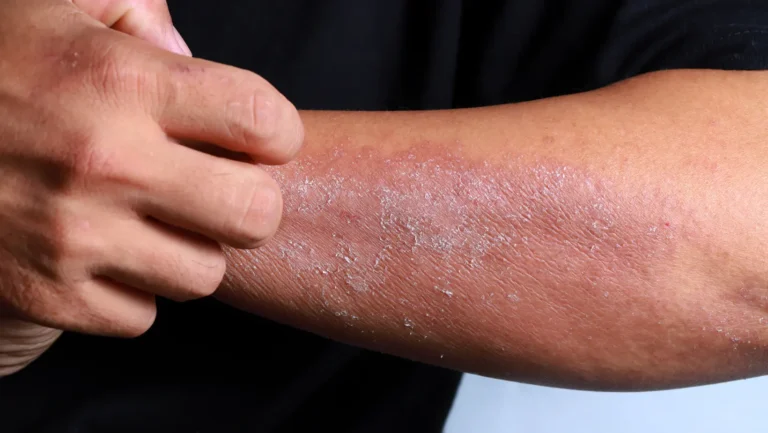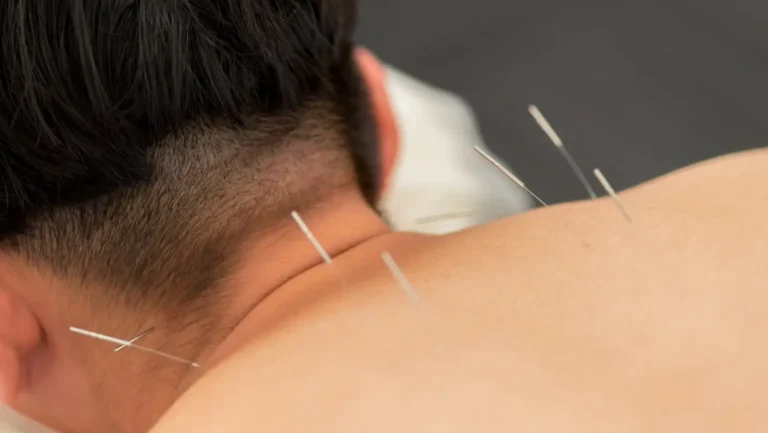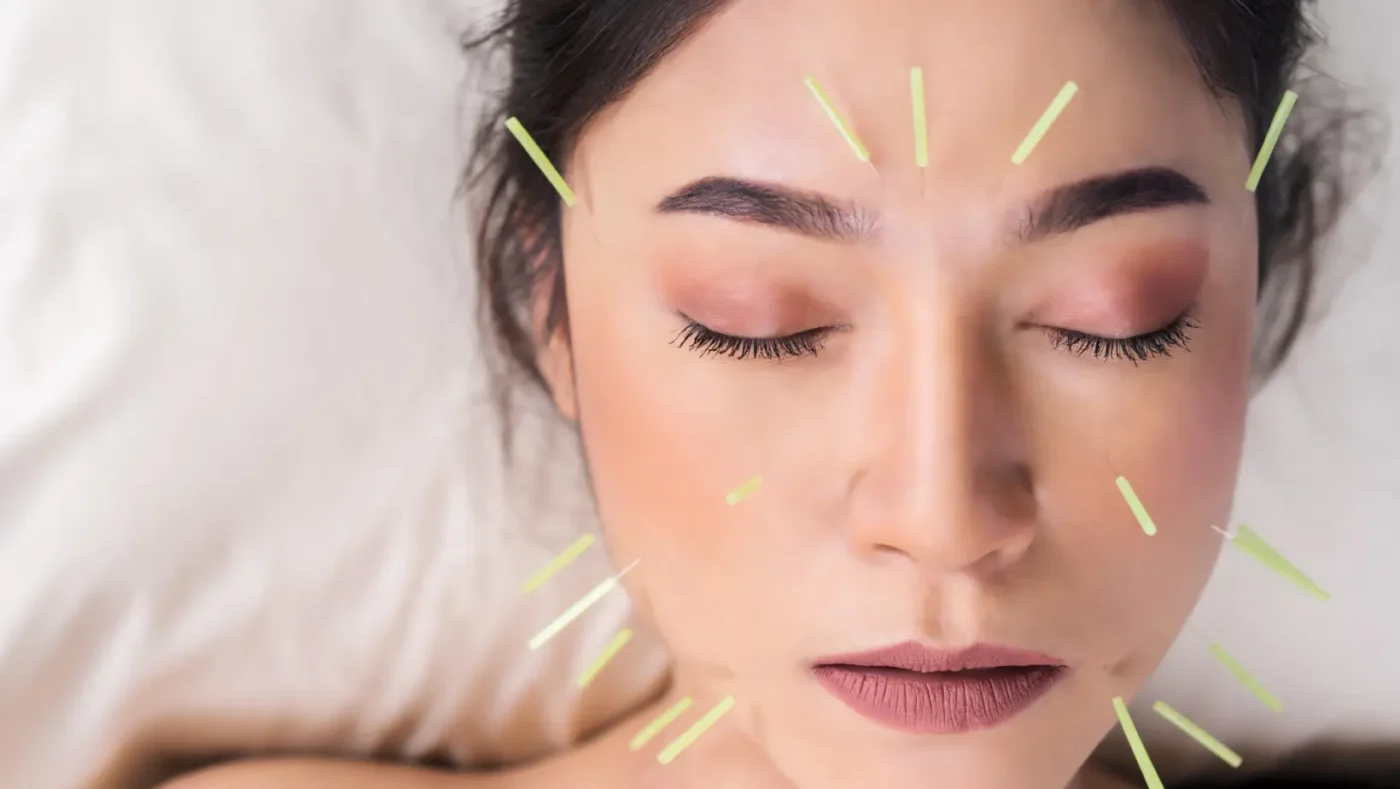

Acupuncture for allergies works by regulating the immune system’s overreaction to triggers like pollen, dust, and pet dander, rather than just masking symptoms the way antihistamines do.
Over 50 million Americans deal with allergies every year, making it the 6th leading cause of chronic illness in the US according to the CDC. A landmark 2013 randomized controlled trial published in Annals of Internal Medicine found that patients who received acupuncture for allergic rhinitis used significantly fewer antihistamines and reported better quality of life scores than those who didn’t.
What Are Allergies and Why They Happen
Allergies occur when the immune system treats a harmless substance as a threat. The immune system then produces IgE antibodies, which trigger mast cells to release histamine, the chemical responsible for sneezing, itching, swelling, and congestion.
Immune System Overreaction
The immune response in allergies is a classic case of the body doing too much. Histamine release causes blood vessels to dilate, mucous membranes to swell, and airways to constrict. This is exactly the reaction the body uses for real threats, just misdirected at pollen or dust.
Common Triggers (Pollen, Dust, Food)
In the US, the most common allergy triggers are tree and grass pollen (spring and summer), dust mites (year-round), mold spores, pet dander, and food allergens like peanuts, shellfish, and dairy. Each trigger produces a slightly different symptom pattern, which matters for how acupuncture for allergies gets applied.
Seasonal vs Chronic Allergies
Seasonal allergic rhinitis (hay fever) peaks during pollen seasons. Chronic or perennial allergies persist year-round from dust, mold, or food. The Acupuncture protocols differ slightly between these two categories, with seasonal cases typically responding faster than chronic perennial allergies.
How Acupuncture Works for Allergies
Acupuncture for allergies reduces symptoms through measurable biological mechanisms, not just energy theory. dry Needle stimulation triggers responses in the nervous system, immune cells, and inflammatory pathways that directly affect allergy symptoms.
Regulating Immune Response
Acupuncture reduces IgE antibody levels in allergic patients. A 2016 study in Allergy journal found that acupuncture significantly decreased serum IgE and interleukin-4 (IL-4) levels in patients with allergic rhinitis. Lower IgE means fewer mast cells activated, which means less histamine released per allergen exposure.
Reducing Inflammation
Needle insertion stimulates adenosine release at local tissue sites. Adenosine has a direct anti-inflammatory effect. Acupuncture also activates the vagus nerve, which suppresses systemic inflammatory cytokines including TNF-alpha and IL-6. These are the same inflammatory proteins elevated in allergic conditions.
Improving Sinus Drainage
Specific facial acupuncture points stimulate the trigeminal nerve branches that control blood flow and secretion in the nasal mucosa. This improves mucociliary clearance, which is the natural mechanism the sinuses use to drain mucus. Better drainage means less congestion and lower infection risk.
Balancing Qi and Lung Function
In TCM, allergies connect to a weakness in Lung Qi and Wei Qi (defensive energy). The Lung meridian in TCM governs the respiratory system and the body’s first line of defense against external pathogens. Strengthening Lung Qi through acupuncture translates, in Western terms, to improving mucosal barrier function and reducing hypersensitivity responses.
Acupuncture Treatment for Seasonal Allergies
Acupuncture treatment for seasonal allergies works best when started 4 to 6 weeks before the allergy season begins. Waiting until symptoms peak reduces the effectiveness significantly.
Hay Fever (Allergic Rhinitis)
Effectiveness of acupuncture for hay fever has the strongest clinical evidence among all allergy types. The 2013 Annals of Internal Medicine study with 422 patients showed acupuncture reduced rhinitis symptoms by 45% compared to antihistamine-only groups. Does acupuncture reduce allergy symptoms for hay fever? Yes, and it specifically reduces sneezing frequency, nasal itching, and watery eyes more than nasal congestion.
Dust and Environmental Allergies
Year-round environmental allergies respond more slowly. Patients typically need 10 to 15 sessions before stable improvement appears. The ST36 and LI4 points are emphasized in these protocols because they address immune regulation rather than acute symptom relief.
Chronic Sinus Congestion
Chronic sinus congestion from allergies often involves both Lung Qi deficiency and Spleen dampness in TCM. Points that drain dampness (SP9, ST40) get combined with local sinus points to address congestion that doesn’t fully clear between seasons.
Acupuncture Points for Allergy Relief
Acupuncture points for allergy relief fall into two categories: local points that directly address nasal and sinus symptoms, and systemic points that regulate the immune response. Both categories get used in the same session.
LI20 (Yingxiang): Nasal Congestion
LI20 sits at the base of the nostrils, in the nasolabial groove. It’s the primary point for acute nasal blockage. Stimulating LI20 activates the infraorbital nerve branch of the trigeminal nerve, which increases local blood flow and reduces mucosal swelling within minutes. Most patients notice nasal opening during the session itself.
LI4 (Hegu): Immune Support
LI4 sits in the webbing between the thumb and index finger. It’s one of the most researched acupuncture points in the world. Studies show LI4 stimulation reduces cortisol, modulates T-helper cell ratios, and decreases pro-inflammatory cytokines. It also addresses headache and facial pain that accompany sinus allergies.
ST36 (Zusanli): Immunity and Energy
ST36 sits below the kneecap, lateral to the tibia. A 2014 study in Evidence-Based Complementary and Alternative Medicine confirmed ST36 stimulation increases natural killer (NK) cell activity and raises white blood cell counts in immunocompromised patients. For allergy patients, it strengthens the underlying immune regulation rather than just treating symptoms.
Bitong: Sinus Relief
Bitong is an extra point not on the main meridians, sitting at the junction of the nasal bone and cartilage. It directly stimulates the nasal mucosa and anterior ethmoid nerve. Most patients feel immediate sinus pressure relief when Bitong is needled. It’s less commonly discussed in online allergy content, which is exactly why it works so consistently when included in a full protocol.
Acupuncture for Nasal Blockage and Sinus Allergies
Acupuncture for nasal blockage allergies targets the specific physiology behind sinus congestion. Nasal blockage in allergies results from turbinate swelling, mucus overproduction, and impaired drainage. Acupuncture addresses all three.
LI20 and Bitong reduce turbinate swelling. SP9 and ST40 reduce excess mucus production by addressing the dampness pattern in TCM (which corresponds to chronic mucus hypersecretion in Western medicine). BL13 (the Lung Back-Shu point) regulates overall respiratory mucosal function.
Patients with chronic nasal blockage from allergies typically see measurable improvement after 4 to 6 sessions. Those who also use a saline nasal rinse between sessions report faster clearing than those who rely on acupuncture alone.
What to Expect During Acupuncture Treatment
Session Duration and Frequency
Each session lasts 45 to 60 minutes. For active allergy symptoms, twice-weekly sessions for the first 4 weeks work best. After that, once-weekly maintenance until the allergy season ends.
Sensation During Treatment
Needle insertion creates a dull aching sensation called De Qi. For allergy points near the nose (LI20, Bitong), expect brief localized pressure that resolves within 30 seconds. Most patients report the session as relaxing once all needles are placed.
Number of Sessions Needed
Seasonal allergies typically need 6 to 10 sessions per season. Chronic year-round allergies need 12 to 18 sessions for stable improvement, followed by monthly maintenance visits.
Benefits of Acupuncture for Allergies
Acupuncture for allergies offers benefits that antihistamines don’t, particularly for patients who react poorly to medications.
- Reduces IgE and histamine levels at the source, rather than blocking receptors after histamine releases
- No drowsiness, dry mouth, or cognitive impairment (the most common antihistamine complaints)
- Addresses sinus congestion more directly than oral antihistamines, which don’t fully penetrate nasal mucosal tissue
- Reduces allergy-related anxiety and sleep disruption through its effect on the autonomic nervous system
- Results compound over time; the 8th session typically outperforms the 2nd by a large margin
- Can combine safely with most allergy medications, allowing gradual dose reduction
Risks and Side Effects of Acupuncture
Acupuncture for allergies carries the same general risks as acupuncture for any condition.
- Post-session soreness at needle sites lasting 24 to 48 hours
- Minor bruising near facial points (LI20, Bitong) because skin is thin
- Temporary nasal drainage immediately after sinus points get needled (this is a treatment effect, not a side effect)
- Lightheadedness during the first session in approximately 1 to 3% of patients
- Infection risk is essentially zero in licensed US clinics using disposable single-use needles
Serious risks apply only to unqualified providers. Always verify your acupuncturist’s NCCAOM board certification before starting.
How Long Does Acupuncture Take to Work for Allergies
Immediate vs Gradual Improvement
Some patients feel nasal opening and reduced congestion during the first session. That’s the local effect of facial points. Systemic immune regulation, for which acupuncture reduces allergy symptoms at a deeper level, takes 4 to 6 sessions to build.
Factors Affecting Results
- Severity of allergy: mild seasonal hay fever responds faster than severe perennial allergies
- Allergy history duration: a 2-year allergy responds faster than a 20-year one
- Diet: eating damp-producing foods (dairy, sugar, cold beverages) during treatment slows results
- Stress levels: high cortisol suppresses the immune regulation effect acupuncture creates
Maintenance Sessions
After completing a full treatment course, monthly maintenance sessions during allergy season prevent relapse. Patients who maintain monthly sessions report progressively milder allergy seasons each year, sometimes with symptom reduction of 60 to 70% compared to baseline after 2 to 3 years.
Who Should Consider Acupuncture for Allergies
Acupuncture for allergies is a strong option for:
- Patients who get drowsy or experience brain fog from antihistamines like diphenhydramine (Benadryl) or cetirizine (Zyrtec)
- Children and adults with mild to moderate allergic rhinitis who want to reduce medication use
- Patients with nasal polyps or chronic sinusitis linked to allergic inflammation
- Pregnant women who want to avoid antihistamines in the first trimester
- Patients who have partial response to immunotherapy (allergy shots) and want complementary support
Acupuncture for allergies is not a replacement for epinephrine in anaphylactic allergy. It doesn’t treat food allergies with anaphylaxis risk, bee sting allergies, or severe drug allergies.
When to See a Doctor
See a medical doctor or allergist if:
- Allergy symptoms include facial swelling, throat tightening, or breathing difficulty (anaphylaxis risk)
- Nasal symptoms persist despite 8 acupuncture sessions without any improvement
- You develop a fever, colored nasal discharge, or facial pain lasting more than 10 days (sinus infection requiring antibiotics)
- You have asthma alongside allergies; asthma management requires medical supervision regardless of whether acupuncture is also used
Frequently Asked Questions
Does acupuncture cure allergies permanently?
No. Acupuncture for allergies reduces immune hypersensitivity and lowers symptom severity significantly, but it doesn’t eliminate the allergy permanently. Patients who maintain monthly sessions during allergy season report 50 to 70% fewer symptoms over 2 to 3 years, but stopping treatment allows symptoms to gradually return.
How many sessions are needed for allergy relief?
For seasonal allergic rhinitis, 6 to 10 sessions per allergy season. For chronic year-round allergies, 12 to 18 sessions to reach stable improvement. The first meaningful relief typically appears after session 3 or 4, with full improvement visible after completing the initial treatment course.
Is acupuncture safe for sinus allergies?
Yes. Acupuncture for nasal blockage allergies using facial points like LI20 and Bitong carries minimal risk when performed by an NCCAOM-certified acupuncturist. The main risk with facial points is minor bruising because the skin near the nose is thin. No cases of sinus injury from properly placed allergy acupuncture points exist in the peer-reviewed literature.
Can acupuncture help with nasal blockage?
Yes. LI20, Bitong, and BL13 reduce turbinate swelling and improve mucociliary drainage within sessions. Many patients report nasal opening during the treatment itself, not just afterward. Acupuncture for nasal blockage allergies targets the trigeminal nerve branches that control mucosal blood flow directly.
Does it work better than antihistamines?
For acute sneezing and itchy eyes, antihistamines work faster in the first 30 minutes. For overall symptom reduction over a full allergy season, acupuncture treatment for seasonal allergies produces comparable results with fewer side effects. The 2013 Annals of Internal Medicine trial found acupuncture patients used significantly fewer rescue antihistamines than controls.
Are there side effects of acupuncture for allergies?
Minor soreness at facial needle sites lasts 24 to 48 hours. Temporary increased nasal drainage during and after sinus point needling is normal; it means the treatment is working. Drowsiness, dry mouth, and the cognitive side effects common with antihistamines don’t occur with acupuncture.
Can children undergo acupuncture for allergies?
Yes. Children aged 7 and above tolerate acupuncture well for allergic rhinitis. Pediatric protocols use fewer needles (6 to 10 instead of 12 to 20) and shorter retention time (20 minutes instead of 30 to 40). Younger children sometimes receive acupressure stimulation at the same points instead of needle insertion.
How long do results last?
Results from a full treatment course last 6 to 12 months for seasonal allergic rhinitis. Patients who complete 8 to 10 sessions before pollen season and maintain monthly sessions during peak months report sustained improvement through the entire season. Without maintenance, improvement fades within 3 to 6 months.
What is the best acupuncture point for sinus relief?
Bitong produces the most immediate sinus pressure relief of all acupuncture points for allergy relief. It sits at the junction of the nasal bone and cartilage and directly stimulates the anterior ethmoid nerve. Most patients feel sinus pressure decrease within 2 minutes of needle placement at this point.
Can acupuncture reduce seasonal allergy symptoms naturally?
Yes. Effectiveness of acupuncture for hay fever is supported by multiple randomized trials. The most specific mechanism is reduced IgE antibody production, lower IL-4 and IL-13 cytokine levels, and improved nasal mucosal drainage; all of which reduce the biological chain reaction that causes seasonal allergy symptoms.