
Acupuncture for hair loss stimulates scalp blood circulation, reduces the inflammation that damages hair follicles, and addresses hormonal imbalances that trigger shedding, all without medication.
Over 80 million Americans experience hair loss (androgenetic alopecia, alopecia areata, or telogen effluvium), according to the American Academy of Dermatology. A 2016 study in the Journal of the Acupuncture and Meridian Studies confirmed that scalp acupuncture increased local blood perfusion and promoted hair regrowth in alopecia areata patients within 12 weeks.
What Is Acupuncture for Hair Loss?
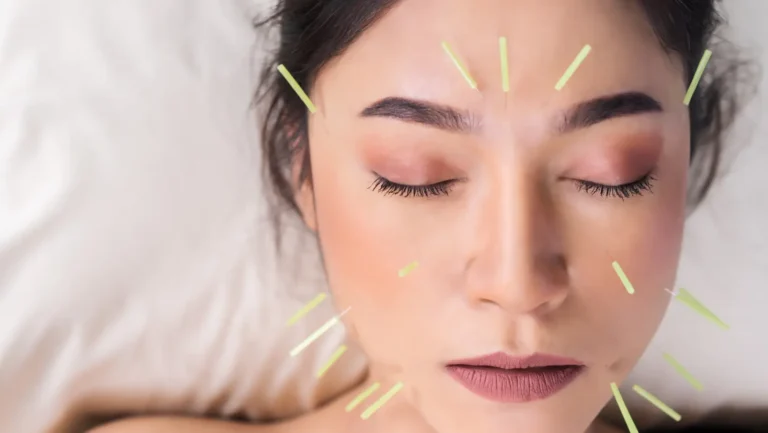
Acupuncture for hair loss uses thin sterile needles inserted into specific scalp and body points to stimulate follicle activity, improve blood flow, and reduce the internal imbalances that cause shedding. It targets both the scalp directly and the organ systems that TCM connects to hair health.
Brief Explanation of Acupuncture in Hair Treatment
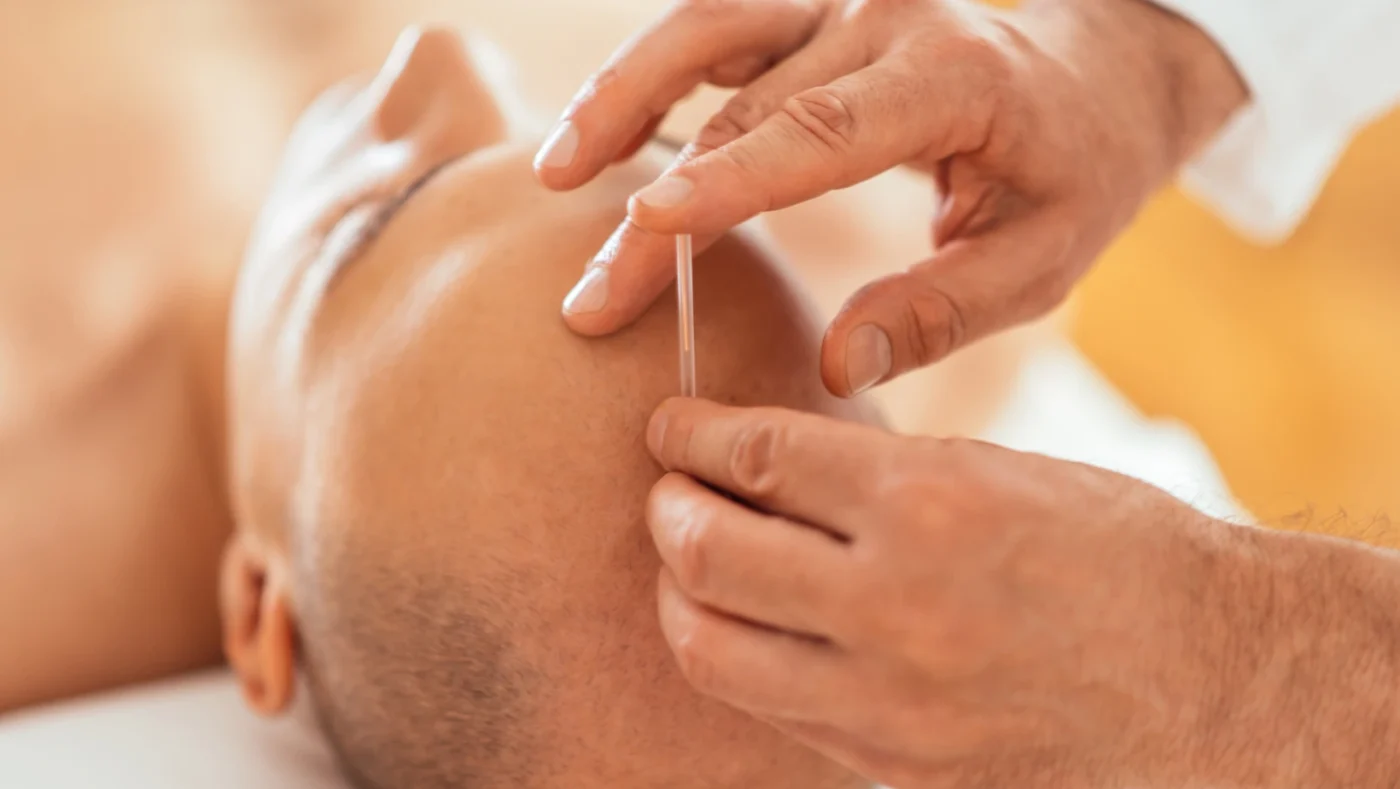
Scalp acupuncture sits needles directly into the galea aponeurotica, the connective tissue layer covering the skull. This stimulates local microcirculation and activates dermal papilla cells, which are the cells responsible for hair follicle growth cycles. Body points address systemic causes like hormone imbalance, stress, and nutrient deficiency.
Role in Traditional Chinese Medicine
Traditional chinese medicine ties hair health directly to Kidney Jing (essence), Liver blood, and Lung Qi. Hair is considered an extension of the Blood in TCM. When blood or Kidney energy weakens, the scalp doesn’t receive enough nourishment, and follicles shrink or go dormant.
How It Targets Scalp and Follicles
Needle insertion at scalp points triggers a local inflammatory response that the body then resolves by sending growth factors, including vascular endothelial growth factor (VEGF), to the area. VEGF stimulates new capillary formation around follicles, which directly increases the nutrient supply each follicle receives.
How Acupuncture Helps Hair Growth
Acupuncture for hair loss works through four measurable biological pathways, not just energy theory.
Blood circulation and hair growth acupuncture is the most direct mechanism. Scalp needling increases local blood flow within 5 to 10 minutes of insertion. Hair follicles in the anagen (active growth) phase require continuous nutrient and oxygen delivery. Reduced scalp circulation is a documented factor in both androgenetic alopecia and stress-induced shedding.
The second mechanism is DHT regulation. Dihydrotestosterone (DHT) miniaturizes follicles in pattern baldness. Research from Beijing University of Chinese Medicine found that specific acupuncture protocols reduced 5-alpha reductase activity, the enzyme that converts testosterone into DHT, in male pattern hair loss patients.
Third, acupuncture reduces scalp inflammation. Chronic low-grade inflammation around follicles is a primary driver of follicle miniaturization in both androgenetic alopecia and alopecia areata. Acupuncture lowers prostaglandin D2 (PGD2) and IL-6 levels, both of which are elevated in inflamed hair loss scalps.
Fourth, it reduces cortisol. Elevated cortisol pushes follicles into the telogen (resting/shedding) phase prematurely. Acupuncture activates the parasympathetic nervous system and measurably lowers serum cortisol within 30 minutes of treatment.
Types of Hair Loss Acupuncture May Help
Alopecia Areata
Effectiveness of acupuncture for alopecia areata has the strongest research base among all hair loss types. Alopecia areata is an autoimmune condition where the immune system attacks follicles. Acupuncture modulates T-regulatory cell activity, which reduces this autoimmune attack. A 2019 Evidence-Based Complementary and Alternative Medicine study found 12 weeks of scalp acupuncture produced regrowth in 73% of mild to moderate alopecia areata cases.
Androgenetic Alopecia (Pattern Baldness)
Scalp acupuncture combined with the DU20 and GB20 points slows follicle miniaturization by improving scalp microcirculation and reducing DHT-related inflammation. Results take longer here, typically 4 to 6 months before visible density changes appear.
Stress-Induced Hair Shedding (Telogen Effluvium)
Telogen effluvium occurs when a physical or emotional shock pushes large numbers of follicles into the resting phase simultaneously. Hair shedding control with acupuncture works well here because the root cause is cortisol and nervous system dysregulation. Both respond directly to acupuncture treatment. Most telogen effluvium cases resolve within 3 to 4 months of consistent acupuncture plus stress management.
Postpartum Hair Loss
Postpartum hair loss results from the sudden drop in estrogen after delivery, which shifts follicles en masse into the telogen phase. TCM categorizes this as Blood deficiency. SP6, SP10, and ST36 points rebuild Blood and regulate hormone levels, making them the core points for postpartum protocols.
Acupuncture Points for Hair Growth
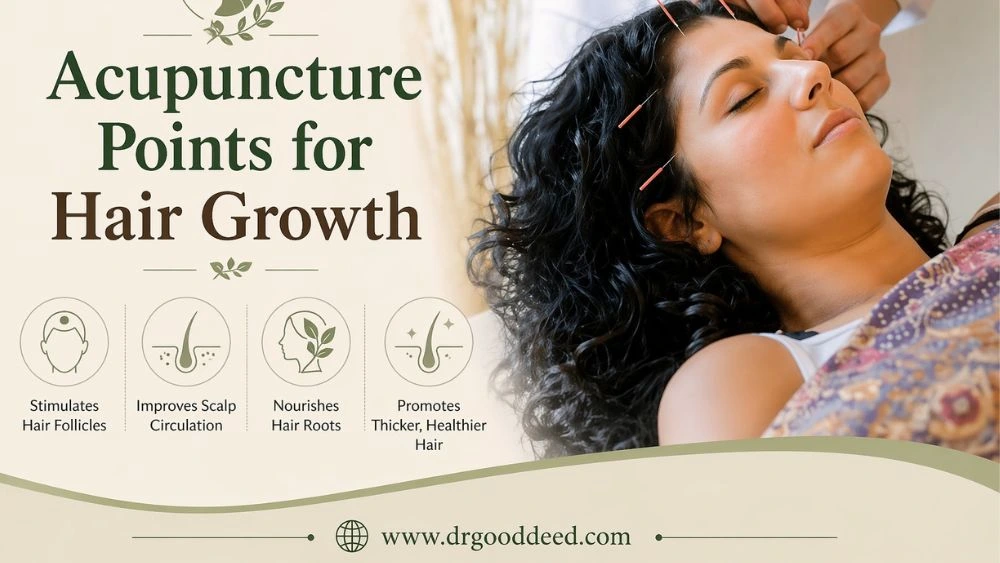
Acupuncture points for hair growth fall into two groups: scalp and body. Scalp points drive local circulation and follicle activation. Body points address the systemic root cause.
Baihui (DU20): Improves Circulation
DU20 sits at the crown of the head, at the intersection of the midline and the line connecting the ear tips. It’s the primary scalp circulation point. Stimulating DU20 increases cerebral and scalp blood flow simultaneously. Most acupuncture for hair loss protocols start here.
Sanyinjiao (SP6): Hormone Balance
SP6 sits 3 finger-widths above the inner ankle bone. It intersects the Spleen, Liver, and Kidney meridians, making it the most efficient point for addressing hormonal imbalances linked to hair loss. Research shows SP6 stimulation increases estrogen receptor sensitivity in women with hormonal hair thinning.
Xuehai (SP10): Blood Nourishment
SP10 sits on the inner thigh, 2 finger-widths above the kneecap. TCM calls it the “Sea of Blood.” It builds and moves Blood, which in clinical terms means it improves red blood cell production and circulation to scalp tissue. SP10 is essential in postpartum and Blood deficiency hair loss patterns.
Fengchi (GB20): Stress Relief
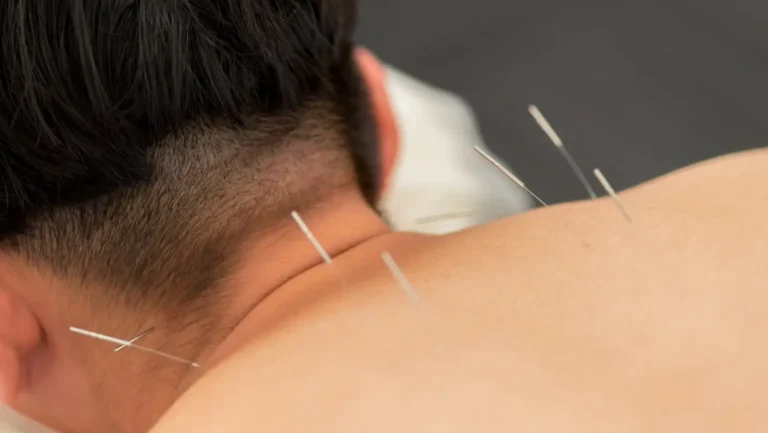
GB20 sits at the base of the skull, in the hollows on either side of the neck muscles. It reduces tension in the occipital region, improves vertebral artery circulation, and directly increases blood supply to the posterior scalp. It’s also a major stress-reduction point because it regulates the vagus nerve pathway.
Traditional Chinese Medicine View of Hair Loss
Traditional chinese medicine for hair loss identifies four distinct internal patterns, each requiring a different treatment approach.
Kidney Deficiency and Aging
The Kidneys in TCM store Jing, the foundational essence responsible for growth and aging. Hair thinning that appears gradually with age, accompanied by lower back weakness, fatigue, and frequent urination, signals Kidney deficiency. Herbal formulas like Liu Wei Di Huang Wan and points like KD3 address this directly.
Liver Qi Stagnation and Stress
Stress-related hair loss links to Liver Qi stagnation in TCM. The Liver governs smooth energy flow throughout the body. Stagnation creates localized inflammation and disrupts the blood supply to the scalp. LV3, GB20, and PC6 are the primary points for this pattern.
Blood Deficiency Affecting Follicles
Pale, brittle hair that sheds easily in women, especially after childbirth or during heavy menstruation, signals Blood deficiency. The scalp literally runs low on the nutrients hair needs. SP10, ST36, and BL17 rebuild Blood in TCM terms, which corresponds to improving iron levels, serum ferritin, and microcirculation to follicles.
Heat and Dampness in Scalp
Oily scalp, dandruff, and hair loss occurring alongside scalp inflammation point to a Damp-Heat pattern. This correlates to seborrheic dermatitis and scalp folliculitis in Western medicine. SP9, ST40, and local scalp points with anti-inflammatory protocols address this category.
Benefits of Acupuncture for Hair Loss
Acupuncture for hair loss offers specific advantages that topical treatments and medications don’t cover.
- Addresses root cause, not just symptom: minoxidil stimulates follicles locally but doesn’t fix the hormonal or circulatory problem driving the loss
- No systemic side effects: finasteride (the leading DHT-blocking medication) carries documented risks of sexual dysfunction in men; acupuncture carries none
- Works on multiple hair loss mechanisms simultaneously in a single session
- Reduces scalp inflammation that topical treatments can’t penetrate deeply enough to address
- Measurably reduces the cortisol that drives telogen effluvium, something no topical product achieves
- Combines safely with minoxidil, finasteride, PRP therapy, and hair transplant recovery
Limitations and Risks of Acupuncture
Acupuncture for hair loss has real limitations that need clear acknowledgment.
- Complete baldness with fully scarred follicles (cicatricial alopecia) doesn’t respond. Acupuncture can’t regenerate follicles that no longer exist structurally.
- Results take time. Patients expecting results in 2 weeks will be disappointed. Visible improvement requires 8 to 16 weeks minimum.
- Evidence quality varies by hair loss type. Alopecia areata has strong trial data; androgenetic alopecia has weaker but growing evidence.
- Sessions cost $75 to $150 each in the US. A full initial course of 12 to 16 sessions represents a significant financial commitment.
- Minor scalp soreness or bruising at needle sites lasts 24 to 48 hours.
- Scalp needling near temples requires precise technique. An undertrained provider risks superficial temporal artery irritation.
What to Expect During Treatment
Session Duration
Sessions last 20 to 40 minutes. The first session often runs longer because the practitioner assesses the full TCM pattern before selecting points.
Frequency
Start with twice-weekly sessions for the first 4 to 6 weeks. Drop to once weekly for weeks 7 to 16. Monthly maintenance follows after the initial course completes.
Combination with Herbs or Oils
Many TCM practitioners combine scalp acupuncture with topical application of rosemary oil or ginger-infused scalp serums between sessions. Rosemary oil was shown in a 2015 SKINmed trial to match minoxidil 2% in improving hair count at 6 months.
Timeline for Visible Results
Shedding reduction typically appears first, around weeks 4 to 6. New growth becomes visible at weeks 10 to 16. Full density improvement assessment requires 6 months of consistent treatment.
Additional Therapies That Improve Results
Herbal Medicine
Traditional chinese medicine for hair loss commonly pairs acupuncture with He Shou Wu (Fo-Ti), which increases superoxide dismutase activity in follicle cells and reduces oxidative damage. Ginseng (Ren Shen) increases dermal papilla cell proliferation. Always use herbs under practitioner supervision; He Shou Wu carries liver toxicity risk at high doses.
Scalp Massage
5 minutes of daily scalp massage with fingertips increases subcutaneous blood flow and stretches dermal papilla cells. A 2016 ePlasty study found 4 minutes of daily scalp massage increased hair thickness in 9 months.
Nutrition for Hair Growth
Ferritin below 30 ng/mL directly causes hair shedding. Iron, biotin, zinc, and vitamin D deficiencies all trigger telogen effluvium. Bloodwork before starting acupuncture for hair loss treatment identifies whether nutritional gaps need addressing simultaneously.
Stress Management
Hair shedding control with acupuncture improves faster when cortisol stays consistently low between sessions. Daily breathwork (box breathing or 4-7-8 technique) reduces HPA axis activation and extends the cortisol-lowering effect of each acupuncture session.
Who Should Consider Acupuncture for Hair Loss?
Acupuncture for hair loss fits well for:
- Women with hormonal hair thinning from PCOS, postpartum changes, or perimenopause
- Men and women with alopecia areata who haven’t responded fully to corticosteroid injections
- Anyone with stress-induced telogen effluvium, especially when cortisol and sleep disruption are confirmed contributing factors
- Patients who want to reduce or avoid finasteride’s side effects
- People in post-transplant recovery to improve graft blood supply and scalp healing
When to Avoid Acupuncture
- Active scalp infections (folliculitis, ringworm, open sores): needling through infected tissue drives bacteria deeper
- Blood thinners like warfarin: scalp has dense superficial vasculature and bleeds more easily
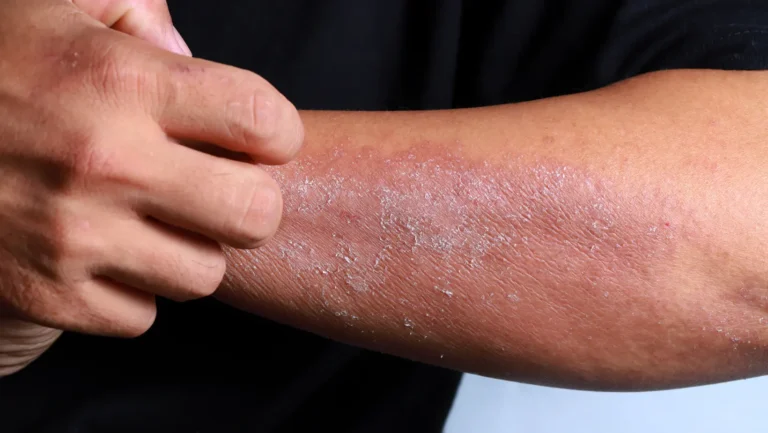
- Scalp psoriasis flare: needling into inflamed plaques worsens local inflammation
- Cicatricial alopecia (scarring alopecia from lichen planopilaris or discoid lupus): follicles are permanently destroyed; blood circulation and hair growth acupuncture cannot regenerate tissue that no longer exists
Prevention: How to Reduce Hair Loss Naturally
Acupuncture for hair loss works best as prevention, not just treatment. Starting sessions before heavy shedding appears produces better outcomes than waiting until significant loss occurs.
- Manage ferritin and vitamin D annually; correct deficiencies before they cause shedding
- Reduce scalp inflammation with anti-inflammatory diet (reduce refined sugar, increase omega-3s)
- Address chronic stress systematically, not reactively
- Avoid tight hairstyles that create traction alopecia, especially ponytails and braids worn daily
- Wash hair with lukewarm rather than hot water; hot water increases scalp sebum production and inflammation
Frequently Asked Questions
Does acupuncture really regrow hair?
Yes, for non-scarring types. Acupuncture for hair loss from alopecia areata showed 73% regrowth in a 2019 clinical trial over 12 weeks. For androgenetic alopecia, it slows progression and improves density but doesn’t fully reverse advanced loss. Scarred follicles don’t respond to any acupuncture protocol.
How many sessions are needed for hair loss?
A minimum of 12 sessions over 8 to 10 weeks for initial results. Alopecia areata needs 16 to 20 sessions in the first treatment course. Telogen effluvium often stabilizes faster, around 8 to 10 sessions, because the root cause (cortisol) responds quickly to acupuncture.
Is acupuncture better than minoxidil?
For hormonal and stress-related hair loss, acupuncture for hair loss addresses root cause more completely. For androgenetic alopecia, minoxidil produces faster visible results but requires indefinite daily use. Combining both produces better outcomes than either treatment alone, which most integrative medicines now recommend.
Can acupuncture stop hair fall immediately?
No. Hair shedding control with acupuncture takes 4 to 6 weeks before shedding reduction becomes noticeable. The first measurable change is fewer hairs on the pillow and brush, not new growth. New growth appears 10 to 16 weeks into consistent treatment.
Is acupuncture safe for scalp treatment?
Yes, when performed by an NCCAOM-certified acupuncturist using sterile single-use needles. The scalp has dense blood supply, so minor bruising at needle sites occurs in roughly 5% of sessions. Infection risk is essentially zero with licensed US practitioners.
Does acupuncture help hormonal hair loss?
Yes. SP6 stimulation directly regulates estrogen receptor sensitivity and reduces 5-alpha reductase activity. Effectiveness of acupuncture for alopecia linked to hormonal causes (PCOS, postpartum, perimenopause) is clinically supported, with results visible after 10 to 14 sessions in most cases.
Can acupuncture worsen hair loss?
No, acupuncture doesn’t worsen hair loss. Some patients notice slightly increased shedding during the first 2 to 3 sessions. This is a temporary shift of resting hairs clearing before new growth begins, similar to what happens with minoxidil in the first 4 weeks.
Is acupuncture painful on the scalp?
The scalp is more sensitive than most body areas. Insertion at DU20 and other scalp points creates a brief pricking sensation lasting 2 to 3 seconds. Most patients rate scalp acupuncture as a 2 out of 10 on a pain scale. The dull aching sensation (De Qi) that follows confirms the point is active.
Can men benefit from acupuncture for hair loss?
Yes. Acupuncture for hair loss in men targets DHT-driven follicle miniaturization through DU20, GB20, and KD3 points, combined with protocols that reduce scalp inflammation. Men with early to moderate androgenetic alopecia (Norwood scale 1 to 4) see the best results.
Should acupuncture be combined with other treatments?
Yes. Blood circulation and hair growth acupuncture produces stronger results when combined with scalp massage, corrected nutritional deficiencies, and adaptogenic herbs like ginseng or He Shou Wu. For androgenetic alopecia specifically, combining acupuncture with minoxidil or low-level laser therapy (LLLT) outperforms any single treatment.