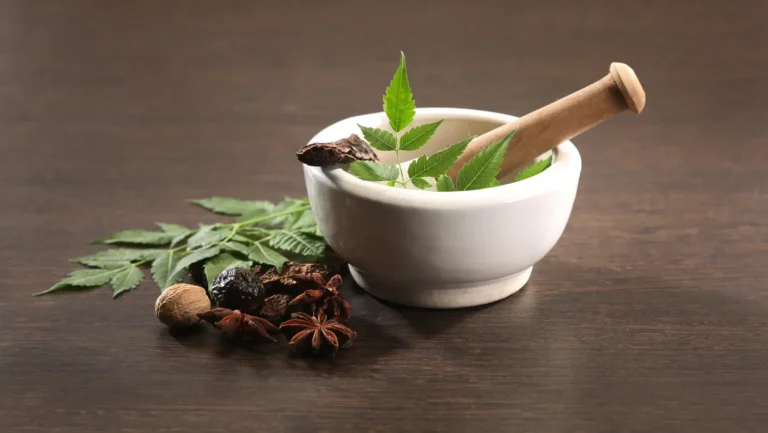

Ayurvedic medicine for digestion focuses on fixing gut issues by boosting digestive fire (Agni) and removing harmful toxins (Ama) instead of just hiding the symptoms.
Ayurveda, a WHO-recognized traditional medicine system, classifies all digestive disorders under impaired Agni and identifies the gut as the origin point of most chronic disease.
In the US, over 60 million Americans experience chronic digestive issues including bloating, constipation, and acid reflux, yet most find only temporary relief from conventional antacids or laxatives. This guide what is Ayurvedic causes, the best herbs and formulations, dietary protocols, detox methods, and when to see a doctor.
What Causes Weak Digestion in Ayurveda
Weak digestion ayurvedic solution starts with identifying the cause. Ayurveda attributes all digestive dysfunction to four root problems that interact and worsen each other when left unaddressed.
Low Agni (Digestive Fire Imbalance)
Agni is the biological intelligence that breaks food into nutrients and eliminates waste. Low Agni, called Mandagni in classical texts, produces incomplete digestion. Food ferments in the gut instead of converting to usable energy. Symptoms include heavy fullness after small meals, persistent belching, and dull appetite in the morning.
Ama (Toxin Buildup in Gut)
Ama forms when Agni fails to digest food properly. It is a sticky, unprocessed metabolic residue that lines the gut wall, clogs intestinal channels (Srotas), and impairs nutrient absorption. A thick white coating on the tongue every morning is the clearest sign of Ama accumulation. Clearing Ama is the first step in any Ayurvedic medicine digestion protocol.
Irregular Eating Habits
Eating before the previous meal digests, skipping meals, eating cold or processed food, and eating late at night all suppress Agni directly. Ayurveda is specific about this: eating the next meal before the previous one fully digests is the single most common cause of chronic indigestion in clinical Ayurvedic practice.
Stress and Poor Lifestyle
Chronic stress activates the sympathetic nervous system and shuts down digestive activity. Ayurveda classifies this as Vata-driven gut disorder. Daytime sleeping, sedentary work, and excessive screen use before meals all reduce gut motility and weaken Agni progressively over time.
Common Digestive Problems Treated in Ayurveda

Ayurvedic treatment for digestion covers a wide range of gut conditions documented in Charaka Samhita and Ashtanga Hridayam.
Indigestion (Ajirna)
Ajirna refers to undigested food remaining in the stomach beyond normal transit time. Ayurveda identifies four types based on which dosha is dominant, and treatment differs accordingly. Vata-type Ajirna causes gas and bloating. Pitta-type causes burning and acid. Kapha-type causes heaviness and nausea.
Gas and Bloating
Gas forms from Vata aggravation in the large intestine. Fermented, raw, and cold foods worsen this. Herbs used in Ayurveda for gut health like Ajwain, Hingvastak, and fennel directly target intestinal Vata and relieve gas within 20 to 30 minutes of consumption.
Constipation
Constipation in Ayurveda is always a Vata disorder. Dry, hard, or infrequent stools indicate Vata dryness in the colon. Treatment focuses on rehydration, oil consumption (especially sesame), and specific herbs that lubricate the colon without causing dependency.
Acid Reflux and Heaviness
Acid reflux is a Pitta disorder. Excess stomach acid moves upward when Pitta aggravates in the digestive tract. Heavy meals, spicy food, alcohol, and eating while stressed all trigger Pitta-driven acid reflux. Ayurvedic formulations cool Pitta and restore the downward movement of digestive energy (Apana Vata).
Best Ayurvedic Medicines for Digestion
The best digestive ayurvedic medicine options include both single-herb preparations and classical multi-herb formulations with documented clinical use.
Triphala: Detox and Bowel Regulation
Triphala (Amalaki, Bibhitaki, Haritaki) works as a gentle colon cleanser, prebiotic, and Ama remover. A 2017 study in the Journal of Alternative and Complementary Medicine showed Triphala significantly improved bowel regularity and reduced bloating over 8 weeks. Standard dose: 5g powder in warm water at bedtime. It does not cause dependency at this dose, unlike stimulant laxatives.
Hingvastak Churna: Gas and Bloating Relief
Hingvastak Churna contains Hing (asafoetida), ginger, black pepper, and rock salt. Asafoetida directly inhibits gas-producing bacterial fermentation in the colon and relaxes intestinal smooth muscle spasm. Take half a teaspoon with warm water or the first bite of a meal for fast gas relief.
Avipattikar Churna: Acidity Management
Avipattikar Churna neutralizes excess stomach acid and reduces Pitta in the upper digestive tract. It contains Amla, Haritaki, and Sunthi (dry ginger), which cool gastric inflammation without suppressing acid secretion entirely. This matters because complete acid suppression, as with proton pump inhibitors used long-term, impairs protein digestion and B12 absorption.
Abhayarishta: Constipation Support
Abhayarishta is a liquid fermented formulation containing Haritaki as its primary herb. Haritaki stimulates colon peristalsis without irritating the mucosal lining. It works best for chronic Vata-type constipation characterized by dry, hard stools and irregular bowel timing. Dose: 15ml to 30ml with equal water after dinner.
Dashmoolarishta: Gut Inflammation Support
Dashmoolarishta contains roots from ten plant species that reduce intestinal inflammation and regulate Vata throughout the digestive tract. Ayurvedic hospitals in India use it for post-infection gut recovery and irritable bowel syndrome management.
Best Ayurvedic Remedies for Digestion
Best ayurvedic remedies for digestion include daily kitchen practices that work for most people without any prescription.
Warm Water After Meals
Drinking 100ml to 150ml of warm water 10 minutes after a meal supports Agni by maintaining stomach temperature for enzymatic activity. Cold water immediately after meals slows gastric motility.
Ginger Before Eating
Eating a small slice of fresh ginger with rock salt 5 to 10 minutes before a meal stimulates saliva production, increases gastric acid secretion, and primes Agni before food arrives. This practice, called Ardrakadi Lehya, is documented in Charaka Samhita as the primary pre-meal digestive preparation.
Ajwain (Carom Seeds) for Gas Relief
Chew half a teaspoon of Ajwain seeds with a pinch of rock salt and drink warm water afterward. Thymol in Ajwain relaxes the smooth muscle of the intestinal wall and releases trapped gas within 15 to 20 minutes. It is particularly effective for post-meal bloating and cramping.
Jeera (Cumin) Water
Soak one teaspoon of cumin seeds in 250ml of water overnight. Strain and drink in the morning on an empty stomach. Cumin stimulates bile secretion and increases digestive enzyme activity in the small intestine. A 2013 study in Complementary Therapies in Clinical Practice found cumin supplementation reduced IBS symptoms including bloating and abdominal pain over 4 weeks.
Herbs Used in Ayurveda for Gut Health
Herbs used in Ayurveda for gut health each target a different aspect of digestion. Using them correctly depends on understanding which gut problem they address.
Ginger (Zingiber Officinale)
Ginger increases gastric emptying rate and reduces nausea. It contains gingerols and shogaols that inhibit 5-HT3 receptors, the same pathway targeted by prescription anti-nausea drugs. Research from Georgia State University confirmed ginger reduces intestinal inflammation in colitis models.
Cumin (Jeera)
Cumin improves bile flow from the gallbladder, which is needed to digest dietary fats. Poor fat digestion causes greasy stools, floating feces, and persistent right-side abdominal discomfort. Cumin water daily corrects this gradually over 4 to 6 weeks.
Fennel (Saunf)
Chewing fennel seeds after meals reduces gas, freshens breath, and relaxes the lower esophageal sphincter just enough to reduce bloating without triggering reflux. Fennel’s volatile oils (mainly anethole) relax intestinal smooth muscle and reduce cramping.
Ajwain
Ajwain contains thymol, which has antifungal and antibacterial properties in the gut. It reduces Candida overgrowth in the intestine, a common but under-addressed cause of chronic bloating in Americans who eat high-sugar diets.
Turmeric (Haldi)
Curcumin in turmeric reduces NF-kB inflammatory signaling in the gut lining. A 2006 study in Clinical Gastroenterology and Hepatology found curcumin supplementation reduced relapse rates in ulcerative colitis patients over 6 months. Standard effective dose: 500mg of curcumin with black pepper (piperine) for absorption.
Ginger for Digestion in Ayurveda
Ginger for digestion Ayurveda classifies as a universal ayurvedic digestive medicine (Vishwabheshaja), meaning it is traditionally used for digestive support.
How Ginger Improves Digestion
Ginger stimulates digestive enzyme secretion, increases gastric motility, and reduces intestinal inflammation simultaneously. It increases Agni without aggravating Pitta at moderate doses, which makes it suitable for both Vata and Kapha-type digestive problems.
Best Ways to Consume Ginger
Raw ginger slices: Eat 2 to 3 thin slices with rock salt 10 minutes before meals. This is the most potent form for stimulating pre-meal Agni.
Ginger tea: Simmer 1-inch fresh ginger in 300ml of water for 10 minutes. Drink after meals for bloating or heaviness.
Ginger with rock salt: Mix grated fresh ginger with a pinch of rock salt and a few drops of lemon juice. Eat this combination before lunch. Rock salt potentiates ginger’s digestive action in Ayurvedic pharmacology.
Ayurvedic Diet for Better Digestion
The ayurvedic medicine to improve digestion approach focuses on food quality, temperature, and timing rather than macronutrient ratios.
Foods that support digestion:
- Warm, freshly cooked meals over cold or processed food
- Moong dal (yellow split mung) as the easiest legume to digest
- Basmati rice, which is lighter than other rice varieties
- Ghee in small amounts to lubricate the intestinal lining
- Cooked vegetables over raw, especially for people with gas or bloating
- Buttermilk (thin diluted yogurt with cumin) after lunch
Foods that worsen digestion:
- Combining incompatible foods: milk with fish, fruit with cooked food, honey heated above 40°C
- Carbonated drinks with meals (suppresses Agni)
- Leftovers and reheated food (classified as Tamasic; reduces digestive enzyme activity)
- Eating fruit as dessert immediately after a cooked meal
Meal timing matters as much as food choice. Lunch between 12 PM and 2 PM should be the largest meal. Dinner before 7 PM should be light and warm.
Lifestyle Tips to Improve Digestion
Follow Daily Routine (Dinacharya)
Wake before 6 AM. Drink 300ml of warm water first thing to activate bowel movement. Tongue scraping removes overnight Ama from the tongue and prevents re-absorption. Oil pulling with sesame oil for 5 minutes pulls gut-related toxins through the buccal mucosa.
Regular Physical Activity
Walking 15 to 20 minutes after meals can complement ayurvedic medicine to improve digestion by supporting regular gut movement. A 2020 study in PLOS ONE confirmed a short post-meal walk lowered blood sugar spikes and improved gut motility compared to sitting after eating.
Stress Management and Meditation
Vagal nerve tone directly controls gut motility. Yoga and meditation increase vagal tone, shifting the body from sympathetic (fight-or-flight) to parasympathetic (rest-and-digest) mode. Ten minutes of diaphragmatic breathing before meals activates the parasympathetic system and prepares the gut for efficient digestion.
Proper Sleep Cycle
Sleep before 10 PM. The liver and gallbladder perform peak detoxification between 10 PM and 2 AM. Staying awake during this window disrupts Pitta-driven gut detox and increases the risk of morning indigestion and acid reflux.
Ayurvedic Detox for Gut Health
Panchakarma Therapies
Virechana (therapeutic purgation) is the primary Panchakarma therapy for gut health. It uses medicated castor oil or senna preparations under practitioner supervision to flush accumulated Pitta and Ama from the small intestine. Ayurvedic hospitals in India and US integrative centers offer Virechana as a 5 to 7-day supervised protocol.
Mild Home Detox Practices
A one-day monofast using warm moong soup only rests the digestive system, reduces Ama, and resets Agni. Ayurveda recommends this once weekly or bi-weekly for people with chronic digestive complaints. Castor oil (1 teaspoon in warm water at bedtime, once a month) performs a gentle liver-gut flush without the intensity of formal Panchakarma.
Role of Fasting and Cleansing
Intermittent fasting from 7 PM to 10 AM gives the gut 15 hours to complete digestion, repair the intestinal lining, and clear residual Ama. This aligns with modern chrono-nutrition research showing that time-restricted eating reduces gut inflammation markers in 4 to 8 weeks.
Are Ayurvedic Medicines Safe for Digestion
When Used Under Proper Guidance
Ayurvedic medicine digestion formulations are safe for most adults when sourced from quality manufacturers and used at recommended doses. Classical formulations like Triphala and Avipattikar have multi-century safety records.
Risks of Incorrect Dosage
Triphala above 10g daily causes loose stools and electrolyte loss. Hing (asafoetida) in Hingvastak Churna is contraindicated in pregnancy. Abhayarishta contains self-generated alcohol from fermentation and is unsuitable for people avoiding alcohol entirely.
Importance of Quality Products
In the US, Ayurvedic supplements are regulated as dietary supplements, not drugs. Always choose brands with third-party testing (NSF International or USP certification). Brands like Banyan Botanicals, Himalaya, and Organic India operate manufacturing facilities with Good Manufacturing Practice (GMP) certification.
When to See a Doctor
Persistent Indigestion or Pain
If digestive discomfort persists beyond 4 weeks despite dietary and herbal intervention, get a medical evaluation. Persistent epigastric pain requires ruling out H. pylori infection, peptic ulcers, or gallstones before continuing Ayurvedic treatment for digestion.
Severe Bloating or Vomiting
Severe abdominal distension with vomiting signals possible bowel obstruction or gastroparesis. These require immediate emergency evaluation, not herbal remedies.
Blood in Stool or Weight Loss
Blood in stool combined with unintentional weight loss requires urgent medicine and gastroenterology referral to rule out colorectal cancer or inflammatory bowel disease. Ayurvedic care works as a supportive therapy alongside, not instead of, conventional diagnosis in these cases.
Frequently Asked Questions
Does Triphala improve gut health?
Yes. Triphala acts as a prebiotic, increasing Bifidobacterium and Lactobacillus populations in the colon by up to 30% according to a 2017 microbiome study. It also reduces Ama in the intestinal lining and improves bowel transit time. Take 5g in warm water at bedtime for consistent results.
Is ginger good for digestion daily?
Yes. Ginger for digestion in Ayurveda supports it as a daily Agni stimulant at moderate doses. Fresh ginger (2 to 4g daily) is safe long-term. Dried ginger powder is more potent and should stay under 1g daily to avoid Pitta aggravation in people prone to acid reflux or mouth ulcers.
How can I improve weak digestion naturally?
The fastest weak digestion ayurvedic solution is combining three practices: eat ginger with rock salt before meals, drink warm water instead of cold, and take Triphala at bedtime. These three changes alone improve digestion measurably within 2 to 3 weeks without any prescription.
What is Agni in Ayurveda?
Agni is Ayurveda’s concept of digestive and metabolic intelligence. It governs how food breaks down into nutrients, how toxins are neutralized, and how energy gets distributed to tissues. Low Agni (Mandagni) produces Ama. High Agni (Tikshnagni) causes inflammation. Balanced Agni produces clear digestion, good energy, and normal stool.
Can Ayurveda cure indigestion permanently?
Yes, for indigestion caused by lifestyle, dietary habits, and stress. Ayurvedic indigestion treatment corrects the root cause when the patient consistently follows dietary changes, herbal protocols, and sleep timing. Structural causes of indigestion like hiatal hernia or H. pylori require conventional treatment alongside Ayurvedic support.
Are Ayurvedic remedies safe long-term?
Yes, for most classical formulations at standard doses. Triphala is safe for years at 5g daily. Avipattikar Churna is safe for 3 to 6-month cycles. Heavy metal-containing Ayurvedic formulations (Rasa Shastra preparations like some Bhasmas) require practitioner supervision and should not be self-administered long-term.
What foods worsen digestion in Ayurveda?
Cold dairy at night, raw salads in the evening, combining fruit with cooked food, and drinking cold water with meals are the top four dietary mistakes in Ayurveda for gut health. Leftover and reheated food is also classified as gut-disrupting because enzymatic activity and prana (vital energy) diminish after cooking.
Can stress affect digestion according to Ayurveda?
Yes. Stress activates Vata in the gut, disrupting peristalsis and producing irregular bowel patterns, gas, and cramping. This mirrors the modern understanding of the gut-brain axis. Ashwagandha (300mg daily) and 10 minutes of diaphragmatic breathing before meals directly reduce stress-driven gut dysfunction within 3 to 4 weeks.
How long should I take Ayurvedic medicine for digestion?
For acute indigestion or gas, best ayurvedic remedies for digestion like Hingvastak Churna or ginger with rock salt work within 20 to 30 minutes. For chronic digestive complaints, a full protocol with Triphala, dietary changes, and lifestyle adjustment takes 8 to 12 weeks to produce lasting improvement. Long-term maintenance uses milder formulations like Triphala at lower doses.