
CBD for tension headaches reduces anxiety, muscle tension, and inflammation, all of which directly drive tension headaches. It is not a proven cure, but for specific people and specific triggers, it works better than doing nothing.
Always consult a licensed healthcare provider before starting CBD, especially if you take other medications.
CBD for Chronic Tension Headache Symptoms
CBD for chronic tension headache symptoms addresses the underlying drivers of the pain rather than just numbing it temporarily. Tension headaches become chronic when they occur 15 or more days per month. At that point, standard painkillers often stop working, and some make things worse through medication overuse headache.
Daily Dull Pressure Headaches
Chronic tension headaches produce a constant, dull squeezing pressure across the forehead, temples, and back of the skull. The pain does not throb and does not worsen with movement.
CBD interacts with CB1 receptors in the central nervous system, which modulate pain signal transmission. A 2020 review in the journal Frontiers in Pharmacology found CBD reduced chronic pain scores in multiple conditions through this pathway.
Neck and Shoulder Tightness
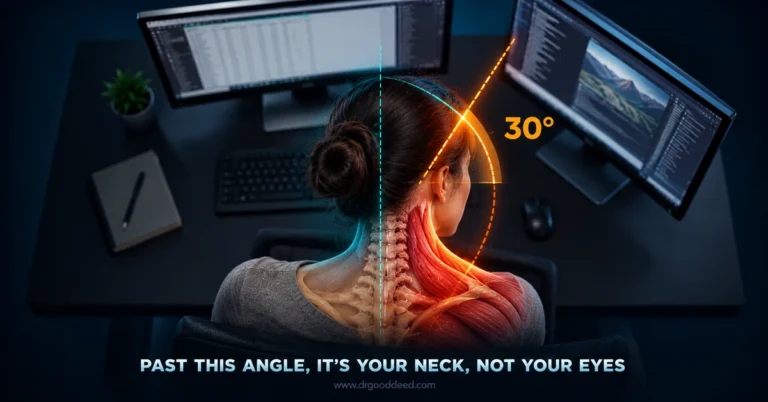
The suboccipital and trapezius muscles are the direct source of most tension headache pain. When these muscles stay contracted for hours, they compress the greater occipital nerve and refer pain to the head. Topical CBD applied to the neck and shoulders reduces localized inflammation and muscle tension without entering the bloodstream in meaningful amounts.
Stress-Related Headache Patterns
Cortisol from ongoing stress keeps these muscles in a sustained low-grade contraction. CBD reduces cortisol response by acting on the hypothalamic-pituitary-adrenal (HPA) axis, which is the body’s stress control system. Lower cortisol means less sustained muscle tension and fewer stress-triggered headaches.
When Headaches Become Chronic
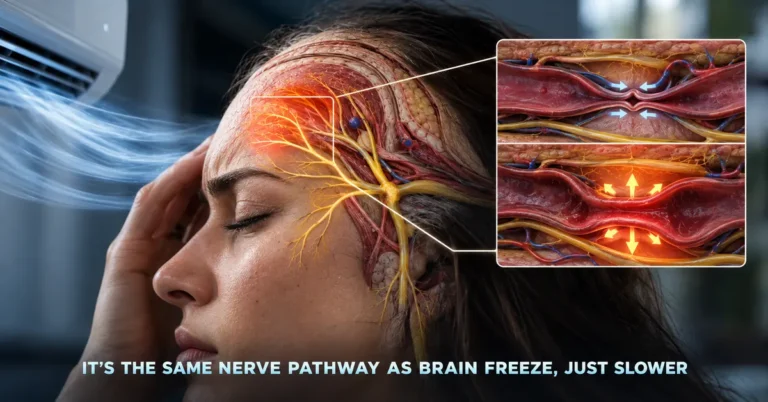
Chronic daily headache from tension origin affects about 3% of the global population. At this stage, the nervous system becomes sensitized, meaning it processes normal sensations as painful. CBD’s effect on the endocannabinoid system reduces this central sensitization, which is a mechanism standard over-the-counter medications do not address.
Stress and Muscle Tension Headaches CBD
Stress and muscle tension headaches CBD research shows a two-way benefit: CBD reduces the anxiety that causes muscle tension, and it directly relaxes the muscles that produce the headache.
How Stress Triggers Muscle Contraction
The brain’s amygdala, which processes stress and fear, signals the body to tighten muscles as a protective response. During sustained stress, this signal never fully switches off. Scalp, jaw, and neck muscles stay partially contracted around the clock, building into headache pain by afternoon or evening in most cases.
CBD’s Role in Reducing Anxiety and Tension
CBD increases anandamide, a naturally occurring compound in the body that reduces anxiety and pain. A 2019 study in The Permanente Journal found that 79% of participants reported lower anxiety scores within the first month of CBD use, with improvements sustained at the second month.
Impact on Sleep and Recovery
Muscle repair happens during deep sleep. Stress disrupts sleep architecture, reducing slow-wave sleep where physical recovery occurs. CBD at doses of 25 to 75 mg before bed improves sleep onset and increases slow-wave sleep duration, which directly reduces next-day muscle tension and headache frequency.
Who May Benefit the Most
People with tension headaches tied specifically to anxiety, poor sleep, or high-stress work environments show the strongest response to CBD. People whose headaches come from structural causes like cervical spine problems or sinus disease see less benefit because CBD does not address those root causes.
CBD for Anxiety-Induced Headaches
CBD for anxiety-induced headaches works through a well-documented neurological mechanism. Anxiety activates the sympathetic nervous system, which raises blood pressure, tightens muscles, and lowers pain threshold simultaneously. All three changes contribute to headache.
Link Between Anxiety and Headaches
About 40% of people with generalized anxiety disorder also experience chronic tension headaches. The shared mechanism is serotonin dysregulation: low serotonin activates the trigeminal pain pathway, which drives both anxiety and head pain.
CBD’s Calming Effects on the Nervous System
CBD binds to 5-HT1A serotonin receptors, the same receptors targeted by some antidepressants and anti-anxiety medications. This binding raises serotonin signaling without the side effects of prescription SSRIs. The result is reduced nervous system arousal and less frequent headache activation.
Evidence From Anxiety-Related Studies
A 2015 review in Neurotherapeutics concluded that CBD showed significant promise for generalized anxiety, social anxiety, and PTSD based on preclinical and human studies. Reducing anxiety in these conditions correlates directly with reduced headache frequency in patients who report anxiety as their primary trigger.
Limitations of Current Research
CBD research for headaches specifically is still limited. Most evidence is indirect, drawn from pain and anxiety studies rather than headache-specific trials. The FDA has approved only one CBD medication, Epidiolex, and that is for epilepsy, not headaches. Using CBD for tension headaches is currently off-label.
CBD Oil Dosage for Tension Headaches

CBD oil dosage for tension headaches is not standardized by any medical body. The correct dose depends on body weight, headache severity, CBD form, and individual metabolism.
Standard Starting Dosage Ranges
- Start at 15 to 25 mg of CBD per day for mild tension headaches
- Increase by 5 mg every 5 to 7 days until symptoms improve
- Most people find an effective range between 25 and 75 mg per day
- Do not exceed 200 mg per day without medical supervision
Factors Affecting Dosage (Weight, Severity, Tolerance)
Heavier body weight requires higher doses because CBD distributes through fat tissue. Severe or chronic headaches typically need 50 to 75 mg daily to produce consistent results. First-time users metabolize CBD differently than regular users, so starting low and adjusting slowly is the safest approach.
Forms of CBD (Oil, Capsules, Topical)
- CBD oil (sublingual): Fastest absorption, effects in 15 to 45 minutes, lasts 4 to 6 hours
- CBD capsules: Slower onset (45 to 90 minutes), but more consistent dosing, lasts 6 to 8 hours
- Topical CBD: Applied directly to neck and shoulders, no systemic effects, works locally within 20 to 30 minutes
- CBD gummies: Convenient but slowest onset, 1 to 2 hours, due to digestion
When to Take CBD for Best Results
Take CBD oil 30 to 45 minutes before known stress triggers or at the first sign of a tension headache. For prevention of chronic headaches, take a consistent daily dose at the same time each morning to maintain stable blood levels.
Benefits and Limitations of Using CBD
Potential Benefits
- Reduces anxiety and cortisol, the primary drivers of tension headaches
- Lowers inflammation around blood vessels and nerves
- Improves sleep quality, which reduces next-day muscle tension
- No risk of medication overuse headache (rebound headache), unlike ibuprofen or acetaminophen
Situations Where CBD May Not Work
CBD does not work for headaches caused by sinus infections, cervical spine injuries, raised intracranial pressure, or dehydration. It also shows limited results in people whose headaches have no anxiety or stress component.
Comparison With Traditional Medications
Ibuprofen works faster (within 30 to 60 minutes) and with more predictable results for acute attacks. CBD works more slowly but addresses the prevention side, specifically reducing frequency over weeks of consistent use. They target different parts of the headache cycle.
Realistic Expectations
CBD is not a same-day fix. Most users report reduced headache frequency, not complete elimination, after 4 to 8 weeks of consistent daily use. Expecting immediate relief from a single dose sets up disappointment.
Side Effects and Safety Considerations
Side effects and safety considerations for CBD are generally mild but worth knowing before starting.
Common Side Effects
- Fatigue or headache, especially at higher doses above 50 mg
- Dry mouth from reduced saliva production
- Mild dizziness or light-headedness, usually at the first few doses
- Loose stools or nausea at doses above 100 mg
Drug Interactions (Especially Painkillers, Antidepressants)
CBD inhibits cytochrome P450 liver enzymes, which metabolize many medications. This means CBD can raise blood levels of drugs like warfarin, SSRIs, benzodiazepines, and some blood pressure medications to potentially unsafe levels. Anyone taking prescription medications must consult a doctor before using CBD.
Who Should Avoid CBD
- Pregnant or breastfeeding women (insufficient safety data)
- People with liver disease (CBD is metabolized by the liver)
- Children and adolescents under 18, unless prescribed by a specialist
- People on blood thinners or epilepsy medications without medical supervision
Legal and Quality Considerations
CBD derived from hemp with less than 0.3% THC is federally legal in the United States. Product quality varies widely. Only purchase CBD with a certificate of analysis (COA) from an accredited third-party laboratory confirming cannabinoid content and absence of pesticides and heavy metals.
How to Use CBD Safely for Headaches
Choosing High-Quality CBD Products
Look for full-spectrum or broad-spectrum CBD rather than CBD isolate. Full-spectrum products contain additional cannabinoids and terpenes that amplify CBD’s effects through what researchers call the “entourage effect.” Brands like Charlotte’s Web and Lazarus Naturals publish third-party lab results openly.
Reading Labels and Third-Party Testing
Check that the label lists total CBD in milligrams per serving, not just per bottle. Confirm the product has been tested for potency, pesticides, heavy metals, and microbial contamination by an independent lab. Never buy CBD that only shows in-house testing.
Avoiding Overuse or Dependency Mindset
CBD is not physically addictive based on current evidence. But using it as the only strategy for chronic tension headaches without addressing sleep, stress, posture, or hydration treats the symptom without fixing the cause.
Combining CBD With Lifestyle Changes
CBD works best when combined with neck stretching, consistent sleep schedules, hydration, and stress management. In clinical pain management, combination approaches consistently outperform single-intervention treatments.
Alternative Treatments for Tension Headaches
Stress Management Techniques
Progressive muscle relaxation reduces tension headache frequency by up to 50% in regular practitioners. Biofeedback therapy, which teaches control of physiological stress responses, reduces chronic tension headaches in 45 to 60% of patients based on trials published in Cephalalgia.
Physical Therapy and Posture Correction
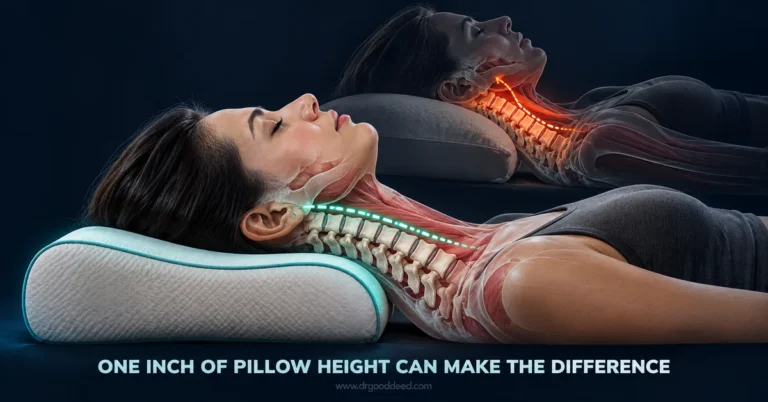
Physiotherapy targeting the suboccipital muscles and cervical spine alignment resolves cervicogenic headache in most cases within 6 to 8 weeks. A cervical contour pillow and ergonomic desk setup address the structural causes CBD cannot touch.
Sleep and Hydration Strategies
Consistent sleep timing, 2 to 2.5 liters of daily water intake, and limiting caffeine to one dose per day reduce tension headache frequency by about 30% in most adults without any medication.
Medications and Medical Options
Amitriptyline at 10 to 75 mg nightly is the most evidence-backed preventive medication for chronic tension headaches. Naproxen sodium 500 mg works better than ibuprofen for acute attacks due to its longer duration of action.
When to See a Doctor
Persistent or Worsening Headaches
If tension headaches occur more than 15 days per month for 3 consecutive months, this meets the criteria for chronic daily headache and needs medical evaluation and preventive treatment.
Neurological Symptoms
Headache with vision changes, arm weakness, speech difficulty, or confusion is not a tension headache. These need immediate imaging.
Dependence on Substances for Relief
Needing CBD, ibuprofen, or any substance every day just to function is a clinical red flag. Medication and substance overuse worsens headache patterns long-term.
Headaches Interfering With Daily Life
Missing work, school, or normal activities more than twice per month because of headaches qualifies as disability-level impact and warrants specialist referral to a neurologist.
Frequently Asked Questions
Does CBD actually help tension headaches?
Yes, for headaches driven by anxiety and muscle tension. CBD reduces cortisol, relaxes muscles, and improves sleep, all of which directly reduce tension headache frequency. It works as prevention over weeks, not as fast-acting pain relief like ibuprofen. CBD for tension headaches is not FDA-approved but is evidence-supported for these mechanisms.
How long does CBD take to work for headaches?
Sublingual CBD oil takes 15 to 45 minutes per acute dose. For preventive benefits, consistent daily use produces measurable reduction in headache frequency after 4 to 6 weeks. Single doses do not prevent future headaches.
What is the best form of CBD for headaches?
Full-spectrum CBD oil taken sublingually is the fastest and most reliable form. Topical CBD works specifically for neck and shoulder muscle tension but does not address the nervous system component. Capsules work for people who need consistent prevention without measuring doses.
Can CBD replace painkillers?
No. CBD for tension headaches works for prevention and anxiety-related triggers. Ibuprofen or naproxen still outperforms CBD for acute pain relief within the first hour of a headache attack. They address different parts of the problem and work better together than separately.
Is CBD safe for daily use?
Yes, based on current evidence for most healthy adults. The World Health Organization’s 2018 report found CBD well-tolerated with a good safety profile. Daily doses under 200 mg show no serious adverse effects in most studies. Liver enzyme monitoring is recommended for doses above 150 mg daily.
Can CBD worsen headaches in some cases?
Yes. CBD can cause rebound-style headaches in people who use high doses inconsistently, stopping and starting repeatedly. Poor-quality CBD products with contaminants or inaccurate labeling also trigger headaches in some users.
How much CBD should I take for headache relief?
Start at 15 to 25 mg daily. Increase by 5 mg every 7 days until headache frequency decreases. Most people find their effective dose between 25 and 75 mg daily. Taking more than 150 mg without improvement means CBD is likely not the right solution for that headache type.
Is CBD better for migraines or tension headaches?
CBD for tension headaches shows stronger evidence because tension headaches are more directly tied to anxiety and muscle tension, which CBD addresses specifically. Migraines involve neurological triggers that CBD influences less directly. Some migraine patients report benefit, but the evidence base is weaker.
Are there any long-term risks of CBD use?
Long-term daily CBD at high doses (above 150 mg) raises liver enzymes in a small percentage of users, based on data from Epidiolex trials. At standard doses of 25 to 75 mg, no long-term safety signals have emerged in studies lasting up to 12 months.
Can CBD help with stress-related headaches?
Yes. Stress and muscle-related tension headaches are relieved using CBD. Research consistently shows reduced anxiety and cortisol with regular CBD use. Lower cortisol reduces sustained muscle contraction. This directly cuts the frequency of stress-triggered tension headaches in people who respond to CBD.