

Stress can cause migraines. Stress ranks as the most commonly reported migraine trigger, affecting roughly 70-80% of people who experience these severe headaches.
Stress impacts everyone differently, but for migraine sufferers, the relationship creates a frustrating cycle. A stressful event triggers a migraine, the migraine itself causes more stress, and this additional stress can trigger another attack.
This guide covers the biological mechanisms linking stress to migraines, identifies common stress triggers, and provides practical relief strategies that work without always requiring medication.
How Stress Triggers Migraine
Stress affects your brain and body in specific ways that set off migraine attacks. The biological response to stress involves multiple systems working simultaneously, creating perfect conditions for a migraine. How stress triggers migraine depends on individual physiology, but several mechanisms consistently appear across most sufferers.
Cortisol and Stress Hormone Changes
Your body releases cortisol, adrenaline, and norepinephrine when facing stressful situations. These stress hormones prepare you for “fight or flight” by increasing heart rate, blood pressure, and alertness. Cortisol particularly affects migraine development because it causes blood vessels to narrow temporarily. When stress passes, cortisol levels drop and those narrowed blood vessels suddenly expand, triggering the throbbing pain characteristic of migraines.
Chronic stress keeps cortisol elevated for extended periods. This sustained high level exhausts your body’s natural pain regulation systems and lowers your threshold for migraine attacks. Your brain becomes hypersensitive to normal stimuli, making you vulnerable to triggers that previously caused no problems.
Muscle Tension and Nerve Sensitivity
Stress causes involuntary muscle tightening, especially in your neck, shoulders, and jaw. This tension compresses nerves and restricts blood flow to your head. The trigeminal nerve, which carries sensation from your face and head to your brain, becomes irritated by sustained muscle tension. Once activated, this nerve releases inflammatory substances around blood vessels in your brain, starting the migraine process.
Grinding your teeth during stress, often unconsciously, strains jaw muscles and can trigger migraines through the temporomandibular joint (TMJ). The tension spreads from your jaw to surrounding muscles, creating a pattern of tightness that directly contributes to headache development.
Sleep Disruption and Migraine Risk
Stress interferes with sleep quality and duration, which significantly increases migraine susceptibility. Worrying about problems keeps your mind active when you should be sleeping. Your body needs 7-9 hours of quality sleep to regulate pain-processing chemicals and repair daily damage. Missing even one hour of your normal sleep schedule can trigger a migraine the next day.
Stress disrupts your natural sleep-wake cycle by keeping cortisol levels elevated at night when they should decrease. This hormonal imbalance prevents deep restorative sleep stages where your brain processes stress hormones and clears inflammatory substances that contribute to migraines.
Stress “Let-Down” Migraines After Pressure Ends
Many people experience migraines during weekends, vacations, or immediately after finishing a stressful project. This pattern occurs because rapid drops in stress hormones cause blood vessels to expand suddenly.
During high-stress periods, your body maintains elevated cortisol and adrenaline levels. When pressure ends, and these hormones plummet, the swift change triggers a migraine.
This “let-down” pattern explains why migraines often strike on Saturday mornings after a stressful work week or the first day of vacation. The body struggles to adjust from sustained high alert to sudden relaxation, and this transition period creates conditions for migraine development.
Stress-Induced Migraine Symptoms
Stress-induced migraine symptoms mirror those of migraines triggered by other factors, though some people report particular symptom patterns with stress-related attacks. Recognizing these symptoms helps distinguish migraines from regular tension headaches and signals when to use specific relief strategies.
Throbbing Headache After Stressful Events
The pain typically begins gradually, building over several hours after a stressful situation. A throbbing headache after stressful events usually affects one side of the head, though it can occur on both sides. The pulsing quality matches your heartbeat and intensifies with physical activity or sudden movements. Bending over, climbing stairs, or even turning your head can worsen the throbbing sensation.
The pain intensity ranges from moderate to severe, often reaching levels that interfere with normal activities. Many people describe the feeling as someone hammering inside their skull with each pulse. This distinctive throbbing differentiates migraines from tension headaches, which typically produce steady, dull pressure.
Nausea and Dizziness
Stomach upset develops in roughly 80% of migraine attacks. The nausea can be mild queasiness or severe enough to cause vomiting. This symptom occurs because migraines affect the area of your brainstem that controls nausea and vomiting. The connection between your gut and brain becomes disrupted during a migraine, causing digestive distress even though nothing is wrong with your stomach.
Dizziness and balance problems happen because migraines affect your vestibular system, which controls balance and spatial orientation. You might feel like the room is spinning or experience unsteadiness when walking. This dizziness can occur before, during, or after the headache phase.
Sensitivity to Light and Sound
Photophobia (light sensitivity) and phonophobia (sound sensitivity) appear in most stress-induced migraines. Normal indoor lighting feels painfully bright, and you instinctively seek dark spaces. Computer screens, fluorescent lights, and sunlight become unbearable. This sensitivity happens because migraine pain amplifies how your brain processes sensory signals.
Ordinary sounds like conversations, traffic noise, or household appliances sound much louder than normal and intensify your headache. The scraping of a chair or rustling of papers can feel like nails on a chalkboard. This heightened sensitivity typically lasts throughout the migraine and sometimes persists for hours after the pain subsides.
Visual Aura Symptoms in Some People
About 25-30% of people with migraines experience aura before or during their headaches. These temporary neurological symptoms most commonly involve vision changes. You might see flashing lights, shimmering zigzag lines, or blind spots in your visual field. Some people describe seeing geometric patterns or experiencing tunnel vision.
Auras typically develop gradually over 5-20 minutes and last up to an hour. They serve as a warning that a migraine is coming, usually preceding the headache by 10-60 minutes. Less commonly, auras involve numbness and tingling in your hands or face, difficulty speaking clearly, or temporary weakness on one side of your body.
Common Stress Triggers That Worsen Migraines
Daily life contains numerous stressors that specifically worsen migraine conditions. Identifying your personal triggers requires attention to patterns in your routine and environment. Work deadlines, financial worries, relationship conflicts, and major life changes all generate stress that can spark migraine attacks. Stress can cause migraines through these everyday triggers, and recognizing which situations affect you most helps prevent attacks before they start.
Key stress triggers include:
- Work-related pressure from tight deadlines, heavy workloads, or difficult colleagues
- Financial anxiety about bills, debt, or unexpected expenses
- Relationship conflicts with partners, family members, or friends
- Major life transitions like moving, changing jobs, or losing loved ones
- Time pressure from overscheduled days with too many commitments
- Perfectionism and self-imposed standards that create constant pressure
- Lack of control over situations or feeling powerless
- Information overload from constant emails, messages, and notifications
- Multitasking demands that prevent focus on single tasks
- Chronic worry about health, family, or future events
Environmental factors compound personal stressors. Noisy workplaces, uncomfortable temperatures, and cluttered spaces all contribute to background stress that accumulates throughout the day. Traffic congestion, long commutes, and parking difficulties add daily stress doses that build migraine risk.
Social obligations create pressure even during leisure time. Feeling required to attend events, maintain appearances, or meet others’ expectations generates stress that differs from work pressure but triggers migraines just as effectively. Learning to say no and setting boundaries becomes crucial for migraine prevention.
How to Prevent Stress Migraines
Taking active steps to prevent stress migraines requires consistent attention to lifestyle factors and stress management. Prevention works better than treatment for most people because stopping a migraine before it starts avoids hours or days of pain and disability.
Maintaining Consistent Sleep Schedules
Going to bed and waking up at the same time daily, including weekends, stabilizes your body’s internal clock. This consistency regulates hormone production, particularly cortisol and melatonin, which directly affect migraine susceptibility. Even small variations of 30-60 minutes in your sleep schedule can trigger attacks in sensitive individuals.
Creating a bedtime routine signals your body that sleep is approaching. This might include dimming lights, avoiding screens for 30-60 minutes before bed, and practicing relaxation techniques. Your bedroom should be cool (around 65-68°F), dark, and quiet. Using blackout curtains, white noise machines, or earplugs helps maintain ideal sleep conditions.
Avoiding daytime naps longer than 20-30 minutes prevents disruption of nighttime sleep. If you must nap, do so before 3 PM to avoid interfering with your ability to fall asleep at night. Quality sleep matters as much as quantity, so addressing sleep disorders like sleep apnea or restless leg syndrome reduces migraine frequency.
Staying Hydrated and Eating Regularly
Dehydration reduces blood volume and oxygen delivery to your brain, creating conditions for migraines. Drinking water consistently throughout the day maintains proper hydration. You need roughly half your body weight in ounces daily. For example, a 150-pound person should drink about 75 ounces of water. Thirst signals you’re already mildly dehydrated, so drink before feeling thirsty.
Skipping meals causes blood sugar drops that trigger migraines, particularly when combined with stress. Eating smaller meals every 3-4 hours maintains stable glucose levels. Protein-rich snacks like nuts, cheese, or hard-boiled eggs provide sustained energy without blood sugar spikes. Avoid simple carbohydrates alone, which cause rapid glucose fluctuations.
Identifying Personal Migraine Triggers
Keeping a detailed migraine diary helps identify your specific triggers. Record the date, time, severity, and duration of each migraine. Note what you ate in the 24 hours before the headache, how well you slept, stress levels, weather changes, and any medications taken. After several weeks, patterns emerge showing your unique trigger combination.
Common food triggers migriane include aged cheeses, processed meats, chocolate, alcohol, and artificial sweeteners. However, triggers vary individually. Some people react strongly to citrus fruits while others have no problems. Weather changes, particularly drops in barometric pressure, trigger migraines in many people but this factor can’t be controlled, so focus on modifiable triggers.
Relaxation Techniques for Migraine Relief
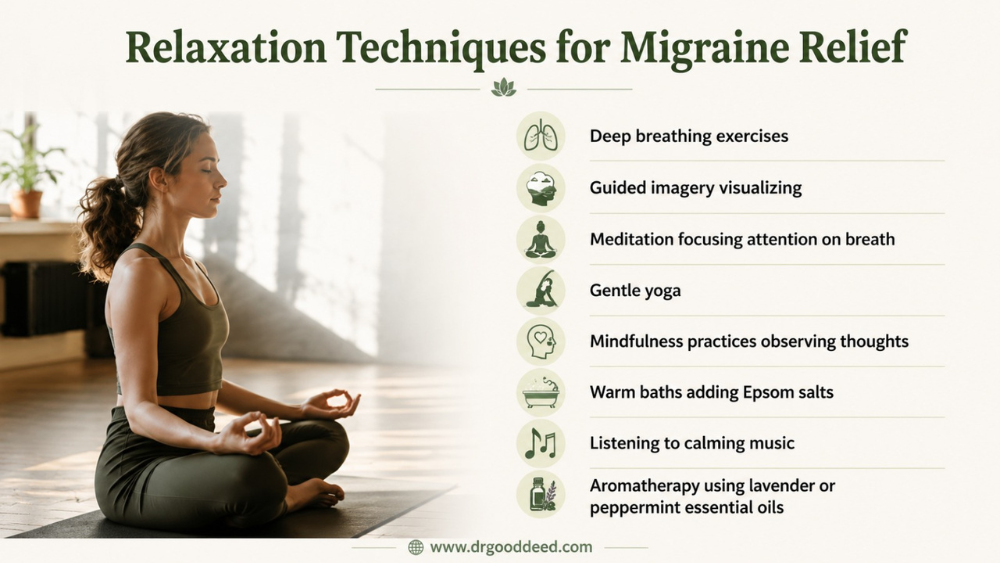
Practicing specific relaxation techniques for migraine relief reduces both frequency and severity of stress-induced attacks. These methods work by counteracting the physiological stress response and lowering overall tension levels. Regular practice provides better results than using techniques only during attacks. Starting a relaxation practice takes 10-20 minutes daily and shows measurable benefits within 2-3 weeks.
Effective techniques include:
- Deep breathing exercises using the 4-7-8 method (inhale 4 counts, hold 7, exhale 8)
- Progressive muscle relaxation tensing and releasing each muscle group systematically
- Guided imagery visualizing peaceful scenes in detail
- Meditation focusing attention on breath or a single word
- Gentle yoga combining stretches with controlled breathing
- Biofeedback training to control physical responses to stress
- Mindfulness practices observing thoughts without judgment
- Warm baths adding Epsom salts to relax muscles
- Listening to calming music or nature sounds
- Aromatherapy using lavender or peppermint essential oils
Fifteen minutes of daily practice provides more benefit than occasional hour-long sessions. Most people notice reduced migraine frequency within one month of regular practice. The relaxation response becomes easier to trigger with repetition, eventually working as a preventive tool before stress escalates.
Lifestyle Habits That Support Migraine Prevention
Building healthy daily habits creates a foundation that makes you less vulnerable to stress-triggered migraines. These practices work synergistically, each supporting the others to reduce overall migraine risk. Stress can cause migraines even when you follow healthy habits, but these practices significantly lower your vulnerability and reduce attack severity.
Exercise and Circulation Benefits
Regular moderate exercise releases endorphins, your body’s natural pain-relieving chemicals. These compounds also improve mood and reduce stress levels. Aerobic activities like walking, swimming, or cycling for 30 minutes five days weekly show particular benefit for migraine prevention. Exercise improves blood circulation throughout your body, including blood flow to your brain.
Starting slowly prevents exercise-induced migraines, which sometimes affect people who suddenly increase activity levels. Warm up for 5-10 minutes before intense exercise and cool down afterward. Stay hydrated before, during, and after workouts. Avoid exercising in extreme heat or at high altitudes if these conditions trigger your migraines.
Limiting Caffeine Fluctuations
Caffeine affects migraines in complex ways. Small amounts (less than 200mg daily, roughly two cups of coffee) can prevent migraines in some people. However, consuming caffeine irregularly or in large quantities creates withdrawal effects that trigger headaches. Weekend migraines often result from caffeine withdrawal when people skip their weekday morning coffee.
Maintaining consistent caffeine intake matters more than total elimination. If you drink coffee, consume the same amount at the same time daily, including weekends. Alternatively, gradually reducing caffeine over 2-3 weeks prevents withdrawal migraines while eliminating this trigger entirely. Sudden caffeine cessation almost always triggers severe headaches.
Reducing Screen Strain and Overstimulation
Prolonged screen time causes eye strain and muscle tension that can trigger migraines. The blue light emitted by digital devices disrupts your circadian rhythm and may lower migraine threshold. Following the 20-20-20 rule helps: every 20 minutes, look at something 20 feet away for 20 seconds. This simple practice reduces eye strain significantly.
Adjusting screen brightness to match ambient lighting reduces strain. Position monitors at arm’s length, slightly below eye level. Use blue light filtering glasses or enable night mode settings on devices, particularly during evening hours. Taking regular breaks from screens, ideally 5-10 minutes every hour, gives your eyes and brain recovery time.
When Stress Headaches May Be More Serious
Most stress-induced migraines, while painful and disruptive, don’t signal dangerous conditions. However, certain symptoms require immediate medical evaluation because they might indicate serious problems needing urgent treatment. Sudden severe headaches that feel different from your typical pattern, especially when accompanied by neurological symptoms, warrant emergency care. Distinguishing between routine migraines and warning signs of stroke, aneurysm, or other serious conditions can be lifesaving.
Warning signs requiring immediate medical attention include:
- Sudden “thunderclap” headache reaching maximum intensity within seconds
- Headache with fever, stiff neck, confusion, or difficulty staying awake
- Vision loss, double vision, or sudden blindness in one or both eyes
- Weakness, numbness, or paralysis affecting one side of your body
- Difficulty speaking, understanding speech, or finding words
- Severe headache following a head injury
- Headache with seizures or loss of consciousness
- Progressive worsening of headache pattern over days or weeks
- First severe headache after age 50
- Headache during or after intense physical exertion or sexual activity
Regular monitoring of headache patterns helps identify concerning changes. Increasing frequency, growing severity, or changing characteristics of your migraines should prompt medical consultation even without emergency symptoms. New migraines developing after age 50 require thorough evaluation since this pattern can indicate underlying conditions.
FAQs
Why does stress commonly trigger migraines in some people?
Stress releases cortisol and adrenaline that constrict blood vessels. When these hormones drop, vessels rapidly expand, triggering throbbing pain. People genetically prone to migraines have hypersensitive nerve pathways that overreact to these vascular changes. Their trigeminal nerve releases excessive inflammatory chemicals around brain blood vessels.
How are migraines different from tension headaches?
Migraines produce throbbing, pulsating pain usually on one side with nausea, light sensitivity, and sound sensitivity. Tension headaches cause steady, band-like pressure around your entire head without these accompanying symptoms. Migraines last 4-72 hours while tension headaches often resolve within hours. Physical activity worsens migraines but typically doesn’t affect tension headaches.
Can emotional stress cause throbbing headaches and nausea?
Yes, emotional stress triggers the same physiological response as physical stress. Worry, anxiety, and intense emotions flood your body with stress hormones causing blood vessel changes. The brainstem involvement in stress-induced migraines affects nausea centers directly. Throbbing headache after stressful events with nausea indicates migraine rather than simple tension headache.
Why do migraines sometimes happen after stressful situations end?
Rapid cortisol and adrenaline drops cause sudden blood vessel expansion. During stress, hormones keep vessels constricted. When pressure ends, vessels rebound and dilate quickly, triggering pain. This “let-down migraine” explains weekend and vacation headaches after intense work weeks. Your body struggles adjusting from high-alert mode to relaxation.
Which relaxation techniques may help reduce migraine frequency?
Deep breathing exercises, progressive muscle relaxation, biofeedback training, and mindfulness meditation show measurable benefits. Daily 15-minute practice provides better results than occasional long sessions. These relaxation techniques for migraine relief lower baseline stress levels, reducing frequency by 35-50% in most practitioners. Consistency matters more than technique choice.
Can dehydration and skipped meals worsen stress migraines?
Absolutely. Dehydration reduces blood volume and oxygen delivery to your brain. Blood sugar drops from missed meals trigger migraines independently and amplify stress effects. Combined with stress hormones, these factors create perfect migraine conditions. Drinking 75-100 ounces of water daily and eating every 3-4 hours prevents this trigger combination.
How does poor sleep affect migraine risk?
Sleep deprivation prevents your brain from clearing inflammatory substances and regulating pain-processing chemicals. Missing just one hour of normal sleep lowers migraine threshold significantly. Cortisol stays elevated without adequate sleep, maintaining blood vessel constriction. Consistent 7-9 hour sleep schedules reduce migraine frequency by roughly 40%.
Are stress-induced migraines linked to anxiety and burnout?
Yes, chronic anxiety and burnout maintain persistently elevated cortisol levels. This sustained stress exhausts your body’s pain regulation systems and creates hypersensitive neural pathways. People with anxiety disorders experience migraines 2-3 times more frequently than the general population. Stress can cause migraines through anxiety, through sustained hormonal disruption and nervous system sensitization.
When should frequent migraines be medically evaluated?
Consult a doctor if you experience more than four migraines monthly, if attacks last longer than 12 hours despite treatment, or if your pattern changes significantly. New migraines after age 50, progressive worsening, or inadequate response to over-the-counter medications warrant evaluation. Preventive treatments exist for frequent sufferers.
How can migraine triggers be tracked more effectively?
Use a dedicated migraine app or detailed journal recording date, time, severity, duration, foods eaten 24 hours prior, sleep quality, stress levels, weather changes, menstrual cycle phase, and medications taken. After 4-6 weeks, patterns reveal personal triggers. Note that triggers often combine; identifying combinations matters more than single factors.