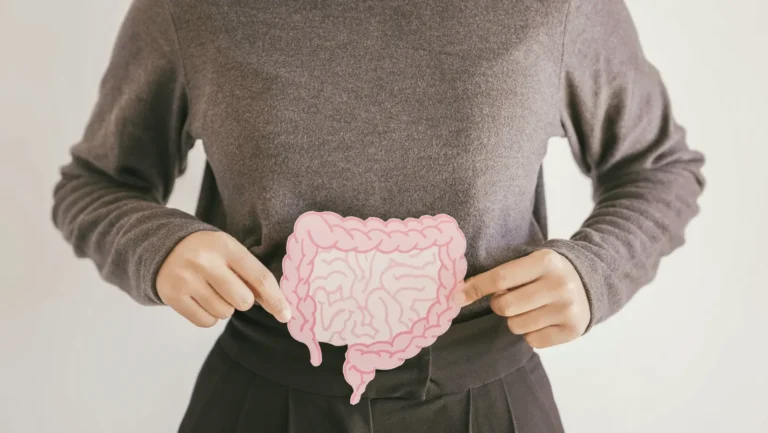

How long does food poisoning last depends on the specific pathogen causing illness, but most cases resolve within 24-48 hours for mild infections and 3-7 days for more severe bacterial contamination.
Recovery timelines vary significantly based on the causative organism. Norovirus typically clears within 1-3 days, while Salmonella infections last 4-7 days. Campylobacter symptoms persist for about a week. E. coli infections range from 5-10 days depending on the strain. Factors affecting duration include pathogen type, contamination level, individual immune function, and how quickly treatment begins.
What Is Food Poisoning?
Food poisoning describes illness resulting from consuming contaminated food or drinks. Harmful microorganisms or their toxins enter the digestive system, triggering immune responses that create the characteristic symptoms.
Contaminated food and harmful germs
Contamination happens at multiple points from farm to table. Raw meat may contain bacteria from animal intestines. Produce gets contaminated through irrigation water containing fecal matter. Cross-contamination occurs when raw foods touch ready-to-eat items. Improper storage temperatures allow bacteria to multiply rapidly.
Food handlers with poor hygiene transfer pathogens to prepared foods. Surfaces, cutting boards, and utensils spread contamination between foods. Even single bacteria cells can multiply to dangerous levels within hours under ideal conditions. Temperature control remains the most critical factor preventing bacterial growth.
Bacteria, viruses, and toxins causing illness
Bacterial pathogens include Salmonella from undercooked poultry and eggs, Campylobacter from raw chicken, E. coli from undercooked beef and contaminated produce, and Listeria from deli meats and soft cheeses. These organisms invade intestinal cells, triggering inflammation and fluid secretion.
Viruses like norovirus and hepatitis A spread through contaminated food handlers or shellfish from polluted waters. Parasites such as Giardia and Cryptosporidium contaminate water sources. Toxins produced by bacteria like Staphylococcus aureus and Clostridium botulinum cause illness even after the bacteria die.
How food poisoning affects digestion
Pathogens attach to intestinal lining cells, disrupting normal absorption and secretion. The immune system responds by releasing inflammatory compounds that increase fluid secretion into the intestines. This creates diarrhea that helps flush out the infection but causes dehydration.
Stomach pain triggers nausea and vomiting as the body attempts to expel contaminated contents. Intestinal cramping results from smooth muscle contractions trying to move pathogens through the system quickly. Fever develops as the immune system fights the infection systemically.
Duration of Food Poisoning Symptoms
The duration of food poisoning symptoms ranges from hours to several weeks depending on the pathogen involved. Staphylococcal toxins cause rapid onset within 30 minutes to 6 hours, lasting 24-48 hours. Norovirus appears 12-48 hours after exposure, resolving in 1-3 days. Salmonella develops 6-72 hours post-consumption, persisting 4-7 days. Campylobacter takes 2-5 days to manifest, lasting about one week. E. coli O157:H7 begins 3-4 days after eating contaminated food, continuing 5-10 days.
- Toxin-mediated illness (Staph, Bacillus cereus): 1-6 hour onset, 12-48 hour duration
- Viral infections (Norovirus, Rotavirus): 12-48 hour onset, 1-3 day duration
- Bacterial infections (Salmonella, Campylobacter): 6-72 hour onset, 4-7 day duration
- Parasitic infections (Giardia, Cryptosporidium): 1-2 week onset, 2-6 week duration
- Severe bacterial strains (E. coli O157:H7, Listeria): 3-10 day onset, 1-3 week duration
Common Symptoms of Food Poisoning
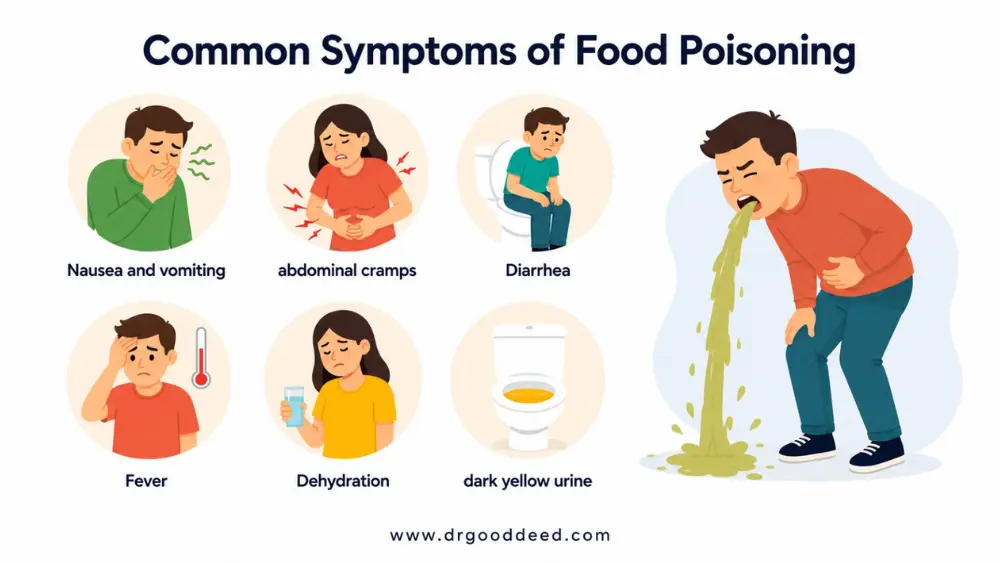
Symptoms vary by pathogen but share common digestive and systemic manifestations. Recognizing patterns helps identify severity and when medical care becomes necessary.
Nausea and vomiting
Nausea typically appears first as the stomach detects contamination. Vomiting follows as the body attempts to expel harmful substances before they reach the intestines. This protective mechanism prevents further toxin absorption.
Vomiting usually peaks within the first 24 hours then gradually subsides. Persistent vomiting beyond 24 hours or inability to keep down liquids signals dehydration risk. Bile-tinged or bloody vomit requires immediate medical evaluation.
Diarrhea and abdominal cramps
Diarrhea develops when intestinal inflammation increases fluid secretion while reducing absorption. Watery diarrhea indicates viral or toxin-mediated illness. Bloody diarrhea suggests bacterial invasion damaging intestinal lining, particularly with E. coli or Campylobacter.
Cramping occurs as intestinal muscles contract forcefully to move contents through quickly. Pain typically centers around the navel or lower abdomen. Severe cramping that prevents normal activities or localizes to one specific area needs medical assessment.
Fever, weakness, and fatigue
Low-grade fever (100-102°F) accompanies most bacterial infections as the immune system responds. Higher fevers above 102°F suggest more severe infection. Temperature regulation becomes difficult as dehydration worsens.
Weakness and fatigue result from fluid loss, electrolyte imbalances, and energy expenditure fighting infection. The body diverts resources toward immune function, leaving less available for normal activities. This exhaustion often persists several days after other symptoms improve.
Dehydration-related symptoms
Dehydration symptoms include dark yellow urine, decreased urination frequency, dry mouth, dizziness when standing, rapid heartbeat, and sunken eyes. Skin loses elasticity, remaining tented when pinched. Confusion and extreme fatigue indicate severe dehydration requiring medical intervention.
Children and older adults dehydrate faster than healthy adults. Monitoring fluid intake and output helps gauge hydration status. Inability to keep down fluids for more than 12 hours requires medical attention.
Recovery Time for Food Poisoning
Recovery time for food poisoning extends beyond symptom resolution. The digestive system requires additional healing time after active symptoms subside.
How long stomach irritation may last
Acute symptoms typically resolve within 3-7 days for bacterial infections and 1-3 days for viral causes. Stomach lining inflammation persists longer than vomiting and nausea. Mild discomfort may continue for 1-2 weeks as tissues repair.
Avoiding irritating foods during this phase prevents symptom recurrence. The stomach’s protective mucus layer needs time to regenerate fully. Rushing back to normal eating often causes symptom relapse.
Weakness and fatigue after symptoms improve
Post-infectious fatigue commonly lasts 1-2 weeks after digestive symptoms clear. Energy levels gradually return as the body replenishes lost nutrients and fluids. Sleep quality often remains disrupted during early recovery.
Dehydration causes muscle weakness that persists until electrolyte balance restores completely. Potassium and sodium levels normalize over several days with proper nutrition. Pushing physical activity too soon delays full recovery.
Digestive sensitivity during recovery
Temporary lactose intolerance develops in about 40% of food poisoning cases. Intestinal damage reduces lactase enzyme production needed to digest dairy. This typically resolves within 2-4 weeks as intestinal lining heals.
Normal gut bacteria populations require 2-3 weeks to restore after severe diarrhea. This temporary dysbiosis causes increased gas, bloating, and irregular bowel movements. Probiotic foods support faster bacterial recolonization.
Hydration Tips for Food Poisoning Recovery
Hydration tips for food poisoning recovery focus on replacing lost fluids and electrolytes while avoiding substances that worsen diarrhea. Dehydration poses the greatest risk during active illness, particularly in vulnerable populations. Oral rehydration solutions contain optimal ratios of water, salt, and sugar to maximize absorption across damaged intestinal lining.
- Sip small amounts (1-2 ounces) every 15 minutes rather than drinking large quantities at once
- Oral rehydration solutions provide better electrolyte replacement than plain water alone
- Coconut water naturally contains potassium and sodium in beneficial ratios
- Ice chips help when nausea prevents drinking liquids directly
- Room temperature fluids absorb more easily than very cold drinks
- Herbal teas like ginger or chamomile provide fluid while calming nausea
- Broth-based soups deliver sodium and fluid simultaneously
- Target 8-10 glasses daily once vomiting subsides, increasing if diarrhea continues
Foods to Eat After Food Poisoning
Foods to eat after food poisoning should be bland, low-fiber, and easily digestible to avoid stressing the recovering digestive system. Introducing food too quickly or choosing wrong options triggers symptom return.
Bland easy-to-digest foods
The BRAT diet (bananas, rice, applesauce, toast) provides gentle carbohydrates that digest easily without irritating damaged intestinal lining. These foods have low fiber content that reduces bowel stimulation during healing.
Plain crackers, pretzels, and dry cereal work similarly by providing calories without challenging digestion. Avoid adding butter, oils, or seasonings that increase digestive workload. Simple carbohydrates restore energy gradually without triggering cramping.
Bananas, rice, toast, and applesauce
Bananas provide potassium lost through vomiting and diarrhea while offering easily digestible carbohydrates. Their pectin content helps firm loose stools. Ripe bananas work better than underripe ones during recovery.
White rice absorbs excess intestinal fluid, helping normalize stool consistency. Its bland nature prevents nausea while providing needed calories. Toast made from white bread digests easier than whole grain during acute recovery. Applesauce provides gentle nutrition without raw fruit’s fiber content.
Soups and hydration-supporting meals
Clear broths deliver sodium and fluid without solid food burden. Chicken or vegetable broth provides electrolytes and warmth that soothes upset stomachs. Progress to strained soups with noodles or rice once tolerating clear liquids.
Plain boiled potatoes offer easily digestible carbohydrates and potassium. Steamed vegetables like carrots become tolerable after 48-72 hours symptom-free. Remove skins and seeds that increase fiber content during early recovery.
Gradually returning to normal eating
Reintroduce regular foods slowly over 3-5 days after symptoms resolve. Add one new food category daily, monitoring for symptom return. Start with lean proteins like baked chicken or fish after tolerating bland carbohydrates.
Wait 5-7 days before adding dairy products, raw vegetables, whole grains, or fatty foods. The intestinal lining needs adequate healing time before processing complex foods. Rushing this progression often causes symptom relapse requiring restart of the bland diet.
Foods and Drinks to Avoid During Recovery
Certain foods and beverages slow healing or worsen symptoms during recovery. Avoiding these items prevents setbacks.
Fried and greasy foods
High-fat foods delay stomach emptying and stimulate bile production that can trigger diarrhea. Fried foods require extensive digestion the recovering system cannot handle efficiently. Fat also increases nausea in sensitive stomachs.
Greasy meals coat the stomach lining, preventing proper healing. The digestive enzymes needed to break down fats work poorly during illness. Wait at least one week after symptoms resolve before eating fried or fatty foods.
Excess dairy and spicy foods
Temporary lactose intolerance makes dairy products cause gas, bloating, and diarrhea during recovery. The damaged intestinal lining produces insufficient lactase enzyme for several weeks. Avoid milk, cheese, and ice cream until fully healed.
Spicy foods irritate inflamed stomach and intestinal lining. Capsaicin from peppers stimulates increased gastric acid production. This delays healing and can trigger nausea or cramping. Skip spicy seasonings for 1-2 weeks post-recovery.
Alcohol and excessive caffeine
Alcohol irritates stomach lining and dehydrates the body when fluid replacement remains critical. It also impairs immune function needed to fight remaining infection. Avoid all alcohol for at least one week after symptom resolution.
Caffeine stimulates intestinal motility, potentially worsening diarrhea. It also acts as a mild diuretic, working against rehydration efforts. Limit coffee and caffeinated tea during recovery, choosing herbal alternatives instead.
Sugary drinks worsening diarrhea
High sugar concentrations in soda, juice, and sports drinks pull water into the intestines through osmosis. This worsens diarrhea rather than helping. Fruit juices also contain sorbitol that has laxative effects.
Sports drinks contain excessive sugar compared to electrolyte content needed during illness. Oral rehydration solutions provide better ratios. If using sports drinks, dilute them 50/50 with water to reduce sugar concentration.
How to Recover Faster From Food Poisoning
How to recover faster from food poisoning involves supporting natural healing processes rather than interfering with the body’s defense mechanisms. Appropriate rest, hydration, and nutrition timing accelerate recovery.
Prioritizing rest and sleep
Rest allows the immune system to focus energy on fighting infection. Physical activity diverts blood flow away from the digestive system, slowing healing. Stay home from work or school during active symptoms.
Sleep quality often suffers during illness but remains essential for recovery. Dehydration, fever, and discomfort disrupt normal sleep patterns. Napping during the day helps compensate for poor nighttime sleep. Most people need 2-3 extra hours of rest daily during recovery.
Hydrating consistently
Consistent small amounts of fluid absorb better than occasional large quantities. Set reminders to drink every 15-30 minutes during waking hours. This prevents the overwhelming feeling of forcing fluids while maintaining steady hydration.
Monitor urine color as a hydration indicator. Pale yellow signals adequate hydration while dark yellow indicates insufficient fluid intake. Frequency matters as much as volume. Urinating every 3-4 hours during recovery suggests proper hydration status.
Avoiding heavy meals too early
The recovering digestive system cannot process normal meal sizes or complexity. Eating large amounts triggers symptom return as the system becomes overwhelmed. Stick with small portions every 2-3 hours rather than three large meals.
Complex foods require more digestive enzymes and energy to break down. The recovering intestinal lining produces fewer enzymes temporarily. Keeping meals simple reduces this burden, allowing faster healing. Return to normal portions only after several symptom-free days.
Supporting gut recovery gradually
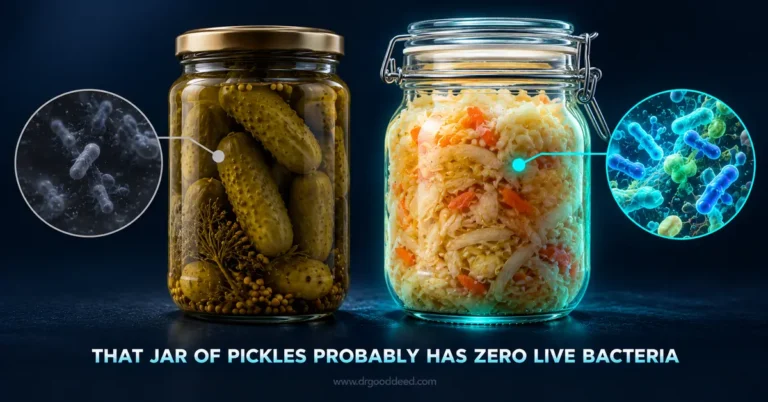
Probiotic foods like yogurt (once tolerating dairy again), kefir, sauerkraut, and kimchi help restore beneficial bacteria. These foods should wait until 3-4 days after symptoms resolve. Introducing them too early can cause gas and bloating.
Soluble fiber from oats and bananas supports gut healing without irritating damaged tissue. Insoluble fiber from raw vegetables and whole grains should wait until full recovery. Prebiotic foods feed beneficial bacteria but wait 1-2 weeks before adding them.
People at Higher Risk of Severe Food Poisoning
Certain populations experience more severe symptoms and longer recovery time for food poisoning. These groups require closer monitoring and earlier medical intervention.
Older adults and young children
Adults over 65 have weakened immune responses and reduced stomach acid production that normally kills pathogens. Chronic conditions and medications further compromise defense mechanisms. Dehydration develops faster in older adults due to decreased thirst sensation and kidney function changes.
Children under 5 have immature immune systems less capable of fighting infections. Their smaller body size means dehydration occurs more rapidly. Young children cannot communicate symptoms clearly, making monitoring more difficult. Both groups should seek medical evaluation earlier than healthy adults.
Pregnant individuals
Pregnancy naturally suppresses certain immune functions to prevent rejection of the fetus. This leaves pregnant women more susceptible to foodborne pathogens, particularly Listeria. Food poisoning during pregnancy risks premature labor, miscarriage, or stillbirth depending on severity and gestational age.
Certain pathogens like Listeria cross the placenta, infecting the fetus directly. Dehydration and fever threaten fetal development. Pregnant women should contact healthcare providers immediately upon suspecting food poisoning rather than attempting home management.
People with weakened immune systems
Individuals with HIV/AIDS, cancer patients receiving chemotherapy, organ transplant recipients taking immunosuppressants, and those with autoimmune diseases face higher infection risks. Their compromised immune systems cannot fight foodborne pathogens effectively.
These patients experience more severe symptoms, longer illness duration, and higher complication rates. Infections can spread beyond the digestive tract into the bloodstream. Strict food safety practices and early medical intervention prove essential for this population.
When Food Poisoning Needs Medical Attention
Most cases resolve with home care, but specific symptoms indicate serious complications requiring professional evaluation. Delays in seeking appropriate care can lead to severe dehydration, kidney damage, or systemic infection.
- High fever above 102°F (38.9°C) or fever lasting more than 48 hours
- Signs of severe dehydration including dizziness, confusion, or minimal urination
- Neurological symptoms like blurred vision, muscle weakness, or tingling (possible botulism)
- Severe abdominal pain localized to one area rather than general cramping
- Diarrhea lasting more than 3 days without improvement
- Pregnancy, age over 65, or immunocompromised status with any food poisoning symptoms
- Recent travel to developing countries before symptom onset
- Suspected contamination from undercooked meat, unpasteurized products, or home-canned foods
FAQs
How long do food poisoning symptoms usually last?
How long does food poisoning last ranges from 24-48 hours for viral infections like norovirus to 4-7 days for bacterial causes like Salmonella. Toxin-mediated illness resolves within 12-24 hours. Parasitic infections persist 2-6 weeks, requiring specific treatment for resolution.
What are the first signs of food poisoning?
Nausea appears first, typically 30 minutes to 6 hours after eating contaminated food. Vomiting follows within hours. Diarrhea usually develops 6-24 hours post-exposure depending on the pathogen. Cramping and fever emerge as the infection establishes in intestinal tissue.
How can dehydration be prevented during food poisoning recovery?
Hydration tips for food poisoning recovery include sipping 1-2 ounces of oral rehydration solution every 15 minutes rather than gulping large amounts. Ice chips work when nausea prevents drinking. Target 8-10 glasses daily, monitoring urine color for pale yellow indication of adequate hydration.
Which foods are easiest to eat after vomiting or diarrhea?
Foods to eat after food poisoning include bananas, white rice, plain toast, and applesauce (BRAT diet). These bland, low-fiber options digest easily without irritating damaged intestinal lining. Add clear broth and plain crackers once tolerating these foundational foods for 24 hours.
Why does fatigue sometimes continue after stomach symptoms improve?
Post-infectious fatigue lasting 1-2 weeks results from dehydration, electrolyte depletion, and energy spent fighting infection. The body needs time replenishing lost nutrients and repairing intestinal damage. Temporary lactose intolerance and gut bacteria imbalance also contribute to ongoing weakness.
Can food poisoning symptoms return after eating too quickly?
Yes. Rushing back to normal foods before the intestinal lining heals triggers symptom relapse. The damaged tissue cannot produce adequate digestive enzymes or absorb nutrients properly for 1-2 weeks. Reintroduce regular foods gradually over 3-5 days to prevent symptom return.
How is food poisoning different from viral stomach flu?
Food poisoning causes symptoms within hours to days after eating contaminated food, while stomach flu spreads person-to-person with 12-48 hour incubation. Food poisoning often includes multiple people eating the same meal getting sick simultaneously. Stomach flu typically affects household members sequentially.
Which drinks are best during food poisoning recovery?
Oral rehydration solutions provide optimal electrolyte ratios. Coconut water naturally contains potassium and sodium. Clear broths deliver sodium and warmth. Ginger tea reduces nausea. Avoid sugary drinks, alcohol, and excessive caffeine that worsen diarrhea or delay healing during active recovery.
When should severe vomiting or diarrhea be medically evaluated?
How long does food poisoning last before needing medical care depends on severity. Seek evaluation for vomiting beyond 24 hours, diarrhea lasting more than 3 days, high fever above 102°F, blood in vomit or stool, signs of severe dehydration, or symptoms in high-risk populations.
How can food poisoning risk be reduced in the future?
Cook meat to safe internal temperatures (165°F poultry, 145°F beef). Wash produce thoroughly. Prevent cross-contamination using separate cutting boards for raw meat. Refrigerate perishables within 2 hours. Wash hands before food preparation. Avoid unpasteurized dairy and undercooked eggs, particularly for vulnerable populations.