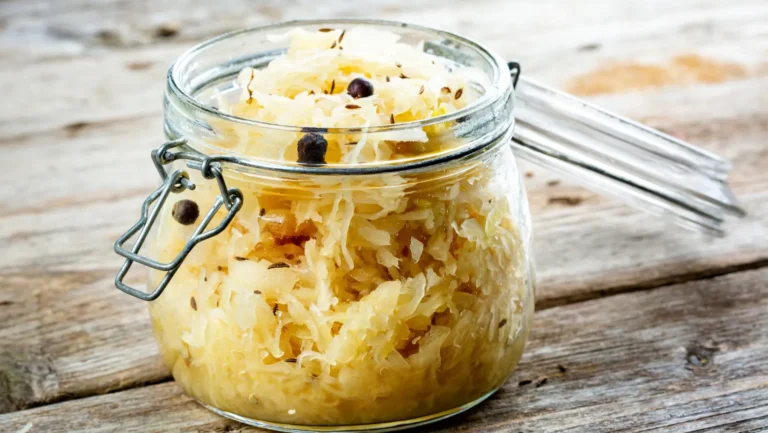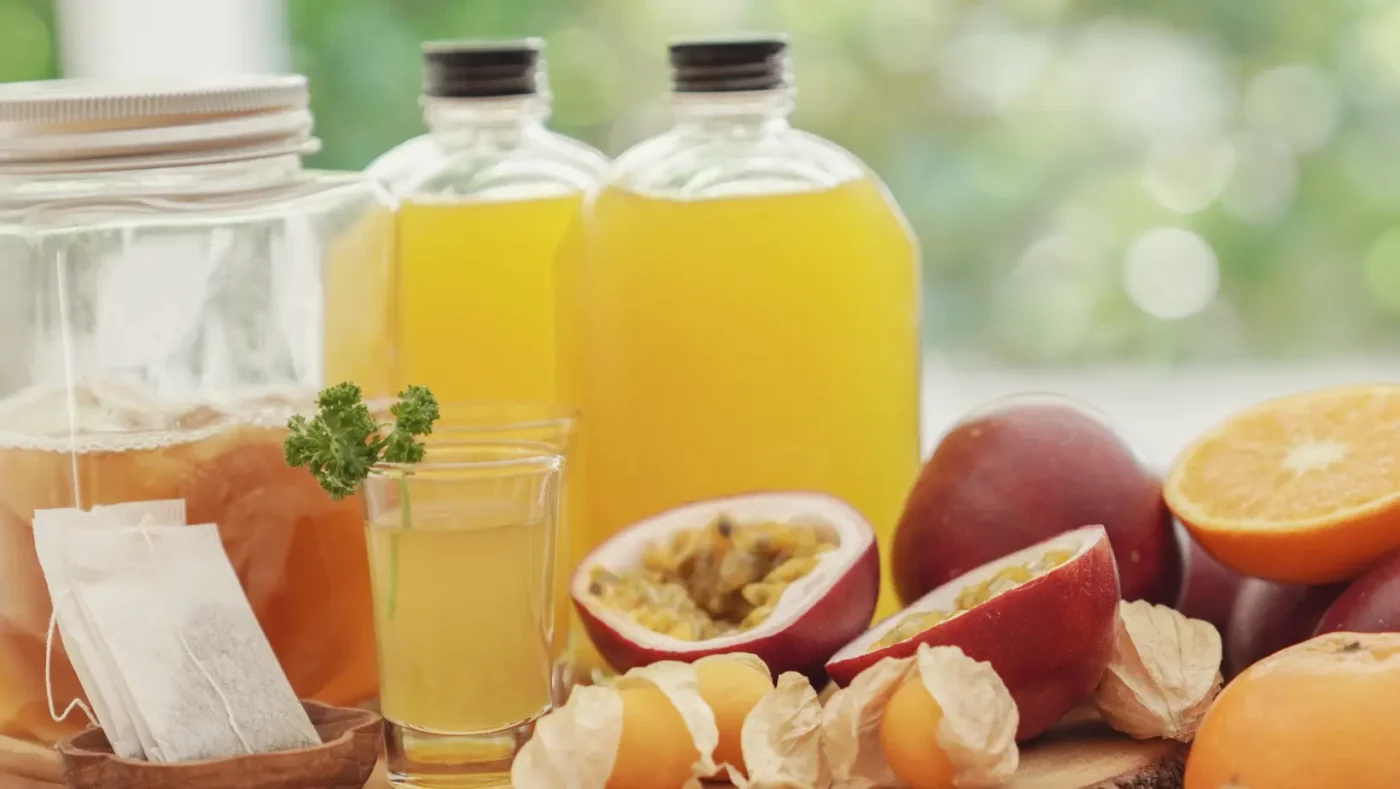

The right gut health drink introduces live bacteria, soluble fiber, or anti-inflammatory compounds that directly improve digestion, reduce bloating, and restore microbial balance in the gut.
According to the International Foundation for Gastrointestinal Disorders, 40% of Americans experience functional digestive disorders including bloating, constipation, and acid reflux on a recurring basis.
What you drink affects your gut microbiome just as significantly as what you eat. Sugary beverages feed harmful bacteria within 24 hours of consumption, while fermented drinks like kefir increase Bifidobacterium populations within 2 weeks of daily use.
Best Drinks for Gut Health
The best drinks for gut health work through four mechanisms: delivering live probiotic bacteria, providing prebiotic fiber that feeds existing good bacteria, reducing intestinal inflammation, and maintaining the hydration that gut mucus layers need to function.
Probiotic-Rich Fermented Drinks
Kefir, kombucha, and drinkable yogurt are the most clinically documented probiotic beverages. Kefir contains 12 or more distinct bacterial and yeast strains, compared to 1 to 3 strains in most probiotic supplements. A 250ml serving of full-fat kefir delivers 1 to 10 billion colony-forming units (CFUs) depending on fermentation time.
Kombucha provides Acetobacter, Gluconobacter, and various Lactobacillus strains through its SCOBY (symbiotic culture of bacteria and yeast) fermentation process. However, commercially produced kombucha often contains 5 to 12 grams of added sugar per 240ml serving, which partially counteracts the probiotic benefit.
Fiber Smoothies for Digestion Support
Smoothies made with chia seeds, flaxseeds, or psyllium husk provide soluble fiber that ferments in the colon, feeding Bifidobacterium and producing butyrate. Butyrate fuels the colon lining cells and reduces intestinal inflammation.
One tablespoon of chia seeds adds 4 grams of soluble fiber per smoothie. Two tablespoons of ground flaxseed adds 3.5 grams and also provides lignans, compounds that feed beneficial bacteria specifically.
Herbal Teas Reducing Digestive Discomfort
Peppermint tea relaxes the lower esophageal sphincter and intestinal smooth muscle. This reduces IBS-related cramping but worsens acid reflux in people with GERD because the same muscle relaxation allows stomach acid to escape upward. Peppermint tea is a gut health drink for IBS, not for reflux.
Ginger tea inhibits serotonin receptors in the gut that trigger nausea and vomiting. A 2014 meta-analysis in the British Journal of Anesthesia confirmed ginger’s anti-nausea effect at 1 gram per dose. Chamomile tea contains apigenin, a compound that reduces intestinal spasms and decreases cortisol’s effect on gut permeability.
Hydration Drinks Supporting Bowel Regularity
Plain water is the most under-discussed gut health drink. The gut’s mucus layer is 95% water. When total water intake drops below 1.5 liters daily, mucus thickness decreases, exposing the intestinal wall to bacteria and digestive acids. Stool also hardens as the colon extracts more water from it, directly causing constipation.
Coconut water provides natural electrolytes (potassium 600mg per cup, sodium 252mg per cup) without artificial sweeteners. Electrolyte balance supports the muscular contractions that move food through the intestine.
Fermented Drinks and Gut Microbiome
Fermented drinks and gut microbiome health share a well-documented clinical relationship. A landmark 2021 randomized controlled trial at Stanford University (Wastyk et al., Cell) compared high-fiber diets to high-fermented food diets in 36 healthy adults over 10 weeks.
Participants consuming fermented foods and drinks daily increased gut microbiome diversity by 19% and reduced 19 inflammatory proteins, including interleukin-17, which drives inflammatory bowel disease.
Kefir and Probiotic Bacteria
Kefir outperforms yogurt as a gut health drink because it survives stomach acid better. Kefir’s bacterial strains include Lactobacillus kefiri, a strain unique to kefir that specifically inhibits Salmonella and Helicobacter pylori adhesion to the gut lining. A 2017 randomized trial in Nutrients showed 4 weeks of daily kefir consumption reduced H. pylori load in infected patients by 48%.
Full-fat kefir shows better probiotic survival through digestion than low-fat versions because fat buffers stomach acid and improves bacterial transit to the intestine.
Kombucha and Fermentation Benefits
Kombucha’s organic acids (acetic acid, glucuronic acid) lower gut pH, creating an environment where harmful bacteria struggle to grow. The glucuronic acid in kombucha also supports liver detoxification of waste products that would otherwise recirculate and cause systemic inflammation.
Choose kombucha with under 5 grams of sugar per 240ml serving and verify it contains live cultures (the bottle should not be pasteurized after fermentation, which kills bacteria).
Yogurt Drinks and Digestive Support
Drinkable yogurt products like kefir-style yogurt drinks (Lifeway Kefir, Green Valley Organic) differ from regular yogurt in bacterial count. Regular yogurt averages 1 to 2 billion CFUs per serving. Drinkable kefir-style products average 15 to 25 billion CFUs per 250ml serving, a 10-fold difference.
Fermented Drinks and Microbiome Diversity
Fermented drinks and gut microbiome diversity increase together when consumption is consistent. The Stanford 2021 Cell trial showed that sporadic fermented food consumption produced no measurable diversity increase. Daily consumption for at least 3 weeks was required to shift microbiome composition measurably.
Best Morning Drinks for Gut Health

The best morning drinks for gut health work specifically because the gut is most responsive to bacterial input in a fasted state. Stomach acid is also lower immediately after waking (pH 3.5 to 4) compared to post-meal states (pH 1.5), improving probiotic survival.
Warm Water and Digestion Support
Warm water (40 to 50°C) consumed within 30 minutes of waking stimulates the gastrocolic reflex, the body’s natural signal to move stool through the colon. This reflex is strongest in the morning and weakens throughout the day. Cold water produces a weaker gastrocolic response.
Lemon Water and Hydration Benefits
Lemon water adds citric acid, which mildly stimulates bile production in the liver. Bile is required to digest dietary fats. More bile in the morning means better fat digestion at breakfast. Lemon water does not significantly change gut pH (the stomach neutralizes the acid almost immediately), but it does contribute hydration and vitamin C.
Fiber-Rich Smoothies for Bowel Regularity
Adding psyllium husk to a morning smoothie provides 3 to 5 grams of soluble fiber that reaches the colon by midday, feeding Bifidobacterium and softening stool. Always drink 250ml of additional water when adding psyllium. Without it, psyllium forms a thick gel that can slow rather than improve bowel movements.
Herbal Drinks Supporting Digestion Naturally
Ginger tea or ginger-lemon warm water is the best morning drinks for gut health option stimulates gastric motility, meaning it speeds up the rate at which the stomach empties food into the small intestine. Slow gastric emptying causes bloating and nausea in 20% of adults with functional dyspepsia (Johns Hopkins Medicine).
Homemade Gut Health Drink Recipes
Homemade gut health drink recipes often outperform commercial products because they contain no preservatives, added sugars, or artificial flavors that reduce their bacterial or fiber content.
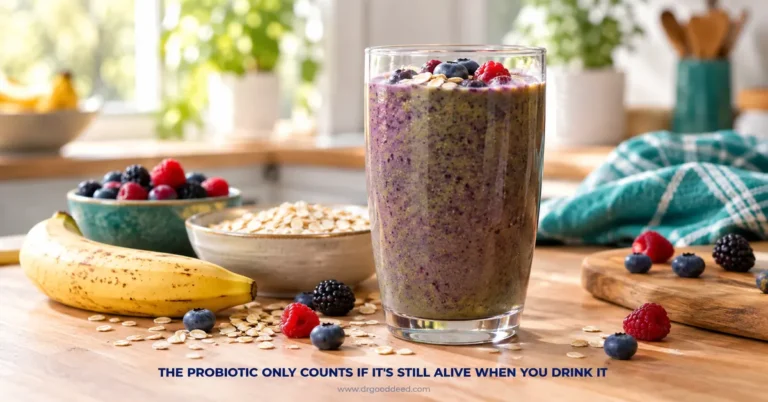
Yogurt and Fruit Probiotic Smoothie
- 250ml plain kefir or full-fat live-culture yogurt
- 1 medium banana (green-tipped for resistant starch, a prebiotic)
- 1 tablespoon ground flaxseed
- 1 cup frozen blueberries (anthocyanins feed Bifidobacterium)
- 1 teaspoon raw honey (contains oligosaccharides that act as prebiotics)
Blend and consume immediately. Blending does not destroy probiotic bacteria. Heating above 40°C (104°F) does.
Ginger and Mint Digestive Drink
- 2 cups water
- 1 inch fresh ginger root, sliced thin
- 10 fresh mint leaves
- Juice of half a lemon
Simmer ginger in water for 10 minutes (below boiling to preserve active compounds). Remove from heat. Add mint and lemon. Strain and drink warm. Gingerols in fresh ginger reduce prostaglandin production in the gut, directly lowering intestinal inflammation.
Chia Seed Hydration Drink
- 2 tablespoons chia seeds
- 500ml water or coconut water
- Juice of one lime
- 1 teaspoon raw honey (optional)
Let chia seeds soak for 20 minutes. Chia forms a gel (like psyllium) that slows glucose absorption, feeds gut bacteria, and adds 8 grams of fiber per serving. This is one of the most fiber-dense homemade gut health drink recipes with the fewest ingredients.
Kefir-Based Gut Health Recipes
- 200ml plain kefir
- 1 teaspoon turmeric powder
- Half teaspoon black pepper (increases curcumin absorption by 2,000%)
- 1 teaspoon raw honey
Mix cold. Don’t heat kefir (kills bacteria). Turmeric’s curcumin reduces intestinal inflammation through NF-kB pathway suppression, which is the same mechanism some anti-inflammatory medications use.
Drinks That May Harm Gut Health
Sugary Beverages and Microbiome Imbalance
A single 355ml can of regular soda contains 39 grams of added sugar. That single dose feeds Firmicutes bacteria and Candida albicans yeast while suppressing Bifidobacterium and Lactobacillus. This shift happens within 24 hours, per research published in Cell (2021). Daily soda consumption reduces gut bacterial diversity measurably within 2 weeks.
Excess Alcohol and Digestive Irritation
Alcohol above two standard drinks daily increases intestinal permeability by disrupting tight junction proteins within the gut wall. This allows bacterial toxins (lipopolysaccharides) to enter the bloodstream, triggering systemic inflammation. Beer specifically contains ethanol and carbonation, both of which simultaneously damage the gut lining and increase gas production.
Artificial Sweeteners and Bloating
Sucralose (Splenda) and saccharin alter gut microbiome composition at FDA-acceptable daily intake doses, per a 2022 randomized controlled trial in Cell (Suez et al., Weizmann Institute of Science). Both sweeteners impaired glucose tolerance in participants within 2 weeks. Stevia showed the least microbiome disruption of all tested sweeteners.
Carbonated Drinks and Acid Reflux Triggers
Drinks to reduce acid reflux must avoid carbonation. Carbonated beverages increase intragastric pressure, forcing stomach acid upward through the lower esophageal sphincter. This is measurable through esophageal pH monitoring. People with GERD who eliminate carbonated drinks see a 30 to 40% reduction in reflux episodes within one week.
Fiber and Hydration for Better Digestion
Soluble Fiber Supporting Bowel Movements
Soluble fiber dissolves in water and forms a gel in the intestine. This gel slows digestion (reducing blood sugar spikes), softens stool, and ferments in the colon to produce short-chain fatty acids. The best liquid sources of soluble fiber are psyllium-mixed drinks, chia seed drinks, and oat-based smoothies.
Water Intake and Constipation Prevention
Adults need 2.7 liters (women) to 3.7 liters (men) of total daily water, including water from food (National Academies of Medicine, 2004 report). Each gram of soluble fiber consumed requires an additional 100ml of water to function properly without causing constipation. Ignoring this ratio is the most common reason fiber supplementation worsens constipation instead of resolving it.
Electrolyte Balance and Digestive Health
The intestinal muscles that move food forward (peristalsis) require sodium and potassium to contract. Low potassium (below 3.5 mEq/L) causes ileus, a condition where the intestine stops moving food forward efficiently. Coconut water, natural vegetable juices, and electrolyte drinks without artificial sweeteners maintain this balance without disrupting gut bacteria.
Common Mistakes People Make With Gut Health Drinks
Most people consuming a gut health drink daily still make errors that reduce or eliminate the benefit.
- Drinking kombucha that has been pasteurized after fermentation: pasteurization kills all live bacteria; check for “raw” or “unpasteurized” on the label
- Adding probiotic drinks to hot liquids above 40°C (104°F): heat above that threshold kills Lactobacillus within seconds
- Drinking kefir immediately after taking antibiotics without a 2-hour gap: the antibiotic eliminates the probiotic bacteria before they reach the intestine
- Choosing low-fat kefir or yogurt drinks: fat-soluble bacterial membranes survive stomach acid better in full-fat versions
- Consuming psyllium-based drinks without enough water: psyllium without 250ml minimum of water per tablespoon creates an intestinal blockage risk
- Drinking lemon water thinking it changes stomach pH: it doesn’t; the stomach neutralizes lemon juice within 30 seconds of ingestion
Signs Your Gut May Need More Support
Bloating and Excessive Gas
Bloating within 30 to 60 minutes of drinking sugary beverages or dairy points to lactose intolerance or bacterial overgrowth. Switching to a gut health drink with live cultures instead of sugar-sweetened beverages reduces bloating in lactose-intolerant individuals within 1 to 2 weeks.
Constipation or Irregular Bowel Movements
Fewer than three bowel movements per week qualifies as constipation clinically. Increasing daily water intake by 500ml and adding one chia seed or psyllium drink daily restores regularity in mild constipation within 3 to 5 days.
Acid Reflux and Indigestion
Acid reflux occurring more than twice weekly meets the clinical definition of GERD. Drinks to reduce acid reflux include plain water, chamomile tea, ginger tea, and low-acid aloe vera juice (decolorized, purified). Avoid peppermint tea, citrus juices, and all carbonated beverages.
Digestive Discomfort After Meals
Consistent bloating, nausea, or heaviness after meals suggests slow gastric emptying (gastroparesis), low stomach acid (hypochlorhydria), or bile insufficiency. Ginger tea before meals speeds gastric emptying. Apple cider vinegar diluted in water (1 tablespoon per 200ml) before meals increases stomach acid in hypochlorhydria but worsens acid reflux in people with GERD.
FAQs
What are the best drinks for improving gut health naturally?
The best drinks for gut health ranked by clinical evidence are: full-fat kefir (15 to 25 billion CFUs per serving), unpasteurized kombucha (live Lactobacillus strains), plain water (maintains gut mucus layer), ginger tea (reduces intestinal inflammation via gingerols), and chia seed drinks (8g soluble fiber per serving). These cover bacteria, hydration, and fiber simultaneously.
How do fermented drinks support the gut microbiome?
Fermented drinks and gut microbiome health connect through live bacterial strains that colonize the intestine, produce butyrate, and compete with harmful bacteria for space. The 2021 Stanford Cell trial showed daily fermented drink consumption increased microbiome diversity by 19% and reduced 19 inflammatory proteins over 10 weeks.
Which morning drinks may help support digestion and bowel movements?
The best morning drinks for gut health are warm water (triggers gastrocolic reflex within 15 minutes), ginger tea (speeds gastric emptying), kefir taken fasted (stomach pH is higher fasting, improving bacterial survival), and psyllium smoothies (provides soluble fiber that softens stool by midday). All four address different but complementary digestion functions.
Can probiotic drinks reduce bloating and digestive discomfort?
Yes. Kefir and drinkable yogurt containing Lactobacillus acidophilus NCFM reduce lactose-related bloating within 2 to 4 weeks of daily use. Peppermint tea reduces IBS-related bloating specifically by relaxing intestinal smooth muscle. Neither works for bloating caused by SIBO (small intestinal bacterial overgrowth), which requires a breath test to diagnose.
What drinks commonly worsen acid reflux symptoms?
Carbonated beverages, coffee, alcohol, citrus juices, and peppermint tea are the five drinks that patients with acid reflux must eliminate first. Carbonation increases intragastric pressure directly. Coffee relaxes the lower esophageal sphincter. Citrus lowers esophageal pH. Eliminating all five reduces GERD episode frequency by 30 to 40% in most patients within one week.
How does hydration support gut health and digestion?
Water maintains the gut’s 95% water-based mucus layer, which protects the intestinal wall and houses beneficial bacteria. Every gram of dietary fiber consumed requires 100ml of additional water to function. Below 1.5 liters of daily fluid intake, stool hardens, transit slows, and beneficial bacteria lose their mucus habitat, reducing microbial diversity.
Are homemade gut health drinks as effective as commercial probiotic drinks?
Yes, and sometimes more so. Homemade gut health drink recipes like kefir smoothies or chia drinks contain no preservatives, no added sugars, and no heat treatment that kills bacteria. Commercial kefir products often contain 15 to 25 billion CFUs; homemade versions fermenting for 24 hours reach comparable counts. The key variable is using a live starter culture, not a pasteurized base product.
Can sugary beverages negatively affect gut bacteria balance?
Yes. One 355ml soda (39g sugar) measurably shifts gut bacteria toward Firmicutes and Candida within 24 hours. Daily consumption reduces Bifidobacterium and Lactobacillus populations within 2 weeks. The damage reverses with 3 to 4 weeks of eliminating added sugar and replacing sugary drinks with a daily gut health drink containing live cultures.
What lifestyle habits work together with gut-friendly drinks?
Sleeping 7 to 9 hours nightly restores Lactobacillus populations suppressed by sleep deprivation. Reducing stress lowers cortisol, which otherwise increases intestinal permeability within hours. Eating 30 different plant species per week (American Gut Project finding) amplifies the microbial diversity that probiotic drinks begin building. Drinks work fastest when combined with these three habits.
When should digestive symptoms be medically evaluated?
See a gastroenterologist when bloating or pain persists beyond 4 weeks despite diet changes, when blood appears in stool, when weight drops more than 5% in 30 days without trying, or when acid reflux symptoms occur more than twice weekly despite eliminating drinks to reduce acid reflux triggers. These signs go beyond microbiome imbalance and need clinical testing.