

Basilar migraine, now medically termed migraine with brainstem aura, is a rare neurological condition causing temporary brainstem dysfunction alongside typical migraine and headache.
Roughly 10-15% of people with migraines experience aura symptoms, and among those, approximately 10-15% have basilar-type migraine affecting the brainstem and both sides of the brain. The condition primarily affects young women, adolescents, and people with a family history of migraines. Symptoms include slurred speech, dizziness, double vision, hearing changes, and confusion occurring 5-60 minutes before severe headache develops.
Episodes typically last 1-72 hours and follow a predictable pattern: aura symptoms develop first, peak within 30-60 minutes, then gradually resolve as throbbing headache begins.
Symptoms of Basilar Type Migraine
Basilar-type migraine produces distinctive neurological symptoms originating from temporary brainstem dysfunction. These symptoms develop during the aura phase, before or alongside headache pain.
Slurred Speech During Migraine Aura
Slurred speech during migraine aura results from disrupted communication between the brainstem speech centers and muscles controlling articulation. Words become difficult to pronounce clearly, syllables run together, or speech slows significantly. This dysarthria (difficulty speaking) typically lasts 5-20 minutes during the aura phase.
Some people also experience aphasia, difficulty finding the right words or understanding speech. You might know what you want to say but cannot retrieve the correct word. This language disruption happens because the electrical disturbance affects brain areas processing language. The symptom resolves completely once the aura passes, unlike stroke-related speech problems that persist.
Dizziness and Balance Problems
Vertigo (spinning sensation) occurs in roughly 60-70% of basilar migraine episodes. The room appears to spin, or you feel like you’re rotating even when sitting still. This differs from lightheadedness or general dizziness. The brainstem contains vestibular nuclei that process balance information from the inner ear. When these areas malfunction during stress severe vertigo results.
Balance problems make walking difficult or impossible during attacks. Coordination suffers, causing clumsiness and unsteadiness. Nystagmus (involuntary eye movements) sometimes accompanies the vertigo, visible as rapid back-and-forth eye jerking. These symptoms typically peak within 30 minutes and gradually improve as the aura phase ends.
Double Vision or Temporary Visual Changes
Double vision (diplopia) develops when the brainstem nuclei controlling eye movement coordination become affected. Each eye sees a separate image instead of the brain fusing them into one. This creates confusing, overlapping visual input that worsens with eye movement.
Other visual symptoms include temporary partial vision loss, blind spots, or seeing zigzag lines and flashing lights. These visual disturbances affect both eyes simultaneously because the brainstem processes vision from both sides.
The symptoms differ from typical migraine aura, which usually affects one side of the visual field. Complete blindness rarely occurs but temporary severe vision impairment can happen.
Tingling, Confusion, or Hearing Changes
Numbness and tingling (paresthesia) start in one hand or side of the face, then spread gradually. The sensation feels like “pins and needles” or the limb “falling asleep.” Both sides of the body can be affected simultaneously or sequentially. The tingling typically progresses from fingers up the arm over 5-15 minutes.
Mental confusion ranges from mild difficulty concentrating to severe disorientation about time and place. Memory problems during attacks make remembering recent events difficult.
Hearing changes include tinnitus (ringing in ears), muffled hearing, or temporary hearing loss. Sound sensitivity (phonophobia) often accompanies the hearing changes, making normal noise levels feel unbearably loud.
Throbbing Headache and Nausea
After aura symptoms peak and begin subsiding, severe throbbing headache develops, typically affecting the back of the head (occipital region). The pain often starts on both sides rather than the one-sided pattern common in typical migraines. Intensity ranges from moderate to severe, with most people rating it 7-10 on a 10-point scale.
Nausea and vomiting accompany nearly every episode. The combination of vertigo and migraine-related nausea creates intense stomach upset. Light sensitivity (photophobia) and sound sensitivity force people to seek dark, quiet spaces. The headache phase lasts 4-72 hours if untreated, though most episodes resolve within 24 hours.
Causes of Basilar Migraines
The causes of basilar migraines involve genetic predisposition combined with neurological mechanisms affecting brainstem function. No single cause fully explains why some people develop this specific migraine subtype.
Genetic variants affecting ion channels, neurotransmitter regulation, and vascular tone all contribute to susceptibility. Familial hemiplegic migraine (FHM) genes show particular association with basilar migraine, suggesting shared genetic pathways between conditions causing neurological aura symptoms.
Primary mechanisms include:
- Cortical spreading depression, a wave of electrical silence moving across the brainstem at 2-6mm per minute
- Dysfunction in calcium, sodium, and potassium ion channels regulating nerve cell excitability
- Serotonin and dopamine imbalances affecting pain processing and vascular tone
- Genetic mutations in CACNA1A, ATP1A2, and SCN1A genes controlling cellular function
- Mitochondrial dysfunction reducing energy production in nerve cells
- Abnormal activation of the trigeminovascular system releasing inflammatory substances
- Temporary reduced blood flow to brainstem structures during aura phase
- Neurotransmitter glutamate excess causing nerve hyperexcitability
The brainstem’s compact structure means small disruptions affect multiple functions simultaneously. Unlike other brain regions where dysfunction affects isolated abilities, brainstem involvement creates the constellation of symptoms characteristic of basilar migraine. The posterior circulation (vertebral and basilar arteries) supplies this area, historically explaining the condition’s name.
Why Brainstem Symptoms Happen During Migraines
Brainstem involvement in basilar migraine occurs when cortical spreading depression affects structures at the base of the brain controlling autonomic functions, balance, vision coordination, and consciousness level.
The brainstem acts as a relay station between the brain and spinal cord, processing sensory information and coordinating motor responses. During migraine attacks, electrical disturbances propagate through these critical areas, temporarily disrupting their function without causing permanent damage.
Specific brainstem impacts include:
- Disruption of vestibular nuclei causing vertigo and balance problems
- Interference with cranial nerve nuclei controlling eye movements, creating double vision
- Malfunction of reticular activating system affecting consciousness and alertness
- Disturbance of medullary centers regulating breathing and blood pressure
- Altered function in pons regions coordinating speech and facial sensation
- Disrupted cerebellar connections affecting coordination and motor control
- Changes in autonomic nervous system causing nausea, sweating, and temperature dysregulation
- Interference with auditory pathways producing hearing changes and tinnitus
The symptoms appear frightening because they mimic stroke or other serious neurological emergencies. However, basilar migraine symptoms resolve completely once the electrical disturbance passes.
Treatment Options for Basilar Migraine
Treatment options for basilar migraine require careful medication selection because some standard migraine drugs are contraindicated (not safe) for this variant. Triptans, which constrict blood vessels, carry theoretical stroke risk in people with brainstem symptoms and should be avoided unless specifically approved by a neurologist.
Migraine Medications and Prevention Strategies
Pain relievers including acetaminophen, ibuprofen, or naproxen help manage headache pain when taken early. Anti-nausea medications like ondansetron, metoclopramide, or prochlorperazine control vomiting and allow oral rehydration. These medications work best when administered at the first sign of aura symptoms.
Preventive medications reduce attack frequency for people experiencing four or more episodes monthly. Calcium channel blockers like verapamil show particular effectiveness for basilar migraine.
Beta-blockers (propranolol), anticonvulsants (topiramate, valproic acid), and tricyclic antidepressants (amitriptyline) all demonstrate benefit. Doctors prescribe preventive medications based on individual patterns, other health conditions, and potential side effects.
Rest in a Dark Quiet Environment
Lying down in a completely dark room reduces sensory stimulation that worsens symptoms. Light and sound sensitivity during attacks make normal environmental stimuli painful. Blackout curtains or an eye mask block visual input, while earplugs or white noise machines minimize auditory disturbances.
Avoiding movement prevents worsening of vertigo and nausea. The spinning sensation intensifies with head position changes or walking. Staying still in a comfortable position allows the vestibular system to stabilize. Many people find sleeping during attacks shortens episode duration, waking after 2-4 hours with resolved or significantly improved symptoms.
Managing Triggers and Lifestyle Habits
Identifying personal triggers through detailed tracking allows targeted avoidance. Common triggers include hormonal fluctuations, stress, sleep disruption, dehydration, certain foods, and weather changes. Keeping a migraine diary documenting potential triggers for 24-48 hours before each episode reveals patterns.
Maintaining consistent routines stabilizes physiological systems. Going to bed and waking up with migraine, eating regular meals every 3-4 hours, and staying hydrated prevents many attacks. Stress management through relaxation techniques, regular exercise, and adequate rest reduces baseline vulnerability to triggers.
Medical Supervision for Severe Symptoms
First-time episodes with basilar migraine symptoms require emergency evaluation to rule out stroke, aneurysm, or other serious conditions. Brain imaging (CT or MRI) and neurological examination confirm the diagnosis by excluding structural abnormalities. Establishing the diagnosis allows confident management of future episodes.
Regular follow-up with a neurologist specializing in headache disorders ensures optimal treatment. Medication adjustments based on response patterns and emerging research improve outcomes. Some people benefit from intravenous medications during severe attacks that cause prolonged vomiting and dehydration.
Common Triggers That May Worsen Basilar Migraines
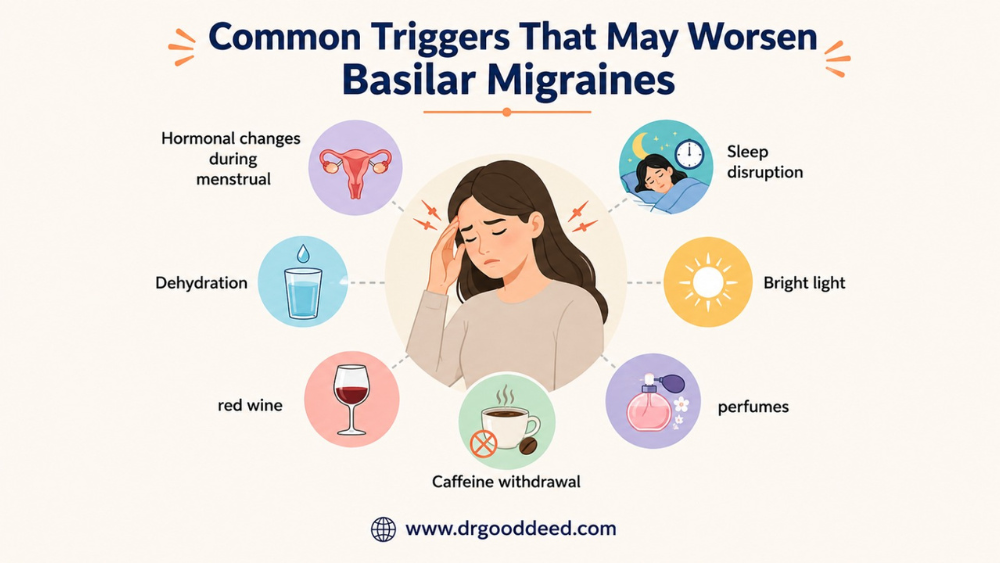
Specific environmental, physiological, and dietary factors consistently precipitate basilar migraine episodes in susceptible individuals. Hormonal fluctuations particularly affect women, with attacks often clustering around menstruation, ovulation, or during pregnancy.
Weather changes, especially rapid barometric pressure drops, trigger attacks in 50-70% of people with migraines through mechanisms affecting brainstem pressure receptors.
Frequent triggers include:
- Hormonal changes during menstrual cycle, particularly estrogen withdrawal
- Sleep disruption from too little (under 6 hours) or excessive (over 9 hours) sleep
- Dehydration reducing blood volume by 5-10%
- Skipped meals causing blood sugar fluctuations
- Bright or flickering lights including screens and fluorescent bulbs
- Intense physical exertion without proper warm-up or conditioning
- Alcohol consumption especially red wine, beer, and champagne
- Caffeine withdrawal when missing regular coffee intake
- Strong odors from perfumes, gasoline, or cleaning products
- Foods containing tyramine (aged cheeses, processed meats)
- MSG (monosodium glutamate) in packaged foods and restaurant meals
- Artificial sweeteners particularly aspartame
- Weather changes including storms, temperature swings, or altitude changes
- Medications including oral contraceptives and vasodilators
Triggers often combine to exceed individual threshold. A single trigger might cause no problems, but combining poor sleep with stress and dehydration creates conditions for an attack.
Lifestyle Habits That May Help Reduce Attacks
Implementing consistent daily routines creates physiological stability that reduces basilar migraine frequency. Lifestyle modifications decrease attack frequency by 40-60% when maintained for at least 8-12 weeks.
Consistent Sleep Schedules
Maintaining the same bedtime and wake time every day, including weekends, regulates circadian rhythms and hormone production. Sleep deprivation lowers migraine threshold significantly, making you vulnerable to other triggers. Aim for 7-9 hours nightly in a cool (65-68°F), dark, quiet room.
Creating a bedtime routine signals your body that sleep approaches. Dimming lights, avoiding screens for 30-60 minutes before bed, and practicing relaxation techniques improve sleep quality. Addressing sleep disorders like sleep apnea or restless leg syndrome through medical treatment reduces migraine frequency.
Hydration and Regular Meals
Drinking 8-10 cups of water daily maintains blood volume and prevents dehydration-triggered attacks. Carrying a water bottle and taking small sips throughout the day ensures consistent intake. Urine color provides a simple hydration check: pale yellow indicates good hydration, while dark yellow signals inadequate fluids.
Eating balanced meals every 3-4 hours prevents blood sugar fluctuations. Each meal should combine protein, complex carbohydrates, and healthy fats. This macronutrient balance slows glucose absorption and provides steady energy. Never skip breakfast, as overnight fasting already stresses blood sugar regulation.
Stress Management and Relaxation Techniques
Daily stress management practice reduces both acute stress responses and baseline stress levels. Deep breathing exercises, progressive muscle relaxation, meditation, or yoga activate the parasympathetic nervous system, counteracting stress physiology. Even 10-15 minutes daily shows measurable benefit within 2-3 weeks.
Regular moderate exercise releases endorphins and improves stress resilience. Walking, swimming, cycling, or other aerobic activities for 30 minutes five days weekly reduce migraine frequency. Start gradually to avoid exercise-induced migraines, warming up properly and staying hydrated throughout workouts.
Tracking Migraine Triggers and Aura Symptoms
Maintaining detailed records of triggers, aura symptoms, and headache characteristics helps identify patterns and optimize treatment. Note date, time, aura type and duration, headache severity, medications taken, and suspected triggers for 24-48 hours before each episode.
Recording aura symptom progression helps distinguish basilar migraine from other conditions and guides emergency decision-making. If symptoms deviate from your typical pattern, occur without subsequent headache, or fail to resolve normally, seek medical evaluation.
When Basilar Migraine Symptoms Need Emergency Care
While most basilar migraine episodes resolve without complications, certain presentations require immediate emergency evaluation to rule out stroke, bleeding, or other life-threatening conditions.
The symptom overlap between migraine with brainstem aura and posterior circulation stroke makes distinguishing between them challenging without medical assessment. Any first-time neurological symptoms warrant urgent evaluation. New symptom patterns different from established attacks or symptoms persisting beyond typical duration (more than 60 minutes for aura, more than 72 hours for headache) need prompt medical attention.
Emergency warning signs include:
- Sudden severe headache reaching maximum intensity within seconds (thunderclap pattern)
- First-time neurological symptoms in anyone over age 50
- Aura symptoms lasting longer than 60 minutes without resolution
- Weakness or paralysis affecting one side of the body
- Severe confusion, disorientation, or altered consciousness level
- Seizure activity during or after migraine symptoms
- Fever, stiff neck, or rash accompanying neurological symptoms suggesting infection
- Headache following head trauma or injury
- Progressive worsening of symptoms over hours rather than gradual improvement
- Vision loss that doesn’t improve or worsens over time
- Difficulty breathing or swallowing indicating severe brainstem involvement
- Loss of consciousness or fainting during episode
The FAST stroke test (Face drooping, Arm weakness, Speech difficulty, Time to call 911) helps identify stroke symptoms. If any component appears, call emergency services immediately. Better to evaluate a migraine in the emergency room than miss a stroke requiring time-sensitive treatment.
FAQs
What is the difference between basilar migraine and regular migraine?
Basilar migraine causes brainstem dysfunction symptoms including slurred speech, vertigo, double vision, and bilateral visual disturbances before headache, while regular migraines typically cause one-sided head pain with visual aura affecting one visual field. Brainstem symptoms affect both body sides simultaneously. About 10-15% of migraine-with-aura sufferers experience the basilar variant.
Why does slurred speech happen during brainstem migraine aura?
Slurred speech during migraine aura occurs when cortical spreading depression disrupts brainstem nuclei controlling tongue, lips, and throat muscle coordination. The dysarthria typically lasts 5-20 minutes during aura phase. Language centers malfunction temporarily, causing word-finding difficulty. The speech disturbance resolves completely once electrical disruption passes, unlike stroke where speech problems persist.
Can basilar migraines cause dizziness and balance problems?
Yes, vertigo affects 60-70% of basilar migraine episodes. The brainstem vestibular nuclei processing inner ear balance signals malfunction during attacks, creating intense spinning sensations and severe unsteadiness. Nystagmus (involuntary eye jerking) often accompanies the vertigo. Walking becomes impossible during peak symptoms. The dizziness typically peaks within 30 minutes then gradually improves.
How are basilar migraines different from stroke symptoms?
Basilar migraine symptoms develop gradually over 5-60 minutes and resolve completely within hours, while stroke symptoms appear suddenly and persist. Migraine affects young people (teens to 40s) with prior episodes, stroke typically affects older individuals. However, symptom overlap requires emergency evaluation for first-time presentations. Brain imaging distinguishes between conditions definitively.
Which triggers commonly worsen basilar migraine attacks?
Hormonal fluctuations during menstruation, sleep disruption (under 6 or over 9 hours), dehydration, stress, bright lights, alcohol, caffeine withdrawal, and foods containing tyramine or MSG trigger most episodes. Weather changes and intense physical exertion also provoke attacks. Causes of basilar migraines often involve multiple simultaneous triggers exceeding individual threshold.
Can dehydration and stress increase migraine aura symptoms?
Yes, dehydration reduces blood volume 5-10%, decreasing brainstem oxygen delivery and lowering migraine threshold. Stress elevates cortisol causing vascular instability. Combined effects make aura symptoms more severe and prolonged. Drinking 8-10 cups of water daily and practicing stress management reduce both attack frequency and brainstem involvement in basilar migraine severity.
What treatments may help reduce brainstem migraine frequency?
Treatment options for basilar migraine include calcium channel blockers (verapamil), beta-blockers (propranolol), anticonvulsants (topiramate), and lifestyle modifications. Triptans are contraindicated due to theoretical stroke risk. Preventive medications reduce attacks by 50-70% when taken daily. Consistent sleep schedules, hydration, stress management, and trigger avoidance provide additional 40-60% frequency reduction.
Why do visual and hearing symptoms occur during attacks?
The brainstem processes visual coordination from both eyes and auditory signals from both ears. During basilar-type migraine, electrical disturbances affect cranial nerve nuclei controlling these functions. Double vision results from eye movement coordination failure. Hearing changes including tinnitus, muffled hearing, or temporary loss occur from auditory pathway dysfunction. Symptoms resolve completely post-attack.
When should migraine-related neurological symptoms become an emergency?
First-time neurological symptoms, symptoms lasting beyond 60 minutes without improvement, sudden severe headache reaching peak intensity within seconds, weakness or paralysis, altered consciousness, seizures, or symptoms after age 50 require immediate emergency evaluation. These may indicate stroke, aneurysm, or other serious conditions needing urgent treatment distinct from basilar migraine management.
How can migraine triggers and aura episodes be tracked effectively?
Use a dedicated migraine diary or smartphone app recording date, time, aura symptoms (type, duration, progression), headache severity, medications taken, and potential triggers for 24-48 hours before each episode. After 4-6 weeks, patterns reveal personal triggers. Note symptom progression helps distinguish your typical basilar migraine pattern from concerning variations warranting medical evaluation.