
In the USA, recognizing the signs depression is getting worse is critical for timely intervention and effective management of major depressive disorder. While occasional bad days are normal, persistently asking “is my depression getting worse” signals a need to evaluate emotional, cognitive, behavioral, and physical changes.
This guide covers how to identify these shifts, the impact of stress making depression worse, the role of medication changes and worsening depression, and actionable coping strategies for severe depression symptoms to help you regain control.
How Can You Tell If Depression Is Getting Worse?
Determining whether your symptoms are simply fluctuating or genuinely deteriorating requires careful observation. If you find yourself frequently wondering, “is my depression getting worse,” it is time to look closely at your daily functioning.
Changes that go beyond a “bad day”
Everyone experiences difficult days, but when depression worsens, the low mood becomes pervasive and unyielding. A bad day might involve temporary sadness that lifts after a good night’s sleep or a positive event. In contrast, worsening depression involves a persistent heaviness that does not respond to typical comforts.
You might notice that activities you usually enjoy no longer bring pleasure, a condition known as anhedonia. This profound lack of interest is a core indicator that your condition is escalating beyond normal mood variations.
Signs depression is getting worse
- Increased isolation: You actively avoid friends and family, canceling plans more frequently.
- Intensified hopelessness: You feel a growing sense of despair about the future.
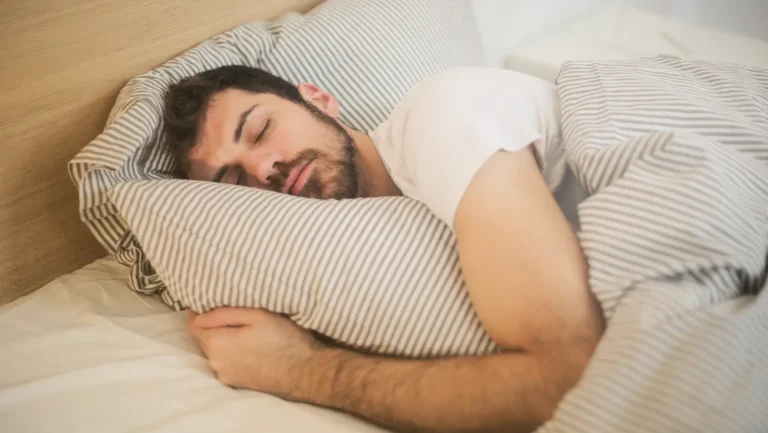
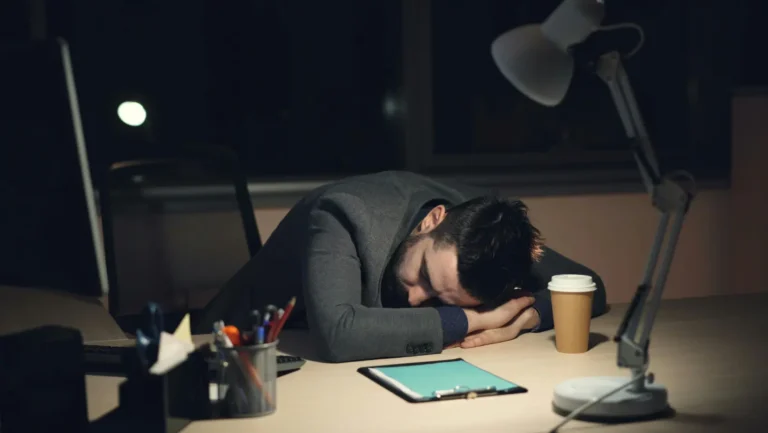
- Changes in sleep: You experience severe insomnia or sleep excessively without feeling rested.
- Appetite shifts: You notice significant weight loss or gain without trying.
- Difficulty concentrating: You struggle to focus on simple tasks like reading or watching television.
- Emergence of dark thoughts: You begin having thoughts of self-harm or suicide.
The Four Areas That Show Whether Depression Is Actually Worsening
To accurately answer the question, “is my depression getting worse,” it helps to categorize symptoms into four main areas. Monitoring these domains provides a comprehensive view of your mental health and highlights specific signs depression is getting worse.
Emotional Changes
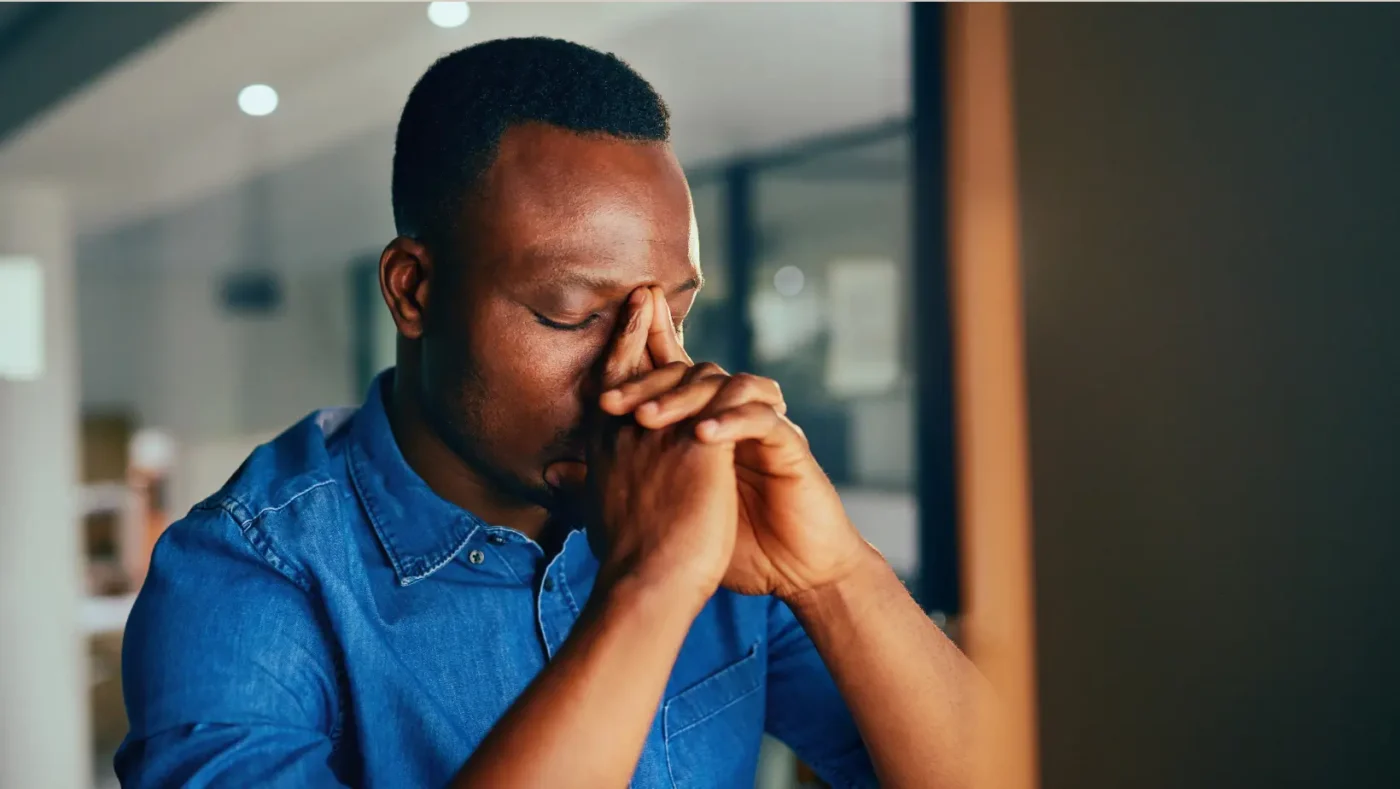
Emotional shifts are often the most noticeable signs depression is getting worse. You might feel an overwhelming sense of sadness, emptiness, or irritability that persists for most of the day, nearly every day.
Feelings of worthlessness or excessive guilt may intensify, making you harshly judge yourself for minor mistakes. Some individuals also experience a profound emotional numbness, feeling disconnected from their surroundings and loved ones. These emotional burdens are significant risk factors for severe depression.
Cognitive Changes
Cognitive changes affect how you think and process information. When asking “is my depression getting worse,” consider your mental clarity. You may find it increasingly difficult to concentrate, make decisions, or remember details. Your thoughts might become overwhelmingly negative, focusing only on failures and anticipating the worst outcomes.
A 2025 study in the Journal of Affective Disorders highlighted that cognitive monitoring deficits, measurable through specific biomarkers, are strong indicators of worsening depressive symptoms .
Behavioral Changes
Behavioral changes are observable actions that indicate your depression is deepening. You might withdraw from social interactions, preferring to stay in bed rather than engage with the world.
Personal hygiene and daily responsibilities may be neglected. Some people might engage in risky behaviors or increase their use of alcohol or substances as a misguided coping mechanism. These behavioral shifts are clear signs depression is getting worse and require immediate attention.
Physical Changes
Depression is not just a mental illness; it has profound physical effects. You might experience unexplained aches and pains, chronic fatigue, or significant changes in your sleep and eating patterns.
A 2025 study in Translational Psychiatry found that biomarkers of inflammation are positively associated with somatic depressive symptoms, indicating a strong biological component to these physical changes .
Why Depression Can Become More Severe
Several factors can answer why you might feel, “Is my depression getting worse?” Identifying these triggers helps in developing effective coping strategies for severe depression symptoms.
Stress making depression worse
Chronic stress is a primary catalyst for worsening depression. Stress making depression worse occurs because prolonged tension disrupts the brain’s neuroplasticity and alters the hypothalamic-pituitary-adrenal (HPA) axis, leading to sustained high cortisol levels. This biological response exacerbates feelings of anxiety and despair.
A 2025 review in Translational Psychiatry emphasized that chronic stressful events strongly predict the onset and worsening of depressive disorders. Managing stress is therefore a critical component of treatment.
Medication changes and worsening depression
Medication changes and worsening depression are closely linked. Altering your dosage, switching to a new antidepressant, or stopping medication abruptly can cause significant mood fluctuations.
Discontinuing antidepressants without medical supervision increases the risk of relapse. It is essential to communicate openly with your healthcare provider about any side effects or lack of efficacy before making changes. Proper management of medication changes and worsening depression ensures your treatment remains effective and safe.
Other factors that may contribute
- Substance abuse: Increased use of alcohol or drugs can severely worsen depressive symptoms.
- Medical conditions: New or worsening physical illnesses, such as thyroid disorders or chronic pain, can exacerbate depression.
- Lack of support: Experiencing social isolation or lacking a strong support system increases vulnerability.
- Poor sleep hygiene: Chronic sleep deprivation significantly impacts mood regulation and cognitive function.
- Major life changes: Events like job loss, divorce, or the death of a loved one are significant risk factors for severe depression.
What Can You Do If Your Symptoms Are Getting Worse?
Implementing effective coping strategies for severe depression symptoms can help stabilize your mood and prevent further decline.
Reach out to your healthcare provider
The first and most important step is to contact your doctor or therapist. They can assess your current symptoms, review your treatment plan, and make necessary adjustments. Whether it involves changing your medication, increasing therapy sessions, or exploring new treatment modalities, professional guidance is essential. Do not attempt to manage worsening symptoms alone; expert support is crucial for recovery.
Stick to your treatment plan
Adherence to your prescribed treatment plan is critical. Take your medications exactly as directed and attend all scheduled therapy appointments. Consistency helps maintain the chemical balance in your brain and provides ongoing emotional support.
If you experience side effects, discuss them with your provider rather than stopping the medication. Sticking to the plan is one of the most effective coping strategies for severe depression symptoms.
Coping strategies for severe depression symptoms
- Establish a routine: Maintain a consistent daily schedule for waking up, eating, and sleeping to provide structure.
- Engage in mild exercise: Even a short daily walk can boost endorphins and improve your mood.
- Practice mindfulness: Techniques like meditation and deep breathing can help manage stress and reduce anxiety.
- Limit alcohol and caffeine: These substances can interfere with sleep and exacerbate depressive symptoms.
- Connect with others: Reach out to trusted friends or support groups to reduce feelings of isolation.
When Should You Seek Immediate Help?
Sometimes, the signs depression is getting worse escalate to a crisis level. If you experience any of the following, seek immediate emergency medical assistance:
- You have persistent thoughts of death, suicide, or self-harm.
- You have formulated a specific plan to hurt yourself.
- You feel completely overwhelmed and unable to keep yourself safe.
- You experience psychotic symptoms, such as hallucinations or delusions.
- You are unable to perform basic self-care tasks necessary for survival.
FAQs
What are the first signs depression is getting worse?
The first signs depression is getting worse often include a profound loss of interest in previously enjoyed activities, increased social withdrawal, and noticeable changes in sleep or appetite. You may also experience intensified feelings of worthlessness and persistent fatigue that does not improve with rest.
Can stress making depression worse happen quickly?
Yes, stress making depression worse can happen rapidly. Acute stressful events, such as a sudden job loss or relationship breakdown, can trigger an immediate and severe exacerbation of depressive symptoms by rapidly elevating cortisol levels and overwhelming your coping mechanisms.
Can medication changes and worsening depression occur together?
Yes, medication changes and worsening depression frequently occur together. Adjusting dosages, switching drugs, or abruptly stopping antidepressants can disrupt brain chemistry, leading to withdrawal symptoms or a rapid return of severe depressive episodes. Always consult your doctor before altering medications.
When should I contact my doctor about “is my depression getting worse”?
You should contact your doctor about “is my depression getting worse” if your symptoms persist for more than a few days, interfere significantly with your daily functioning, or if you notice new symptoms like severe insomnia or thoughts of self-harm. Early intervention is crucial.