

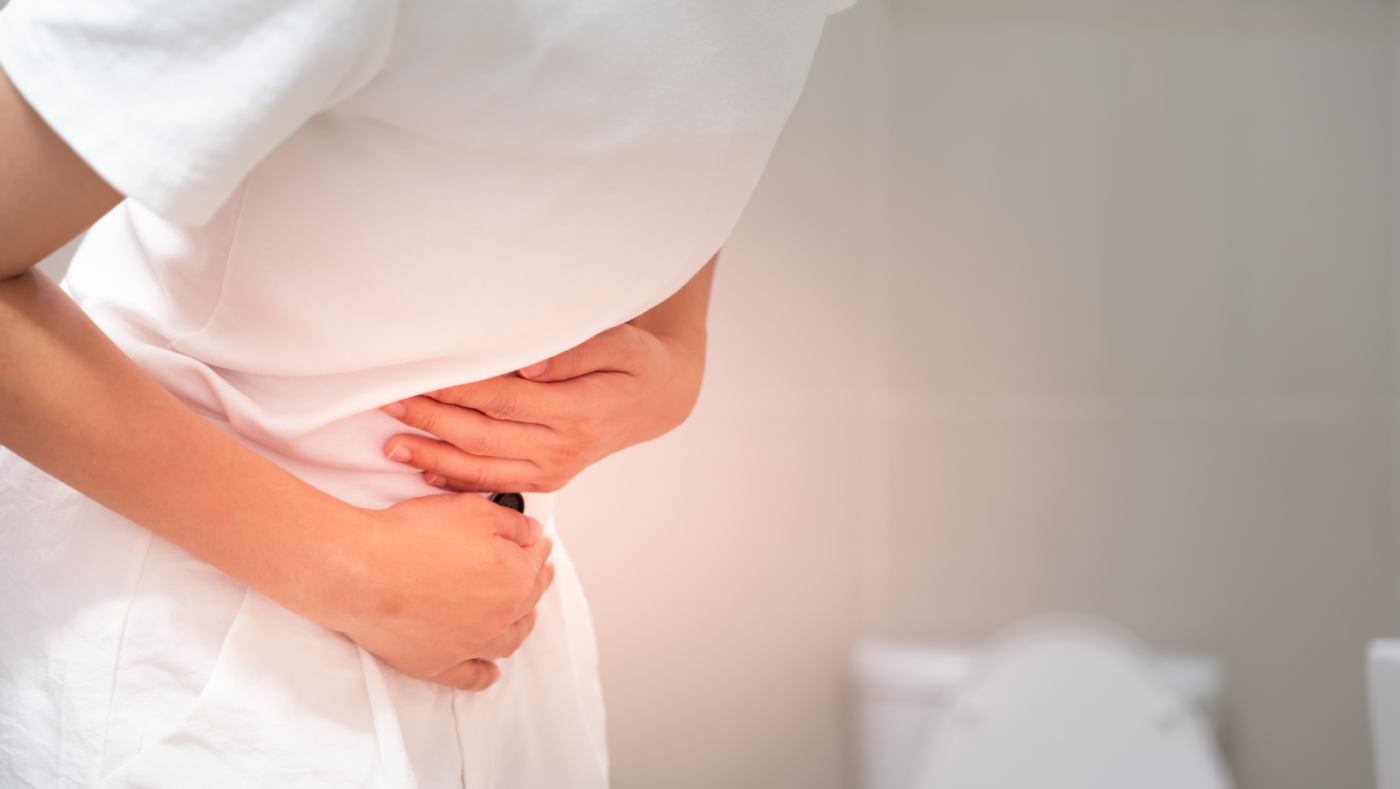

Diarrhea means passing loose, watery stools 3 or more times a day. Most cases clear up within 1 to 2 days without treatment.
Diarrhea resolves quickly in most healthy adults when dehydration gets addressed early. Dehydration from diarrhea kills around 1.6 million people globally each year, almost all in cases where ORS was not used. The stool stops on its own. The electrolytes do not replace themselves.
If diarrhea keeps coming back every few weeks without a clear food trigger, that pattern warrants investigation. Conditions like IBS, celiac disease, and inflammatory bowel disease all begin as recurring loose stools that most people dismiss as a sensitive stomach.
What Is a Cause of Diarrhea?
The most common cause is a viral infection, specifically norovirus or rotavirus. These spread through contaminated food, water, or surfaces. Bacterial causes like Salmonella and E. coli come from undercooked meat and unwashed produce.
Antibiotics disrupt gut bacteria and trigger diarrhea in about 1 in 5 people who take them. Stress and IBS also cause loose stools without any infection.
What Are 5 Symptoms of Diarrhea?
- Loose or watery stools more than 3 times a day
- Stomach cramps and bloating
- Urgent need to use the toilet with little warning
- Nausea, sometimes with vomiting
- Dehydration signs: dry mouth, dark urine, dizziness, and fatigue
Most people focus on the stool frequency and miss the dehydration building in the background. That is the symptom that sends people to the hospital.
What to Eat If You Have Diarrhea?
Eat the BRAT diet: bananas, rice, applesauce, and toast. These are low-fiber, binding foods that slow stool movement. Boiled potatoes, plain crackers, and boiled chicken are also safe.
Avoid fatty, spicy, and high-fiber foods for 24 to 48 hours. Eat small amounts every few hours rather than full meals. The gut needs easy-to-process food while it recovers.
How Do You Recover From Diarrhea?
Recovery depends on replacing fluids and electrolytes faster than you lose them. Oral Rehydration Solution (ORS), sold as Electral or Pedialyte, replaces sodium and potassium lost through stools. Rest completely. Avoid solid food for the first 4 to 6 hours if nausea accompanies the diarrhea. Most people recover fully within 48 hours with proper hydration and rest.
What Drink Stops Diarrhea?
ORS (Oral Rehydration Solution) is the most effective drink. The WHO formula combines water, salt, and sugar at specific ratios to maximize absorption in the gut. Coconut water is a natural alternative with good electrolyte content.
Avoid fruit juices and sports drinks. They contain too much sugar, which pulls more water into the intestine and worsens diarrhea.
Is Banana Good for Diarrhea?
Yes. Bananas are one of the best foods during diarrhea. They contain pectin, a soluble fiber that absorbs excess water in the intestines and firms up stool. They also restore potassium lost through watery stools. Eat ripe bananas, not unripe ones. Unripe bananas contain high resistant starch that ferments in the gut and worsens bloating.
How Long Does Diarrhea Usually Last?
Viral diarrhea lasts 1 to 3 days. Bacterial diarrhea from food poisoning lasts 3 to 7 days. Antibiotic-related diarrhea clears within a few days of finishing the medication. Diarrhea lasting more than 2 weeks is classified as persistent and needs a stool test. Diarrhea beyond 4 weeks is chronic and requires a gastroenterologist evaluation.
How to Cure Diarrhea at Home?
Start with ORS or a homemade version: 1 liter of clean water, 6 teaspoons of sugar, and half a teaspoon of salt. Drink small sips continuously rather than large amounts at once. Eat plain rice or bananas every few hours.
Ginger tea reduces gut inflammation and nausea. Avoid milk, coffee, and alcohol until stools return to normal. Most cases resolve within 24 hours with this approach.
Is Curd Good for Diarrhea?
Plain curd with live cultures is good for diarrhea caused by antibiotics or bacterial infections. The Lactobacillus bacteria in curd restore the gut’s natural bacterial balance.
A 2010 Cochrane review found probiotics reduced diarrhea duration by about one day. Avoid curd during the first 6 hours of acute watery diarrhea, when the gut needs rest before reintroducing any dairy.
What Is the Fastest Cure for Diarrhea?
Loperamide (Imodium) is the fastest-acting option for non-infectious diarrhea. It slows intestinal movement and reduces stool frequency within 1 hour. For infectious diarrhea caused by bacteria or parasites, loperamide is not recommended as a first step because it slows the gut and traps the infection inside. ORS works faster than most people expect for restoring energy and reducing trips to the toilet.
What Is the Best Medicine for Diarrhea?
| Situation | Best Medicine |
| General loose stools | Loperamide (Imodium) |
| Bacterial infection | Doctor-prescribed antibiotics |
| Antibiotic-related diarrhea | Probiotics (Saccharomyces boulardii) |
| Diarrhea with cramps | Racecadotril (Hidrasec) |
| Traveler’s diarrhea | Azithromycin or rifaximin |
Racecadotril is widely used in India and Europe for acute diarrhea. It reduces fluid secretion in the intestine without slowing gut movement, making it safer than loperamide for infectious cases.
What Stops Diarrhea Quickly?
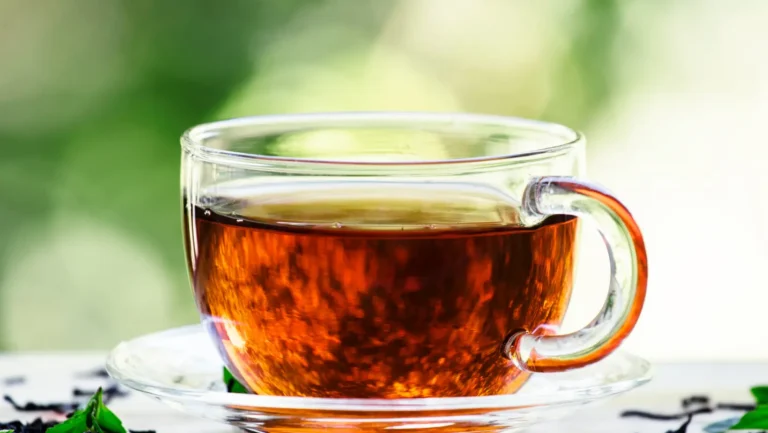
Loperamide at 4mg as a first dose, followed by 2mg after each loose stool, stops most non-infectious diarrhea within 2 to 4 hours. For immediate natural relief, a strong black tea with no milk works. Tannins in black tea tighten the gut lining and reduce fluid loss. This is not a substitute for ORS, but it reduces urgency quickly.
How Do I Know If My Diarrhea Is Serious?
Go to a doctor immediately if:
- Diarrhea lasts more than 2 days in adults or 24 hours in children under 2
- Stools contain blood or look black and tarry
- Fever is above 102°F (38.9°C)
- Severe abdominal pain accompanies the diarrhea
- Signs of dehydration appear: no urination for 8 hours, sunken eyes, extreme thirst, or confusion
Blood in stool combined with diarrhea is never a wait-and-see situation. It needs same-day medical attention.

Leave a Comment