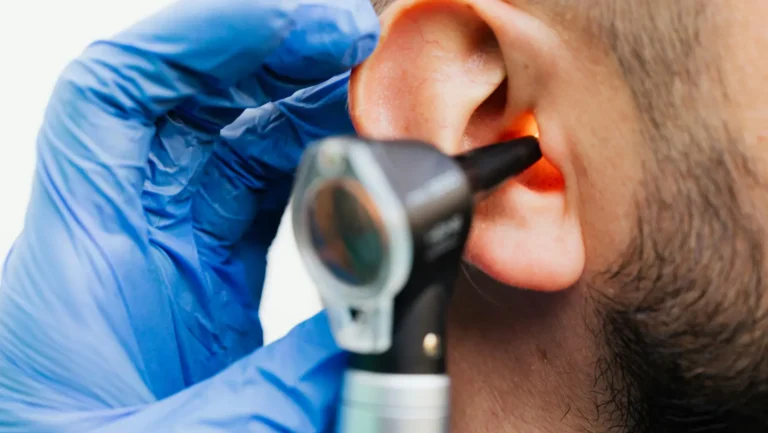

A double ear infection means both ears are infected at the same time, medically called bilateral otitis media. It affects roughly 15–20% of all childhood ear infection cases in the U.S., though adults get it too. This guide covers every symptom, cause, treatment, and red flag worth knowing, including what most articles skip entirely.
Pain in Both Ears Infection Symptoms
Pain in both ears infection symptoms show up faster and hit harder than single-ear infections. Both ears share the same Eustachian tube network and immune response, so when one ear gets hit, the other often follows within 24–48 hours. Recognizing symptoms early cuts down recovery time and prevents complications.
Ear Pain in Both Ears
The pain starts as pressure or a dull throb. It gets worse when lying down because fluid in the middle ear shifts and presses against the eardrum. Children often pull or tug at both ears. Adults describe it as a burning or stabbing sensation that worsens at night.
Fever and Fatigue
A fever above 100.4°F (38°C) is common with a double ear infection. The body’s immune system is working against infection in two locations simultaneously, which drives inflammation up. Fatigue follows, especially in children who become visibly lethargic and disinterested in food.
Hearing Difficulty or Fullness
Fluid buildup behind both eardrums dulls sound. Words become muffled. Children stop responding to normal conversation. Adults notice they keep asking people to repeat themselves. This is temporary in most cases, but ignoring it leads to longer-lasting hearing problems.
Irritability (Especially in Children)
Toddlers and infants cannot describe pain. They cry more than usual, sleep poorly, and reject bottles or nursing because sucking changes pressure in the ear canal and makes the pain worse. This sign, combined with fever and tugging at both ears, is a strong indicator of a double ear infection in kids under 2.
Causes of Double Ear Infection
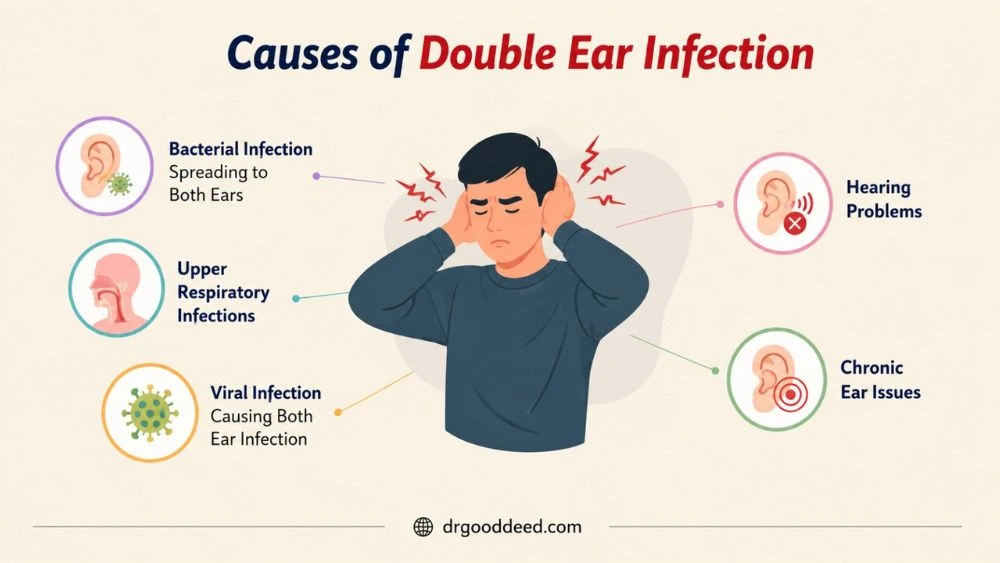
The causes of double ear infection fall into two main categories: viral and bacterial. Each has a different treatment path. Mixing them up leads to antibiotic overuse or undertreated infections. Most double ear infections start in the upper respiratory tract and spread inward through the Eustachian tubes.
Viral Infection Causing Both Ear Infection
Viruses are the most common trigger. Rhinovirus (the common cold virus) inflames the nasal passages and throat. That inflammation travels up the Eustachian tubes, blocking drainage. Fluid collects in both middle ears. The fluid itself becomes the breeding ground for further complications, even if the virus has already cleared.
Bacterial Infection Spreading to Both Ears
Streptococcus pneumoniae and Haemophilus influenzae are the two bacteria behind most bacterial double ear infections in the U.S. They colonize the nasopharynx first, then spread upward when the Eustachian tubes swell shut. Bacterial infections tend to cause more severe pain and higher fever than viral ones.
Upper Respiratory Infections (Cold, Flu)
The flu (influenza virus) and common cold are the two biggest gateways to double ear infections. Both inflame the upper airway lining. That swelling blocks Eustachian tube drainage. Children in daycare and school settings are at highest risk because of constant exposure to respiratory viruses, especially from October through March.
Viral Infection Causing Both Ear Infection
Viral infection causing both ear infection is responsible for approximately 70% of all otitis media cases. This matters because antibiotics don’t treat viruses. Prescribing them unnecessarily contributes to antibiotic resistance and does nothing to speed recovery.
Common Colds Leading to Ear Inflammation
A cold triggers mucus overproduction. That mucus backs up into the middle ear space when the Eustachian tubes swell. The lining of the middle ear becomes inflamed, causing pain in both ears infection symptoms like pressure and reduced hearing.
Fluid Buildup in Both Ears
Doctors call this otitis media with effusion (OME). The fluid sits behind the eardrum without signs of acute infection. It can persist for weeks after a double ear infection clears. Hearing muffles during this period. In children, persistent OME lasting more than 3 months often requires monitoring by an ENT specialist.
Usually Resolves Without Antibiotics
Most viral double ear infections in children over 2 years old resolve within 2–3 days with supportive care alone. The American Academy of Pediatrics (AAP) recommends a “watchful waiting” approach for mild-to-moderate cases in older children before starting antibiotics.
Why Both Ears Get Infected at the Same Time
It happens because the anatomy of the head connects both ears through shared passages. It’s not a coincidence.
Eustachian Tube Dysfunction
The Eustachian tube connects the middle ear to the back of the throat. In children, these tubes are shorter and more horizontal than in adults, making drainage harder. When one tube swells, the other usually follows because both respond to the same upper respiratory inflammation.
Infection Spreading Through the Respiratory System
Bacteria or viruses in the nasopharynx have equal access to both Eustachian tubes. A double ear infection happens when pathogens colonize both tubes at the same time, or when the immune response is overwhelmed and cannot contain the spread to one side.
Weakened Immune Response
Children under 2 have immature immune systems. Immunocompromised adults, including those with diabetes or HIV, face higher risk of bilateral infections for the same reason. When the immune system can’t fight off the initial infection fast enough, both ears become vulnerable.
Antibiotics for Double Ear Infection
Antibiotics for double ear infection are not always the first answer. The decision depends on age, symptom severity, and whether the cause is bacterial or viral.
Indications for Antibiotic Use
The AAP recommends antibiotics immediately for:
- Children under 6 months with any ear infection
- Children with severe symptoms (fever above 102.2°F, intense ear pain)
- Children with double ear infection under age 2
- Cases with ear discharge (ruptured eardrum)
Amoxicillin remains the first-line antibiotic. For penicillin-allergic patients, azithromycin or cefdinir are standard alternatives.
Importance of Completing the Course
Stopping antibiotics early is one of the fastest ways to create resistant bacteria. Even if symptoms improve after 2 days, incomplete courses allow surviving bacteria to rebound, sometimes stronger. A typical course runs 10 days for children under 2 and 5–7 days for older children and adults.
Avoiding Unnecessary Antibiotics
Viral double ear infections don’t respond to antibiotics. Prescribing them anyway increases risk of side effects like diarrhea, rashes, and yeast infections, while contributing to community-wide antibiotic resistance. If a doctor confirms a viral cause, supportive care is the right path.
Home Care and Recovery Tips
Pain relief for ear infection both ears at home focuses on managing symptoms while the body fights the infection.
Staying Hydrated
Fluids thin mucus and support immune function. Warm water, broths, and clear soups help. Avoid dairy in excess during active infection; it can thicken mucus in some individuals.
Avoiding Pressure Changes
Flying, swimming, or diving during a double ear infection makes pain significantly worse. Pressure changes during air travel strain already-inflamed eardrums. If flying is unavoidable, chewing gum during descent and using decongestant nasal spray one hour before landing reduces pressure buildup.
Monitoring Symptoms
Watch for worsening pain after initial improvement, new fever after 48 hours of antibiotics, or symptoms lasting beyond 3 days without treatment. These signal the need for a doctor visit, not more home management.
Complications of Untreated Double Ear Infection
Skipping treatment for a double ear infection carries real risks that most people don’t think about until the damage is done.
Hearing Problems
Prolonged fluid in the middle ear causes temporary conductive hearing loss. In children, this interferes with speech and language development. Kids who miss critical hearing windows between ages 1–3 sometimes need speech therapy. Hearing typically returns once fluid clears, but chronic cases lead to permanent damage.
Spread of Infection
Untreated bacterial double ear infections can spread to the mastoid bone behind the ear (mastoiditis), causing swelling, redness, and severe pain behind the ear. In rare cases, the infection spreads to the brain lining (meningitis). Both complications require hospitalization and IV antibiotics.
Chronic Ear Issues
Repeated infections damage the eardrum over time. Scar tissue forms. Some children develop a condition called cholesteatoma, an abnormal skin growth in the middle ear that destroys bone if not surgically removed. Chronic double ear infection episodes more than 3 times in 6 months are an indication for ear tube surgery (tympanostomy).
When to See a Doctor
See a doctor if:
- Pain in both ears lasts more than 2 days
- Fever rises above 102°F (38.9°C)
- Discharge or fluid drains from the ear canal
- Hearing loss continues after the infection clears
- A child under 6 months shows any ear infection symptoms
- Swelling, redness, or tenderness appears behind the ear
FAQs
What is a double ear infection?
A double ear infection (bilateral otitis media) means both middle ears are infected at the same time. It’s more common in children under 5 because their Eustachian tubes drain poorly. It requires faster medical evaluation than a single-ear infection, especially in toddlers.
What are pain in both ears infection symptoms?
Pain in both ears infection symptoms include throbbing or burning pain in both ears, fever above 100.4°F, muffled hearing, and a feeling of fullness or pressure. In toddlers, expect crying, ear-pulling, poor sleep, and feeding refusal.
How to relieve pain from ear infection in both ears?
For pain relief for ear infection both ears: give ibuprofen or acetaminophen at the correct age-based dose, apply a warm (not hot) cloth against the ear, keep the head slightly elevated during sleep, and avoid inserting anything into the ear canal.
Is double ear infection serious?
Yes. A double ear infection in children under 2 requires immediate antibiotic treatment per AAP guidelines. Left untreated, it can cause temporary hearing loss, mastoiditis, or rarely, meningitis.
How long does double ear infection last?
With antibiotics, double ear infection symptoms improve within 2–3 days. Full recovery takes 7–10 days. Without treatment, a viral double ear infection typically resolves in 7 days, while bacterial infections worsen without antibiotics.
Can both ears get infected at the same time?
Yes. Both ears share the same Eustachian tube drainage pathway from the nasopharynx. A single respiratory virus or bacteria inflames both tubes simultaneously, making bilateral infection common, especially in children.
When should I see a doctor for ear infection?
See a doctor immediately if: the child is under 6 months, fever exceeds 102°F, you notice ear discharge, hearing loss persists after 3 days, or pain worsens instead of improving after 48 hours of home care.