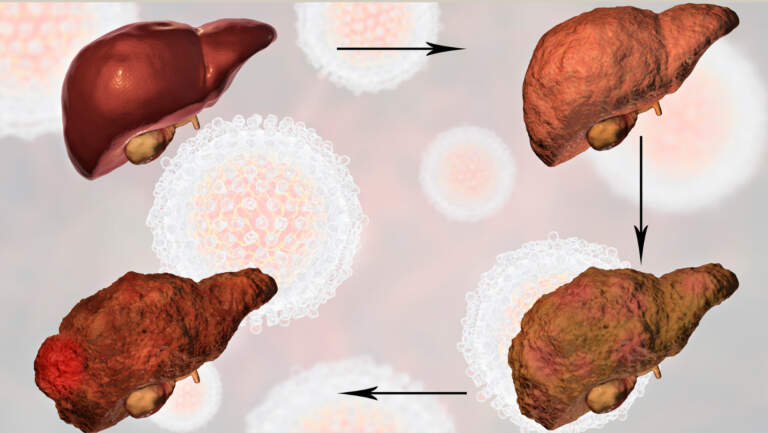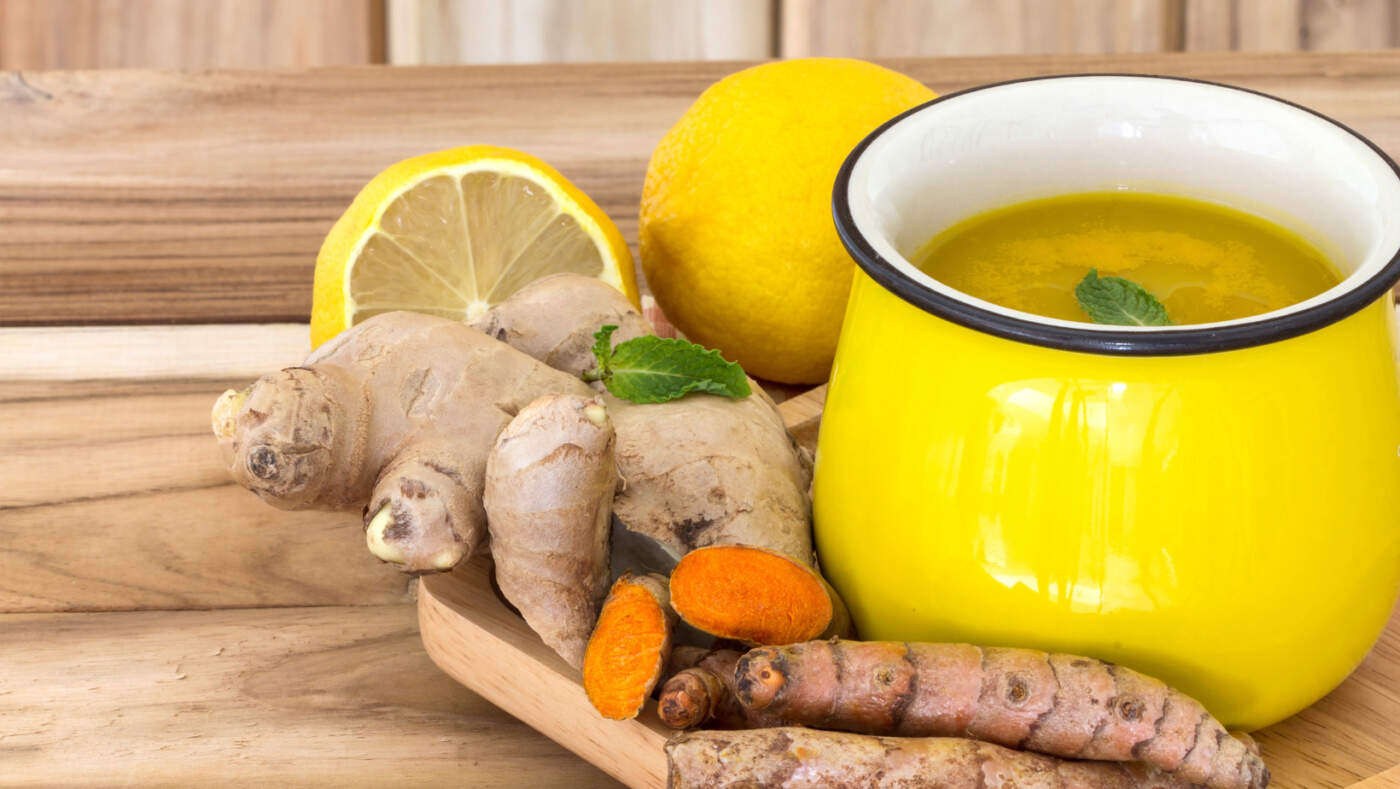

Herbs for liver health show promising evidence in clinical trials, but none of them detox the liver overnight or reverse advanced liver disease on their own. The liver, the body’s main detox organ, processes toxins, drugs, and waste continuously. Some plant compounds genuinely support that process, measured through liver enzyme changes in real human trials.
This guide covers which herbs for liver health actually have evidence behind them, what compounds drive their effects, and the risks most articles skip entirely.
Natural Herbs That Support Liver Function
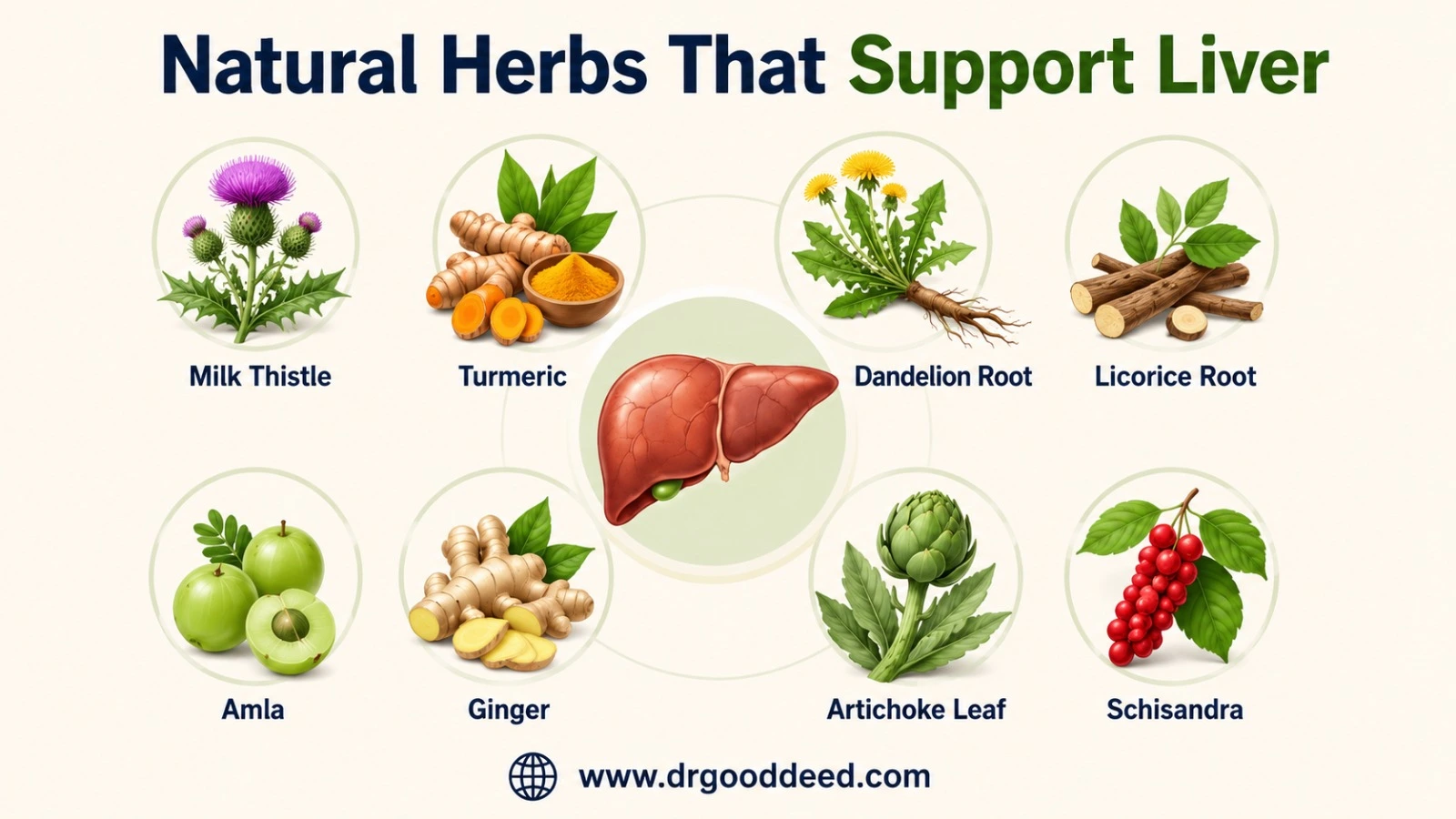
Natural herbs that support liver function range from well-studied extracts to traditional remedies with thinner evidence. Each one works through a different mechanism, and knowing which is which matters more than any generic “liver cleanse” claim.
Milk Thistle
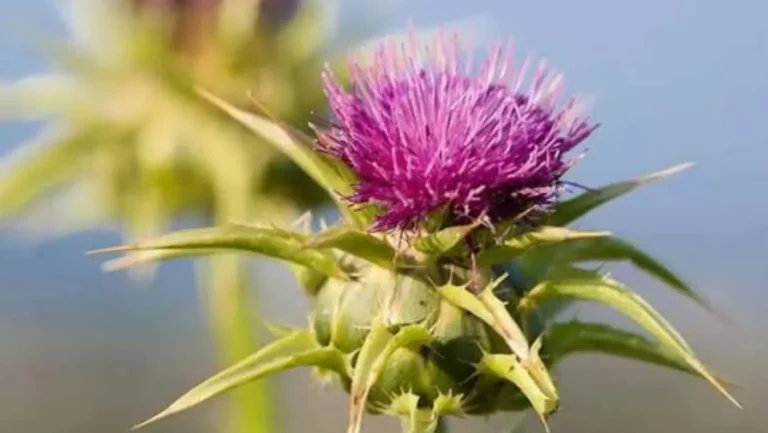
Milk thistle’s active compound, silymarin, is the most studied option among herbs for liver health by far. Clinical trials using 420mg to 700mg daily, split into three doses, have shown reduced liver enzymes in NASH patients over 48 to 50 weeks. A 2024 review found silymarin improved liver enzyme markers across multiple RCTs, though a high-dose 48-week NASH trial missed its primary histology endpoint.
Turmeric
Curcumin, turmeric’s active ingredient, shows anti-inflammatory effects on liver cells in lab studies. Here’s the twist most blogs leave out: turmeric has become the leading cause of clinically apparent herbal liver injury in the US, tied to a genetic marker called HLA-B*35:01 found in some users.
Dandelion Root
Dandelion root has centuries of traditional use for digestion and bile flow. Animal studies show it lowers liver injury markers, but human clinical trial data remains thin compared to milk thistle or artichoke leaf.
Licorice Root (Selected Extracts)
Glycyrrhizin, licorice’s main active compound, has shown liver-protective effects in cell and animal studies against various toxic insults. It was once used intravenously for hepatitis C before direct-acting antivirals replaced it as the better option.
Amla
Amla, also called Indian gooseberry, carries high vitamin C and polyphenol content that supports antioxidant activity in the body. Research specific to liver outcomes in humans remains limited compared to other herbs on this list.
Ginger
Ginger reduces inflammation markers in several small human studies, and some research links it to improved liver fat measures in fatty liver disease. Researchers believe gingerol, ginger’s main bioactive compound, dampens inflammatory signaling in liver tissue, though the effect size tends to be modest compared to milk thistle or artichoke extract.
Artichoke Leaf
Artichoke leaf extract improved liver enzymes and fat-related markers in multiple human trials, including a placebo-controlled study in fatty liver disease patients. One trial using 600mg daily for two months in people with non-alcoholic fatty liver disease showed measurable liver function improvement. Among herbs for liver health with fatty liver-specific data, artichoke leaf sits close behind milk thistle in trial quality.
Schisandra
Schisandra berry, used in traditional Chinese medicine, shows liver-protective activity in animal and lab studies through antioxidant pathways. Among natural herbs that support liver function with the least Western trial coverage, schisandra still ranks high for traditional use history. Large human trials specific to liver enzymes are still limited.
Dandelion Root as a Traditional Herbal Remedy
Dandelion deserves its own closer look since it sits at the center of so many herbal remedies for liver health despite having less modern trial data than milk thistle. Among traditional medicine herbs for liver function, dandelion has perhaps the widest historical use across different cultures.
Historical Use in Traditional Medicine
Traditional herbalists used dandelion root as a bile stimulant for centuries, prescribing it for sluggish digestion and mild jaundice long before lab testing existed. It remains one of the most recognizable herbal remedies for liver health in folk medicine traditions across Europe and Asia.
Potential Benefits for Digestion
Dandelion’s bitter compounds stimulate bile production and flow, which may ease digestion of fatty meals. This bile-stimulating effect is the most consistent finding across both older and modern research into herbal remedies for liver health built around bitter-tasting plants.
Current Research Limitations
Most dandelion liver studies happened in animals, not humans, which limits how confidently anyone can apply the findings to people. This gap between animal data and human proof applies to several traditional medicine herbs for liver function, not just dandelion, and it’s a pattern worth watching for across the whole category.
Herbal Compounds That Support Liver Cells
Herbs work because of specific compounds inside them. Herbal compounds that support liver cells fall into a handful of categories worth understanding individually.
Polyphenols
Polyphenols are plant compounds found in milk thistle, artichoke, and dandelion that neutralize free radicals before they damage liver cell membranes. They’re among the most common herbal compounds that support liver cells across nearly every herb covered in this guide.
Flavonoids
Flavonoids, a polyphenol subtype, show anti-inflammatory activity in liver tissue studies, reducing markers tied to chronic low-grade inflammation.
Curcuminoids
Curcuminoids, the active compounds in turmeric, interact with inflammatory pathways in liver cells, though bioavailability stays low without added compounds like piperine.
Silymarin
Silymarin, milk thistle’s defining compound, stabilizes liver cell membranes and shows the deepest research base among herbal compounds that support liver cells by trial count and patient numbers.
Other Plant-Based Antioxidants
Beyond the main four, compounds like glycyrrhizin from licorice and schisandrins from schisandra round out the list of researched liver-protective plant chemicals.
Antioxidants in Herbs and Liver Health
Antioxidants in herbs and liver health connect through one shared mechanism: reducing oxidative stress, the cellular damage tied to most chronic liver conditions.
Understanding Oxidative Stress
Oxidative stress happens when harmful molecules called free radicals outnumber the antioxidants available to neutralize them, damaging cell structures over time.
How Antioxidants Protect Cells
Plant antioxidants donate electrons to neutralize free radicals before they damage liver cell membranes and DNA, slowing the cellular damage that drives liver disease progression.
Inflammation and Liver Disease
Chronic inflammation drives fibrosis, the scarring process behind most progressive liver disease. The research on antioxidants in herbs and liver health consistently shows that reducing inflammation matters as much as reducing oxidative stress in slowing disease progression.
Benefits of Antioxidant-Rich Foods and Herbs
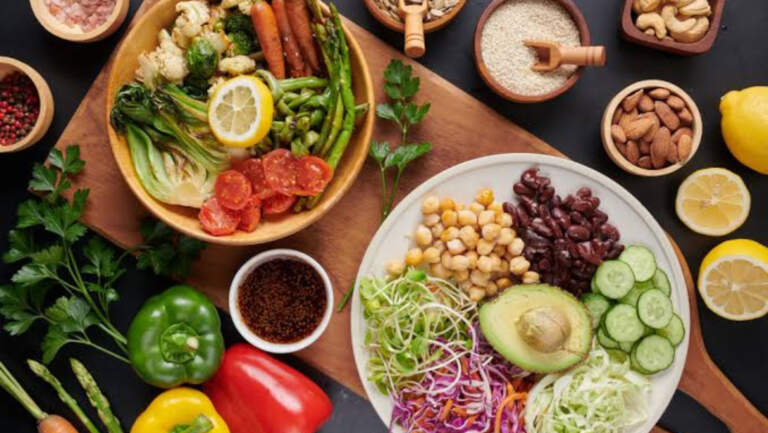
Antioxidants in herbs and liver health research consistently points toward food-and-herb combinations, not isolated supplements, as the most studied real-world pattern for liver support.
Less-Known Risks of Herbal Liver Supplements
These risks rarely make it into mainstream articles about herbs for liver health, even though they matter just as much as any benefit claim.
Potential Drug Interactions
- Silymarin can inhibit certain liver enzymes that metabolize prescription drugs, altering how those medications work in the body.
- Licorice root can interact with blood pressure medications and diuretics due to its corticosteroid-like activity.
- St. John’s Wort, sometimes paired with liver herbs in supplement blends, interacts with dozens of common prescriptions.
Quality and Purity Concerns
Herbal supplements aren’t FDA-regulated the same way prescription drugs are, so actual silymarin or curcumin content can vary widely between brands claiming the same dose on the label.
Appropriate Dosage
Most milk thistle trials use 140mg of silymarin three times daily; artichoke trials commonly use 600mg daily. For most herbs for liver health, taking far more than studied doses doesn’t mean faster results and may raise injury risk instead.
Herbal-Induced Liver Injury (HILI)
Herbal supplements for liver health now account for roughly 20% of drug-induced liver injury cases tracked by the US Drug-Induced Liver Injury Network, up from 7% two decades ago. Turmeric, green tea extract, and ashwagandha top the list of implicated herbs, oddly including products marketed specifically for liver support.
Avoiding Unverified Liver Detox Claims
No herb flushes toxins out in a day, and “liver cleanse” products promising rapid detox aren’t backed by the same trial data covered above. The liver detoxifies continuously on its own; herbs at best support that ongoing process.
FAQ
Can herbs improve liver function?
Yes, for specific herbs with trial support. Milk thistle and artichoke leaf extract showed measurable liver enzyme improvement in randomized trials, but neither reverses existing liver damage or replaces medical treatment.
Is milk thistle good for the liver?
Yes, based on multiple RCTs. Doses of 420mg to 700mg daily improved liver enzymes in NASH patients over 48 to 50 weeks, though a high-dose trial missed its main histology goal.
How does turmeric support liver health?
Curcumin reduces inflammatory markers in liver cell studies. However, turmeric is now the top cause of clinically apparent herbal liver injury in the US, linked to the HLA-B*35:01 genetic marker.
Is amla beneficial for liver health?
Possibly, based on its antioxidant content, but human liver-specific trial data is limited. Amla’s vitamin C and polyphenol levels support general antioxidant activity rather than proven direct liver repair.
Can herbal supplements reverse liver disease?
No. No herb reverses cirrhosis or advanced fibrosis. Trials show enzyme and inflammation improvements in earlier-stage disease, not structural reversal of existing liver scarring or damage.
Are liver detox herbs scientifically proven?
No, rapid “detox” claims aren’t supported. Studied herbs like milk thistle show gradual enzyme improvement over weeks to months, not the overnight cleansing effect marketing claims suggest.
What lifestyle habits support liver health?
Limiting alcohol, maintaining a healthy weight, and avoiding unnecessary medication overuse matter more than any herb. The CDC and AASLD guidelines list these as first-line steps before supplements.
Are there risks associated with herbal supplements?
Yes, including herbal-induced liver injury, which makes up about 20% of tracked drug-induced liver injury cases. Turmeric, green tea extract, and ashwagandha are among the most frequently implicated herbs.
Can herbs interact with medications?
Yes, frequently. Silymarin affects liver enzymes that metabolize many prescription drugs, and licorice root interacts with blood pressure medication, making a doctor consultation necessary before combining herbs with prescriptions.
Sources
- Milk Thistle – StatPearls – NCBI Bookshelf
- Silymarin in Non-Cirrhotics with Non-Alcoholic Steatohepatitis: A Randomized, Double-Blind, Placebo Controlled Trial – PMC
- Turmeric – LiverTox – NCBI Bookshelf
- Liver Injury Associated with Turmeric: A Growing Problem – Drug-Induced Liver Injury Network
- Herbal- and Dietary-Supplement-Induced Liver Injury: A Review of the Recent Literature
- A Comprehensive Update in Herbal and Dietary Supplement-Induced Liver Injury – PMC
- Licorice – LiverTox – NCBI Bookshelf
Disclaimer: This article is for general education and doesn’t replace medical advice from a licensed physician. Talk to a doctor before starting any herbal supplement, especially if you take prescription medication or have existing liver disease.