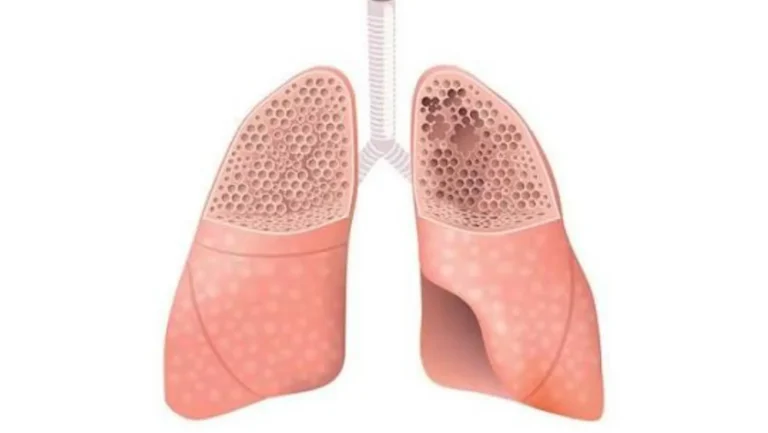

Home remedies for COPD are daily habits that support your prescribed treatment, not replace it. Chronic Obstructive Pulmonary Disease is a lung condition that narrows airways and traps air, making breathing harder over time. It affects millions of adults in the USA, according to the CDC. This guide covers 15 evidence-informed strategies you can start at home, including breathing techniques, activity pacing, and ways to lower flare-up risk.
The Right COPD Home Strategy Depends on the COPD Problem
COPD causes different problems for different people, so home remedies for COPD work best when matched to the specific issue. Here is a simple way to match your problem to a strategy.
- If the problem is air trapping, breathing control may help.
- If activity triggers breathlessness, pacing and conditioning matter.
- If irritants trigger symptoms, environmental control matters.
- If mucus is a problem, an airway clearance strategy may help.
Air trapping happens when old air gets stuck in your lungs before you finish exhaling. This leaves less room for a fresh breath. Matching your remedy to your actual problem, instead of guessing, produces faster and more reliable relief.
15 Natural Remedies for COPD to Support Better Breathing With COPD
These 15 natural remedies for COPD target the four problems above: air trapping, activity intolerance, irritant exposure, and mucus buildup. Use the ones that match your specific symptoms, and check with your care team before starting anything new.
1. Use Pursed-Lip Breathing During Breathlessness
Breathe in through your nose, then breathe out slowly through pursed lips, like blowing out a candle. This technique slows your exhale and keeps airways open longer. Research shows it improves inspiratory capacity in people with COPD.
2. Practice Diaphragmatic Breathing If It Works for You
This technique uses your diaphragm instead of your chest muscles to breathe. It can strengthen a weakened diaphragm and improve exercise tolerance. The COPD Foundation recommends learning it from a provider first, since it is harder to master than pursed-lip breathing.
3. Learn a Breathlessness Recovery Position
Lean forward slightly with your hands on your knees or a table. This position takes pressure off your diaphragm and helps you catch your breath faster. Practice it before you need it, so it feels automatic during a breathless moment.
4. Pace Activities Before You Become Exhausted
Break tasks into smaller steps with rest breaks built in. Waiting until you are exhausted makes recovery take longer. Planning ahead protects your energy for the parts of the day that matter most to you.
5. Exhale During the Hardest Part of a Movement
Breathe out while lifting, pushing, or climbing stairs. Holding your breath during effort raises pressure in your chest and worsens breathlessness. This small timing shift makes daily movement noticeably easier.
6. Stay Physically Active Within Your Safe Capacity
Regular movement, even short walks, builds stamina and strengthens breathing muscles over time. Pulmonary rehabilitation programs use this principle to improve quality of life in COPD patients. Start slow and build up gradually, with your provider’s guidance.
7. Use Energy-Conservation Techniques at Home
Sit down for tasks like dressing or preparing food instead of standing. Keep frequently used items within easy reach. These small changes reduce the oxygen demand of daily chores.
8. Stop Smoking and Make the Home Smoke-Free
Quitting smoking is the single most effective step for slowing COPD progression. A smoke-free home also protects you from secondhand smoke, which worsens airway inflammation. Ask your doctor about cessation programs and medications that can help.
9. Monitor Air Quality Before Outdoor Activity
Check local air quality index readings before going outside, especially on high-pollution days. Poor air quality can trigger symptoms even in well-managed COPD. Plan outdoor activity for times when air quality is better.
10. Reduce Indoor Respiratory Irritants
Limit exposure to dust, strong cleaning fumes, candles, and aerosol sprays. Use an unscented cleaner and ventilate rooms during and after cleaning. Indoor irritants are a common and often overlooked trigger for flare-ups.
11. Manage Mucus With a Clinician-Approved Clearance Technique
Ask your provider about airway clearance methods, such as controlled coughing or a handheld device. These techniques help move mucus out of your airways safely. Do not attempt aggressive clearance methods without guidance, since technique matters for safety.
12. Make Meals Easier on Your Breathing
Eat smaller, more frequent meals instead of large ones, since a full stomach can press on your diaphragm. Rest before eating if you feel breathless. Choose foods that are easy to chew and swallow on harder days.
13. Keep Vaccinations Up to Date & Reduce Infection Risk
Flu, pneumonia, and COVID-19 vaccines lower your risk of infections that can trigger a serious flare-up. Respiratory infections are a leading cause of COPD hospitalizations. Wash hands often and avoid close contact with sick people during flu season.
14. Create a Personal COPD “Breathing Station”
Set up a spot at home with your inhalers, a chair for recovery breathing, and a list of your action plan steps. Having everything in one place reduces panic during a breathless episode. Review the station with your care team to make sure it matches your prescribed plan.
15. Take Medications Exactly as Prescribed
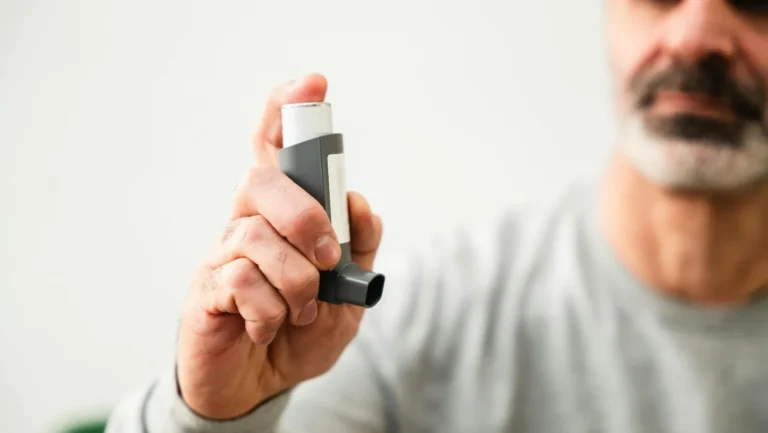
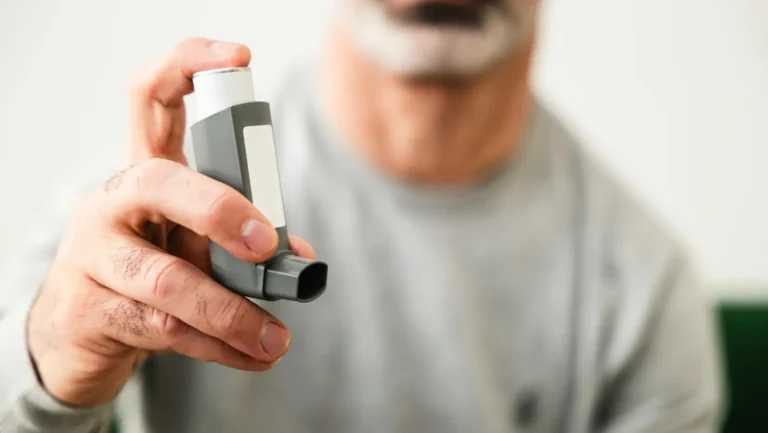
Home strategies work best alongside your prescribed inhalers and medications, not instead of them. Skipping doses is a common cause of preventable flare-ups. Set reminders if you often forget a dose.
| Strategy Type | Best For | Example |
| Breathing control | Air trapping | Pursed-lip breathing |
| Pacing and conditioning | Activity-triggered breathlessness | Energy conservation, gentle walking |
| Environmental control | Irritant-triggered symptoms | Reducing indoor fumes and dust |
| Airway clearance | Mucus buildup | Clinician-approved clearance technique |
FAQs
Which breathing exercises are most effective for COPD?
Pursed-lip breathing has the strongest evidence for easing breathlessness. Diaphragmatic breathing adds benefit but works best when taught first by a respiratory therapist.
Does quitting smoking improve COPD symptoms?
Yes. Quitting slows lung function decline and reduces flare-ups. Benefits start within weeks and continue to grow the longer someone stays smoke-free.
What foods are good for people with COPD?
Lean protein, vegetables, and whole grains support energy and muscle strength. Smaller, frequent meals reduce pressure on the diaphragm during digestion.
Which foods should people with COPD avoid?
Limit salty, processed foods, since excess sodium can cause fluid retention that affects breathing. Carbonated drinks and large meals can also cause bloating that worsens breathlessness.
Can exercise help improve COPD?
Yes. Supervised exercise through pulmonary rehabilitation improves stamina, breathlessness, and quality of life, based on multiple clinical studies of COPD patients.
How can I reduce shortness of breath at home?
Use pursed-lip breathing, the forward-lean recovery position, and paced activity. Combining these three techniques offers faster relief than using just one.
Does drinking more water help with COPD?
Staying hydrated can help keep mucus thinner and easier to clear. Ask your doctor about your ideal fluid intake if you have heart or kidney conditions.
How can I prevent COPD flare-ups naturally?
Stay current on vaccines, avoid smoke and irritants, and take medications as prescribed. These three habits address the most common preventable flare-up triggers.
Are herbal remedies safe for COPD?
Not always. Some herbal products interact with inhalers or heart medications. Always check with your doctor or pharmacist before adding any herbal supplement.
Sources
- CDC: Chronic Obstructive Pulmonary Disease (COPD)
- COPD Foundation: Breathing Techniques
- National Heart, Lung, and Blood Institute: COPD
- GOLD: Global Strategy for Diagnosis, Management, and Prevention of COPD
- Mayo Clinic: COPD Diagnosis and Treatment
- American Lung Association: Pulmonary Rehabilitation
- Yang et al. (2022), Physiotherapy Theory and Practice: Pursed Lip and Diaphragmatic Breathing in COPD
- Cleveland Clinic: Diaphragmatic Breathing
- American Thoracic Society: Patient Education on COPD
- U.S. Environmental Protection Agency: AirNow Air Quality Index