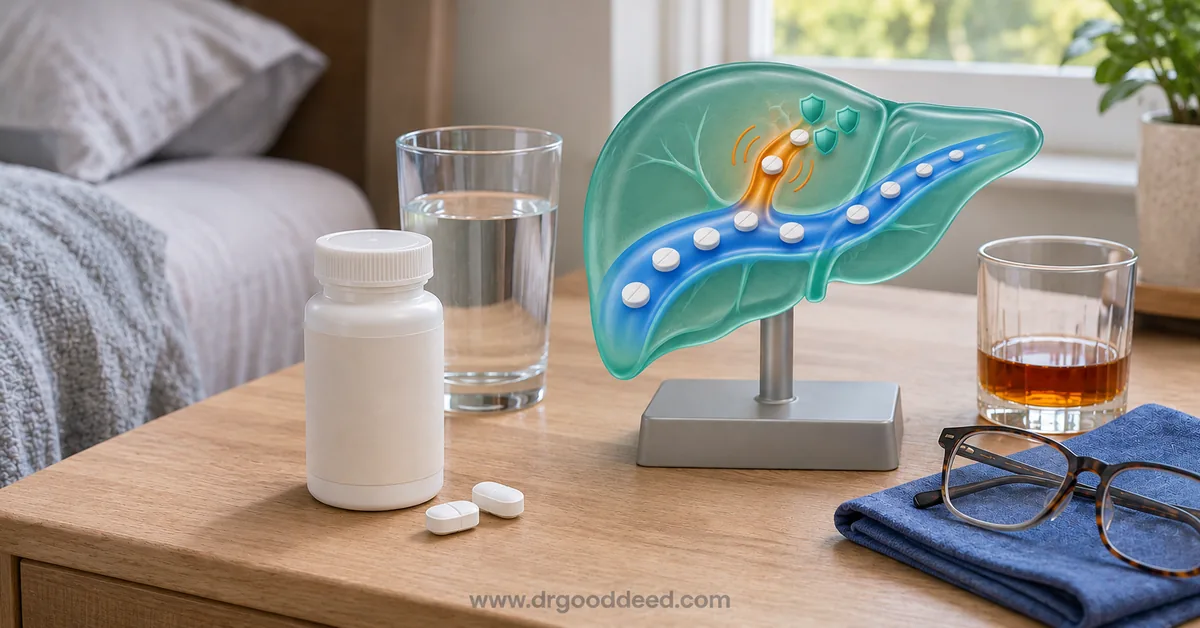

For most healthy adults who drink lightly, it’s generally okay to take Tylenol after drinking, as long as you follow the label and don’t drink heavily every day. The FDA says people with liver disease, and anyone who has three or more alcoholic drinks a day, should ask a health professional before taking it.
Key Takeaways
- A healthy adult who has been drinking lightly can usually take Tylenol at the labeled dose. Daily heavy drinkers should check with a doctor first.
- Acetaminophen is partly converted into a toxic byproduct, and heavy alcohol use weakens the liver’s ability to deal with it.
- The FDA’s threshold for asking a healthcare professional first is liver disease or three or more drinks a day.
- Cold, flu, and sleep products often contain acetaminophen, so two products taken together can overshoot the safe limit without you noticing.
- If you think you have taken too much, call Poison Control at 1-800-222-1222 right away, even if you feel well.
Can You Take Tylenol After Drinking?
Yes, most healthy adults can take Tylenol after drinking lightly, as long as they follow the dose on the label and haven’t been drinking heavily day after day.
For light drinkers, StatPearls (2026) reports minimal evidence of added liver harm when acetaminophen is taken at label doses. In 2001, Kuffner and colleagues gave labeled doses to 201 adults who had recently stopped drinking and found no significant difference in liver enzymes after two days compared with placebo. The study was short and was run in a detox setting.
However, for heavy drinkers, the FDA advises people with liver disease and anyone who has three or more alcoholic drinks a day to talk to a health professional before using acetaminophen. An existing liver problem raises the risk of serious harm after too much of the drug.
How Tylenol and Alcohol Affect the Liver
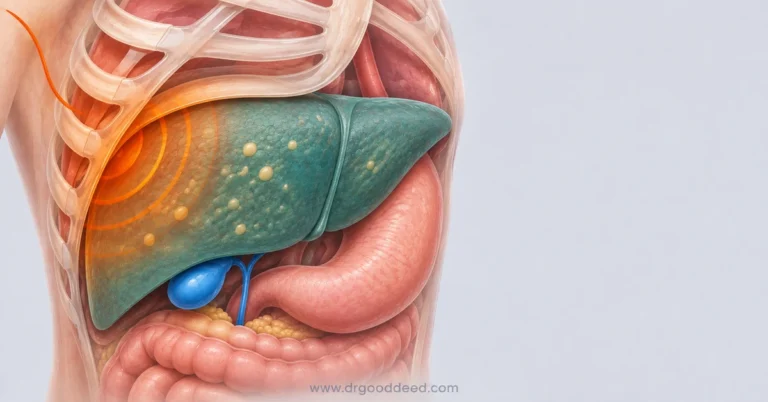
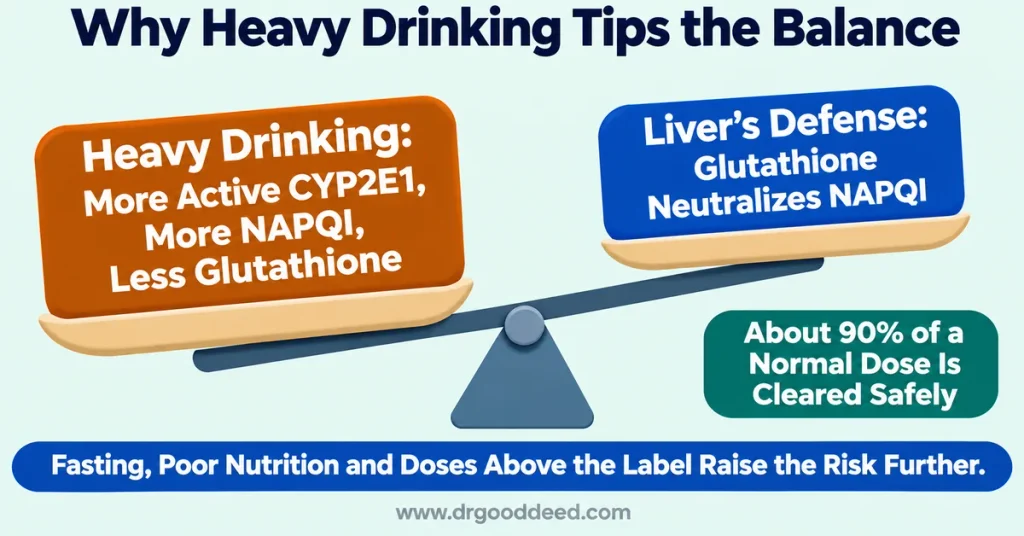
Your liver clears most acetaminophen safely, but a small share becomes a toxic byproduct that the liver must neutralize, and heavy drinking weakens that defense.
- About 90% of a normal dose is cleared through safe pathways, while around 8% takes a different route. An enzyme called CYP2E1 turns acetaminophen into a harmful substance known as NAPQI, which the liver then neutralizes with a molecule called glutathione (StatPearls, 2026).
- Regular heavy drinking makes the enzyme more active, so it produces more NAPQI, and it uses up glutathione, so less is available to neutralize it (StatPearls, 2026).
- This is the reason NIAAA (2014) lists acetaminophen and alcohol together among combinations that can harm the liver.
- StatPearls adds that fasting, poor nutrition, and repeated doses above the label limit push the risk of acetaminophen liver damage up further.
Once alcohol and extra acetaminophen stop, mild liver strain often settles; learn the signs your liver is healing.
Who Has a Higher Risk of Liver Damage?
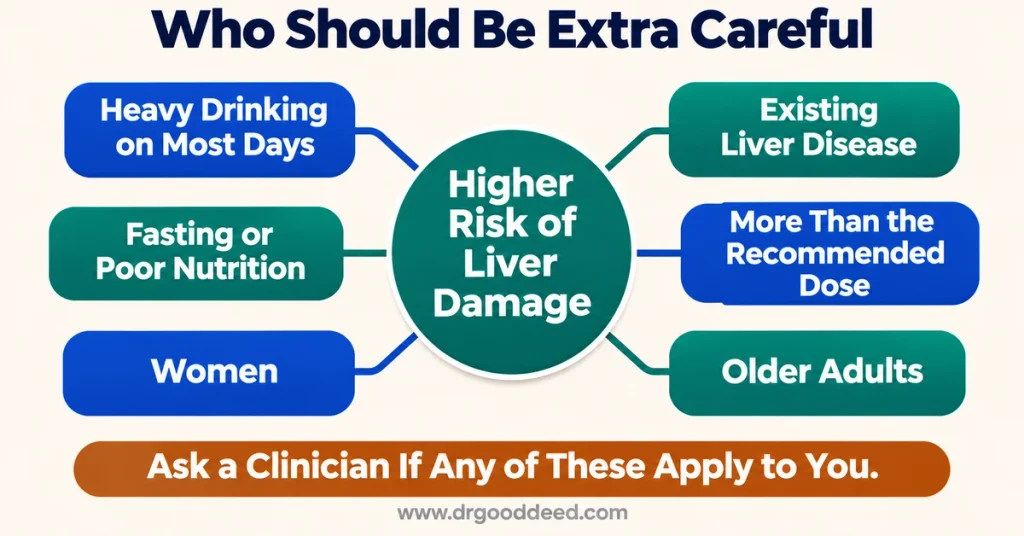
Certain people face a higher risk of liver damage when they consume alcohol. The risk depends on drinking patterns, existing health conditions, nutritional status, medication use, and individual factors. According to the National Institute on Alcohol Abuse and Alcoholism (NIAAA, 2014), the following groups should be especially cautious:
- People who drink heavily on most days: Frequent, heavy alcohol consumption can cause inflammation, scarring, and long-term liver damage.
- People with existing liver disease: Alcohol can worsen conditions such as fatty liver disease, hepatitis, and liver fibrosis.
- People who fast or have poor nutrition: Inadequate food intake and nutritional deficiencies can increase vulnerability to alcohol-related harm.
- People who take more than the recommended medication dose: Exceeding the label instructions, particularly with medicines that affect the liver, can increase the risk of liver injury.
- Women: Women may experience alcohol-related harm at lower levels of alcohol consumption than men.
- Older adults: Age-related changes in metabolism and the use of multiple medications can increase the risk of harmful alcohol interactions.
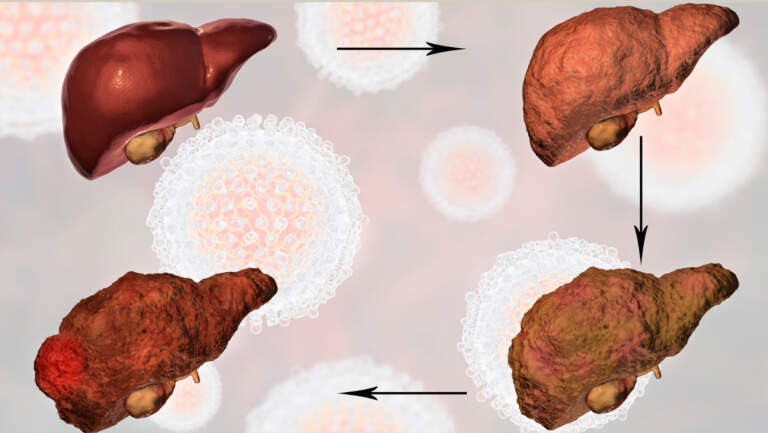
Long-term heavy drinking can scar the liver over time, a process covered in our guide to the stages of liver fibrosis.
How Long to Wait After Drinking
No US health agency sets an official wait time for how long after drinking you can take Tylenol. The safest approach is to wait until you are sober and never take more than the label allows.
- Wait until sober: Avoid taking it while alcohol is still affecting you.
- Follow the label: Never exceed the recommended dose.
- Ask a clinician: Heavy drinking, liver disease, or regular alcohol use may increase risks.
Hidden Acetaminophen in Cold and Flu Medicines
Taking two acetaminophen products at once is the easiest way to take too much, and it happens because the drug turns up in so many places: multi-symptom cold and flu remedies, sleep aids, and some prescription painkillers.
- The FDA recommends reading the Drug Facts panel on everything you take.
- In the list of active ingredients, “APAP” and “Acetam” are both abbreviations for acetaminophen.
- Unless a health professional has told you otherwise, do not combine two products that contain it, and if you are unsure about a label, ask a pharmacist before taking a Tylenol dose.
Pro Tip: Photograph the Drug Facts label of every medicine you take. If something goes wrong, a pharmacist or Poison Control can see exactly what was in your system, which is hard to reconstruct from memory after an evening of drinking.
Signs of Liver Damage From Tylenol and Alcohol
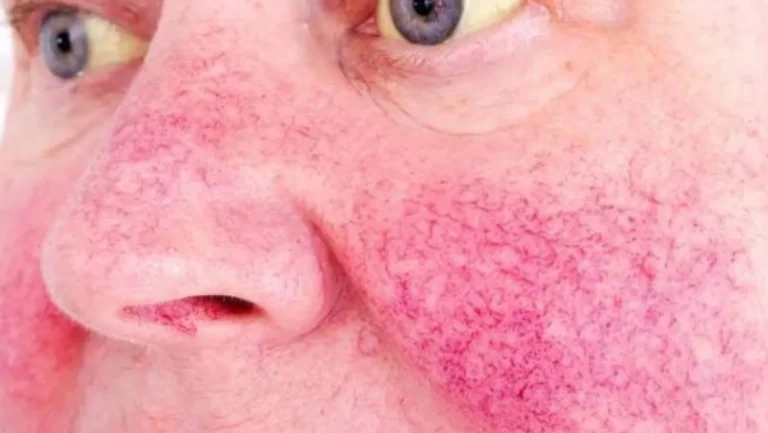
Early acetaminophen overdose symptoms are often mild or absent, so liver damage symptoms are easy to underestimate. The FDA notes that symptoms can take several days to appear and may look like a cold or flu, so feeling fine shortly after an overdose is no guarantee.
MedlinePlus (2025) lists belly pain, nausea, vomiting, poor appetite, sweating, jaundice, seizures, and coma among the signs, and says they may not start for 12 hours or more.
StatPearls (2026) describes the usual course in stages:
| Time after ingestion | What you may notice | What to do |
| First 24 hours | Often nothing, or mild nausea | Call Poison Control if you think you took too much |
| About 24 to 72 hours | Liver injury begins | Get same-day care for belly pain, vomiting or poor appetite |
| About 72 to 96 hours | Yellow skin or eyes, confusion | Call 911 or go to the ER |
| From about day 4 | Recovery begins in people who are treated | Follow the care team’s plan |
According to StatPearls, acetaminophen toxicity accounts for about half of reported acute liver failure in the US, making it the leading cause. Any new pain under the right rib cage after taking acetaminophen and drinking should be checked the same day.
When to Call Poison Control or 911
Call Poison Control at 1-800-222-1222 if you suspect an overdose, whether or not you have symptoms.
- Treatment started within 8 hours gives a very good chance of recovery, which is why waiting to see how you feel is the wrong move.
- Hospitals can give an antidote for acetaminophen poisoning, and the sooner it is started, the better.
- Call 911 for confusion, seizures, passing out, or trouble staying awake.
- Go to the ER right away for yellow skin or eyes, and get same-day care at an urgent care clinic for repeated vomiting or worsening belly pain.
If you drink heavily most days or have liver disease, book an appointment with your primary care doctor and talk through your liver health before the next headache arrives.
If you take Tylenol after drinking and think you took too much, call Poison Control right away, even if you feel fine.
Frequently Asked Questions
Can You Take Tylenol for a Hangover?
Usually, for an occasional hangover, as long as you follow the label. If you drink heavily most days, get a doctor’s or pharmacist’s view first, in line with the FDA’s three-drinks-a-day advice. If you have liver disease, ask your doctor first, and a second acetaminophen product should never be added. If the headache lingers, a headache location meaning chart can help you describe it to your doctor.
Can You Drink After Taking Tylenol?
Light drinking after a labeled dose has not been linked to liver harm in healthy adults. Heavy or daily drinking is the worry, whichever comes first. Since NIAAA (2014) says interactions can occur even when the two are taken apart, anyone who drinks often should ask a pharmacist.
Are Other Pain Relievers Safer After Drinking?
Not automatically. Other common pain relievers taken with alcohol can cause stomach upset, bleeding and ulcers. Every option has its own risks, so ask a pharmacist which one suits you and your drinking habits, and avoid switching on your own.
Can Tylenol and Alcohol Damage Your Liver After One Night?
Rarely, if you take Tylenol after drinking on a single night and stay within the label; the real danger comes from too much acetaminophen or heavy drinking day after day. StatPearls (2026) finds minimal evidence of extra harm at labeled doses; the risk climbs when the label limit is exceeded.
Can You Take Tylenol If You Have Liver Disease?
Only after speaking with your doctor. MedlinePlus (2025) notes that liver disease raises the risk of serious problems after too much acetaminophen. Your doctor or pharmacist should set the amount for you.
References
- FDA, Don’t Overuse Acetaminophen. link
- NIAAA, Harmful Interactions: Mixing Alcohol With Medicines (revised 2014). link
- MedlinePlus, Acetaminophen Overdose (reviewed January 8, 2025). link
- StatPearls (NCBI Bookshelf), Acetaminophen Toxicity (updated March 26, 2026). link
- American Journal of Managed Care, Acetaminophen Use in Patients Who Drink Alcohol (2001). link
Medical Disclaimer: This article is for general information only and is not medical advice. It does not replace a diagnosis, treatment plan, or guidance from a qualified healthcare professional. Always talk to your doctor about your own symptoms and before starting, stopping, or changing any treatment. If you think you may be having a medical emergency, call 911 or go to your nearest emergency room.