
High bilirubin but normal liver tests are due to a harmless and common genetic condition called Gilbert’s syndrome. There are many reasons you could have high bilirubin, so it is important to talk to a doctor to exclude other causes. If you have high bilirubin but your liver function tests are normal, knowing which type of bilirubin is increased can help.
Understanding high bilirubin can be confusing. Knowing what type of bilirubin is high and if there are any symptoms will help you understand the results. This article explains what your blood results could mean, how doctors will look for Gilbert’s syndrome, and when further investigation may be needed.
Key Takeaways
- High bilirubin with normal liver tests is most often Gilbert’s syndrome, which is harmless and needs no treatment once other causes are ruled out.
- Gilbert’s syndrome affects about 3% to 7% of Americans (ACG, 2016).
- Knowing whether you have high direct or indirect bilirubin can help doctors work out the cause.
- See a doctor if you have new yellowing of the skin or eyes, dark urine or pale stools.
Is High Bilirubin With Normal Liver Tests Gilbert’s?
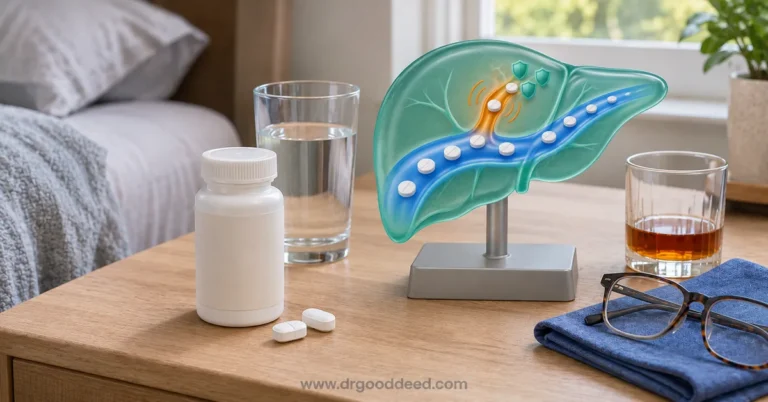
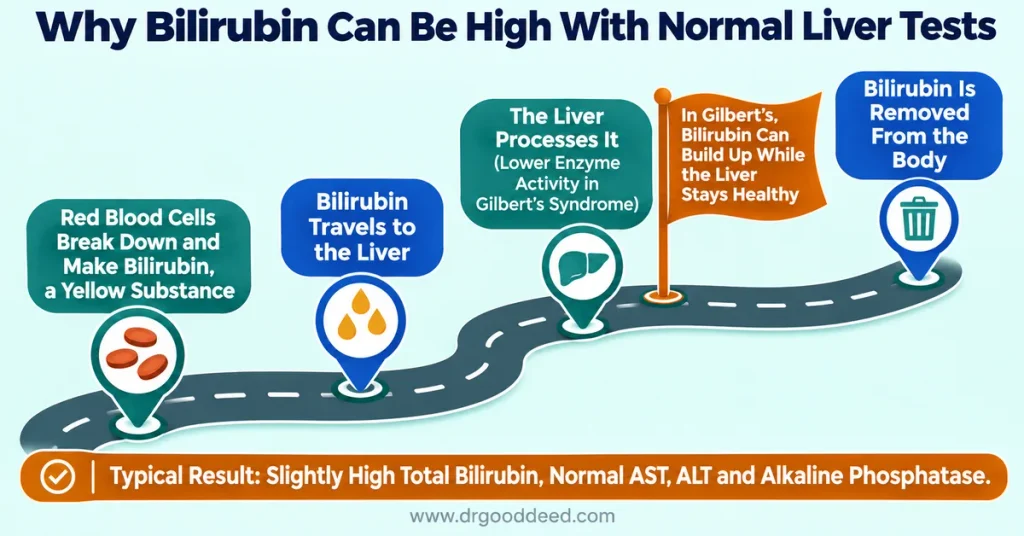
Often, yes: Gilbert’s syndrome is the most common reason for high bilirubin with normal liver tests in an otherwise healthy adult. It is an inherited condition that affects how the body processes bilirubin, a yellow substance made when red blood cells break down.
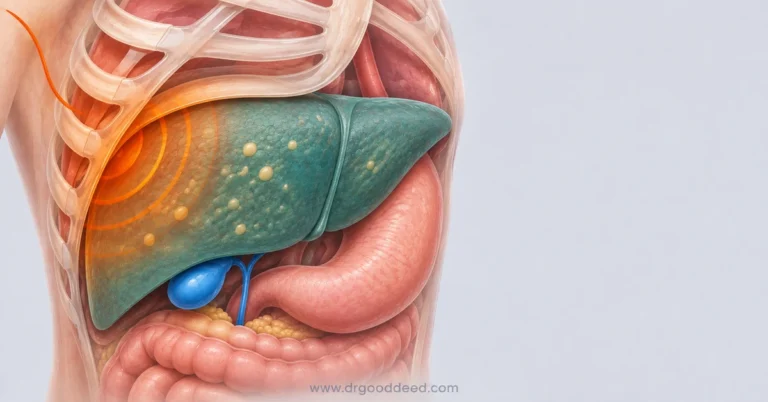
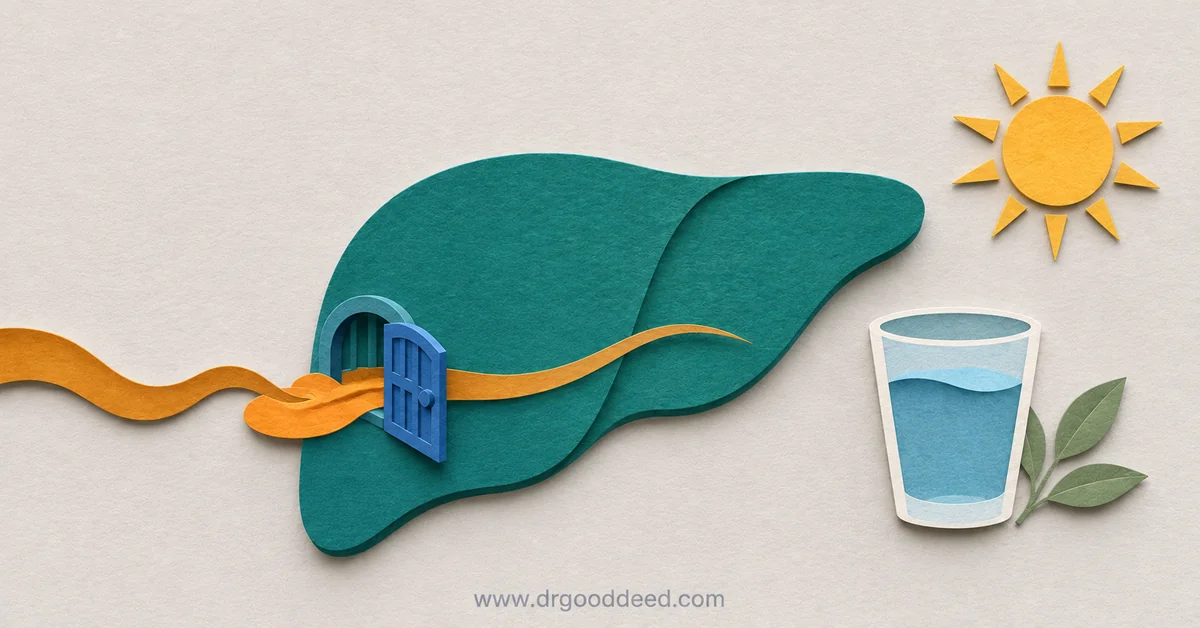
Bilirubin travels to the liver, where it is processed and removed from the body. People with Gilbert’s syndrome have lower activity of a liver enzyme, so bilirubin can build up in the blood while the liver itself stays healthy.
So your results may show:
- Slightly high total bilirubin
- Normal AST, ALT, and alkaline phosphatase
- No evidence of liver disease
Under the ACG guideline (2016), doctors can presume Gilbert’s syndrome in a healthy person with a slightly raised indirect bilirubin, normal liver enzymes and no other cause found.
Direct vs Indirect Bilirubin: What Your Result Means
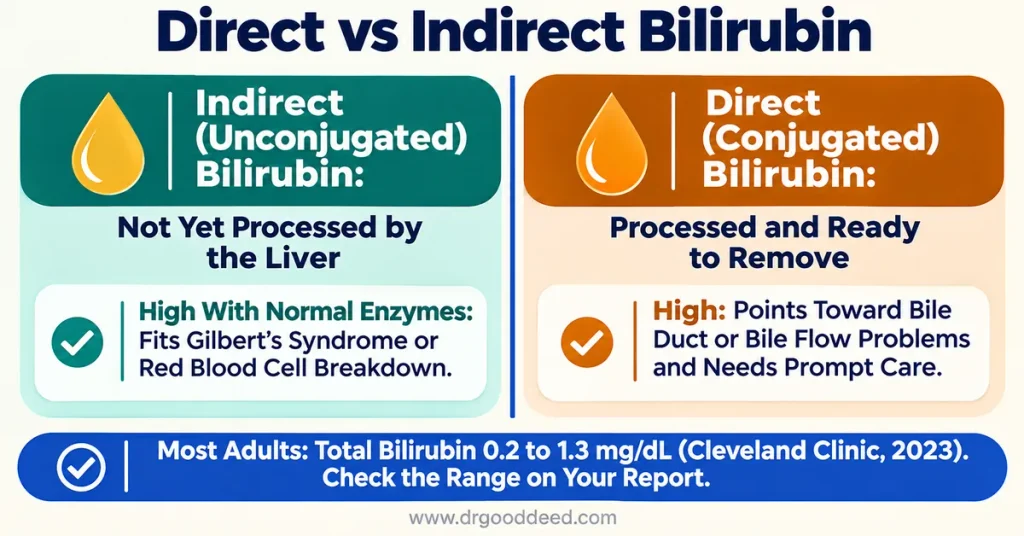
The type of bilirubin that is high matters more than the total. A high indirect bilirubin with normal enzymes fits Gilbert’s syndrome or red blood cell breakdown, while a high direct bilirubin points toward problems such as bile duct obstruction, which needs prompt care.
Your test may split total bilirubin into:
- Indirect (unconjugated) bilirubin: Bilirubin that the liver has not yet processed.
- Direct (conjugated) bilirubin: Bilirubin that the liver has processed and is ready to remove from the body.
Most adults have a total bilirubin between 0.2 and 1.3 mg/dL (Cleveland Clinic, 2023). Ranges vary by laboratory, so check the reference range on your report.
| Pattern | Likely cause | Action |
| Increased indirect bilirubin, normal enzymes, and normal blood count | Could be Gilbert’s syndrome | Doctor may check for red blood cell breakdown and review medications. |
| Increased indirect bilirubin with signs of red blood cell breakdown | Red blood cell breakdown (hemolysis) | Further blood tests to determine cause. |
| Increased direct bilirubin | Issue with liver or bile flow (such as bile duct blockage). | Medical review to determine cause. |
| Increased bilirubin with abnormal liver enzymes | Liver inflammation or issue. | Doctor may recommend further investigations. |
These patterns are only a guide. Normal liver enzymes do not always rule out a liver or bile duct problem.
Signs It Could Be Gilbert’s Syndrome
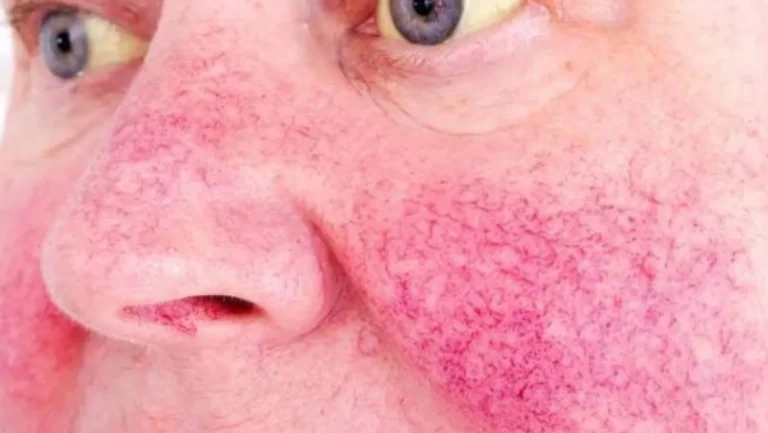
Gilbert’s syndrome usually shows a mild rise in indirect bilirubin that goes up with fasting, illness or dehydration and then comes back down. Some people notice a yellow tinge in the whites of the eyes or skin, called jaundice.
Common symptoms and patterns include:
- Mild jaundice: A slight yellow tinge to the skin or eyes.
- Episodes that come and go: Bilirubin can return to normal or near normal between episodes.
- Common triggers: Fasting, dehydration, illness, stress, intense exercise and menstruation can raise bilirubin (MedlinePlus Genetics, 2012; Mayo Clinic, 2025).
- Often no symptoms: About 30% of people with Gilbert’s syndrome have no symptoms (MedlinePlus Genetics, 2012).
- Often noticed after puberty: The condition is more common in males and is usually noticed after puberty (Mayo Clinic, 2025).
Under the ACG guideline (2016), bilirubin in Gilbert’s syndrome is usually below 3 mg/dL and rarely above 6 mg/dL. If your results do not fit this pattern, ask your doctor to review them.
Other Causes of High Bilirubin With Normal Enzymes
Red blood cell breakdown, some medicines and rare inherited conditions can also raise bilirubin while liver enzymes stay normal.
Possible causes include:
- Hemolysis: Faster breakdown of red blood cells raises indirect bilirubin. A complete blood count, reticulocyte count, haptoglobin and LDH can help doctors check for this.
- Medicines: Some medicines affect how bilirubin is processed. Tell your doctor or pharmacist about everything you take, and do not stop or change a prescribed medicine on your own.
- Crigler-Najjar syndrome: A rare inherited condition that affects how bilirubin is processed and can cause higher levels.
- Dubin-Johnson and Rotor syndromes: Rare inherited conditions that raise direct bilirubin.
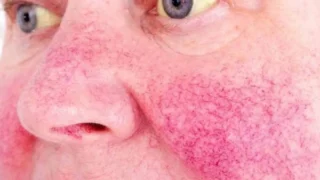
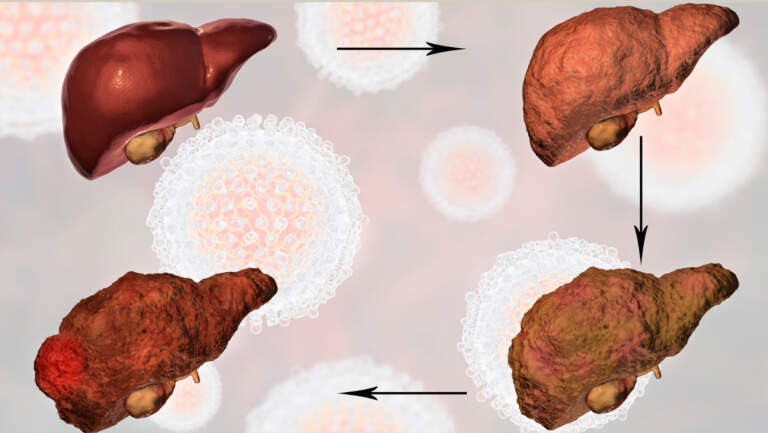
- Liver or bile duct problems: Normal enzymes do not rule out every liver problem, since the early stages of liver fibrosis can be silent. For other signs to watch for, see fatty liver symptoms on the face.
A high direct bilirubin can point to a problem such as a bile duct blockage, so a doctor should check it promptly.
How Doctors Confirm Gilbert’s Syndrome
Doctors confirm Gilbert’s syndrome by ruling other causes out. Following the ACG guideline (2016), they will usually:
- Check which bilirubin is high: A fractionated bilirubin test shows whether indirect or direct bilirubin is raised.
- Check for red blood cell breakdown: Blood tests such as a complete blood count, reticulocyte count, haptoglobin and LDH can help.
- Check liver enzymes: Normal AST, ALT and alkaline phosphatase fit Gilbert’s syndrome.
- Review your medicines: Your doctor will check whether any medicine could be raising your bilirubin.
- Genetic testing: If the cause is still unclear, your doctor may test the UGT1A1 gene. This is usually not needed when your results fit the Gilbert’s pattern.
Your doctor may also look at past blood tests for earlier mild rises in bilirubin.
Living With Gilbert’s Syndrome
Gilbert’s syndrome needs no treatment, but knowing you have it helps you and future doctors read your blood tests correctly (Mayo Clinic, 2025).
Things you can do:
- Avoid long periods of fasting: Fasting can raise bilirubin.
- Stay hydrated: Dehydration can bring on episodes.
- Tell your healthcare team: Let your doctors and pharmacists know you have Gilbert’s syndrome, because the enzyme that processes bilirubin also helps clear some medicines (Mayo Clinic, 2025).
- Keep your results: Save copies so your doctor can compare future bilirubin levels.
You do not need anything to lower your bilirubin. If your results change or you have new symptoms, ask your doctor whether you need more tests.
When to See a Doctor
See your primary care doctor about any new yellowing of the skin or eyes, even if you think it is Gilbert’s syndrome (Mayo Clinic, 2025).
See a doctor promptly if you have:
- Dark or tea-colored urine
- Pale or clay-colored stools
- New or ongoing itching
- More yellowing of the skin or eyes
- Increasing bilirubin or levels outside of the pattern your doctor has previously seen
A urine color chart can help you describe dark or tea-colored urine to your doctor, and a guide to the types of poop can help you describe stool changes.
Go to the ER or call 911 if you have yellowing with severe belly pain, fever or confusion, as this can signal a more serious problem.
If you are worried about jaundice in a newborn, contact their pediatrician. Newborn bilirubin levels are read differently from adults’.
Even when high bilirubin with normal liver tests looks like Gilbert’s, let your doctor confirm it once so future results are read the right way.
Frequently Asked Questions
Can You Be Healthy With Elevated Bilirubin and Normal Liver Enzymes?
Yes. Elevated bilirubin with normal liver enzymes is usually harmless when Gilbert’s syndrome is the cause, and it needs no treatment (Mayo Clinic, 2025). Still, ask your doctor to check whether the raised bilirubin is indirect or direct and to rule out other causes.
What Is the Most Common Cause of High Bilirubin?
In a healthy adult with only a mild rise in indirect bilirubin and normal liver enzymes, Gilbert’s syndrome is the most likely cause (ACG, 2016). It is an inherited condition that affects how bilirubin is processed. Other causes include hemolysis and rare inherited conditions.
What Is a Dangerous Level of Bilirubin in Adults?
There is no single dangerous level for adults. In Gilbert’s syndrome, bilirubin usually stays below 3 mg/dL and rarely goes above 6 mg/dL (ACG, 2016). Higher, rising or mainly direct bilirubin levels need prompt review by a doctor, especially if you have symptoms.
Does Gilbert’s Syndrome Damage the Liver?
No. Gilbert’s syndrome is a benign inherited condition that does not damage the liver (Mayo Clinic, 2025). If you develop new symptoms or your blood results do not fit the usual pattern, see your doctor to check for another cause.
Is Gilbert’s Syndrome Genetic?
Yes. Gilbert’s syndrome comes from changes in the UGT1A1 gene, which affect an enzyme that processes bilirubin, and it is usually inherited from both parents (MedlinePlus Genetics, 2012). Many people have it without knowing, as bilirubin may only rise when they are unwell, fasting or dehydrated.
Sources
- American Journal of Gastroenterology, ACG Clinical Guideline: Evaluation of Abnormal Liver Chemistries (2016). link
- MedlinePlus Genetics (NIH), Gilbert Syndrome (2012). link
- Mayo Clinic, Gilbert Syndrome (2025). link
- Cleveland Clinic, Bilirubin Test (2023). link
- Medical News Today, High Bilirubin With Normal Liver Enzymes (2024). link
Medically reviewed by: Dr Nivedita Pandey, GI and Hepatology, https://drgooddeed.com/dr-nivedita-pandey
Medical Disclaimer: This article is for general information only and is not medical advice. It does not replace a diagnosis, treatment plan, or guidance from a qualified healthcare professional. Always talk to your doctor about your own symptoms and before starting, stopping, or changing any treatment. If you think you may be having a medical emergency, call 911 or go to your nearest emergency room.