
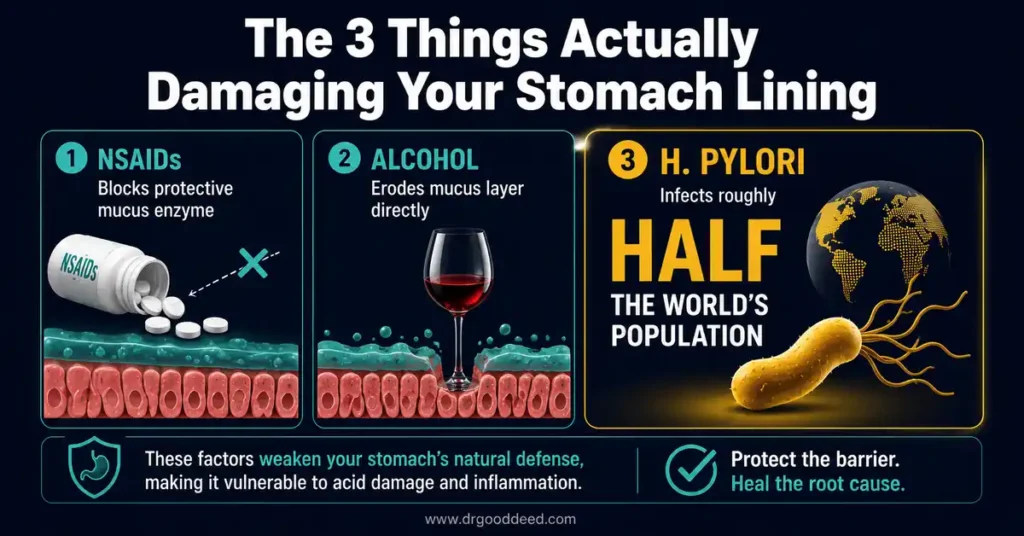
Home remedies for gastritis work best alongside medical care, not instead of it. Gastritis means your stomach lining is inflamed, usually from H. pylori bacteria, alcohol, or pain medicine. The World Health Organization estimates that H. pylori infects roughly half the world’s population, making it the leading cause of chronic inflammation of the stomach lining.
Small diet and lifestyle changes can calm the burning, bloating, and nausea that come with a flare. This guide covers ten home remedies for gastritis you can start today, plus honest answers on what actually speeds up healing and when a flare needs a doctor’s attention.
10 Home Remedies for Gastritis
These home remedies for gastritis target the two things that make symptoms worse: excess stomach acid and direct irritation of an already inflamed lining. None of them replace antibiotics for H. pylori or acid-blocking medication your doctor prescribes. They work best as daily habits that support your treatment plan.
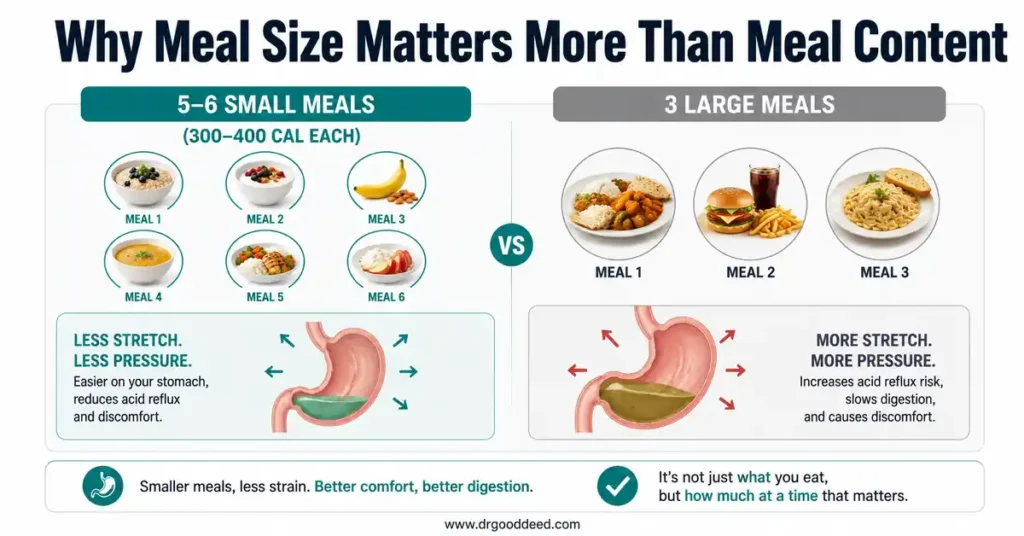
1. Eat Smaller, More Frequent Meals
A large meal stretches your stomach and triggers a bigger acid release. Five or six small meals spread across the day keep acid levels steadier than three big ones. Try 300 to 400 calorie portions every three hours instead of stuffing yourself at lunch and dinner.
This single change reduces the pressure on an inflamed lining without cutting your total food intake. Most people notice less bloating within two or three days of switching to smaller portions.
2. Choose Easy-to-Digest Foods
Raw vegetables, tough meat, and fried food sit in your stomach longer and force it to work harder. Cooked, soft foods pass through faster and cause less friction against the irritated lining.
Good options include:
- Steamed or roasted vegetables like carrots, squash, and green beans
- Baked or steamed fish and skinless chicken
- Oatmeal, rice, and whole grain bread
- Ripe bananas and cooked apples
- Tofu and low-fat yogurt
Skip red meat, raw onions, and anything fried until your symptoms settle down.
3. Avoid Spicy and Acidic Foods
Chili, hot sauce, citrus fruit, tomatoes, and vinegar irritate an inflamed stomach lining directly on contact. This is separate from acid production. The food itself acts like sandpaper on tissue that’s already raw.
Swap citrus for low-acid fruit like melon, pear, or banana. Replace tomato-based sauces with a mild pumpkin or squash puree while you’re healing. Reintroduce spicy food slowly once symptoms clear, one item at a time.
4. Limit Alcohol and Caffeine
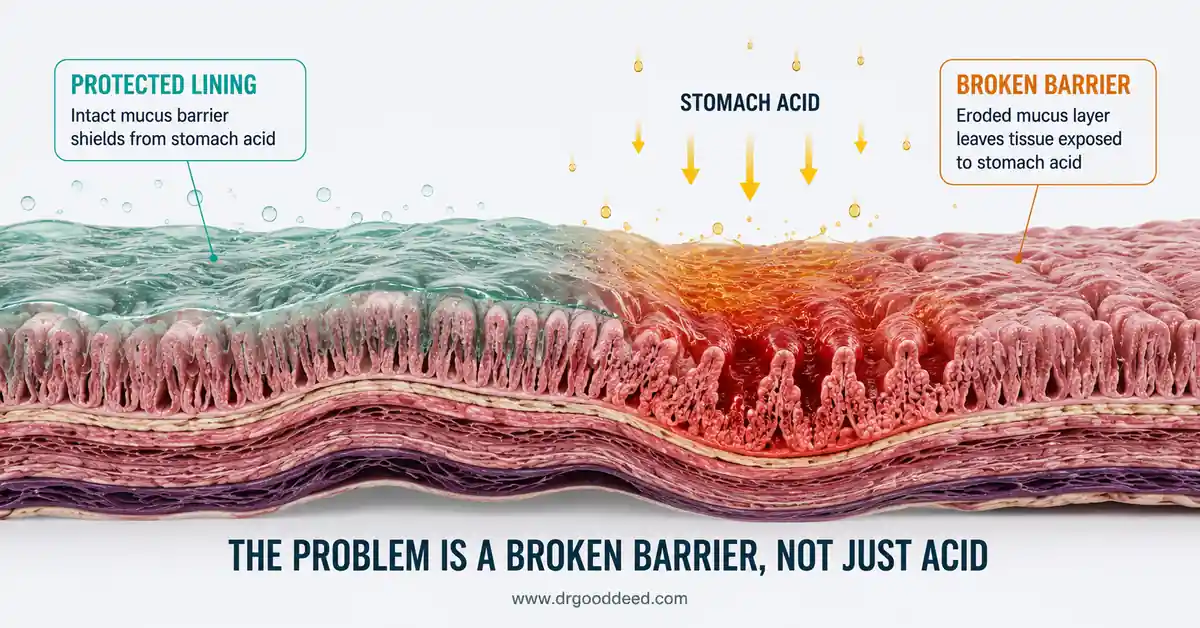
Alcohol erodes the protective mucus layer in your stomach directly. A gastroenterology review in the American Journal of Gastroenterology notes that alcohol speeds up the shift from simple inflammation to chronic atrophic gastritis when use continues long term. Caffeine doesn’t damage the lining the same way, but it does push your stomach to release more acid, which stings an already sore area.
Cut both out completely during a flare. Once symptoms fade, limit coffee to one cup and treat alcohol as an occasional choice, not a daily habit.
5. Drink Enough Water
Water dilutes stomach acid and helps flush irritants out of your digestive tract. Dehydration also thickens stomach mucus, making the protective barrier less effective at its job.
Aim for eight glasses of water spread across the day. Sip slowly with meals instead of gulping large amounts, since a full stomach stretches the lining and can worsen pain right after eating.
6. Avoid Eating Before Bedtime
Lying down with a full stomach lets acid sit closer to the esophagus and worsens nighttime burning. Your stomach also empties slower during sleep, which means food and acid linger longer near the inflamed tissue.
Stop eating at least three hours before bed. If nighttime symptoms persist, raise the head of your bed six inches using blocks under the frame legs, not just extra pillows, since pillows alone don’t change the angle enough to help.
7. Manage Stress
Severe physical stress, like major surgery, burns, or critical illness, is a documented cause of acute stress gastritis in hospitalized patients. Everyday emotional stress works differently. It doesn’t directly inflame the lining, but it does slow digestion and increase acid sensitivity, which makes existing gastritis symptoms feel worse.
Simple daily habits help lower that sensitivity:
- Ten minutes of slow breathing before meals
- A short walk after eating instead of sitting still
- Consistent sleep, since poor sleep raises cortisol and gut sensitivity together
8. Avoid Smoking
Cigarette smoke reduces blood flow to your stomach lining and cuts the production of prostaglandins, the compounds your body uses to build mucus and bicarbonate protection. Research in the Journal of Clinical Gastroenterology found smoking also raises your risk of catching H. pylori in the first place and makes the bacteria harder to eliminate with antibiotics.
Quitting doesn’t just protect your lungs. It restores the mucosal blood flow your stomach needs to repair itself and heal existing damage faster.
9. Limit NSAID Pain Relievers
Ibuprofen, aspirin, and naproxen block an enzyme called COX-1, which your stomach depends on to make protective mucus and bicarbonate. Without that protection, stomach acid attacks the lining directly, which is why regular NSAID use is one of the top causes of gastritis in the United States.
Switch to acetaminophen for pain relief during a flare, since it doesn’t block COX-1 the same way. If you need NSAIDs long-term for a chronic condition, ask your doctor about pairing them with a proton pump inhibitor to protect your stomach.
10. Keep a Food and Symptom Diary
Trigger foods vary from person to person, so a diary reveals patterns a generic food list can’t. Write down what you ate, when symptoms started, and how severe the pain felt on a scale of one to ten.
After two weeks, patterns usually emerge. Maybe dairy causes bloating three hours later, or coffee triggers burning within thirty minutes. This record also helps your doctor pinpoint triggers faster during your next visit.
FAQs
What is the fastest way to relieve gastritis?
Antacids relieve burning within 15 to 30 minutes by neutralizing existing stomach acid. For lasting relief, pair them with smaller meals and zero alcohol, since antacids treat symptoms, not the underlying inflammation.
What foods are best for gastritis?
Oatmeal, steamed vegetables, baked fish, ripe bananas, and low-fat yogurt work best. These foods digest easily and don’t trigger extra acid production, unlike fried, spicy, or highly acidic options.
What should you avoid eating with gastritis?
Avoid citrus fruit, tomatoes, fried food, red meat, carbonated drinks, and alcohol. Each one either irritates the lining directly or forces your stomach to produce more acid than an inflamed lining can tolerate.
Can gastritis go away on its own?
Yes, mild acute gastritis from a one-time irritant like alcohol often resolves within a few days once you remove the trigger. Chronic gastritis, especially from H. pylori, needs antibiotic treatment and won’t clear on its own.
How long does gastritis take to heal?
Acute gastritis typically heals within one to two weeks with diet changes and reduced acid. Chronic gastritis takes four to eight weeks of antibiotic and acid-suppressing therapy for the lining to fully repair.
Sources
- NIDDK: Eating, Diet, and Nutrition for Gastritis and Gastropathy link
- Cleveland Clinic: Gastritis Overview link
- Cleveland Clinic: Gastropathy link
- World Health Organization: Helicobacter pylori fact sheet link
- American Physiological Society: Prostaglandins, NSAIDs, and Gastric Mucosal Protection link
- Gastroenterology: Mechanisms of GI Damage from NSAIDs link
- Journal of Clinical Gastroenterology: Smoking in the Pathogenesis of Peptic Ulcer Disease link
- PubMed: Effect of Cigarette Smoking on Gastric Acid Secretion and Mucosal Blood Flow link
- Mayo Clinic: Gastritis Diagnosis and Treatment link
- Cleveland Clinic Abu Dhabi: Gastritis Causes and Diagnosis link