
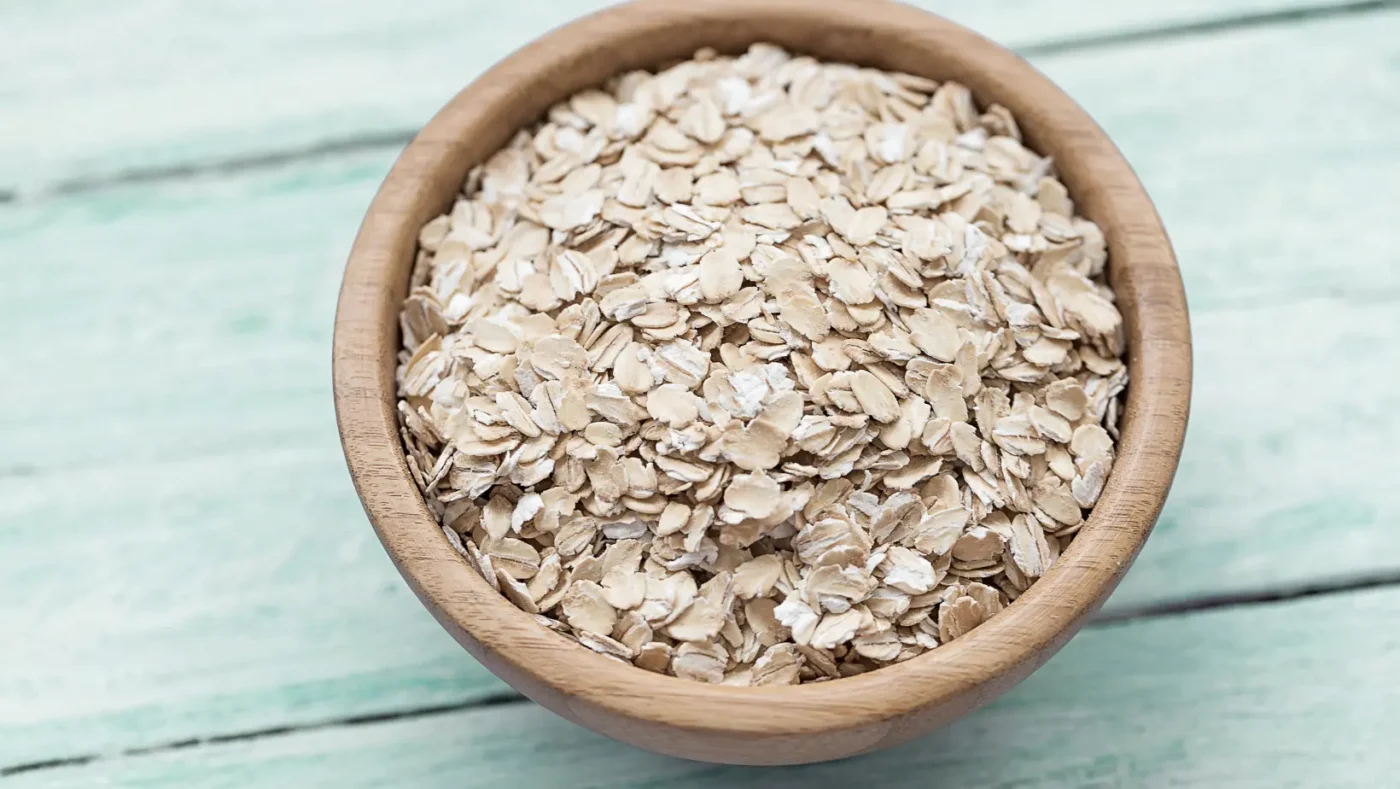

The health benefits of oatmeal come from its fiber, protein, and mineral content, and they include better heart health, steadier blood sugar, and longer-lasting fullness. Oatmeal is whole grain oats cooked in water or milk. The USDA lists it as one of the few breakfast foods that delivers soluble fiber, plant protein, and micronutrients in one bowl.
This guide covers the full oatmeal nutrition facts, how oats change your body hour by hour, how to add oats to your day, and who should be careful with them.
Health Benefits of Oatmeal
Oats lower cholesterol, feed gut bacteria, and slow down sugar spikes after a meal. These effects are not folk claims. They come from peer-reviewed trials on beta-glucan, the soluble fiber that makes oats thick and creamy. Below are six ways the health benefits of oatmeal show up in real, measurable body changes, backed by oatmeal health benefits backed by science.
Supports Heart Health
Oats contain beta-glucan, a soluble fiber that binds to cholesterol in your gut and drags it out of your body before it reaches your bloodstream. A 2023 meta-analysis in the American Journal of Clinical Nutrition found that eating 3 grams of oat beta-glucan daily lowered LDL cholesterol by about 4 to 5 mg/dL over four weeks. That is a real, clinically noted drop, not a rounding error.
Oatmeal for heart health works best when you eat it daily. The American Heart Association lists oats among its top recommended whole grains for lowering heart disease risk. This is why doctors often bring up oatmeal for cholesterol reduction when patients ask about diet changes for high LDL.
Helps Improve Digestive Health
Oats carry both soluble and insoluble fiber. Soluble fiber turns into a gel in your stomach and slows digestion. Insoluble fiber adds bulk to stool and moves waste through your intestines faster. Together, they support oatmeal for digestive health in two directions: less constipation and less bloating after meals.
Oats also act as a prebiotic. That means they feed the good bacteria living in your gut lining. A well-fed gut microbiome is linked to better immune function and lower inflammation markers, based on 2021 research published in Nutrients. This dual fiber action is a major reason oatmeal for gut health shows up so often in dietitian recommendations.
Helps Keep You Full Longer
Oats absorb liquid and expand in your stomach. This physical bulk triggers stretch receptors that tell your brain you are full. Beta-glucan also slows stomach emptying, so food stays in your gut longer before moving to your small intestine. A 2020 study in Appetite found that people who ate oatmeal for breakfast felt fuller for up to four hours compared to a low-fiber cereal.
Supports Healthy Blood Sugar Levels
Oats have a lower glycemic index than white bread, white rice, or most breakfast cereals. Steel-cut oats sit around 55 on the glycemic index scale, while instant oats sit closer to 65 to 80 depending on processing. The soluble fiber in oats slows how fast glucose enters your bloodstream after a meal. A 2022 clinical trial in Diabetes Care showed that oat beta-glucan improved post-meal glucose response in adults with type 2 diabetes.
Provides Essential Nutrients
A half-cup of dry rolled oats (about 40 grams) gives you roughly 150 calories, 5 grams of protein, 4 grams of fiber, and useful amounts of manganese, phosphorus, magnesium, iron, and zinc. Oats also contain avenanthramides, plant compounds found almost nowhere else in the food supply. These compounds have antioxidant and anti-inflammatory effects, based on lab research published by the USDA Agricultural Research Service. This nutrient density is central to any honest look at oatmeal nutrition facts.
Supports Weight Management
Oats are high in volume but low in calories per gram, which means you eat a satisfying amount of food without a high calorie cost. The protein and fiber combination also reduces ghrelin, the hormone that signals hunger.
A 2021 review in the Journal of the American College of Nutrition linked regular whole-grain oat consumption to lower body weight over time compared to refined-grain diets.
How Oatmeal Works Inside the Body After You Eat It (Hour-by-Hour)
The health benefits of oatmeal unfold in stages, from digestion in your stomach to long-term changes in your gut bacteria and cholesterol levels weeks later. Here is a simple timeline of what happens after you finish your bowl.
| Time After Eating | What Happens in Your Body |
| 0 to 30 minutes | Digestion begins. Beta-glucan absorbs water and thickens in your stomach, which slows stomach emptying. |
| 30 to 90 minutes | Glucose from the oats enters your bloodstream slowly. Your pancreas releases insulin gradually instead of in a sharp spike, supporting oatmeal and blood sugar control. |
| 2 to 4 hours | Satiety hormones like peptide YY stay elevated. You get steady energy instead of a crash, since glucose is released over time rather than all at once. |
| Weeks of regular use | Beta-glucan continues binding cholesterol at each meal, gradually lowering LDL. Fiber also feeds gut bacteria, which shifts your microbiome toward more short-chain fatty acid producers linked to lower gut inflammation. |
This timeline shows why one bowl of oatmeal will not fix cholesterol or blood sugar by itself.
How to Add Oatmeal to Your Diet
Getting the health benefits of oatmeal depends on which oats you buy and what you put on top of them. Instant oats with added sugar packets will not give you the same results as plain rolled or steel-cut oats. Here is how to make oatmeal work for you.
Choose the Right Type of Oats
- Steel-cut oats: Least processed, chewiest texture, lowest glycemic index. Takes 20 to 30 minutes to cook.
- Rolled oats (old-fashioned): Steamed and flattened. Cooks in 5 minutes. Keeps most of its fiber structure.
- Instant oats: Pre-cooked and dried, so they cook fastest. Often sold with added sugar and flavoring, which lowers the nutrition value.
- Oat groats: Whole, unprocessed oat kernels. Highest fiber content but takes 40 to 50 minutes to cook.
Add Fruits, Nuts, or Seeds for Extra Nutrition
Berries add antioxidants without much sugar. Chopped walnuts or almonds add healthy fats and protein. Chia seeds or ground flaxseed add omega-3 fats and extra soluble fiber.
Use Oatmeal as a Balanced Breakfast Option
Pair oatmeal with a protein source like Greek yogurt, milk, or a boiled egg on the side. Oats alone are carbohydrate-heavy, and adding protein keeps you fuller for longer. This combination is one of the simplest benefits of eating oatmeal daily for people managing weight or energy levels through the morning.
Watch Added Sugar and Toppings
Flavored instant oatmeal packets can carry 12 grams of added sugar or more per serving, which cancels out the blood sugar benefits. Choose plain oats and sweeten lightly with fresh fruit or a small drizzle of honey instead of processed syrup.
Things to Consider Before Eating Oatmeal
Oats are safe for most people, but a few groups need to check labels or adjust portions.
Gluten Contamination in Some Oats
Pure oats do not contain gluten, but many brands are processed in facilities that also handle wheat, barley, or rye. This cross-contact can trigger symptoms in people with celiac disease. Look for oats labeled “certified gluten-free” if you have celiac disease or a diagnosed gluten sensitivity.
Possible Digestive Discomfort
Eating a large amount of fiber quickly can cause gas, bloating, or cramping, especially if your body is not used to high-fiber foods. Start with a small serving and increase slowly over one to two weeks. Drink enough water, since fiber needs water to move through your digestive tract smoothly.
Choosing Processed vs Whole Oats
Instant and flavored oatmeal packets often carry added sugar, salt, and preservatives that reduce the nutritional value. Steel-cut and rolled oats keep more fiber and nutrients intact. Reading the ingredient label matters more than the marketing on the front of the box.
FAQs
What are the main health benefits of oatmeal?
The health benefits of oatmeal include lower LDL cholesterol, steadier blood sugar, better digestion, and longer fullness. These come mainly from beta-glucan fiber, plus protein and minerals like magnesium and manganese.
Is oatmeal good for weight loss?
Yes. Oatmeal is low in calories per volume and high in fiber and protein, which reduces hunger hormones. This makes oatmeal for weight management effective when paired with a balanced diet, not oats alone.
Does oatmeal help lower cholesterol?
Yes. Oat beta-glucan binds cholesterol in your gut and removes it from your body. Clinical trials show 3 grams of daily beta-glucan can lower LDL by 4 to 5 mg/dL within four weeks.
Is oatmeal good for people with diabetes?
Yes. Oats have a lower glycemic index than white bread or rice. Beta-glucan slows glucose absorption, which supports oatmeal and blood sugar control and reduces post-meal blood sugar spikes in people with type 2 diabetes.
How much oatmeal should I eat per day?
A half-cup of dry oats (about 40 grams) daily is enough to get measurable cholesterol and blood sugar benefits, based on the 3-gram beta-glucan threshold used in most clinical trials.
Sources
- American Heart Association: Whole Grains and Fiber
- USDA FoodData Central: Oats, Rolled
- USDA Agricultural Research Service: Avenanthramides in Oats
- American Journal of Clinical Nutrition: Beta-Glucan and Cholesterol Meta-Analysis
- Nutrients Journal: Oat Fiber and Gut Microbiome
- Appetite Journal: Oatmeal and Satiety
- Diabetes Care: Oat Beta-Glucan and Postprandial Glucose
- Journal of the American College of Nutrition: Whole Grains and Body Weight
- Celiac Disease Foundation: Gluten-Free Oats
- Mayo Clinic: Cholesterol-Lowering Foods








2 Comments
Comments are closed.