
Most people develop cells with cancer-related mutations throughout their lifetime. But that is not the same as having actual cancer. Does everyone have cancer cells in the clinical sense? No. Your body has systems that find damaged cells, repair them, or destroy them before a tumor ever forms.
This article covers how cancer cells develop, how the body fights them, when the process fails, and what you can do to lower your risk.
What Actually Makes a Cell a “Cancer Cell”?
A cell becomes cancerous when it loses control of its own growth. Normal cells divide when the body needs them and stop when it does not. A true cancer cell ignores those stop signals, keeps dividing, and eventually forms a mass that invades surrounding tissue.
Mutated Cell vs. Cancer Cell
Every day, your body produces roughly 3.8 million new cells per second. A mutated cell simply carries a copying mistake in its DNA. Most of these mutations are not harmful. A cell only becomes cancerous when mutations hit specific genes, called oncogenes and tumor suppressor genes, in a way that removes the brakes on cell division.
According to the National Cancer Institute, cancer typically requires several different mutations building up over time, not a single event. That is why most mutations never become cancer.
How Your Body Prevents Most Cancers
Your body runs three overlapping defense systems against abnormal cell growth. All three work simultaneously, and most people never know this process is happening.
DNA Repair Mechanisms
Before a mutated cell can divide, the body tries to fix the error. Specialized proteins scan newly copied DNA and patch mistakes. One key player is the tumor suppressor protein p53, often called the “guardian of the genome.”
A 2024 review in the International Journal of Molecular Sciences confirmed that p53 activates DNA repair pathways, including base excision repair and nucleotide excision repair. When p53 detects damage it cannot fix, it pushes the cell toward self-destruction. Mutations in the p53 gene itself appear in roughly 50% of all human cancers, which shows how central this protein is to preventing disease.
Apoptosis (Programmed Cell Death)
When DNA damage is too severe to repair, cells are programmed to self-destruct in an orderly process called apoptosis. Damaged cells signal their own dismantling, and the cells get recycled without harming neighboring tissue.
This process fails in cancer cells, which develop ways to block apoptosis signals and keep dividing when they should stop. Drugs like venetoclax, used in certain leukemias, work precisely by restoring this apoptosis signal in cancer cells.
How the Immune System Fights Cancer Cells
Natural Killer (NK) cells patrol the bloodstream constantly. When they encounter a cell displaying abnormal surface proteins, they release toxic granules containing perforin and granzyme that puncture and kill the target.
A 2024 review in Cell Death & Disease confirmed that NK cells serve as the first line of immunosurveillance, scanning for abnormal cells before adaptive immunity is even activated. CD8+ T cells provide a second layer. They recognize cancer-specific protein fragments displayed on the cell surface and kill the target directly.
A 2024 paper in CA: A Cancer Journal for Clinicians described this as the “three Es model”: elimination, equilibrium, and escape. The immune system eliminates most abnormal cells, sometimes reaches an equilibrium where growth is held in check, and cancer only progresses when cells fully escape immune control.
Signs of Uncontrolled Cell Growth
Signs of uncontrolled cell growth are worth knowing but signs alone do not confirm cancer.
Formation of a Lump or Mass
A new lump under the skin, especially one that grows or does not move freely when pressed, should be evaluated. Not all lumps are malignant. Lipomas, cysts, and lymph node swelling from infection are common benign causes. Still, a lump that appeared without obvious cause needs a doctor’s assessment.
Unexplained Weight Loss and Persistent Fatigue
Losing more than 10 pounds without trying, or feeling exhausted that does not improve with rest, can indicate the body is being taxed by abnormal cell activity. Cancer cells consume significant energy and alter metabolism in ways that affect the entire body.
Changes in Skin or Moles
A mole that changes color, grows larger, has irregular edges, or bleeds without injury is a red flag. Dermatologists use the ABCDE rule: Asymmetry, Border irregularity, Color variation, Diameter greater than 6mm, and Evolution over time.
Chronic Pain or Discomfort
Pain that has no clear injury cause and lasts more than a few weeks, especially bone pain, can reflect abnormal cell activity in surrounding tissue. This applies particularly to pain that worsens at night or does not respond to standard pain relief.
Unusual Bleeding
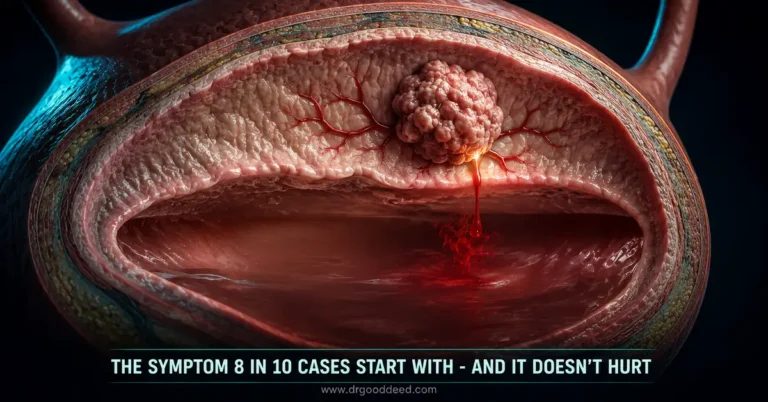
Blood in urine, stool, sputum, or unexplained vaginal bleeding outside of menstruation should always be evaluated. These symptoms can reflect irritation or damage caused by abnormal cell growth in the urinary tract, colon, lungs, or reproductive organs.
Can Healthy People Carry Cells With Cancer-Related Mutations?
Yes. Healthy, asymptomatic people carry cells with cancer-related mutations all the time. Most adults carry cells with cancer-type mutations, but the body keeps them in check. The clearest documented example is clonal hematopoiesis.
Clonal hematopoiesis occurs when a blood stem cell acquires a mutation in a driver gene, such as DNMT3A, TET2, or ASXL1, and begins producing more copies of itself than neighboring normal cells.
A landmark study in the New England Journal of Medicine found clonal hematopoiesis in 10% of people over age 65 and in only 1% of people under 50. These individuals carry detectable mutations in blood cells but show no signs of leukemia. The condition raises the risk of blood cancers, but the absolute risk remains low. Most people with clonal hematopoiesis never develop leukemia.
Why Some Abnormal Cells Become Cancer While Others Never Do
A single mutation in DNMT3A, for example, does not cause acute myeloid leukemia. Cancer requires multiple cooperating mutations hitting the right combination of genes over years or decades.
The immune system, apoptosis pathways, and DNA repair mechanisms catch and eliminate many of these early mutant cells before they accumulate enough mutations to become cancerous. When those systems are weakened by aging, chronic inflammation, smoking, or immunosuppression, mutant cells have a longer window to accumulate further damage.
Can the Body Eliminate Cancer Cells Naturally?
Yes, and this happens routinely in healthy people. NK cells and CD8+ T cells identify and destroy early-stage abnormal cells before they become clinically detectable tumors.
According to a 2024 paper in CA: A Cancer Journal for Clinicians, innate immune cells including macrophages and NK cells handle the elimination of nascent cancer cells in the early subclinical phase of tumor development.
Should You Worry About Having Cancer Cells?
No, not in the sense of immediate danger. The cancer cells you have circulating right now are probably not active cancer cells, but likely some mutated cells being patrolled by the immune system. Having cells with cancer-related mutations is a normal feature of biological aging. The real concern is whether the conditions exist for those mutations to accumulate unchecked. Chronic smoking, obesity-related inflammation, heavy alcohol use, and immunosuppression all weaken the body’s defenses and give mutant cells a longer uninterrupted window to grow.
Reducing Cancer Risk Through Lifestyle Changes

Reducing cancer risk through lifestyle changes is supported by strong evidence. The American Cancer Society estimates that at least 42% of cancer cases in the USA are attributable to modifiable risk factors. These habits directly support DNA repair, immune surveillance, and apoptosis:
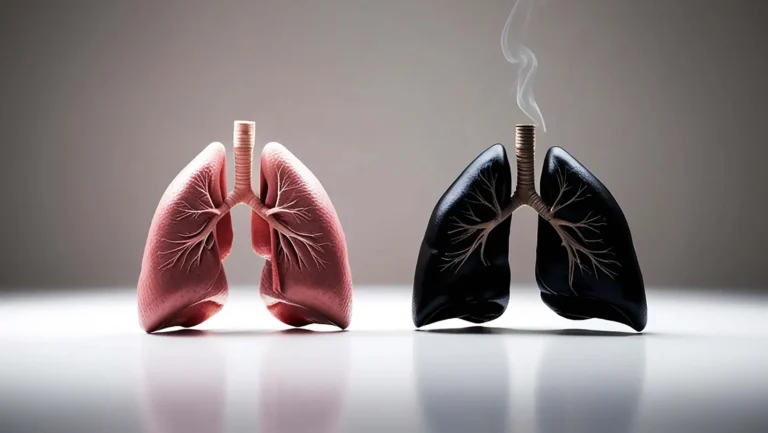
- Avoid tobacco in all forms. Smoking causes mutations in lung, throat, bladder, and kidney cells and suppresses NK cell function.
- Maintain a healthy body weight. Obesity drives chronic low-grade inflammation, which impairs immune surveillance and promotes abnormal cell growth and cancer risk.
- Limit alcohol. Alcohol is a Group 1 carcinogen per the International Agency for Research on Cancer. It damages DNA in cells of the mouth, liver, and breast.
- Eat a diet high in fiber and vegetables. Plant-based diets reduce inflammation markers linked to cancer promotion.
- Exercise regularly. At least 150 minutes of moderate aerobic activity per week improves immune function and reduces inflammatory cytokines.
- Use sunscreen. UV radiation causes direct DNA mutations in skin cells. SPF 30 or higher, applied consistently, is protective.
- Get cancer screenings. Colonoscopy, mammogram, Pap smear, and low-dose CT for high-risk smokers catch abnormal cell growth before it becomes invasive.
How Early Detection Changed the Outcome for Marcus Whitfield
Note: The patient’s name has been altered to protect privacy. Clinical details reflect documented patterns from published case literature.
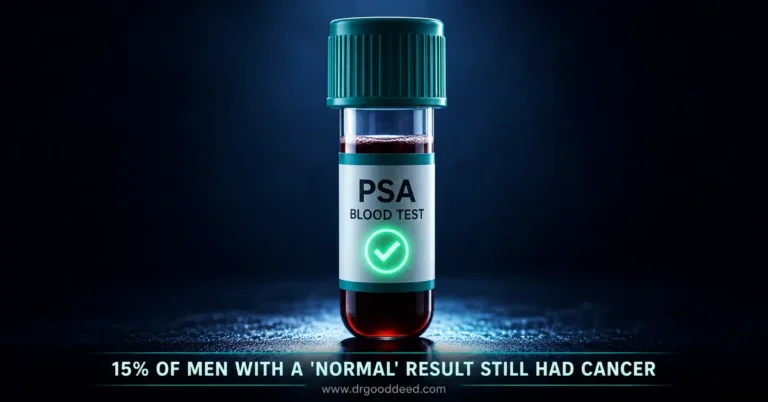
Marcus Whitfield, a 58-year-old accountant from Denver, Colorado, had no symptoms when his primary care physician discovered a rising PSA level during a routine annual physical. His PSA had gone from 2.1 to 4.8 ng/mL over 18 months. A follow-up MRI and targeted biopsy confirmed a small, localized prostate adenocarcinoma, Gleason score 6. Marcus was a non-smoker, maintained a normal BMI, and exercised four times per week.
What his case illustrates goes beyond the obvious. His immune system had likely held this tumor in a state of equilibrium for an unknown period. His healthy lifestyle choices, particularly his weight management and exercise habits, supported immune surveillance long enough for the cancer to be caught at a stage where it was still fully confined to the prostate capsule. He underwent robotic-assisted laparoscopic prostatectomy and has maintained undetectable PSA levels for three years post-surgery.
His oncologist noted that without routine screening, the same tumor, given another two to three years, would almost certainly have broken through the capsule. Signs of uncontrolled cell growth had not yet appeared clinically. This case reflects a documented pattern where metabolically healthy individuals tend to have stronger innate immune responses, including higher NK cell activity, compared to those with obesity or chronic inflammation.
Advances in Cancer Treatment
When the body’s defenses fail and cancer does develop, modern treatments target the disease at multiple levels.
Surgery
Surgery removes the primary tumor and surrounding tissue. For early-stage solid tumors (breast, colon, prostate), surgery alone can be curative. Robotic and laparoscopic techniques reduce recovery time and surgical complications.
Chemotherapy
Chemotherapy uses drugs to kill rapidly dividing cells. It targets cancer cells but also affects fast-dividing normal cells like hair follicles and gut lining, which causes side effects. It is used to shrink tumors before surgery, eliminate remaining cells after surgery, or treat metastatic disease.
Radiation Therapy
Radiation therapy uses high-energy rays to damage the DNA of cancer cells directly, triggering apoptosis in the tumor. External beam radiation and brachytherapy (internal radiation) are the two main forms. Radiation is used for localized tumors or as a palliative treatment for pain from bone metastases.
Targeted Therapy
Targeted therapy drugs attack specific proteins or genetic mutations that drive a particular cancer. Imatinib (Gleevec), approved for chronic myeloid leukemia, blocks the BCR-ABL protein produced by a chromosomal mutation. These drugs are more precise than chemotherapy and generally have fewer off-target effects.
Immunotherapy
Immunotherapy strengthens or restores how the immune system fights cancer cells that have found ways to hide from NK and T cells. Immune checkpoint inhibitors like pembrolizumab (Keytruda) block the PD-1 protein that cancer cells use to deactivate T cells. CAR-T cell therapy engineers a patient’s own T cells to recognize and kill specific cancer targets. These treatments have produced durable remissions in cancers like melanoma and certain leukemias that were previously very difficult to treat.
FAQs
Does everyone have cancer cells in their body?
No, not exactly. Most people carry cells with cancer-related mutations, especially with age. But cancer requires multiple mutations disabling growth controls simultaneously. The immune system destroys most of these before they become cancer.
What is the difference between abnormal cells and cancer cells?
An abnormal cell has one or more mutations but still responds to normal growth signals and can be eliminated by apoptosis or immune cells. A cancer cell ignores stop signals, blocks apoptosis, and evades immune detection, all at once.
How do cancer cells develop?
How cancer cells develop is a multi-step process. A cell accumulates mutations in oncogenes (growth-promoting) and tumor suppressor genes (growth-limiting) over the years. When enough mutations accumulate and bypass the body’s repair and surveillance systems, those mutations stack up and become cancer.
Can abnormal cells go away on their own?
Yes. NK cells and CD8+ T cells destroy many abnormal cells before they progress. Mild cervical dysplasia (CIN 1), caused by HPV, clears spontaneously within two years in approximately 60% of cases, according to the American Cancer Society. Abnormal cell growth and cancer risk drops significantly when immune function is intact.
Does aging increase the risk of cancer?
Yes. Aging allows more time for mutations to accumulate, which raises abnormal cell growth and cancer risk significantly. A New England Journal of Medicine study found clonal blood cell mutations in 10% of adults over 65 but only 1% under 50. Immune surveillance also weakens with age.
Can cancer be prevented completely?
No. But abnormal cell growth and cancer risk can be substantially reduced. The American Cancer Society estimates 42% of US cancer cases link to modifiable factors: tobacco, alcohol, obesity, physical inactivity, and sun exposure. Eliminating these shrinks risk significantly.
How are cancer cells detected and diagnosed?
Detection starts with screening tests (colonoscopy, mammogram, PSA, Pap smear, low-dose CT). When a mass is found, imaging (MRI, CT, PET) defines its extent. Tissue biopsy followed by pathological and immunohistochemical analysis confirms the diagnosis at the cellular level.
Sources
- National Cancer Institute. How Cancer Develops. https://www.cancer.gov/about-cancer/understanding/what-is-cancer
- Jaiswal S, et al. Age-Related Clonal Hematopoiesis Associated with Adverse Outcomes. New England Journal of Medicine. 2014;371:2488-2498. https://www.nejm.org/doi/full/10.1056/NEJMoa1408617
- Coënon L, et al. Natural Killer Cells at the Frontline in the Fight Against Cancer. Cell Death & Disease. 2024;15:614. https://pmc.ncbi.nlm.nih.gov/articles/PMC11343846/
- Kroemer G, et al. Immunosurveillance in Clinical Cancer Management. CA: A Cancer Journal for Clinicians. 2024. https://acsjournals.onlinelibrary.wiley.com/doi/full/10.3322/caac.21818
- Wang L, et al. Unraveling the Guardian: p53’s Multifaceted Role in the DNA Damage Response. International Journal of Molecular Sciences. 2024;25(23):12928. https://pmc.ncbi.nlm.nih.gov/articles/PMC11641486/
- American Cancer Society. Cancer Facts & Figures 2024. https://www.cancer.org/research/cancer-facts-statistics/all-cancer-facts-figures/2024-cancer-facts-figures.html