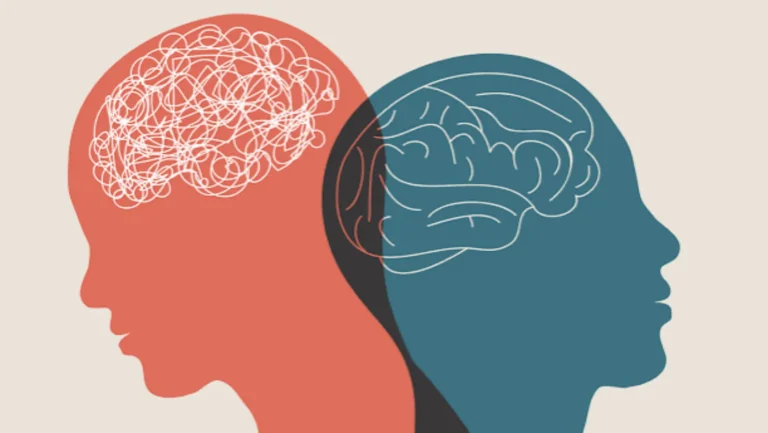

Mental health vs mental illness is not the same comparison as good versus bad. Everyone has mental health. Not everyone has a mental illness. The World Health Organization defines mental health as a state of well-being. It lets you cope with stress, work well, and contribute to your community. Mental illness refers to diagnosable conditions with clinically significant symptoms in mood, thinking, or behavior.
In the USA, this distinction shapes how doctors screen, diagnose, and treat patients. This guide covers the real difference between mental health and mental illness, warning signs, and steps you can take today.
Difference Between Mental Health and Mental Illness
The difference between mental health and mental illness is that mental health is a state that shifts day to day. Mental illness is a diagnosis based on set clinical criteria.
| Feature | Mental Health | Mental Illness |
| Definition | Your overall emotional and psychological state | A diagnosable condition with specific symptoms |
| Nature | Exists on a sliding scale for everyone | Meets fixed clinical criteria |
| Duration | Can change daily or weekly | Often persists or recurs over time |
| Diagnosis needed | No diagnosis required | Requires a formal clinical diagnosis |
| Examples | Feeling stressed, tired, or low for a few days | Major depressive disorder, generalized anxiety disorder |
What Does “Mental Health” Actually Mean?
Mental health covers how you think, feel, and handle daily stress. It moves along a continuum. You might feel strong one week and drained the next, and both states still count as mental health. This continuum applies to every person, whether or not they have a diagnosis. It is the first half of the mental health vs mental illness picture, and it applies to you right now, not just people with a diagnosis.
What Counts as a Mental Illness?
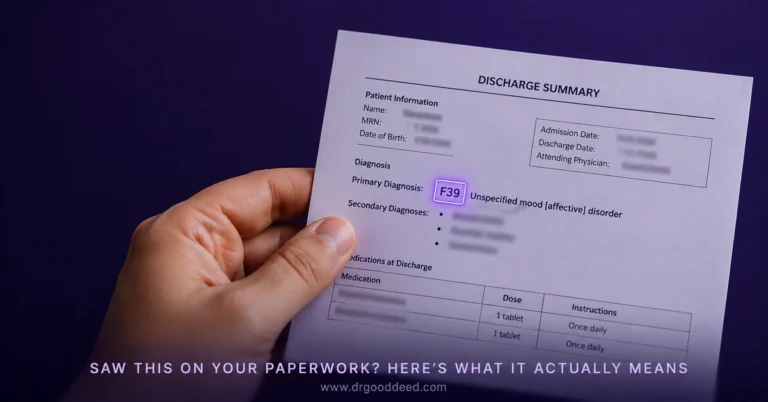
A mental illness is a clinically diagnosed condition. It involves specific symptoms that disrupt thinking, mood, or behavior for a set period. Conditions like depression, anxiety disorders, and bipolar disorder fall under this category. A licensed provider confirms the diagnosis using established criteria, not a symptom checklist alone. This is the second half of the mental health vs mental illness comparison, and it requires a professional evaluation to confirm.
Mental Health and Mental Illness Can Coexist
These two ideas often exist in the same person at once. Someone can carry a mental illness diagnosis and still feel emotionally steady most weeks.
No Diagnosis Doesn’t Automatically Mean Good Mental Health
A person can go without any formal diagnosis and still struggle daily. Chronic stress, burnout, and grief can lower your mental health for months. None of these require a diagnosis to be real or worth addressing.
A Mental Illness Doesn’t Define a Person’s Entire Mental Health
Someone with a managed mental illness can still thrive. Treatment, routine, and support often restore strong day-to-day functioning. A diagnosis marks one part of a person’s health story, not the whole story.
Signs of Poor Mental Health
Signs of poor mental health often show up before any formal diagnosis happens. Watch for these patterns over several days or weeks:
- Trouble sleeping or sleeping far more than usual
- Low energy that does not improve with rest
- Withdrawing from friends or activities you once enjoyed
- Feeling irritable or overwhelmed by small tasks
- Trouble focusing at work or school
Signs of Mental Illness
Signs of mental illness tend to be more severe, specific, and lasting than everyday stress. These patterns often prompt a clinical evaluation:
- Persistent sadness or hopelessness lasting two weeks or more
- Intense fear or worry that limits daily activities
- Sudden mood swings between extreme highs and lows
- Hearing or seeing things others do not
- Thoughts of self-harm or suicide
Mental Health vs. Mental Illness in 4 Real-Life Scenarios
Real scenarios make mental health vs mental illness easier to apply to your own life. Each one below shows a different mix of mental state and diagnosis status.
Scenario 1: Temporary Stress Without Mental Illness
Someone facing a tough work deadline feels anxious and tired for a week. Once the deadline passes, the stress fades. This is a dip in mental health, not a mental illness.
Scenario 2: Poor Mental Health Without a Confirmed Diagnosis
A person shows signs of poor mental health for months but has never seen a provider. They may still meet criteria for a diagnosis, but without an evaluation, that remains unconfirmed.
Scenario 3: Mental Illness With Significant Current Symptoms
Someone diagnosed with major depression is currently in a difficult episode. They show clear signs of mental illness, including low mood and loss of interest, most days.
Scenario 4: Mental Illness That Is Being Effectively Managed
A person with generalized anxiety disorder takes medication and attends therapy. Their symptoms are controlled, and their day-to-day mental health looks strong most weeks.
Use a “Function-Distress-Duration” Check, Not Self-Diagnosis
Use this three-part check instead to decide if your symptoms need professional attention for mental health or mental illness.
1. Function: Is Daily Life Being Affected?
Ask if your symptoms are stopping you from working, sleeping, or maintaining relationships. Function loss is one of the strongest signals that something beyond normal stress is happening.
2. Distress: How Much Is the Experience Affecting You?
Rate your distress honestly, not just what you show others. High internal distress matters even when you still manage to show up for daily tasks.
3. Duration and Pattern: Is It Persistent, Recurrent, or Worsening?
Track how long the symptoms have lasted. Two weeks of low mood is different from two days. Recurring or worsening patterns deserve a professional evaluation sooner.
How to Improve Mental Health
Knowing how to improve mental health starts with small, repeatable habits rather than one big change. These eight habits are backed by research and easy to start this week.
Prioritize Quality Sleep
Aim for seven to nine hours a night. Poor sleep directly worsens mood, focus, and stress tolerance within just a few days.
Exercise Regularly
Move your body for at least 20 to 30 minutes most days. Aerobic activity lowers stress hormones and boosts mood-related brain chemicals.
Eat a Balanced Diet
Include vegetables, protein, and healthy fats at most meals. Blood sugar swings from processed food can worsen irritability and fatigue.
Manage Stress
Build short breaks into your day before stress builds up. Even five minutes of deep breathing lowers your heart rate and stress response.
Stay Socially Connected
Talk to a friend or family member at least once a week. Isolation is strongly linked to worse mental health outcomes over time.
Practice Mindfulness
Spend a few minutes noticing your thoughts without judging them. Regular mindfulness practice is linked to lower anxiety after about eight weeks.
Limit Alcohol and Recreational Drugs
Both can worsen anxiety and depression symptoms over time, even though they may feel calming at first. Cutting back often improves mood within weeks.
Seek Professional Support When Needed
Reach out to a therapist or doctor if symptoms persist past two weeks. Early support usually leads to faster, easier recovery.
FAQs
Can someone have poor mental health without a mental illness?
Yes. Stress, grief, or burnout can lower mental health for weeks without meeting the clinical criteria for any diagnosed mental illness.
Can people with mental illness have good mental health?
Yes. With treatment and support, many people with a diagnosed condition report strong daily functioning and stable mood most weeks.
How is mental illness diagnosed?
A licensed clinician uses structured interviews and DSM-5 criteria. Diagnosis depends on symptom type, severity, and how long symptoms have lasted.
What causes mental illness?
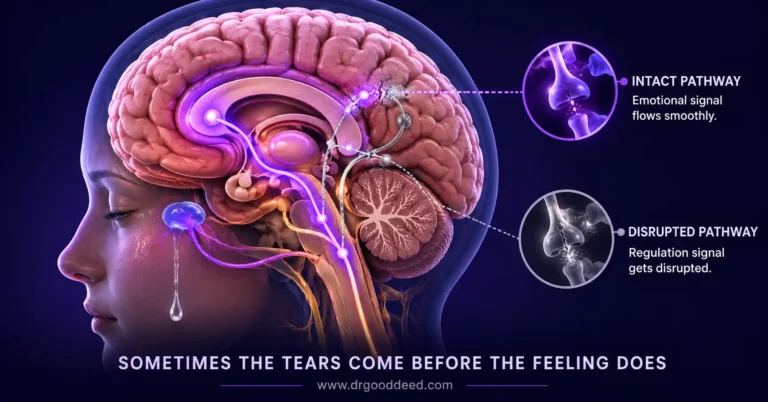
Genetics, brain chemistry, trauma, chronic stress, and major life changes all contribute. Most cases involve a combination of these factors, not one single cause.
How can I improve my mental health?
Prioritize sleep, regular exercise, social connection, and stress management. These four habits show the most consistent research support for a better mood.
What treatments are available for mental illness?
Options include talk therapy, medication, and lifestyle changes. Many people combine therapy with medication for the strongest, most lasting symptom relief.
Is stress considered a mental illness?
No. Stress is a normal response to pressure. It only signals a possible mental illness when it becomes chronic, severe, or disabling.
Can children and teenagers develop mental illnesses?
Yes. Conditions like anxiety and depression can appear before age 18. Early treatment often leads to better long-term outcomes.
Sources
- World Health Organization: Mental Health Fact Sheet
- World Health Organization: Mental Disorders Fact Sheet
- United Nations: Mental Health and Wellbeing
- National Institute of Mental Health: Mental Illness Statistics
- CDC: About Mental Health
- Mayo Clinic: Mental Illness Overview
- SAMHSA: Mental Health and Substance Use Disorders
- American Psychiatric Association: What Is Mental Illness
- National Institute of Mental Health: Caring for Your Mental Health
- 988 Suicide and Crisis Lifeline