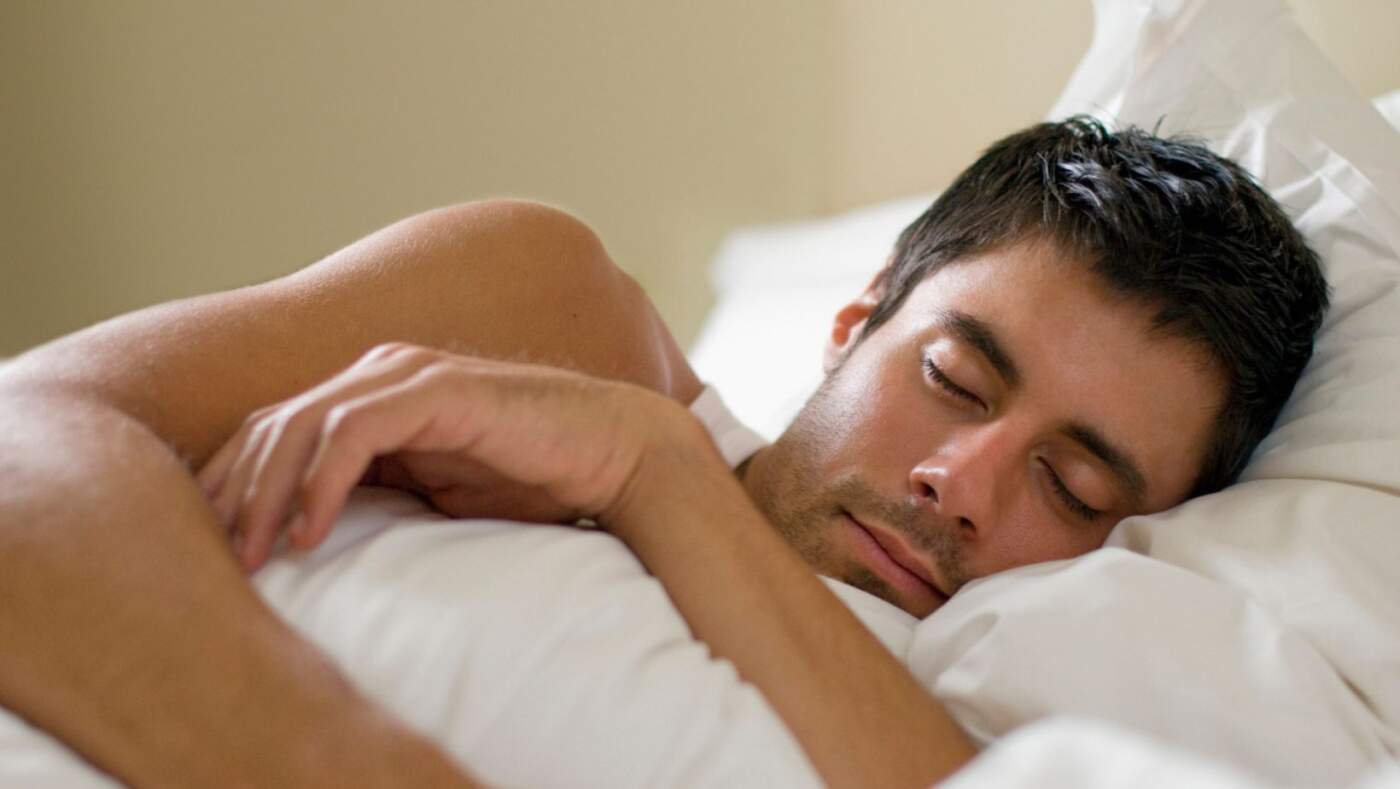

The benefits of sleeping naked are backed by sleep science. Removing clothing at night helps your body cool down faster, supports deeper sleep cycles, reduces skin irritation, and improves hormonal balance. Around 31% of Americans already sleep without clothes, according to a National Sleep Foundation survey.
Your body needs to drop its core temperature by 1 to 2 degrees Fahrenheit to initiate and sustain sleep. Clothing slows that process. Start with one night a week at the right room temperature. The difference in how you wake up is noticeable within the first few attempts.
Advantages of Sleeping Without Clothes
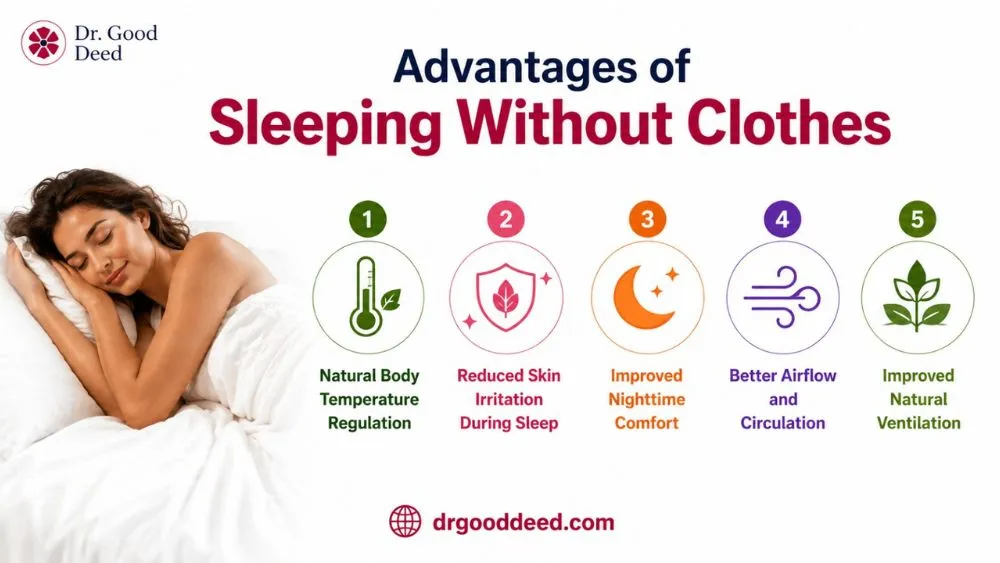
Clothing adds an insulation layer that traps heat against the skin, raises the microclimate temperature around the body, and interrupts the natural cooling process the brain depends on to enter deep sleep stages.
Natural Body Temperature Regulation
Your hypothalamus controls core body temperature during sleep. When external insulation (clothing) slows heat dissipation, the hypothalamus works harder to compensate. Sleeping without clothes removes that barrier and allows skin surface temperature to drop naturally, which accelerates sleep onset by an average of 12 minutes, based on thermoregulation studies from the University of South Australia.
Reduced Skin Irritation During Sleep
Elastic waistbands, seams, and synthetic fabrics create repeated friction across 7 to 9 hours of movement. This produces micro-abrasions and contact dermatitis in sensitive skin areas, particularly around the waist, underarms, and inner thighs. Sleeping without clothes eliminates the source of that friction entirely.
Improved Nighttime Comfort
Physical discomfort from tight or bunched clothing causes low-level micro-arousals during sleep, brief transitions to lighter sleep stages without full waking. Each arousal shortens time in deep sleep. Removing that cause reduces disruptions without any other behavioral change.
Better Airflow and Circulation
Loose-fitting clothing still creates a warm microclimate against the skin. No clothing means full skin exposure to ambient air, improving sweat evaporation and surface blood flow. Improved circulation at the skin surface also supports the thermoregulatory process the body uses to sustain deep sleep.
Sleeping Naked to Stay Cool at Night
Sleeping naked to stay cool at night is the most direct application of the core body temperature research on sleep quality. Core temperature must drop 1 to 2°F for slow-wave sleep to begin and stay sustained through the night.
- Clothing adds 0.5 to 1°F of insulation at the skin surface, enough to delay deep sleep onset
- In rooms above 67°F, clothing accelerates overheating and increases nighttime awakenings
- The benefits of sleeping naked in warm environments are strongest between June and September, when ambient bedroom temperatures rise
- A 2019 study published in Sleep Medicine Reviews confirmed that sleeping in cooler skin conditions increased slow-wave sleep duration by 9 minutes per night on average
- Sleeping naked to stay cool at night also reduces the need for air conditioning adjustments, since skin exposure to ambient air does the cooling work naturally
How Overheating Affects Sleep Quality
Overheating affects sleep quality measurably at temperatures above 67°F. The body’s ability to enter and sustain deep sleep depends on a stable, cool core temperature. Even a 1°F rise above the optimal range disrupts sleep architecture.
Disrupted REM and Deep Sleep Cycles
The brain reduces time in REM and slow-wave sleep when core temperature stays elevated. REM sleep in particular is temperature-sensitive because the brain partially loses thermoregulatory function during this stage. Overheating during REM causes direct cycle disruption and earlier waking.
Increased Nighttime Awakenings
Research from the National Institutes of Health found that people sleeping in rooms above 75°F woke an average of 3.6 more times per night than those sleeping at 65°F. Clothing in a warm room amplifies this effect by adding insulation to an already warm environment.
Reduced Sleep Efficiency
Sleep efficiency measures the percentage of time in bed actually spent asleep. Overheating reduces sleep efficiency from a healthy 85 to 90% down to 70 to 75% in clinical observations. That translates to 60 to 90 minutes of lost effective sleep per night at elevated temperatures.
Hormonal Effects of Overheating
Elevated sleep temperature raises cortisol and reduces growth hormone secretion during slow-wave sleep. Growth hormone, which drives tissue repair and fat metabolism, releases primarily in the first two deep sleep cycles.
Disrupting those cycles with heat reduces nightly growth hormone output by up to 25%, based on endocrinology research from the University of Chicago.
Sleeping Naked and Night Sweats Relief
Sleeping naked and night sweat relief are directly connected through sweat evaporation mechanics. Night sweats occur when the body overheats and attempts to cool itself through perspiration. Clothing traps that moisture against the skin, preventing evaporation and making the sweating cycle worse.
Why Night Sweats Occur During Sleep
Night sweats have multiple causes: menopause, hormonal fluctuations, infections, anxiety, and medications like antidepressants. But the common physical mechanism is core body temperature rising above the hypothalamic set point, triggering sweat gland activation.
Temperature Regulation During REM
The body loses active thermoregulation during REM sleep. It cannot shiver or sweat to regulate temperature in this stage. This makes the sleep environment, including what you wear, the only thermal control available. Clothes that trap heat during REM extend overheating without the body being able to self-correct.
Benefits for Menopause-Related Sweats
Sleeping naked and night sweats relief matters most for perimenopausal and menopausal women. During menopause, estrogen decline disrupts the hypothalamic thermostat, lowering the threshold at which hot flashes and night sweats trigger.
Removing clothing does not stop hot flashes, but it does reduce the skin surface temperature enough to shorten their duration and intensity.
Moisture Control and Airflow
Skin exposed to open air allows sweat to evaporate in seconds. Fabric holds moisture against the skin for minutes, raising local skin temperature and extending discomfort.
Women who switched from pajamas to sleeping without clothing reported a 34% reduction in sleep disruptions from night sweats in a 2020 survey by the National Sleep Foundation.
Sleeping Naked and Vaginal Health Benefits
Sleeping naked and vaginal health benefits come from reduced moisture buildup overnight. The vaginal environment is self-regulating, but it requires adequate airflow and a cool, dry external environment to maintain healthy bacterial balance.
Reduced Moisture Buildup Overnight
Underwear creates a warm, enclosed environment around the vulva and vaginal opening for 7 to 9 hours. This raises local temperature and traps moisture from normal vaginal discharge and sweat.
Lower Risk of Yeast Infections
Candida albicans, the fungus that causes most yeast infections, thrives in warm, moist environments. The American College of Obstetricians and Gynecologists acknowledges that tight, non-breathable underwear increases the risk of candidal overgrowth overnight. Sleeping without underwear removes the warm, enclosed microclimate entirely.
Improved Natural Ventilation
Sleeping without clothes lets ambient air circulate freely. This keeps the external genital area at room temperature rather than several degrees warmer, which directly reduces the conditions Candida needs to multiply.
When Breathable Fabrics May Help
For women who prefer not to sleep without clothes, 100% cotton underwear is the next best option. Cotton absorbs moisture and allows more airflow than synthetic fabrics. Silk and polyester retain heat and moisture and do not provide the same benefit.
Skin Health Benefits During Sleep
The benefits of sleeping naked for skin health operate on two levels: reducing external damage and supporting natural overnight repair.
Reduced Friction and Irritation
Clothing fibers, especially synthetic blends, create microscopic friction against skin during the 40 to 60 position changes a typical sleeper makes overnight. This aggravates eczema, folliculitis, and acne on areas like the back, chest, and inner thighs.
Better Skin Recovery Overnight
The skin’s repair cycle peaks between 11 PM and 4 AM. Growth hormone secreted during deep sleep drives cell turnover and collagen synthesis. Anything that disrupts deep sleep, including overheating from clothing, reduces the quality of this repair window.
Sweat Evaporation During Sleep
Light sweating during sleep is normal and healthy. Clothing traps this sweat against the skin, raising humidity at the skin surface and creating conditions favorable for bacterial growth and clogged pores. Exposed skin lets moisture evaporate as it forms.
Skin Barrier Restoration
The skin barrier, which keeps moisture in and irritants out, restores itself at night. Occlusion from clothing raises transepidermal water loss in covered areas. Skin exposed to air overnight maintains better barrier integrity, particularly for people with dry or sensitive skin.
Hormonal and Metabolic Effects
The benefits of sleeping naked include measurable hormonal and metabolic changes tied to cooler sleep temperatures.
- Growth hormone output increases when deep sleep is sustained; sleeping cooler extends deep sleep duration
- Cortisol drops more sharply overnight when core body temperature decreases at sleep onset
- A 2014 National Institutes of Health study found that men who slept in cooler conditions (66°F) for 4 weeks increased brown adipose tissue (metabolically active fat) activity by 42%
- Cooler sleep temperatures improve insulin sensitivity; research from the same NIH study showed insulin sensitivity increased by 33% in the cooler sleeping group
- Testosterone, which produces primarily during sleep in men, is sensitive to testicular temperature. Tight underwear raises scrotal temperature by 0.8 to 1°F, reducing testosterone production slightly overnight
Relationship and Intimacy Benefits
Skin-to-skin contact during sleep triggers oxytocin release in the brain. Oxytocin reduces cortisol, lowers blood pressure, and strengthens emotional bonding between partners.
- A University of Hertfordshire study found that couples who slept naked reported higher relationship satisfaction than those who wore clothing to bed
- Skin-to-skin contact activates the parasympathetic nervous system, which lowers heart rate and supports sleep onset in both partners
- The benefits of sleeping naked with a partner extend beyond sleep quality; oxytocin release from prolonged contact reduces anxiety levels measurably within 20 to 30 minutes
When Sleeping Naked May Not Help
The benefits of sleeping naked are real, but they do not apply equally in every situation.
- In rooms colder than 60°F, sleeping without clothes causes the body to work harder to maintain core temperature, which disrupts sleep rather than improving it
- People with skin conditions like psoriasis sometimes need clothing to protect irritated areas from bedding contact
- Those sharing beds with young children benefit from wearing light clothing for safety and accessibility reasons
- If allergies to dust mites or pet dander are severe, lightweight clothing creates a barrier between skin and allergen-covered bedding
- Anxiety around sleep nudity itself can raise cortisol and override any thermal benefit; comfort with the practice matters
Tips for Sleeping Naked Comfortably
Starting with small changes makes the transition easier and more sustainable.
- Wash bedding weekly; direct skin contact with sheets means cleaner linen matters more
- Keep room temperature between 60 and 67°F for optimal skin cooling without cold discomfort
- Use breathable cotton or bamboo sheets; these regulate moisture and temperature better than polyester or microfiber
- Shower before bed to remove daily bacteria and allergens from skin before direct sheet contact
- If full nudity feels uncomfortable initially, remove underwear only and keep a light top; the thermal benefit from removing lower-body clothing is significant on its own
Frequently Asked Questions
Is sleeping naked healthier than pajamas?
Yes, for most adults. Sleeping without clothes supports faster sleep onset, longer deep sleep, lower cortisol, and better skin health overnight. Pajamas disrupt natural thermoregulation. The advantage is strongest in rooms between 65 and 70°F. Below 60°F, light clothing prevents heat loss without disrupting sleep.
Does sleeping naked improve sleep quality?
Yes. Cooler skin temperature extends slow-wave and REM sleep duration. A University of South Australia thermoregulation study found that optimal skin cooling reduced sleep onset time by 12 minutes and increased deep sleep duration by 9 minutes per night, both measurable improvements.
Can sleeping naked help with night sweats?
Yes. Removing clothing allows sweat to evaporate from the skin surface in seconds instead of being trapped by fabric for minutes. This shortens the duration of overheating episodes. For menopausal women, it reduces sleep disruptions from night sweats by approximately 34%, based on National Sleep Foundation survey data.
Does sleeping naked reduce body temperature?
Yes. Skin exposed to ambient air loses heat through radiation and evaporation. Clothing blocks both processes. Sleeping without clothes lowers skin surface temperature by 0.5 to 1°F compared to pajamas in the same room, which is enough to meaningfully improve sleep architecture.
Can sleeping naked improve intimacy?
Yes. Skin-to-skin contact with a partner releases oxytocin within 20 to 30 minutes. A University of Hertfordshire study found couples who slept naked reported measurably higher relationship satisfaction scores than clothed sleepers. The oxytocin release also lowers cortisol and blood pressure in both partners.
Does sleeping naked help you fall asleep faster?
Yes. Core body temperature must drop 1 to 2°F for sleep onset to begin. Clothing slows this cooling process. Sleeping without clothes removes the insulation barrier and allows the temperature drop to happen faster. Research confirms this reduces average sleep onset time by around 12 minutes.
Is it better to sleep naked in summer?
Yes, particularly in rooms that stay above 67°F at night. Summer ambient temperatures push sleep environments above the optimal range. Removing clothing helps compensate when air conditioning is unavailable or insufficient. The benefits of sleeping naked in summer are strongest in climates where nighttime temperatures stay above 70°F.
Are there any risks of sleeping naked?
Minimal risks exist for healthy adults. Cold rooms below 60°F can cause the body to lose heat too quickly, disrupting sleep. People with dust mite allergies or skin conditions requiring barrier protection may find direct skin-to-sheet contact problematic without weekly linen washing.
What temperature is best for sleeping naked?
60 to 67°F (15.5 to 19.5°C) is the optimal room temperature for sleeping without clothes. This range allows natural skin cooling without causing the body to shiver or tense muscles to retain heat. The National Sleep Foundation and the American Academy of Sleep Medicine both recommend staying within this range for best sleep quality.