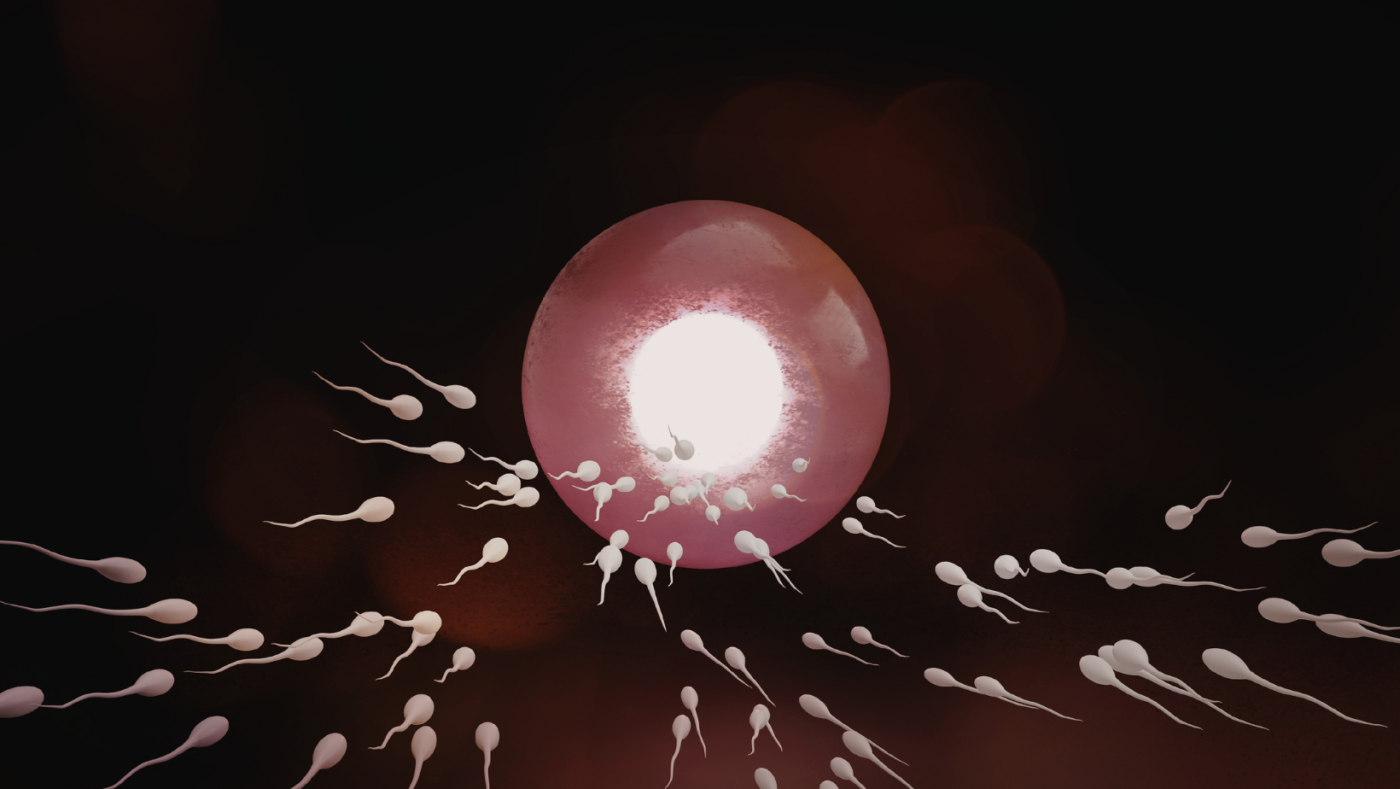

Infertility can be genetic occasionally. Roughly 10 to 15% of infertility cases in the US have a direct genetic cause, according to data published in Nature Reviews Genetics.
Chromosomal abnormalities, single-gene mutations, and inherited hormonal disorders all interfere with reproduction in documented, testable ways. This article covers the genetic causes of infertility in both men and women, test Infertility at home , when to get screened, and what treatment options actually exist.
Is Infertility Genetic or Not?
Infertility cannot be genetic in every case. But genetic factors account for a significant portion of cases that doctors once labeled “unexplained infertility.”
Genetic infertility stems from chromosomal abnormalities or gene mutations present from birth. Non-genetic infertility comes from lifestyle factors, infections, structural damage, or age-related decline.
Both can exist together. A woman with PCOS may carry a genetic predisposition AND have insulin resistance from diet. Separating the two requires testing, not guesswork.
Studies estimate that genetic causes of infertility explain:
- 15 to 30% of male infertility cases
- 10 to 12% of female infertility cases
- Up to 50% of recurrent pregnancy loss cases
How Genetics Influence Fertility
Every reproductive function depends on genes working correctly. Chromosomes carry the instructions for hormone production, egg and sperm development, and uterine function.
Inherited mutations pass from parent to child. Spontaneous mutations occur randomly during cell division and aren’t inherited but still affect fertility.
When chromosomes carry deletions, duplications, or rearrangements, the reproductive system receives faulty instructions. Eggs don’t develop properly. Sperm production fails. Hormone pathways short-circuit.
Infertility can be genetic through a single broken gene. Mutations in just one gene, like FMR1 (linked to premature ovarian insufficiency), are enough to cause significant fertility loss.
Genetic Causes of Infertility in Women
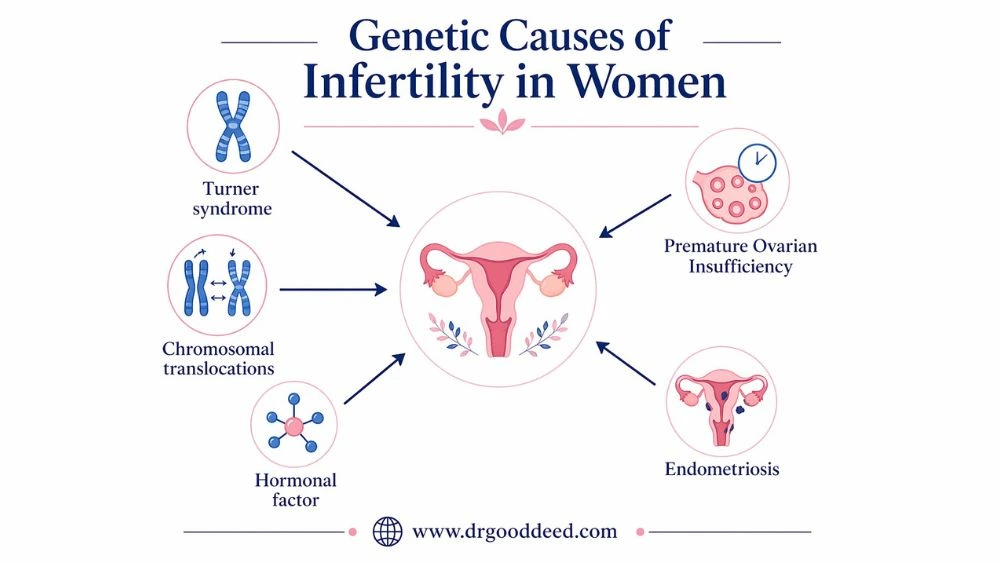
Genetic causes of infertility in women fall into four main categories.
- Turner syndrome (45,X): Women with Turner syndrome are born with one X chromosome instead of two. The ovaries fail to develop properly. Most women with Turner syndrome have no eggs by their teenage years. It affects 1 in 2,500 female births in the US.
- Premature Ovarian Insufficiency (POI): Up to 30% of POI cases have a genetic cause, including FMR1 premutations. Women with POI stop ovulating before age 40. FMR1 premutations also increase risk in daughters of carriers.
- Chromosomal translocations: A piece of one chromosome breaks off and attaches to another. Carriers often appear healthy but produce eggs with genetic imbalances. This leads to recurrent miscarriage rather than failure to conceive.
- Endometriosis: Twin studies show a heritability rate of 51% for endometriosis. First-degree relatives of women with endometriosis carry a 7-fold higher risk. The specific genes involved include GWAS-identified loci on chromosomes 1 and 7.
Genetic Causes of Infertility in Men
Male infertility has some of the most well-documented genetic causes of infertility in reproductive medicine.
- Y chromosome microdeletions: The Y chromosome contains regions called AZFa, AZFb, and AZFc that control sperm production. Deletions in AZFc are the most common genetic cause of severe male infertility, present in 5 to 10% of men with no sperm or very low sperm counts.
- Klinefelter syndrome (47,XXY): Men with Klinefelter syndrome carry an extra X chromosome. Testes remain small and produce little to no sperm. It affects 1 in 600 male births, making it the most common chromosomal cause of male infertility in the US.
- CFTR gene mutations: Mutations in the CFTR gene (associated with cystic fibrosis) cause congenital bilateral absence of the vas deferens (CBAVD). The vas deferens is the tube that carries sperm. Men with CBAVD produce normal sperm but can’t ejaculate it. About 2% of infertile men carry this mutation.
- Kallmann syndrome: A genetic disorder where the brain fails to produce GnRH (the hormone that triggers testosterone and sperm production). Men with Kallmann syndrome don’t go through normal puberty without treatment.
Genetic Mutations Affecting Fertility
Beyond chromosomal conditions, genetic mutations affecting fertility operate at the individual gene level.
CFTR mutations affect both men and women. In women, they thicken cervical mucus, making it harder for sperm to reach the egg.
FMR1 premutations in women don’t cause fragile X syndrome, but they significantly raise the risk of premature ovarian insufficiency. Daughters of carriers have a 16% chance of carrying the same premutation.
DNA fragmentation in sperm is not a chromosomal issue, but it’s genetically driven. High sperm DNA fragmentation (above 25% on the DFI test) reduces IVF success rates by 30 to 40%. It correlates with mutations in protamine genes that control how DNA is packaged inside sperm.
Chromosomal translocations in men produce sperm that carry unbalanced chromosomes. These fertilize eggs normally, but the embryo fails to develop or results in miscarriage.
Early Signs of Infertility With Family History
Early infertility signs with family history don’t always look like infertility. They look like hormonal issues or irregular development.
Watch for these patterns, especially when close relatives have had fertility problems:
- Periods that never regulated after age 16
- Puberty delayed past age 14 in girls or 15 in boys
- A mother or maternal aunt who went through menopause before age 40
- A father or brother with a known low sperm count
- Multiple miscarriages in female relatives without explained cause
- Male relatives diagnosed with Klinefelter syndrome
Early infertility signs with family history in men often appear as testicular underdevelopment or absence of secondary sexual characteristics (facial hair, voice changes) during puberty.
When Should You Consider Genetic Testing?
Genetic testing makes clinical sense in specific situations:
- Trying to conceive for 12 months without success (6 months if over 35)
- Two or more pregnancy losses without an identified cause
- Severe male factor infertility (sperm count below 5 million per mL)
- Family history of chromosomal conditions or early menopause
- Before starting IVF to avoid passing heritable conditions to children
- Partner is a known carrier of a single-gene disorder
Genetic testing for infertility isn’t a first-line test for everyone. Doctors typically run standard fertility panels first, then order genetic testing when results point toward a chromosomal or hereditary explanation.
Types of Genetic Tests for Infertility
Genetic testing for infertility involves several different tools depending on the suspected issue.
- Karyotype analysis: Maps all 46 chromosomes. Identifies structural abnormalities, translocations, and conditions like Turner syndrome or Klinefelter syndrome. Results take 2 to 3 weeks.
- Y chromosome microdeletion testing: A blood test that checks AZFa, AZFb, and AZFc regions specifically. Critical for men with severe oligospermia or azoospermia (no sperm in ejaculate).
- Carrier screening: Identifies whether someone carries one copy of a recessive mutation (like CFTR or spinal muscular atrophy). Carriers are typically healthy but can pass conditions to children.
- Preimplantation Genetic Testing (PGT): Used during IVF. A single cell is taken from an embryo before transfer and tested for chromosomal or gene abnormalities. PGT-A screens for aneuploidy (wrong chromosome number). PGT-M screens for specific single-gene disorders. PGT-SR screens for structural chromosomal rearrangements.
Can Genetic Infertility Be Treated?
Infertility can be genetic, and most genetic infertility cases have at least one viable path to parenthood.
IVF with ICSI (Intracytoplasmic Sperm Injection): Men with Y chromosome microdeletions in the AZFc region often have retrievable sperm through testicular biopsy. ICSI injects a single sperm directly into an egg, bypassing the need for natural fertilization.
Hormonal therapy: Men with Kallmann syndrome respond well to GnRH or gonadotropin therapy. Sperm production restores in many cases with consistent treatment over 12 to 24 months.
Donor eggs or sperm: Women with Turner syndrome or severe POI typically need donor eggs. Men with AZFa or AZFb deletions (complete sperm production failure) have no retrievable sperm and need donor sperm.
PGT before embryo transfer: Couples carrying translocations or single-gene disorders use PGT during IVF to transfer only genetically healthy embryos. This significantly reduces miscarriage rates in translocation carriers.
Some genetic mutations affecting fertility cause irreversible damage to reproductive organs. When the ovaries or testes have no functional tissue remaining, no treatment restores natural fertility.
Non-Genetic Factors That Also Affect Fertility
Infertility can be genetic even when no family history exists. It can still have a genetic component. But non-genetic causes account for the majority of infertility cases.
Key non-genetic factors:
- Age: Female fertility drops sharply after 35 due to egg quality decline. Male sperm DNA fragmentation increases after 45.
- Thyroid disorders: Both hypothyroidism and hyperthyroidism disrupt ovulation and sperm production.
- PCOS: Partly genetic in origin, but heavily influenced by insulin resistance and lifestyle.
- Environmental toxins: Pesticides, heavy metals, and endocrine disruptors (like BPA) reduce sperm count and egg quality.
- Smoking: Reduces ovarian reserve by accelerating egg cell death. Lowers sperm motility by 13 to 17% in regular smokers.
Reducing the Risk of Genetic Infertility
Genetic conditions can’t always be prevented, but their fertility impact can be managed.
Genetic counseling: A board-certified genetic counselor interprets test results and explains inheritance patterns. This is especially important before IVF or when a condition like Klinefelter syndrome is newly diagnosed.
Early screening: Women with a mother or aunt who had early menopause should test AMH and FSH levels starting at age 25, not 35. Earlier detection means more time to preserve eggs through freezing.
Preconception carrier screening: Both partners can screen for recessive conditions before conceiving. The American College of Obstetricians and Gynecologists (ACOG) recommends carrier screening for cystic fibrosis and spinal muscular atrophy for all couples planning pregnancy.
Lifestyle choices that matter: Maintaining a healthy weight reduces androgen levels in PCOS. Avoiding heat exposure protects sperm DNA integrity. These don’t fix genetic mutations but reduce additional fertility strain on an already-challenged system.
FAQs
Is infertility always inherited from parents?
No. Spontaneous chromosomal mutations, like Turner syndrome (45,X), occur randomly during conception and aren’t passed down from parents. Inherited infertility involves specific gene mutations like FMR1 or CFTR that parents carry and transmit. Both mechanisms cause infertility, which can be genetic, but through different routes.
Can genetic infertility skip generations?
Yes. Autosomal recessive conditions like CFTR mutations skip generations when carriers don’t pair with another carrier. The condition only appears in children when both parents pass one copy. Carrier parents typically have normal fertility themselves.
What are the most common genetic causes of infertility?
In men: Y chromosome microdeletions (AZFc) and Klinefelter syndrome (47,XXY). In women: FMR1 premutations causing POI and chromosomal translocations causing recurrent miscarriage. Together, these four account for the majority of documented genetic causes of infertility in US fertility clinics.
Can you have children if infertility is genetic?
Yes, in most cases. Men with AZFc deletions retrieve sperm via testicular biopsy for ICSI. Women with translocation carry pregnancies using PGT-screened embryos. Turner syndrome typically requires donor eggs. The path to parenthood changes, but it exists for most genetically-driven infertility cases.
How accurate is genetic testing for infertility?
Karyotype analysis detects chromosomal abnormalities with over 99% accuracy. Y chromosome microdeletion testing reaches 95%+ sensitivity for AZF region deletions. Genetic testing for infertility through PGT-A correctly identifies aneuploid embryos in 98% of tested cases.
Is IVF effective for genetic infertility cases?
Yes. IVF with PGT reduces miscarriage rates in chromosomal translocation carriers from 50 to 60% down to 5 to 10% per transfer. ICSI combined with surgical sperm retrieval achieves pregnancy in 40 to 50% of Klinefelter syndrome cases with retrievable sperm.
Can genetic infertility be prevented?
No. Infertility can be genetic and preventable. The mutations themselves can’t be prevented. But their reproductive consequences can be managed through early AMH testing, egg freezing before ovarian reserve declines, and PGT during IVF to prevent transmission to children.
Does family history guarantee infertility?
No. Family history raises risk; it doesn’t guarantee outcome. A daughter of a woman with POI has a higher risk, but many carriers reproduce naturally. Early infertility signs with family history should prompt testing, not assumptions.
When should couples get genetic testing done?
Before IVF, after two or more miscarriages, or when sperm count is below 5 million per mL. Couples with a known family history of chromosomal conditions should pursue genetic testing for infertility before actively trying to conceive.
Are genetic fertility issues more common in men or women?
Genetic causes are better documented in men. Y chromosome microdeletions and Klinefelter syndrome are among the most identifiable causes of male infertility. In women, genetic mutations affecting fertility often present as recurrent miscarriage, making them harder to attribute to genetics without specific testing.