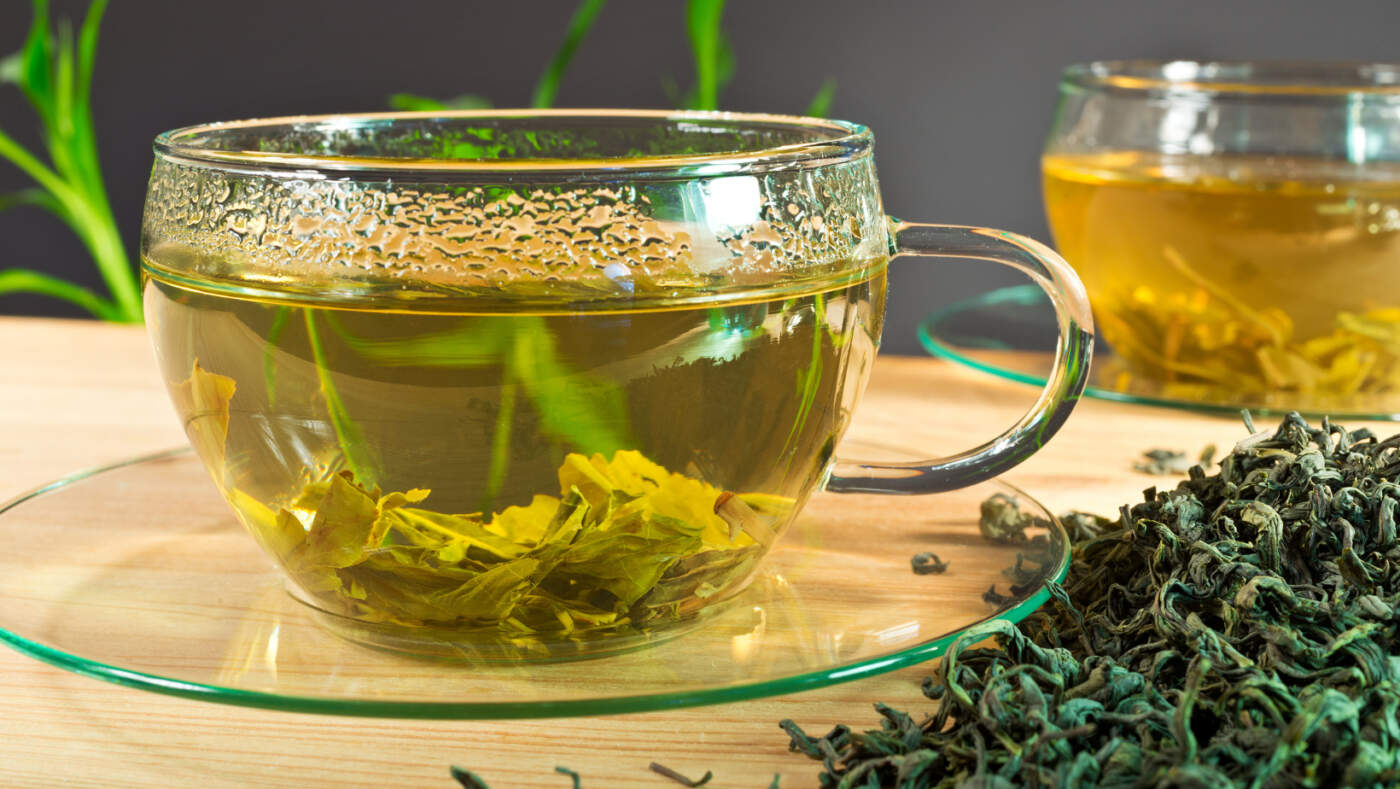

Green tea can help you lose weight by increasing fat oxidation, boosting resting metabolic rate, and reducing appetite, all through two active compounds: EGCG (epigallocatechin gallate) and caffeine.
A meta-analysis of 15 randomized controlled trials published in the International Journal of Obesity confirmed that green tea extract produced significantly greater weight and fat loss compared to placebo over 12 weeks.
The green tea weight loss effect is modest but measurable: an average of 0.2 to 3.5 kg additional fat loss when consumed consistently. This guide covers the specific benefits, best timing, proven recipes, types, dosage limits, and who should avoid it.
Benefits of Green Tea for Weight Loss
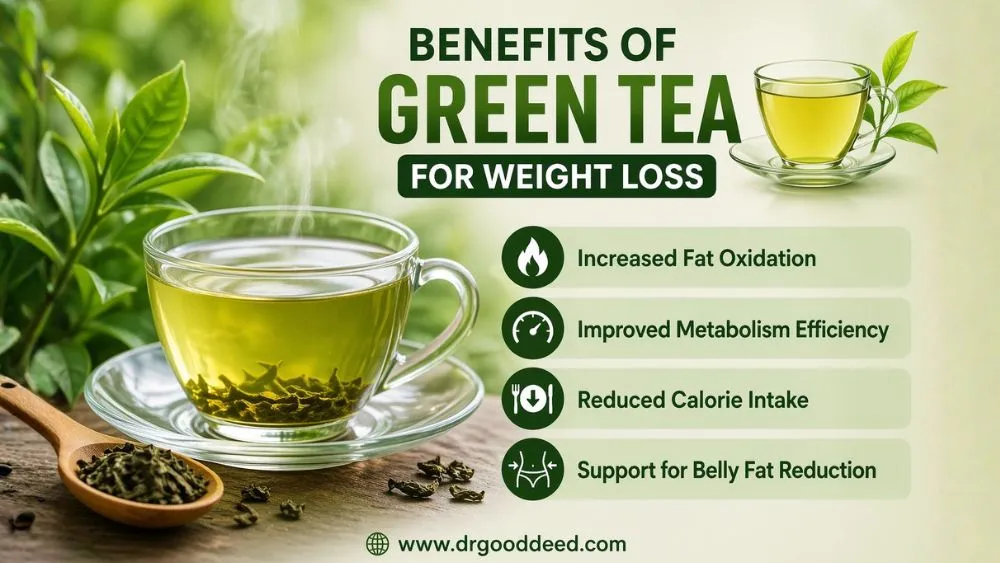
The benefits of green tea for weight loss are backed by multiple peer-reviewed studies, making it one of the few natural beverages with confirmed fat-loss mechanisms rather than just marketing claims.
Increased Fat Oxidation
EGCG inhibits an enzyme called catechol-O-methyltransferase (COMT), which normally breaks down norepinephrine. Higher norepinephrine signals fat cells to release stored fat into the bloodstream for use as energy. A study in the American Journal of Clinical Nutrition found that green tea can help you lose weight by increasing fat oxidation by 17% during moderate-intensity exercise compared to placebo.
Improved Metabolism Efficiency
Caffeine and EGCG together increase thermogenesis (heat production from calorie burning) by 4 to 5% over 24 hours. That translates to 80 to 100 extra calories burned per day for a 2,000-calorie diet. Alone, neither compound produces this effect at the same level. The combination is what makes green tea different from plain caffeine sources like coffee.
Reduced Calorie Intake
Green tea suppresses appetite through two pathways: it raises cholecystokinin (a fullness hormone) and reduces ghrelin (the hunger hormone). In a 2012 study in Obesity, subjects who consumed green tea extract before meals consumed 60 fewer calories per meal on average.
Support for Belly Fat Reduction
Research specifically targeting visceral fat, the deep abdominal fat linked to metabolic disease, showed that 12 weeks of green tea consumption reduced waist circumference by 2.2 cm more than placebo in a Journal of Functional Foods trial. The reduction is in visceral fat specifically, not subcutaneous fat, which matters because visceral fat drives insulin resistance and chronic inflammation.
Best Time to Drink Green Tea for Weight Loss
The best time to drink green tea for weight loss depends on the goal: fat oxidation, appetite suppression, or workout performance. Timing changes the metabolic outcome.
Morning vs. Evening
Morning consumption (within 30 to 60 minutes of waking) pairs green tea’s caffeine with naturally elevated cortisol, which amplifies the thermogenic effect. Evening green tea works for appetite suppression before dinner but disrupts sleep in caffeine-sensitive people due to its 25 to 40mg caffeine content. If green tea can help you lose weight is the goal, morning is the stronger window.
Before Workout vs. After Meals
Drinking green tea 30 to 60 minutes before exercise increases fat oxidation during the workout by up to 17%, as confirmed by the American Journal of Clinical Nutrition data. Drinking it after meals slows gastric emptying slightly, which reduces post-meal blood sugar spikes. Both timings work. Pre-workout has the stronger fat-burning effect.
Empty Stomach vs. After Food
On an empty stomach, EGCG absorbs 65% more efficiently than when taken with food, according to a pharmacokinetic study in the European Journal of Nutrition. However, some people experience nausea from green tea on an empty stomach. If that happens, drink it 30 minutes after a light meal. The absorption difference is real but manageable with a small amount of food.
Green Tea Recipes for Weight Loss
These green tea recipes for weight loss use specific additions that amplify the metabolic compounds already in green tea.
Lemon Green Tea Fat Loss Drink
Brew one cup of green tea at 80°C (not boiling, which destroys EGCG). Add 2 tablespoons of fresh lemon juice after it cools slightly. Vitamin C in lemon increases EGCG bioavailability by 13-fold, according to research from Purdue University. Drink 20 minutes before breakfast. Under 15 calories total.
Iced Green Tea with Mint
Brew 2 cups of green tea, cool, and refrigerate overnight. Add 8 to 10 fresh mint leaves and serve over ice. Rosmarinic acid in mint reduces inflammatory markers linked to obesity. This works as a mid-afternoon drink to suppress hunger between meals. Under 10 calories per serving.
Green Tea with Ginger for Metabolism
Brew one cup of green tea. Add 5 to 6 slices of fresh ginger and steep for 3 minutes. Gingerol in fresh ginger activates brown adipose tissue (fat-burning tissue) and increases thermogenesis independently of green tea’s EGCG. Combined, the two compounds produce a stronger thermogenic effect than either alone, confirmed by a 2019 European Journal of Nutrition meta-analysis.
Cinnamon Green Tea for Blood Sugar Control
Brew one cup of green tea. Add half a teaspoon of Ceylon cinnamon (not Cassia cinnamon, which has liver-toxic coumarin at high doses). Ceylon cinnamon reduces post-meal blood glucose spikes by 18 to 29% per a study in Diabetes Care. This recipe specifically targets the insulin spikes that promote belly fat storage.
Types of Green Tea for Weight Loss
Different types of weight loss green tea have different EGCG concentrations, which can affect fat-loss outcomes.
- Matcha: Ground whole green tea leaf. Contains 3 times more EGCG than brewed green tea. 1 teaspoon of matcha powder equals roughly 3 cups of standard green tea in EGCG content. The strongest option for fat oxidation
- Sencha: The most common type in the US. Moderate EGCG content. Smooth, grassy flavor. Good daily baseline option
- Gyokuro: Shade-grown Japanese green tea with high L-theanine content. L-theanine reduces cortisol-driven belly fat storage. More expensive but clinically stronger than Sencha
- Dragonwell (Longjing): Chinese green tea with a nuttier flavor. Moderate EGCG. Lower caffeine than Sencha. Good for evening use in caffeine-sensitive people
- Green tea extract (capsule): Standardized to 50% EGCG. Used in most clinical trials. More consistent than brewed tea. Effective but should be taken with food to avoid liver stress at high doses
Green Tea and Metabolism Boost
Green tea and metabolism boost research is more specific than most articles report. The effect is real, but it has a ceiling.
Thermogenesis and Calorie Burn
Green tea increases 24-hour energy expenditure by 4 to 5% in healthy adults. For someone burning 2,000 calories daily, that’s 80 to 100 extra calories burned without any change in activity. Over 30 days, that’s 2,400 to 3,000 extra calories burned, equivalent to approximately 0.7 lbs of fat. Small, but consistent and cumulative.
Synergy of Caffeine and Catechins
Caffeine alone increases metabolism by 3 to 4%. EGCG alone increases it by 1 to 2%. Together, they produce a 4 to 5% increase because EGCG prolongs the effect of caffeine by blocking COMT, the enzyme that clears caffeine from the system.
This synergy is unique to green tea. Decaffeinated green tea loses roughly 60% of its metabolic benefit because the EGCG-caffeine interaction breaks down
How Much Green Tea Should You Drink Per Day
The evidence-based dose for fat loss is 3 to 5 cups per day, providing 240 to 320mg of EGCG and 100 to 200mg of caffeine. The European Food Safety Authority (EFSA) confirmed in 2018 that 800mg EGCG per day from supplements raises safety concerns, but 3 to 5 cups of brewed tea stays well below that threshold.
Key dosage facts:
- One cup of brewed green tea delivers 50 to 100mg EGCG depending on steep time and water temperature
- 3 cups per day is the minimum dose confirmed to produce fat oxidation benefits in clinical trials
- 5 cups per day is the upper practical limit before caffeine-related side effects (insomnia, anxiety, elevated heart rate) become common
- Steep at 70 to 80°C for 2 to 3 minutes; boiling water degrades EGCG by up to 40%
Common Mistakes That Reduce Results
Most people who drink green tea daily don’t see weight loss results because of avoidable errors that reduce EGCG absorption or add calories that cancel the deficit.
Adding milk is the biggest mistake for losing weight. Casein proteins in dairy bind to EGCG and block absorption by up to 20%, confirmed by a study in the European Journal of Nutrition. Almond milk doesn’t have this effect because it lacks casein.
- Adding sugar or honey: One tablespoon of honey adds 64 calories and 17g sugar per cup. Over 3 cups, that’s 192 extra calories, which exceeds the metabolic benefit of the green tea entirely
- Drinking at boiling temperature: Water above 85°C degrades EGCG significantly. Always let boiled water cool for 3 to 4 minutes before steeping
- Using low-quality tea bags: Most mass-market tea bags contain tea dust (fannings) with lower EGCG content than loose leaf or high-quality bags. Brands like Harney & Sons, Ito En, and Yamamotoyama use full leaf
- Expecting results without a caloric deficit: Green tea can help you lose weight only as part of an overall caloric deficit. A green tea diet cannot overcome overeating; drinking 5 cups daily while overeating by 500 calories produces zero weight loss.
- For green tea extract for weight loss, avoid taking high-dose EGCG supplements on an empty stomach because they can raise liver enzyme levels.
Who Should Avoid Green Tea for Weight Loss
Green tea and metabolism boost effects come with contraindications that most blogs skip.
People with the following conditions should avoid or strictly limit green tea consumption for weight loss:
- Iron deficiency anemia: EGCG binds non-heme iron and reduces absorption by 25%. People with low iron should drink green tea between meals, never with iron-rich foods
- Anxiety disorders: Green tea’s 25 to 40mg caffeine per cup worsens anxiety symptoms in people with generalized anxiety disorder (GAD). Gyokuro or decaf versions are safer alternatives
- Liver disease: EGCG supplements above 400mg daily have been linked to drug-induced liver injury (DILI) in case reports reviewed by the National Institutes of Health. Brewed tea at 3 cups daily is safe, but high-dose supplements are not
- Pregnancy: Caffeine intake above 200mg daily is associated with increased miscarriage risk per WHO guidelines. Three cups of green tea delivers roughly 150mg caffeine, approaching this limit
- People on blood thinners (warfarin): Green tea’s vitamin K content can interfere with warfarin dosing and affect INR levels
FAQs
Does green tea really help in weight loss?
Yes. Green tea can help you lose weight through EGCG-driven fat oxidation and caffeine-driven thermogenesis. A 2009 meta-analysis in the International Journal of Obesity covering 1,945 participants confirmed green tea produced significantly greater weight loss than placebo. The average additional loss was 1.31 kg over 12 weeks without diet changes.
How long does green tea take to show results?
Green tea weight loss before and after changes are more realistically assessed over 8 to 12 weeks with consistent daily intake of 3 to 5 cups. A University of Geneva trial showed measurable increases in fat oxidation at week 3, but visible weight change (0.5 to 1.5 kg) appeared between weeks 8 and 12. Drinking it for 2 weeks and stopping shows no meaningful change on the scale.
Can green tea reduce belly fat?
Yes, specifically visceral fat. A 12-week trial in the Journal of Functional Foods confirmed 2.2 cm reduction in waist circumference with daily green tea consumption versus placebo. EGCG targets visceral fat (the dangerous abdominal fat around organs) more than subcutaneous fat, which is why waist measurement changes faster than scale weight.
Is it safe to drink green tea daily?
Yes, at 3 to 5 cups per day. The EFSA reviewed the safety data in 2018 and confirmed brewed green tea at this dose raises no safety concerns for healthy adults. Daily consumption for 12 months shows no adverse effects in clinical data. High-dose EGCG supplements (above 800mg) are a different matter and carry liver risk.
Can I drink green tea at night?
No, for most people. Green tea has 25 to 40mg caffeine per cup, which delays sleep onset by 10 to 20 minutes in average caffeine metabolizers, per sleep research published in the Journal of Clinical Sleep Medicine. If green tea can help you lose weight is the goal, drink the last cup no later than 4 to 5 hours before bedtime. Use decaf green tea at night if needed.
Does green tea work without exercise?
Yes, but the effect is smaller. EGCG increases fat oxidation at rest by 17% and during exercise by the same amount. Without exercise, the calorie-burning boost equals 80 to 100 calories per day. With 30 minutes of moderate exercise, the combined effect reaches 150 to 200 extra calories burned. Both scenarios produce real results; exercise amplifies them.
Which green tea is best for fat loss?
Matcha is the strongest option. It contains 3 times more EGCG per serving than standard brewed green tea because it uses the whole ground leaf instead of a steeped infusion. Among types of green tea for weight loss, matcha provides 137mg EGCG per gram of powder versus 50 to 100mg per brewed cup of Sencha.
Can green tea replace meals?
No. Green tea has under 5 calories per cup and zero protein, fat, or fiber. It cannot maintain muscle mass, support organ function, or provide the macronutrients the body needs for basic metabolism. Using it as a meal replacement causes muscle loss within 72 hours, which lowers resting metabolic rate and makes long-term fat loss harder.
Is matcha better than green tea for weight loss?
Yes. Matcha delivers 3 times more EGCG per serving than standard brewed green tea, meaning one cup of matcha equals roughly 3 cups of Sencha in fat oxidation potential. The benefits of green tea for weight loss scale with EGCG dose, making matcha the highest-impact option among all green tea types at equivalent serving sizes.
What happens if you drink too much green tea?
Above 5 cups per day, green tea causes caffeine toxicity symptoms: insomnia, rapid heart rate, headaches, and anxiety. High-dose EGCG from supplements (above 800mg daily) raises liver enzyme levels per EFSA 2018 data. Brewed tea at 6 to 8 cups daily in long-term studies shows elevated liver enzymes in 1 to 3% of participants. Stay within 5 cups.