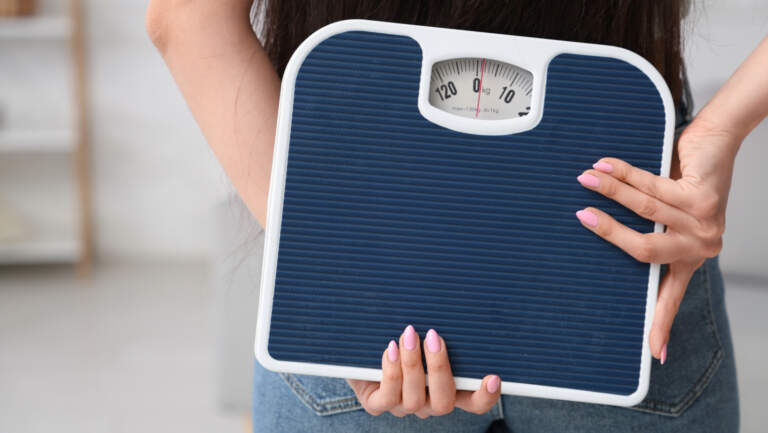

The best juice for weight loss is low in sugar, high in micronutrients, and consumed in controlled portions without replacing whole meals. According to the CDC, over 42% of American adults are obese, and diet choices, including beverage selection, directly affect caloric intake and metabolic function.
Fruit juices with added sugar spike insulin and promote fat storage. The right juices, specifically vegetable-forward, low-glycemic options, support fat oxidation without adding empty calories.
10 Best Juices for Weight Loss
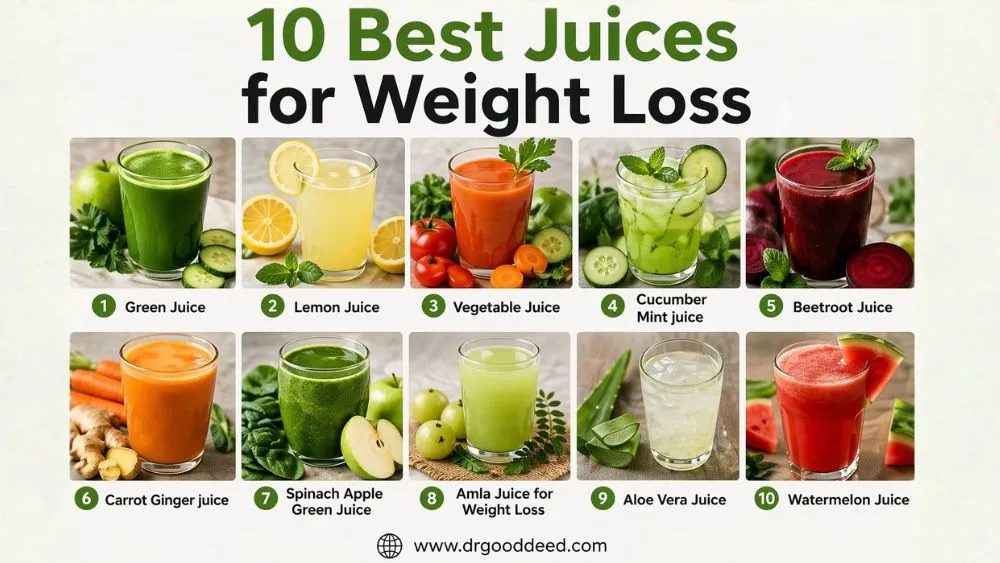
The weight loss contains under 100 calories per 8 oz serving, minimal added sugar, and at least one compound with a direct metabolic or appetite-suppressing effect. These 10 options meet that standard.
Green Juice for Weight Loss Recipe
The green juice for weight loss recipe that works: 1 cup spinach, half a cucumber, 1 celery stalk, half a green apple, 1 tablespoon lemon juice, and 1-inch ginger. Blend and strain. Total calories: under 80. Spinach provides thylakoids, compounds shown in a 2014 Appetite study to reduce hunger by 95% over 3 hours. The green apple adds natural sweetness without spiking blood sugar past a glycemic index of 38.
Lemon Juice for Fat Loss Morning Drink
The lemon juice for fat loss morning drink increases gastric acid production (which improves digestion and reduces bloating) and it delivers vitamin C, which research in the Journal of the American College of Nutrition links to lower body mass index in adults. Mix 2 tablespoons of fresh lemon juice in 250ml warm water. Drink it 20 minutes before breakfast. This is not a miracle drink. But the fasting-state timing amplifies its metabolic effect.
Vegetable Juice for Weight Loss Plan
A structured vegetable juice for weight loss plan uses 80% vegetables and 20% low-sugar fruit. Carrot, celery, cucumber, spinach, and beet form the base. This ratio keeps total sugar under 10g per 8 oz serving. Pure fruit juice averages 26g sugar per 8 oz. The difference in insulin response is significant, and sustained high insulin blocks fat-burning enzymes directly.
Cucumber Mint Detox Juice
Two cucumbers, 1 cup mint leaves, 1 lime, and 1 cup water. Blend and serve cold. Under 60 calories. Cucumbers are 96% water, which adds stomach volume without calories.
Mint contains rosmarinic acid, which reduces inflammatory markers linked to metabolic syndrome in overweight adults. This ranks as one of the strongest natural juices to burn fat because it combines volume, hydration, and anti-inflammatory compounds.
Beetroot Juice for Metabolism Boost
250ml of beet juice daily for 6 weeks reduced blood pressure and improved exercise efficiency by 16% in a study published in the Journal of Applied Physiology. Beets contain dietary nitrates that convert to nitric oxide in the body.
Nitric oxide widens blood vessels and improves oxygen delivery during exercise, which directly supports calorie-burning capacity. One cup of fresh beet juice has 13g natural sugar. Pair it with celery to dilute the sugar load.
Carrot Ginger Fat Burning Juice
Three medium carrots, 1-inch fresh ginger, and half a lemon. Juice and drink immediately. Ginger’s active compound, gingerol, increases thermogenesis (heat production from calorie burning) by activating brown adipose tissue. A 2019 meta-analysis in the European Journal of Nutrition confirmed ginger supplementation reduced body weight and waist-to-hip ratio in overweight adults. Carrot adds beta-carotene and fiber (if using a blender instead of juicer).
Spinach Apple Green Juice
1 cup spinach, 1 green apple, 1 celery stalk, half a cucumber. Calories: 85 per 8 oz. Spinach adds iron, magnesium, and folate. Green apple adds quercetin, a flavonoid that reduces fat cell formation in research published by the Journal of Nutritional Biochemistry. This is one of the easiest green juice for weight loss recipe variations to prepare under 5 minutes.
Amla Juice for Weight Loss
Indian gooseberry (amla) juice is one of the most underreported natural juices for burning fat in US nutrition content. 30ml of amla juice daily for 12 weeks reduced total cholesterol and blood sugar in a clinical trial published in the European Journal of Clinical Nutrition. Amla has one of the highest vitamin C concentrations of any fruit, 20 times higher than an orange. Dilute 2 tablespoons in 200ml water. It’s sour. That’s how you know it’s not cut with sugar.
Aloe Vera Juice for Digestion and Fat Loss
Pure aloe vera juice (inner leaf gel, not the whole leaf) improves gut transit time and reduces bloating. A 2013 study in the Journal of Research in Medical Sciences found aloe vera extract reduced body fat percentage and fasting blood glucose in overweight adults over 8 weeks. Drink 30ml diluted in 150ml water before meals. More than 60ml daily causes laxative effects. Stay within that range.
Watermelon Juice
Two cups of watermelon blended (not strained) gives 80 calories, 430mg potassium, and L-citrulline, an amino acid that reduces muscle soreness and supports post-workout recovery. The blended version keeps the fiber. The strained version removes it. For weight loss, blend and drink as-is. Watermelon’s glycemic load is low (5 per 120g) despite its high glycemic index, because the water content dilutes the sugar impact per serving.
Low Sugar Juices for Weight Management
Low sugar juices for weight management contain under 10g natural sugar per 8 oz serving and zero added sweeteners. This threshold keeps blood glucose below the insulin-spiking range associated with fat storage. Most store-bought “100% fruit juices” contain 22 to 36g sugar per 8 oz, equivalent to a can of soda in glycemic impact.
The lowest-sugar juice options for US adults managing weight:
- Cucumber juice: 3g sugar per 8 oz, 16 calories
- Celery juice: 5g sugar per 8 oz, 42 calories
- Spinach-lemon blend: 4g sugar per 8 oz, 35 calories
- Aloe vera diluted juice: 1g sugar per 8 oz (if unsweetened), 10 calories
- Beet-celery blend (50/50): 9g sugar per 8 oz, 55 calories
Pure beet juice and carrot juice alone cross the 10g threshold. Diluting them with cucumber or celery brings the sugar content down without reducing the active compounds that support fat metabolism.
Vegetable Juice for Weight Loss Plan
A structured vegetable juice for weight loss plan works as a supplement to meals, not a replacement. Research from Penn State confirms that consuming a low-calorie vegetable-based liquid before meals reduces total meal calorie intake by 12 to 20%. Used this way, one 8 oz serving of vegetable juice before lunch and dinner supports a consistent daily caloric deficit.
A 5-day vegetable juice plan for weight loss for US adults:
- Morning (fasting): Lemon ginger water (30 cal)
- Pre-lunch (20 min before): Spinach cucumber celery juice (45 cal)
- Pre-dinner (20 min before): Carrot beet blend, diluted 50/50 with water (55 cal)
- Evening (if hungry): Cucumber mint juice (35 cal)
Total juice calories per day: under 165. Combined with balanced meals, this plan creates a 300 to 500 calorie daily deficit for most adults without significant hunger.
Best Time to Drink Juice for Weight Loss
Timing changes how the best juice for weight loss performs in the body.
Morning vs. Evening Impact
Morning juice on an empty stomach delivers nutrients directly to the bloodstream without competing with food digestion. Lemon juice and aloe vera show strongest effects in fasting state. Evening vegetable juice, particularly cucumber-based, helps reduce late-night hunger without spiking blood sugar before sleep.
Pre-Workout vs. Empty Stomach
Beet juice works best 90 minutes before exercise. Research from Exeter University showed beet juice taken 90 minutes pre-workout increased exercise efficiency by 16% and time-to-exhaustion by 15%. On non-workout days, drinking it on an empty stomach in the morning still delivers the nitrate benefits but without the exercise amplification.
Lemon Water Timing Strategy
The lemon juice for fat loss morning drink delivers maximum benefit when consumed 20 to 30 minutes before breakfast. This window allows gastric acid stimulation to peak before food arrives, improving digestion and reducing post-meal bloating. Drinking it with breakfast neutralizes part of this effect.
Common Mistakes That Prevent Weight Loss
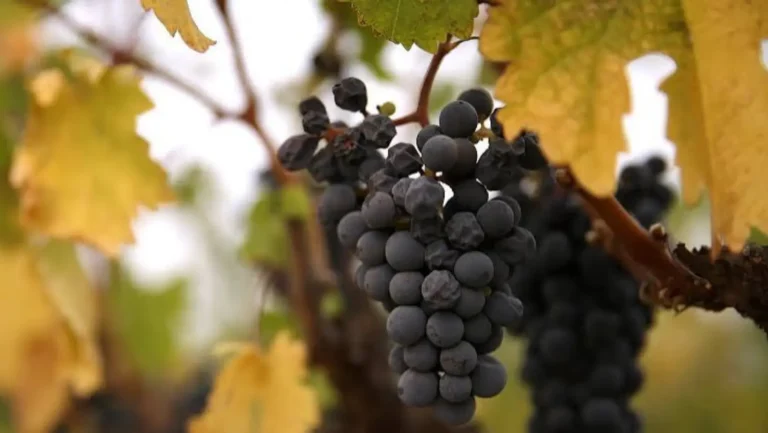
The biggest one is drinking fruit juice instead of vegetable juice. Orange juice, apple juice, and grape juice have the same sugar content per serving as sweetened beverages. The vitamins don’t offset the insulin impact.
- Juicing instead of blending: Juicing removes fiber, which reduces satiety and raises the glycemic response of every serving. Blending keeps fiber intact and improves fullness signals
- Using store-bought “cold-pressed” juice: Most cold-pressed juices marketed as healthy contain 28 to 42g sugar per bottle. Pressed Juicery’s “Green 3” contains 22g sugar per 16 oz. Always check the label
- Replacing meals with juice: Juice-only diets average under 800 calories per day, which drops metabolic rate within 72 hours and causes muscle loss, making long-term fat loss harder
- Not accounting for juice calories: 8 oz of carrot juice adds 94 calories. Drinking two servings plus meals pushes total intake above the daily target without the person realizing it
- Adding honey or agave to reduce bitterness: One tablespoon of honey adds 64 calories and 17g sugar, erasing the metabolic benefit of the entire vegetable blend
FAQs
Which juice is best for weight loss?
The best juice for weight loss is cucumber celery spinach blend, under 50 calories per 8 oz, with 3 to 5g sugar. It activates satiety hormones via thylakoids from spinach and keeps insulin flat. Drink it 20 minutes before meals for maximum appetite suppression. It outperforms lemon water for pre-meal hunger control.
Can I drink juice daily for fat loss?
Yes, if it’s vegetable-forward and under 100 calories per serving. Daily beet juice, cucumber spinach blends, and diluted aloe vera are safe long-term. Daily fruit juice is not. Orange, mango, or apple juice consumed daily raises fasting triglycerides within 3 weeks in adults, per research in the American Journal of Clinical Nutrition.
Is lemon juice effective for weight loss?
Yes, specifically as lemon juice for fat loss morning drink in warm water on an empty stomach. It improves gastric motility, reduces bloating, and provides vitamin C, which correlates with lower BMI. It burns zero fat on its own. It works by improving digestion and reducing water retention, which shows on the scale within 5 to 7 days.
Are vegetable juices better than fruit juices?
Yes. Vegetable juices average 40 to 60 calories per 8 oz with 3 to 8g sugar. Fruit juices average 110 to 130 calories with 22 to 36g sugar. The vitamin content is comparable. The insulin response is not. For weight loss, vegetable juice consistently outperforms fruit juice because it keeps blood glucose stable and avoids fat-storage triggering insulin spikes.
What is the lowest calorie juice?
Cucumber juice: 16 calories per 8 oz. Celery juice: 42 calories per 8 oz. Diluted aloe vera (30ml in 150ml water): 10 calories. These three are the lowest-calorie options among low-sugar juices for weight management with actual nutritional compounds that support fat metabolism.
Can juicing reduce belly fat?
Yes, indirectly. No juice burns visceral fat directly. Beet juice and ginger juice reduce inflammation and improve insulin sensitivity, which reduces the hormonal conditions that cause belly fat to accumulate. A 2019 meta-analysis confirmed ginger reduced waist circumference in overweight adults. The reduction takes 8 to 12 weeks of consistent intake combined with a caloric deficit.
How many times a day should I drink juice?
Two servings per day maximum for weight loss purposes. One before lunch that help you for loose fat and one before dinner works best for appetite control. More than two servings adds excess natural sugar and displaces whole food intake, which reduces fiber and protein consumption and makes maintaining a deficit harder.
Is green juice good for weight loss?
Yes. A green juice for weight loss recipe with spinach, cucumber, celery, and lemon reduces pre-meal hunger due to thylakoids and keeps sugar under 8g per serving. It works best when consumed 20 minutes before a meal. Drinking it after eating reduces its appetite-suppressing effect significantly.
Can juice replace meals for fat loss?
No. Juice lacks protein and sufficient fiber to replace a meal without triggering muscle loss. Juice-only diets drop metabolic rate within 72 hours as the body conserves energy. Registered dietitians at the Academy of Nutrition and Dietetics consistently advise against meal replacement juice protocols for sustainable fat loss.
What juice has the least sugar?
Cucumber juice has the least sugar at 3g per 8 oz. Celery juice follows at 5g. Diluted aloe vera (inner leaf, unsweetened) has 1g. Among the natural juices to burn fat listed in this guide, cucumber mint blend is the lowest-sugar option with measurable metabolic benefits from the anti-inflammatory compounds in mint.