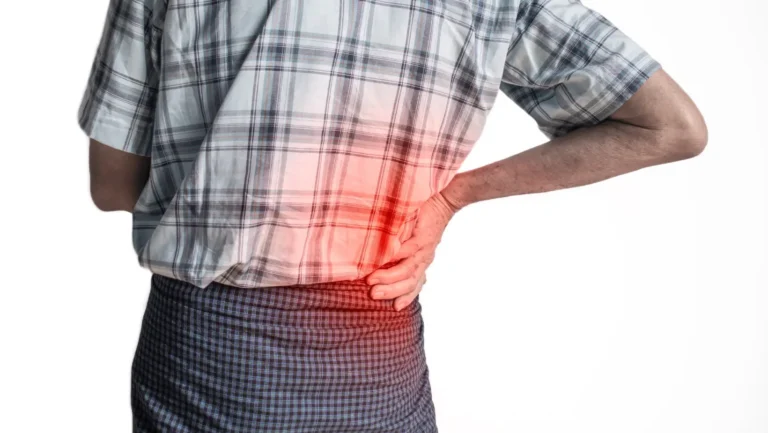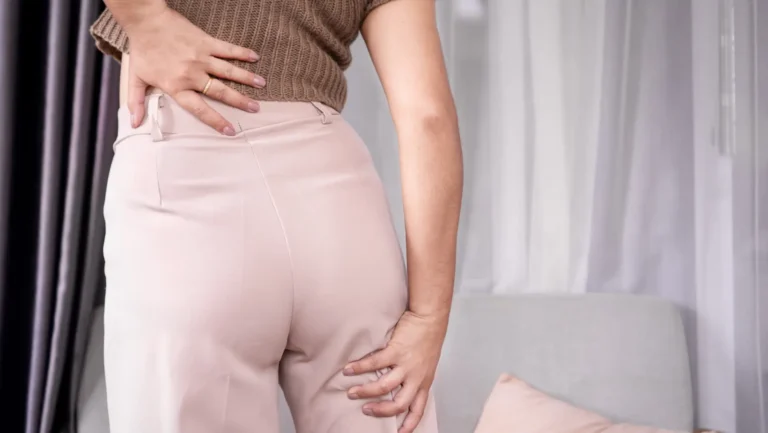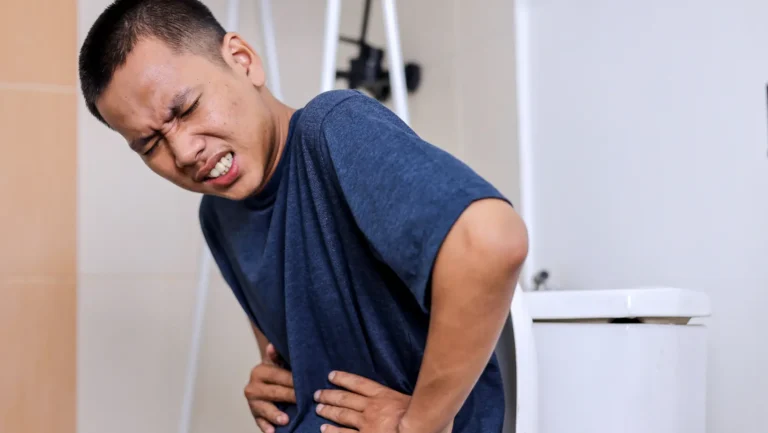

Back pain when breathing is a symptom that ranges from a minor muscle strain to a medical emergency requiring immediate care. Clinically, breathing-related back pain falls under two broad categories: musculoskeletal (muscles, ribs, joints) and visceral (lungs, heart, pleura).
According to the American Thoracic Society, pleuritic chest and back pain affects roughly 5% of emergency room presentations annually in the US. The cause determines everything about treatment.
Causes of Back Pain With Deep Breathing

The causes of back pain with deep breathing split into two groups: those that are physically uncomfortable but not dangerous, and those that require urgent medical attention. Knowing the difference matters.
Muscle Strain and Tension
The intercostal muscles (the muscles between each rib) and the erector spinae (muscles running alongside the spine) both move during breathing. When strained from poor posture, sudden movement, or overuse, these muscles produce sharp pain during inhalation because the rib cage expands and pulls on them with every breath.
This is the most common cause of back pain when breathing in otherwise healthy adults.
Rib or Joint Inflammation
Costochondritis is inflammation of the cartilage connecting ribs to the sternum. It produces sharp pain that worsens with deep breathing and can radiate to the back. The costovertebral joints (where ribs attach to the spine) can also inflame from repetitive strain or arthritis, producing localized back pain that spikes specifically during inhalation.
Lung Infections or Pleurisy
Pleurisy is inflammation of the pleura, the two-layered membrane surrounding the lungs. The pleura has pain receptors. When inflamed from infection, autoimmune disease, or irritation, it produces a sharp, stabbing pain in the chest or back that intensifies sharply during inhalation and eases when breathing is held. Pneumonia produces a similar pattern when the infection reaches the outer lung tissue near the pleura.
Poor Posture and Upper Back Stress
Forward head posture and rounded shoulders compress the thoracic spine and restrict rib cage expansion. The restricted expansion forces surrounding muscles to work harder with each breath, building chronic tension in the upper back. Over weeks, this tension produces pain that worsens specifically during deep breaths because that is when the restricted structures face maximum demand.
Pneumonia or Pleurisy
Community-acquired pneumonia affects 4 million Americans annually. Back pain from pneumonia appears when lower-lobe lung infection spreads to the adjacent pleura. The pain localizes to the lower back pain or mid-back on the affected side and increases sharply with coughing or deep inhalation. Fever, productive cough, and fatigue accompany it.
Pulmonary Embolism
A pulmonary embolism (PE) is a blood clot in the lung arteries. It produces sudden, sharp chest or upper back pain that worsens dramatically with breathing. PE is life-threatening.
The CDC reports that 100,000 to 300,000 Americans die from PE annually. If back pain when breathing appeared suddenly without injury, with no prior warning, PE requires immediate emergency evaluation.
Heart-Related Conditions
Pericarditis (inflammation of the sac around the heart) produces chest and upper back pain that worsens when lying flat and during deep inhalation. Aortic dissection, a tear in the main artery from the heart, produces severe tearing pain in the back that may worsen with breathing. Both require emergency care.
The diaphragm shares nerve pathways with the shoulder (phrenic nerve, C3-C5). Diaphragm irritation from sub-diaphragmatic abscesses, liver issues, or lung base infections produces referred pain in the right of upper-back that increases with breathing. This is regularly misdiagnosed as a musculoskeletal problem.
Pain in Back While Inhaling Explained
Pain in back while inhaling explained by mechanics. Inhalation is an active, muscular process. The diaphragm drops, the intercostal muscles pull the ribs outward, and the thoracic spine extends slightly. Any inflamed, strained, or compressed structure in this movement chain produces pain at the peak of inhalation when expansion is greatest.
Expansion of Chest Muscles During Breathing
Each deep inhale expands the rib cage by 2 to 3 inches in circumference. This expansion stretches the intercostal muscles, the costovertebral joint capsules, the pleura, and the thoracic paraspinal muscles simultaneously. A strained intercostal muscle that causes no pain at rest produces sharp pain the moment it is pulled taut by a deep breath.
Irritated Nerves or Inflamed Tissues
Nerve irritation from a thoracic disc herniation or shingles (herpes zoster) follows the path of individual intercostal nerves. The pain from these conditions wraps around the rib cage from back pain to front and intensifies with breathing because nerve tension increases during thoracic expansion. Shingles specifically produces burning, one-sided back and chest pain before any rash appears.
Tight Upper Back and Rib Muscles
The rhomboids, trapezius, and serratus posterior muscles all connect to the ribs and thoracic spine. Chronic tightness in any of these produces restricted rib movement and compensatory muscle overload during breathing. The tightest areas produce the sharpest inhalation pain because they resist the rib cage expansion that breathing requires.
Back Pain and Shortness of Breath Symptoms
Back pain and shortness of breath symptoms appearing together narrow the diagnosis significantly toward pulmonary or cardiac causes rather than musculoskeletal ones. Muscle strain does not cause shortness of breath.
Lung Infection Warning Signs
Seek medical evaluation if back pain when breathing appears alongside:
- Fever above 100.4°F
- Productive cough with yellow, green, or rust-colored mucus
- Pain localized to one side of the back, worsening with cough
- Night sweats and fatigue lasting more than 3 days
These are signs of pneumonia or pleuritis requiring antibiotic treatment.
Chest Tightness and Breathing Difficulty
Chest tightness combined with back pain and reduced breathing capacity points to pleural effusion (fluid around the lungs), pericarditis, or PE. Pleural effusion muffles breath sounds on one side and causes a sensation of pressure rather than sharp pain. This combination requires imaging (chest X-ray or CT scan) to diagnose.
When Breathing Pain Becomes Serious
Back pain and shortness of breath symptoms become a medical emergency when:
- Breathing pain appeared suddenly without injury
- Oxygen saturation drops below 95% (measurable with a pulse oximeter)
- Pain accompanies heart palpitations or fainting
- Lips or fingertips turn bluish
- Severe back pain appears after a long flight or extended bed rest (PE risk)
How to Relieve Back Pain When Breathing
Relieving back pain when breathing depends entirely on the cause. Musculoskeletal causes respond to physical treatment. Infectious or cardiac causes require medical treatment first.
Rest and Posture Correction
For muscle-related back pain when breathing, sit upright with the lumbar spine supported. Slouching compresses the rib cage from the front, forcing the posterior muscles to overwork during each breath. Sitting against a firm backrest with shoulders retracted reduces intercostal and thoracic paraspinal muscle load immediately.
Heat or Cold Therapy
Apply a heat pack to the affected area for 15 to 20 minutes, 3 times daily. Heat increases blood flow to the strained intercostal or paraspinal muscles, reducing spasm and improving tissue flexibility. Cold therapy (ice wrapped in cloth for 10 minutes) works better within the first 48 hours of an acute strain by reducing inflammation before heat is applied.
Gentle Stretching and Mobility Exercises
Thoracic rotation (seated, arms crossed over chest, rotating gently left and right) and thoracic extension over a foam roller decompress the costovertebral joints and restore rib mobility. Perform 8 to 10 gentle rotations per side, staying within a pain-free range. Forced stretching during active intercostal strain worsens the injury.
Stretches for Upper Back Breathing Pain
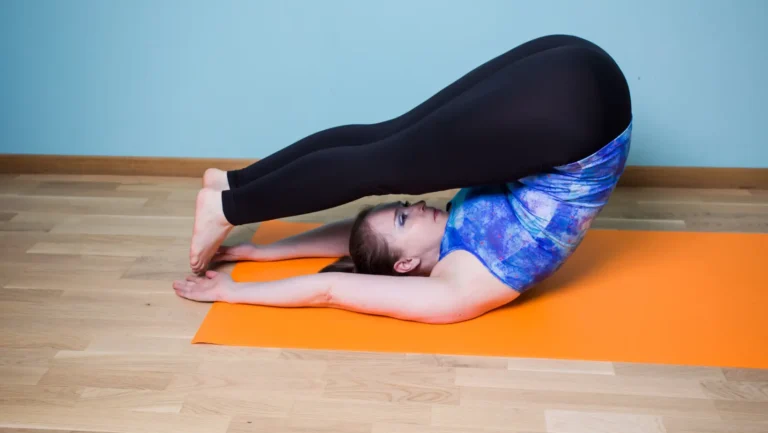
Stretches for upper back breathing pain target the thoracic spine and rib cage specifically, not the lumbar spine. Most generic back stretches miss the thoracic region where breathing-related pain originates.
Cat-Cow Stretch
On hands and knees, inhale while arching the back downward (Cow), then exhale while rounding upward (Cat). Perform 8 to 10 slow cycles.
- Moves each thoracic vertebral segment through flexion and extension
- Reduces costovertebral joint stiffness that limits rib expansion during breathing
- Coordinates spinal movement with breath, retraining the thoracic mobility needed for pain-free inhalation
Thoracic Spine Stretches
Foam roller thoracic extension: place a foam roller horizontally across the mid-back, support the head with hands, and gently extend backward over the roller. Hold 20 to 30 seconds. Move the roller 1 inch up and repeat. This technique opens the thoracic facet joints and rib articulations that restrict pain-free breathing.
Shoulder-Opening Mobility Exercises
Doorway chest stretch: stand in a doorway, place forearms on the door frame at 90 degrees, and lean gently forward until a stretch appears across the chest and front shoulders. Hold 30 seconds.
Rounded shoulders pull the thoracic spine into kyphosis, compressing the anterior rib cage and forcing the posterior thoracic muscles to overstretch during each breath. This stretch directly corrects that compression.
Breathing Techniques That Reduce Muscle Tension
Diaphragmatic Breathing
Place one hand on the chest, one on the belly. Inhale slowly, letting only the belly rise. Chest stays still. Exhale fully. Repeat for 5 minutes.
Diaphragmatic breathing reduces intercostal muscle workload by shifting breathing effort to the diaphragm, which does not attach to the ribs in a way that strains injured intercostal tissue. It also reduces thoracic paraspinal muscle tension within 3 to 5 minutes by activating the parasympathetic nervous system.
Slow Controlled Inhalation
Inhale through the nose for 4 counts, pause for 1 count, exhale for 6 counts. The slower inhalation reduces the speed and force of rib cage expansion, decreasing the stretch load on inflamed intercostal muscles. This technique produces measurable pain reduction during an active intercostal strain without requiring medication.
Relaxation-Focused Breathing Exercises
Pursed-lip breathing (inhale through the nose, exhale slowly through slightly pursed lips) maintains positive airway pressure during exhalation. This technique reduces the work of breathing, lowers respiratory rate from 16 to 20 breaths per minute to 8 to 10, and decreases muscle guarding in the thoracic region within 5 minutes of practice.
FAQs
Why does my upper back hurt more during deep breaths?
Deep breaths expand the rib cage 2 to 3 inches. This expansion pulls on every muscle, joint, and nerve attached to the thoracic spine and ribs. Strained intercostal muscles, inflamed costovertebral joints, and irritated pleura all produce pain specifically at maximum expansion, which only occurs during deep inhalation, not shallow breathing.
Can anxiety or stress cause pain while breathing deeply?
Yes. Anxiety triggers intercostal muscle tension and shifts breathing from diaphragmatic to chest-based. Chest breathing overloads the intercostal and scalene muscles, causing them to fatigue and spasm. This produces real, measurable upper back and rib pain during deep breathing that is entirely muscular in origin, with no structural damage present.
How do lung problems trigger back pain during inhalation?
The pleura (lung lining) contains pain receptors that activate when inflamed. Pleurisy, pneumonia, and PE irritate the pleura on the inner chest wall and diaphragm. These structures share nerve pathways with the mid and lower back. Back pain from lung issues appears on the same side as the lung problem and worsens sharply on inhalation.
Can poor posture affect breathing and upper back muscles?
Yes. Forward head posture reduces thoracic rib expansion by 15 to 30% during normal breathing. The posterior thoracic muscles compensate by working harder every breath cycle, accumulating fatigue-driven tension over hours. After 6 to 8 hours of slouching, this tension produces measurable upper back pain that worsens with any demand for deeper breathing.
Is sharp back pain while breathing always serious?
No. Most cases of back pain when breathing are intercostal muscle strain or costovertebral joint irritation, which are benign and resolve in 5 to 10 days. Sharp pain is serious when it appeared suddenly without injury, comes with fever above 100.4°F, causes shortness of breath, or follows a period of immobility. These patterns require emergency evaluation.
What sleeping position helps reduce upper back breathing pain?
Sleep on the unaffected side with a pillow between the knees and another pillow hugged against the chest. This position prevents the upper rib cage from collapsing toward the mattress, reducing pressure on inflamed intercostal muscles. Avoid lying flat on the back during acute pain since this flattens the thoracic curve and increases joint compression.
Can tight chest muscles cause pain in the back while inhaling?
Yes. The pectoralis minor muscle attaches to ribs 3, 4, and 5 at the front. When tight, it restricts anterior rib expansion during inhalation. The posterior thoracic muscles compensate with increased effort, producing upper back fatigue and pain. Tight pec minor is common in people who sit at computers for more than 6 hours daily.
How do you know if breathing-related back pain is muscular or lung-related?
Muscular: pain worsens with specific movements (twisting, arm lifting), stays in one spot, has no fever, and improves with rest and heat. Lung-related: pain appears consistently only with breathing regardless of body position, accompanies fever or cough, localizes to one side of the back, and does not improve with physical rest or heat application.
Does stretching help relieve pain caused by deep breathing?
Yes, for musculoskeletal causes. Thoracic foam roller extension and doorway chest stretches reduce costovertebral joint stiffness and intercostal tightness within a single session. However, stretching during active pleurisy or pneumonia worsens pain by increasing rib movement against inflamed pleural tissue. Confirm a musculoskeletal cause before using stretching as a treatment.
When should breathing-related back pain become an emergency?
Call emergency services immediately if back pain when breathing appears suddenly without injury, breathing becomes labored or rapid above 20 breaths per minute, oxygen saturation drops below 95%, pain spreads to the jaw or left arm, or the skin turns pale or bluish. These signs indicate PE, aortic dissection, or cardiac emergency requiring immediate intervention.