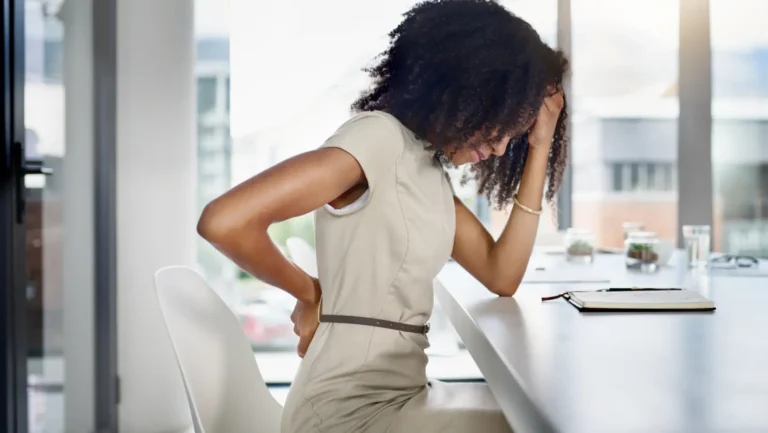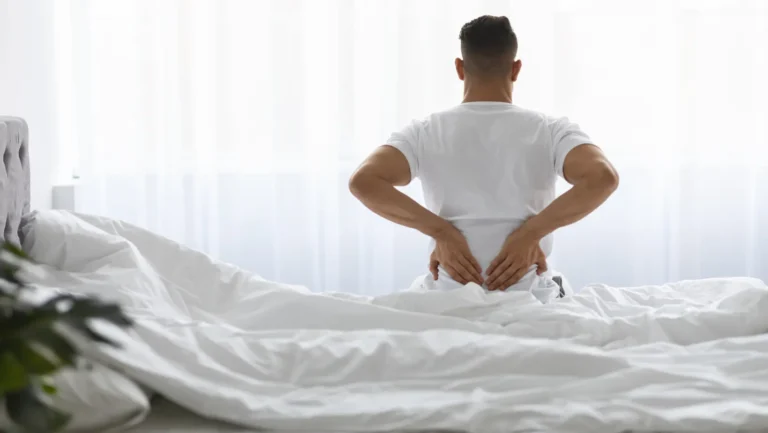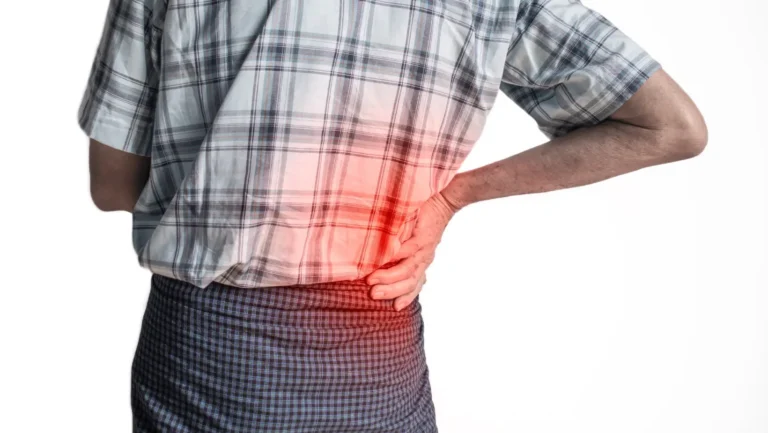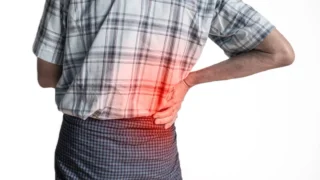

Lower back pain during your period is a normal part of menstruation for roughly 50 to 80% of women, according to the American College of Obstetricians and Gynecologists. It is driven primarily by prostaglandins, hormone-like chemicals the uterus releases to trigger contractions during menstruation.
These contractions radiate pain into the lower back through shared nerve pathways in the lumbar and sacral spine. When the pain is severe, disabling, or worsening each cycle, it signals conditions like endometriosis or adenomyosis that require clinical evaluation.
Why back pain during periods

The causes of lower back pain during menstruation are hormonal, mechanical, and sometimes structural. Most cases are normal. Some are not.
Prostaglandins Triggering Uterine Contractions
Prostaglandins are chemicals the uterine lining produces to signal the uterus to shed. High prostaglandin levels cause stronger, more frequent uterine contractions. These contractions restrict blood flow to the uterus, triggering the same type of pain as a muscle cramp from oxygen deprivation.
Women with dysmenorrhea (painful periods) produce measurably higher prostaglandin levels than those without pain.
Pain Radiating From Pelvic Muscles
The uterus shares nerve fibers with the lower back through the hypogastric plexus (a nerve network in the pelvis). When the uterus contracts intensely, pain signals travel along these shared pathways and register in the lumbar spine. This is referred pain. The back is not injured. It is receiving pain signals that originate in the uterus.
Hormonal Changes Affecting Nerves and Muscles
Estrogen and progesterone drop sharply in the days before and during menstruation. This hormonal drop increases the sensitivity of pain receptors across the pelvic region, including the lower back. Relaxin, a hormone that loosens ligaments during the luteal phase, also destabilizes the sacroiliac joint slightly, contributing to lower back aching in the days surrounding menstruation.
Normal Menstrual Cramps
Primary dysmenorrhea (period pain without an underlying condition) affects up to 80% of women at some point. It begins within hours of the period starting and typically peaks on day 1 or 2. The back pain that accompanies it is dull, consistent, and mirrors uterine contraction intensity.
Endometriosis or Adenomyosis
In endometriosis, uterine tissue grows outside the uterus, often on the sacral ligaments and pelvic floor. When these deposits bleed during menstruation, they cause severe lower back and pelvic pain that often exceeds what normal prostaglandin levels explain.
Adenomyosis (uterine tissue growing into the uterine muscle wall) causes deep, heavy cramping with significant lower back involvement. Both conditions produce pain that worsens each cycle and does not respond adequately to standard pain relief.
Pelvic Inflammation and Muscle Tension
Pelvic inflammatory disease (PID) and pelvic floor muscle dysfunction both produce lower back pain that intensifies during menstruation. The pelvic floor muscles run from the pubic bone to the tailbone and support the uterus and bladder. These muscles tense reflexively in response to uterine cramping, adding muscular back pain on top of the referred uterine pain.
The piriformis muscle (deep in the buttock) attaches near the sacrum and tightens during heavy menstrual flow from reflex pelvic guarding. This produces sciatic-like pain running from the lower back into the buttock and thigh during menstruation, which many women mistake for nerve damage rather than a treatable muscle response.
Back Pain With Heavy Menstrual Bleeding
Back pain with heavy menstrual bleeding is more than a bad period. It suggests specific hormonal or structural causes that produce both excess bleeding and stronger back pain together.
Increased Uterine Contractions
Heavy bleeding requires stronger uterine contractions to expel a thicker uterine lining and larger clots. Stronger contractions mean higher prostaglandin concentrations. Higher prostaglandins produce more intense lower back pain. Women who consistently soak more than one pad or tampon per hour for 2 or more hours have clinically heavy menstrual flow (menorrhagia) by ACOG standards.
Hormonal Imbalance and Inflammation
Estrogen dominance (excess estrogen relative to progesterone) thickens the uterine lining beyond normal levels. The body produces more prostaglandins to shed a thicker lining, increasing both blood volume and pain intensity. This pattern is common in perimenopause and in women with polycystic ovary syndrome (PCOS).
Conditions Linked With Severe Bleeding and Pain
- Uterine fibroids: non-cancerous growths that increase bleeding volume and uterine contraction intensity
- Adenomyosis: thickens the uterine wall, increasing contraction force needed for shedding
- Endometriosis: causes inflammation in the pelvic cavity, amplifying pain signals
- Copper IUD: increases prostaglandin production in some users, worsening both bleeding and back pain
What Period-Related Back Pain Feels Like
When your lower back hurts during period days, the pattern can help distinguish menstrual pain from kidney pain, sciatica, or injury.
Dull Aching Pain
Back pain before period typically begins 1 to 2 days before bleeding starts and peaks during the heaviest bleeding days. It feels similar to a muscle strain but correlates precisely with the cycle, not with physical activity.
Cramping Pressure in the Lower Back
Some women experience waves of cramping pressure in the sacral region (the flat triangular bone at the base of the spine) that coincide with uterine contractions. These waves last 30 to 90 seconds and occur every few minutes during heavy flow, matching the contraction cycle of the uterus.
Pain Spreading to Hips or Thighs
Prostaglandin-driven pain regularly spreads from the lower back into the hips and front of the thighs through the same referred pain mechanism. This radiation follows the distribution of the femoral and obturator nerves, not the sciatic nerve, distinguishing period pain from true sciatica.
How to Relieve Lower Back Pain During Period
Period back pain relief requires addressing both the prostaglandin-driven uterine pain and the secondary muscle tension it produces.
Gentle Stretching and Movement
- Child’s Pose: decompresses the lumbar spine and reduces uterine pressure sensation; hold 1 to 2 minutes
- Supine Knee-to-Chest: stretches the piriformis and releases sacral tension; hold 30 seconds per side
- Cat-Cow: reduces lumbar stiffness and gently mobilizes the sacroiliac joint; 8 to 10 slow cycles
Movement reduces prostaglandin buildup by increasing blood flow to the pelvic region. A 20-minute walk during menstruation can support back pain during period relief by improving blood flow and reducing pain.
Anti-Inflammatory Pain Relief Methods
Ibuprofen (an NSAID) reduces prostaglandin production directly, not just pain perception. Taking 400 mg of ibuprofen at the onset of cramping, before pain peaks, provides better control than waiting until pain is severe. Research from the Cochrane Database confirms NSAIDs are more effective for menstrual pain than acetaminophen because of this prostaglandin-blocking mechanism.
Rest and Posture Support
Sleep in the fetal position with a pillow between the knees. This reduces sacroiliac joint stress and takes compressive load off the lower lumbar spine during sleep. Avoid sitting for more than 60 consecutive minutes during heavy flow days. Standing and gentle walking every hour reduces back pain the pelvic floor muscle guarding that worsens back pain.
Heating Pad for Menstrual Back Pain
A heating pad for menstrual back pain produces measurable pain relief through a specific physiological mechanism.
How Heat Relaxes Muscles
Heat at 104°F activates thermoreceptors in the skin and underlying muscle. These receptors block pain signal transmission at the spinal cord level (the gate control theory of pain).
Heat also dilates blood vessels in the uterus and lower back muscles, increasing blood flow and reducing the ischemic (oxygen-deprived) cramping that prostaglandins cause. A 2001 study in Obstetrics and Gynecology found that continuous low-level heat therapy reduced menstrual pain as effectively as ibuprofen over a 48-hour period.
Best Way to Use Heating Pads Safely
Apply a heat pack to the lower back or lower abdomen at 104°F to 113°F. Use for 15 to 20 minutes per session, up to 3 times daily. Always place a cloth layer between the skin and heating pad to prevent burns. Wearable heat patches (single-use adhesive pads) provide consistent low-level heat for 8 to 12 hours during active daily routines.
Heat Therapy vs Cold Therapy
| Feature | Heat Therapy | Cold Therapy |
| Best for | Muscle spasm, cramping, ongoing ache | Acute inflammation, first 48 hours of injury |
| Mechanism | Dilates blood vessels, blocks pain signals | Reduces swelling, numbs pain receptors |
| When to use | During menstruation for cramping back pain | Not typically used for period-related pain |
| Duration | 15 to 20 minutes per session | 10 minutes per session |
Heat is the standard first-line choice for lower back pain during your period. Cold therapy does not address the prostaglandin-driven muscle spasm mechanism.
Lifestyle Habits That May Reduce Menstrual Back Pain
Regular Exercise and Mobility
Women who exercise regularly (150 minutes of moderate activity per week) produce lower baseline prostaglandin levels than sedentary women. Regular aerobic exercise also increases endorphin production, which reduces pain sensitivity. This effect builds over 2 to 3 menstrual cycles of consistent training.
Stress Reduction and Sleep Quality
Cortisol increases prostaglandin sensitivity. High-stress months consistently produce worse menstrual pain in women with primary dysmenorrhea. Sleep below 6 hours per night raises cortisol and increases uterine contraction intensity. Prioritizing 7 to 8 hours of sleep in the week before menstruation measurably reduces cramping severity in the following days.
Anti-Inflammatory Diet Choices
- Omega-3 fatty acids (salmon, flaxseeds, walnuts): reduce prostaglandin E2 production, directly lowering uterine contraction intensity
- Magnesium (pumpkin seeds, dark chocolate, spinach): reduces uterine muscle spasm and has clinical backing from a 2017 European Journal of Obstetrics and Gynecology trial showing reduced dysmenorrhea pain scores
- Reduce trans fats and refined sugar: both increase systemic inflammation and prostaglandin production
- Reduce caffeine in the 5 days before menstruation: caffeine constricts blood vessels, worsening ischemic uterine cramping
Conditions That Can Mimic Menstrual Back Pain
Not all lower back pain that occurs during a period is actually period-related. Three conditions produce back pain that coincides with menstruation for different reasons.
Kidney or Urinary Issues
Kidney stones and urinary tract infections (UTIs) produce lower back and flank pain. UTIs are more common during menstruation because hormonal changes alter urinary tract bacteria.
Kidney pain typically sits higher in the back (above the hip bones), radiates to the side and groin, and may accompany changes in urination frequency or color. Period pain sits lower and follows the cycle without urinary symptoms.
Sciatic Nerve Irritation
Sciatica from a lumbar disc herniation produces back pain that radiates down one leg below the knee. Period pain may radiate into both thighs but does not travel below the knee and does not follow a single leg. If lower back pain shoots down one leg during menstruation, a lumbar disc issue may be present alongside or independent of the cycle.
Gastrointestinal Problems
Prostaglandins affect intestinal smooth muscle as well as uterine muscle. Many women experience diarrhea, bloating, and cramping during menstruation from this effect. Irritable bowel syndrome (IBS) flares during menstruation in roughly 50% of women with IBS, producing lower abdominal and back pain that is difficult to distinguish from uterine pain. IBS pain shifts with bowel movements; uterine pain does not.
FAQs
Why does period pain spread to the lower back and legs?
The uterus shares nerve pathways with the lumbar spine through the hypogastric plexus. When prostaglandins trigger intense uterine contractions, pain signals travel along these shared nerves and register in the lower back pain and upper thighs. The femoral and obturator nerve distributions explain thigh radiation; true sciatica does not cause this bilateral pattern.
Can hormonal imbalance worsen menstrual back pain?
Yes. Estrogen dominance increases uterine lining thickness, requiring higher prostaglandin output to shed it. Higher prostaglandins produce stronger contractions and more severe back pain. Low progesterone in the luteal phase worsens this imbalance. Women with PCOS and perimenopause experience this pattern most consistently due to irregular ovulation.
Is severe lower back pain during periods a sign of endometriosis?
Severe lower back pain during your period that worsens each cycle, does not respond to ibuprofen, and begins 1 to 2 days before bleeding suggests endometriosis. Endometrial deposits on sacral ligaments bleed during menstruation, causing deep, burning sacral pain. Diagnosis requires laparoscopy; ultrasound misses most endometriosis cases.
How long does menstrual back pain usually last?
Primary dysmenorrhea back pain starts 1 to 2 days before bleeding and typically resolves within 48 to 72 hours of the period starting, as prostaglandin levels drop after peak flow. Pain lasting beyond day 3 or 4 of the cycle, or pain persisting through the entire period, suggests adenomyosis or endometriosis rather than normal dysmenorrhea.
Does physical activity help reduce period-related back pain?
Yes. Twenty minutes of moderate aerobic activity (walking or light cycling) during menstruation increases beta-endorphin release and improves pelvic blood flow, reducing prostaglandin buildup. A 2018 Journal of Education and Health Promotion study confirmed regular exercise reduced dysmenorrhea pain scores by 30% compared to sedentary women over 3 menstrual cycles.
Can dehydration make menstrual cramps and back pain worse?
Yes. Dehydration causes uterine muscle cramping to intensify because fluid-deprived muscles fatigue faster and produce stronger, less controlled contractions. Prostaglandins also concentrate in a dehydrated state. Drinking 2 to 2.5 liters of water daily during menstruation measurably reduces cramping intensity compared to drinking under 1.5 liters.
What sleeping position helps with menstrual lower back pain?
Sleep in the fetal position (on the side with knees bent toward the chest) with a pillow between the knees. This position reduces sacroiliac joint compression and decreases mechanical stress on the lumbar spine. It also slightly reduces intra-abdominal pressure, taking load off the uterus. Avoid sleeping on the stomach; it increases lumbar extension and worsens cramping.
Are heating pads effective for relaxing menstrual muscle cramps?
Yes. A heating pad for menstrual back pain at 104°F blocks pain signal transmission via thermoreceptors and dilates uterine blood vessels, reducing ischemic cramping. A clinical trial published in Obstetrics and Gynecology confirmed continuous low-level heat therapy matched ibuprofen in pain reduction over 48 hours. Use for 15 to 20 minutes, up to 3 sessions daily.
How do you know if period back pain is abnormal?
Abnormal signs include: pain starting more than 2 days before bleeding, pain that does not improve with ibuprofen 400 mg, pain requiring absence from work or school, pain worsening with each cycle rather than staying consistent, or lower back pain during your period accompanied by pain during sex or between periods. Any of these warrants gynecological evaluation.
When should painful periods be medically evaluated?
Seek evaluation if periods cause lower back pain during your period severe enough to disrupt daily function for more than 2 days per cycle, if over-the-counter NSAIDs provide no relief, if heavy bleeding soaks more than one pad per hour for 2 hours consecutively, or if pain has worsened progressively over 3 or more cycles. These patterns indicate endometriosis, adenomyosis, or fibroids requiring diagnosis.