

Tips to keep your gut healthy in summer means drinking enough water, eating meals on time, choosing light foods, and adding probiotics like yogurt to your daily routine. Summer heat slows digestion, disrupts gut bacteria, and raises the risk of acidity, bloating, and food infections. Small daily changes protect your gut and keep your energy steady all season.
Summer affects digestion more than most people realize. When temperatures rise, your body sweats heavily, which pulls water away from the digestive system. The gut’s beneficial bacteria (tiny microorganisms that help break down food) are sensitive to heat, dehydration, and irregular eating. That combination explains why stomach troubles spike between May and August, especially across warmer regions.
Why Gut Health Gets Affected in Summer
Summer is harder on your gut than any other season. Heat, dehydration, and changes in eating patterns all hit at once.
Dehydration Slowing Digestion
Your digestive system needs water to move food through your intestines. Heavy sweating in summer depletes that water fast. Without it, stool becomes hard and dry. Your intestines slow down. Waste sits longer inside the gut, which causes bloating, discomfort, and constipation. Even mild dehydration, losing just 1–2% of body water, slows digestion noticeably.
Heat Affecting Gut Bacteria Balance
Your gut holds trillions of bacteria called the gut microbiome. This microbiome keeps digestion smooth, supports immunity, and even affects mood. High temperatures and poor hydration shift this balance. Harmful bacteria multiply faster in heat. Beneficial bacteria like Lactobacillus and Bifidobacterium drop in number when you are dehydrated or heat-stressed. This imbalance is called dysbiosis (dis-by-OH-sis), meaning gut bacteria are out of ratio. It leads to gas, loose stools, or constipation.
Poor Eating Habits in Summer
Many people skip meals when it is hot because appetite drops. Others reach for street food, cold snacks, or sugary drinks to cool down. Poor eating habits in summer are one of the biggest gut health triggers of the season.
Cold drinks alongside hot meals disrupt stomach acid and slow digestion. Eating at irregular times throws off your gut’s internal clock, which controls when digestive enzymes are released.
Healthy Habits for Gut Health in Summer

Healthy habits for gut health in summer start small. Consistent, simple changes work better than a sudden diet overhaul.
Drinking Enough Water Daily
Aim for 2.5 to 3.5 liters of water daily during summer, more if you exercise outside. Coconut water is especially useful because it replaces electrolytes (minerals like sodium and potassium) lost through sweat.
Electrolytes help intestinal muscles contract properly to push food along. Avoid drinking large amounts of water right during meals; it dilutes stomach acid and slows digestion.
Eating Meals on Time
Your gut runs on a schedule. Digestive enzymes and stomach acid release based on when you typically eat. Skipping lunch and eating a heavy dinner confuses this rhythm. Bile, a digestive fluid made in your liver, works best when meals arrive at predictable times. Sticking to fixed meal windows, even in summer when appetite drops, keeps your digestive cycle steady.
Staying Physically Active
Even a 20-minute walk after meals speeds up gastric emptying (the rate at which your stomach pushes food into the intestine). Exercise stimulates gut motility, which is the muscle movement that moves food through your digestive tract.
Light activity like yoga or a slow post-dinner walk reduces bloating and acidity. Intense exercise during peak heat, though, diverts blood away from the gut and causes cramps.
Best Foods for Gut Health in Summer
Best foods for gut health in summer are those that hydrate, cool the gut lining, and feed beneficial bacteria.
Yogurt and Probiotic Foods
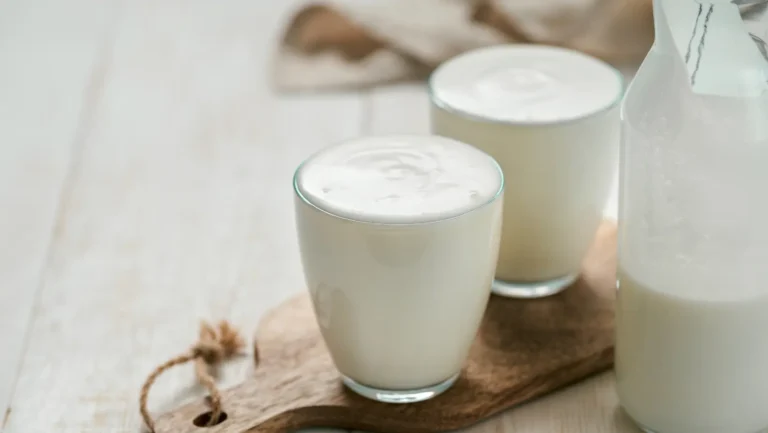
Plain yogurt contains live cultures of Lactobacillus bacteria. These replenish the bacteria lost due to heat and irregular eating. Buttermilk for gut health (diluted yogurt) is gentler on the stomach and absorbs faster.
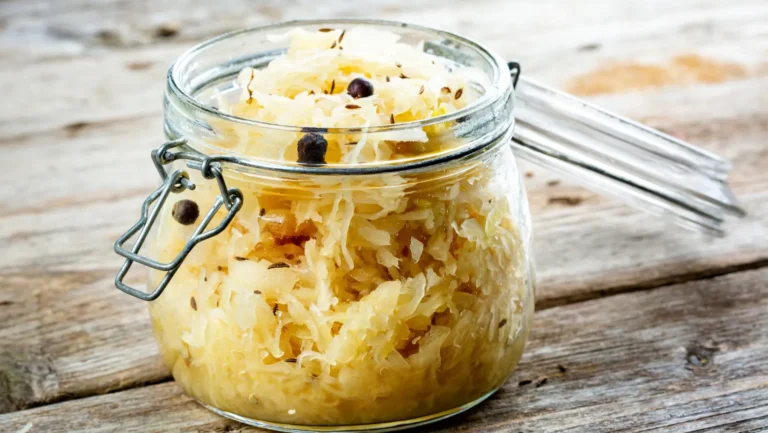
Fermented foods like idli, dosa (fermented rice batter), and kanji (fermented rice water, traditional in South India) are excellent choices. Kefir, a fermented milk drink, is another strong option. Have one probiotic food daily with lunch rather than dinner for better absorption.
Hydrating Fruits and Vegetables
Cucumber (96% water), watermelon (92% water), and bottle gourd are among the most hydrating options available in summer. These keep the intestinal lining moist and lower constipation risk. Raw mango in small amounts supports gut bacteria. Slightly underripe banana contains resistant starch, a type of fiber that feeds beneficial gut bacteria. Avoid overripe fruit in summer because the high sugar content ferments quickly in the gut and causes gas.
Fiber-Rich Whole Foods
Gut bacteria feed on dietary fiber. Without enough, they starve and produce fewer protective compounds. Oats, lentils, mung beans, and whole grains are good summer choices because they cook light.
Soluble fiber (found in oats and lentils) absorbs water and forms a gel, which softens stool. Most people only reach about half the recommended 25–38 grams of daily fiber, and that gap shows in summer digestion problems.
How to Maintain Gut Health in Hot Weather
Maintain gut health in hot weather depends on meal size, meal type, and timing, not just food choices.
Avoiding Heavy and Oily Meals
Fatty, oily meals slow gastric emptying significantly. When food lingers in the stomach during summer heat, the risk of acid reflux (when stomach acid flows back into the throat) rises.
Your body also produces more internal heat breaking down fat compared to carbohydrates. Switch from deep-fried snacks to steamed, boiled, or lightly sautéed options during peak summer months.
Eating Smaller Frequent Meals
Three large meals increase the digestive workload at each sitting. In summer, your body is already working to cool itself down. Smaller meals, eaten four to five times a day, spread that workload evenly. Each meal should be roughly the size of your two fists combined. This approach also keeps blood sugar stable, which cuts cravings for sugary cold drinks that harm gut bacteria.
Choosing Easy-to-Digest Foods
Rice, cooked vegetables, lentil soups, and bananas are easier to process than raw salads, cruciferous vegetables (broccoli, cabbage), or red meat. Raw foods require more stomach acid and enzyme activity. In summer, when digestive capacity drops slightly from heat, sticking to cooked, soft foods prevents unnecessary gut stress from May through August.
Improving Bowel Movements in Summer
Improving bowel movements in summer requires consistent hydration, fiber intake, and meal timing, not laxatives.
Increasing Fiber Intake
Add 1 tablespoon of soaked flaxseeds or 1 teaspoon of psyllium husk (isabgol) to a glass of water every morning. Both form a mucilage (a thick gel-like substance) that lubricates the intestinal walls and makes stool easier to pass. A daily kiwi fruit reduces constipation more effectively than many over-the-counter laxatives, based on multiple clinical trials across adult populations.
Staying Hydrated
Fiber only works paired with enough water. Without water, fiber hardens stool instead of softening it. Drink a full glass of water on an empty stomach first thing in the morning. This triggers the gastrocolic reflex (a nerve signal that tells your colon to contract), prompting a bowel movement within 20 to 30 minutes. It is one of the most overlooked yet effective habits.
Maintaining Regular Meal Timing
Irregular meal timing disrupts the migrating motor complex (MMC), your gut’s built-in cleaning wave that runs between meals. The MMC sweeps undigested food and bacteria through the intestines, preventing buildup and bloating. Skipping breakfast stalls this process and causes fermentation (gas and bloating) before lunch even arrives.
Poor Eating Habits in Summer That Harm Gut Health
Poor eating habits in summer are easy to fall into when it is hot outside. These specific patterns cause the most gut damage.
Skipping Meals
When you skip meals, stomach acid builds up with no food to neutralize it. Burning and acidity follow. Over time, this also reduces the diversity of your gut microbiome, because bacteria need a steady supply of varied nutrients to stay diverse and functional.
Excess Junk and Street Food
Street food and packaged snacks contain high sodium, refined flour, and preservatives. Refined flour (maida) specifically feeds harmful gut bacteria over beneficial ones. Excess sodium pulls water out of the colon, which leads to hard stools. Bacterial contamination in street food also rises sharply when temperatures cross 30°C (86°F), because pathogens multiply faster in warm, humid conditions.
Overeating Late at Night
Gut digestion slows significantly after 9 PM. Eating large meals late causes food to ferment rather than digest, producing gas, bloating, and acid reflux by morning. A light dinner before 8 PM gives your gut enough time to process food before your body enters its resting state.
Common Summer Gut Problems
Acidity and Bloating
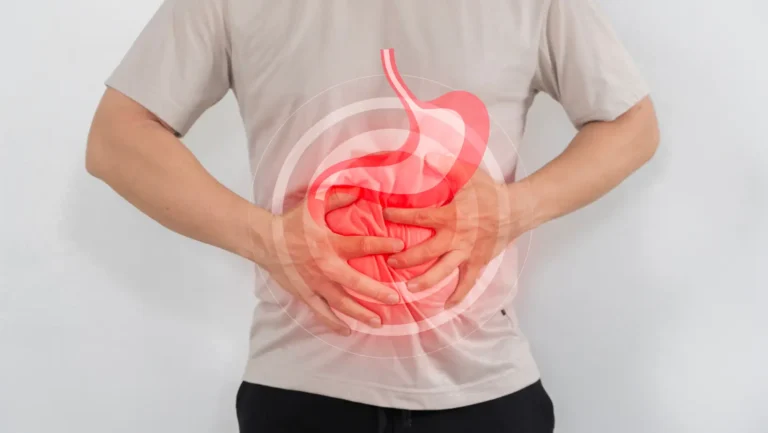
Acidity spikes in summer because dehydration concentrates stomach acid. Irregular meals disrupt the acid regulation cycle further. Bloating usually results from dysbiosis triggered by poor hydration and overripe or fermented foods eaten in excess.
Constipation
Constipation in summer is almost always linked to low water intake. Your colon absorbs water from waste before passing it out. When your body is dehydrated overall, your colon extracts even more water from stool, making it dry and difficult to pass. The fix is consistent water intake throughout the day, not just at meals.
Food Infections and Diarrhea
Bacterial contamination in food increases sharply above 30°C. Salmonella, E. coli, and Staphylococcus aureus grow rapidly in improperly stored food. Reheating food without reaching 75°C internally does not kill all bacteria. Food infections cause loose stools, cramps, and dehydration, which further stresses an already heat-burdened gut.
FAQs
Why Do Bowel Movements Change During Hot Weather?
Heat dehydrates the colon, making stool harder and slower to pass. It also shifts gut bacteria balance, reducing motility (gut muscle movement). Tips to keep your gut healthy in summer include drinking 2.5L+ daily and eating fiber-rich foods to counter this seasonal change.
Can Dehydration Affect Digestion and Gut Bacteria?
Yes. Even 1–2% dehydration drops Lactobacillus levels and reduces digestive enzyme output. Improving bowel movements in summer starts with consistent hydration throughout the day, not just when you feel thirsty, since thirst signals often lag behind actual dehydration.
Which Fruits Are Best for Maintaining Gut Health in Summer?
Watermelon, kiwi, cucumber, and slightly underripe banana are the top choices. Kiwi softens stool faster than most fiber supplements. Watermelon replenishes fluids and contains lycopene, which reduces gut wall inflammation (swelling of the intestinal lining).
Is Curd or Buttermilk Better for Digestion in Summer?
Buttermilk is better. It is lighter, absorbs faster, and traditional recipes include cumin and ginger, both of which actively stimulate digestive enzymes. Plain curd is heavier and works better as part of a meal rather than as a standalone drink in heat.
How Does Irregular Eating Affect Gut Health?
It stalls the migrating motor complex (MMC), your gut’s natural cleaning cycle between meals. Waste builds up, bacteria ferment it, and gas forms. Healthy habits for gut health in summer require eating at fixed times daily to keep this cycle running.
What Are Signs of Poor Gut Health During Summer?
Bloating after most meals, loose stools more than twice daily, hard stools fewer than three times a week, persistent acidity, and unusual fatigue after eating. These signal gut bacteria imbalance or slowed digestion.
Can Heat Increase Bloating and Acidity?
Yes. Heat reduces stomach motility and concentrates stomach acid. Maintaining gut health in hot weather means avoiding oily meals, eating on time, and drinking water between meals rather than during meals to avoid acid dilution.
How Often Should You Eat for Healthy Digestion in Summer?
Four to five small meals spaced 3 to 4 hours apart works better than three large ones. This keeps stomach acid balanced and prevents the hunger-then-overeating cycle that leads to gas and bloating.
What Foods Should Be Avoided to Prevent Digestive Discomfort?
Avoid deep-fried food, refined flour products, excess raw cruciferous vegetables, overripe fruit, and cold carbonated drinks with meals. These poor eating habits in summer are the most common reasons people experience gut problems between May and August.
Can Improving Gut Health Boost Energy Levels in Summer?
Yes. A healthy gut absorbs B vitamins, iron, and magnesium more efficiently. These nutrients directly fuel energy production at the cellular level. When gut bacteria are balanced, heat-related fatigue drops noticeably within 2 to 3 weeks of consistent changes. Best foods for gut health in summer like yogurt, oats, and hydrating fruits support this directly.