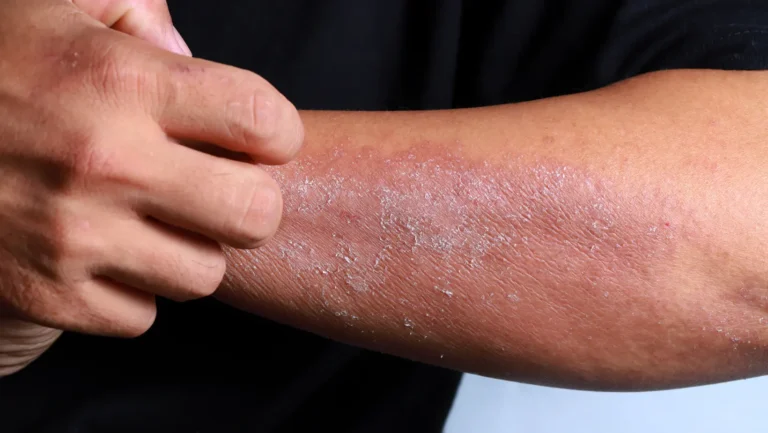

Neuropathy in the feet symptoms include tingling, burning sensations, numbness, and sharp stabbing pains that typically start in the toes before spreading upward. These warning signs indicate nerve damage affecting the peripheral nervous system, most commonly caused by diabetes, vitamin deficiencies, or chronic conditions that disrupt blood flow to nerve endings.
Recognizing neuropathy in feet symptoms early gives you the best chance of slowing progression and preventing serious complications like wounds, infections, or mobility loss. About 20 million Americans experience some form of peripheral nerve damage, with feet being the most commonly affected area because nerve fibers farthest from the spine are most vulnerable to damage.
What Is Peripheral Neuropathy?
Peripheral neuropathy means damage to the network of nerves outside your brain and spinal cord. These peripheral nerves form a communication system carrying messages between your central nervous system and every other part of your body. When working properly, they relay sensory information to your brain and carry instructions from your brain to your muscles. Your feet rely heavily on these nerve signals for normal function.
Peripheral Nerves and Their Function
Three types of peripheral nerves serve your feet.
- Sensory nerves detect temperature, pain, texture, and pressure when you touch something or walk across different surfaces.
- Motor nerves control muscle movement, allowing you to wiggle your toes, flex your foot, or push off the ground when walking.
- Autonomic nerves regulate functions you don’t consciously control, like sweating and blood flow to maintain healthy skin and tissue.
Each nerve fiber has a protective coating called myelin sheath, similar to insulation around electrical wires. This coating helps signals travel quickly and efficiently. Nerve damage can affect the myelin sheath, the nerve fiber itself, or both. Once damaged, nerves struggle to transmit signals properly, creating the range of symptoms people experience.
How Nerve Damage Affects the Feet
Damaged nerves in your feet send incorrect signals or stop sending signals altogether. You might feel pain when nothing is actually hurting you, or feel nothing when you should feel pain. Your brain receives confused messages about what’s happening at your feet, making it harder to walk safely, maintain balance, or detect problems like cuts or blisters.
Blood vessels surrounding nerve fibers supply oxygen and nutrients nerves need to function. When circulation problems reduce blood flow, nerve tissue doesn’t get adequate nourishment, leading to progressive damage. This explains why conditions affecting blood vessels, like diabetes, frequently cause foot neuropathy.
Why Symptoms Often Begin in the Toes First
Neuropathy in feet symptoms start in the toes because the longest nerve fibers in your body are most vulnerable to damage. The farther the nerve is away from your spine, the harder it becomes to maintain the connection.
Nerve signals must travel considerable distances from your lower spine all the way down to your toes. This extended pathway makes them more susceptible to circulation problems, toxic damage from high blood sugar, vitamin deficiencies, or compression injuries.
Once toe nerves begin deteriorating, damage gradually moves up into the foot and potentially into the lower leg, following a pattern doctors call “stocking distribution” because it mimics where socks cover your legs.
Signs of Peripheral Neuropathy in Feet
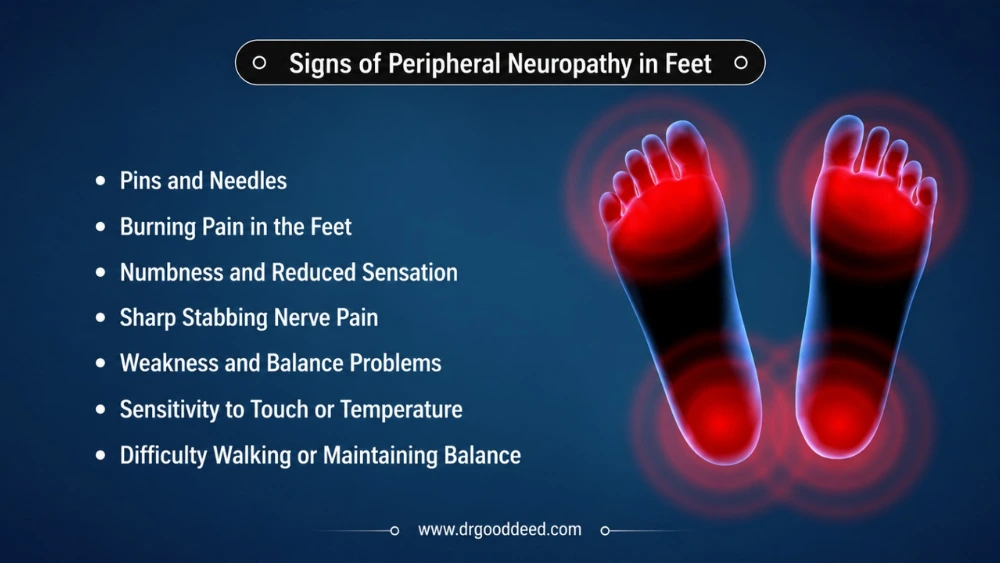
Signs of peripheral neuropathy in feet vary widely based on which nerve types are affected and how far the damage has progressed. Most people experience a combination of symptoms rather than just one isolated problem.
Tingling and “Pins and Needles” Sensations
Tingling typically appears as one of the earliest symptoms of neuropathy in feet. It feels like pins and needles pricking your skin, similar to when your foot “falls asleep” but lasting much longer. This sensation, called paresthesia, happens because damaged nerves fire signals erratically.
You might notice tingling after sitting with legs crossed, during rest periods, or while trying to sleep at night. Unlike temporary nerve compression from sitting wrong, neuropathy-related tingling persists or returns frequently. Some people describe it as a buzzing or vibrating feeling under the skin.
Burning Pain in the Feet
Burning sensations create intense discomfort that many describe as feeling like their feet are on fire or sitting too close to a heater. This symptom of nerve damage in feet often intensifies at night, disrupting sleep. The burning may be constant or come in waves.
Your sheets touching your feet might feel unbearable, and you may find yourself throwing off blankets or hanging your feet outside the covers seeking relief. This happens because damaged sensory nerves misinterpret normal touch signals as painful stimuli.
Numbness and Reduced Sensation
Numbness means losing the ability to feel normal sensations. Your feet might feel thick, heavy, or wrapped in layers of padding. You could walk across rough surfaces without noticing texture differences or step on small objects without feeling them.
This reduced sensation is particularly dangerous. You might not notice blisters forming from ill-fitting shoes, minor cuts from stepping on something sharp, or burns from testing bath water that’s too hot.
Sharp Stabbing Nerve Pain
Sudden, sharp pains shoot through your feet like electric shocks or knife stabs. These episodes can occur randomly or be triggered by movement, pressure, or even light touch. The pain intensity varies but can be severe enough to stop you in your tracks.
Weakness and Balance Problems
Motor nerve damage reduces muscle strength in your feet and lower legs. You might notice difficulty standing on your toes, trouble lifting the front of your foot (called foot drop), or general weakness when walking. Small muscles controlling your toes may weaken, changing how your foot looks.
Symptoms of Nerve Damage in Feet
Symptoms of nerve damage in feet extend beyond pain and tingling to include unusual sensory experiences and physical changes affecting daily activities.
Sensitivity to Touch or Temperature
Damaged nerves create hypersensitivity called allodynia, where normally painless stimuli cause discomfort. Light touches like bedsheets against your feet might feel painful. Temperature sensitivity also changes. You might feel extreme cold even in warm environments or have trouble distinguishing between hot and cold water.
Feeling Like Socks Are Bunched Under the Feet
Many people describe a persistent sensation of wrinkled socks or bunched fabric under their feet, even when barefoot. This phantom feeling results from confused sensory signals. Your nerves are reporting pressure or texture that isn’t actually there.
This symptom can be maddening because you keep checking your feet or adjusting your shoes trying to fix a problem that doesn’t physically exist. The sensation originates from nerve malfunction rather than any real object.
Difficulty Walking or Maintaining Balance
Walking requires constant feedback from foot nerves about ground contact, pressure distribution, and position. When nerves stop providing accurate information, your brain struggles to coordinate movement properly. You might shuffle your feet, walk more slowly, or need to watch your feet while walking.
Muscle Weakness and Foot Instability
Progressive motor nerve damage weakens muscles controlling foot and toe movement. Your arch might flatten, toes might curl into claw-like positions, or the foot structure itself might change shape. These changes affect how your weight distributes when standing and walking.
Nerve Compression Causing Foot Numbness
Nerve compression causing foot numbness occurs when physical pressure on nerve pathways restricts signal transmission and blood flow to nerve tissue. This can happen at multiple points between your spine and feet, creating numbness patterns that help identify where compression is occurring.
Tarsal tunnel syndrome, similar to carpal tunnel in the wrist, traps the tibial nerve as it passes through a narrow space behind your ankle bone, causing numbness, tingling, and pain spreading into the sole and toes.
Compression can develop from several mechanisms:
- Bone spurs or arthritis narrowing spaces where nerves travel
- Swelling from injury or inflammation pressing on nerves
- Prolonged sitting or leg positions reducing blood flow
- Tight footwear or compression garments creating external pressure
- Herniated discs in the lower spine pinching nerve roots before they reach legs
- Tumors or cysts growing near nerve pathways
Identifying compression-related numbness matters because addressing the pressure source can restore normal nerve function before permanent damage occurs, unlike metabolic or toxic nerve damage that progresses even after removing the cause.
Common Causes of Neuropathy in Feet
Understanding what causes neuropathy in feet helps you address the underlying problem rather than just managing symptoms.
Diabetes and High Blood Sugar Damage
Diabetes causes roughly half of all peripheral neuropathy cases. Consistently elevated blood sugar levels damage nerve fibers and the blood vessels supplying them through several mechanisms. Excess glucose creates harmful byproducts that accumulate in nerve tissue. High sugar levels also damage small blood vessels, reducing oxygen and nutrient delivery to nerves.
Vitamin B12 Deficiency and Nerve Health
Vitamin B12 is essential for maintaining the myelin sheath protecting nerve fibers. Without adequate B12, this protective coating deteriorates, disrupting signal transmission.
Vegans and vegetarians face higher risk because B12 comes primarily from animal products. People over 50 also absorb B12 less efficiently as stomach acid production decreases with age.
Alcohol Use and Nutritional Deficiencies
Heavy alcohol consumption damages nerves both directly through toxic effects and indirectly by causing nutritional deficiencies. Alcohol interferes with how your body absorbs and uses thiamine (vitamin B1) and other B vitamins critical for nerve health. It also damages liver function, affecting nutrient processing throughout your body.
Autoimmune and Inflammatory Conditions
Autoimmune diseases occur when your immune system mistakenly attacks healthy tissue, including nerve tissue. Conditions like lupus, rheumatoid arthritis, Sjögren’s syndrome, and Guillain-Barré syndrome can all cause peripheral neuropathy. Chronic Inflammatory Demyelinating Polyneuropathy specifically targets the myelin sheath around nerves.
These conditions create inflammation damaging nerves directly or attack the blood vessels supplying nerves. Symptoms can develop rapidly in acute autoimmune attacks or gradually with chronic conditions.
Poor Circulation and Vascular Disease
Blood vessels must deliver oxygen and nutrients to nerve tissue continuously. Peripheral artery disease narrows blood vessels in the legs and feet, reducing circulation. This oxygen deprivation slowly damages nerve fibers, particularly the longest ones reaching your toes.
Risk factors for vascular neuropathy include smoking, high blood pressure, high cholesterol, and diabetes. Cold feet, color changes in skin, and slower wound healing often accompany nerve symptoms when circulation problems are the cause.
How Neuropathy Symptoms Progress
Neuropathy in feet symptoms typically follow a predictable progression pattern, though the timeline varies considerably between individuals based on the underlying cause and how aggressively it’s treated.
Mild Tingling and Occasional Numbness
Early-stage neuropathy produces intermittent symptoms that come and go. You might notice tingling after certain activities, temporary numbness that resolves quickly, or mild discomfort you can easily ignore. At this stage, nerve damage is minimal and potentially reversible with proper treatment.
Increasing Pain and Sensory Loss
As damage advances, symptoms become more constant and intense. Tingling turns into persistent burning or stabbing pain. Numbness expands from toes into the entire foot. You might need pain medication to sleep or function normally. Temperature sensation decreases noticeably, making it difficult to judge safe water temperatures.
This stage indicates significant nerve fiber loss. While treatment can prevent further damage, reversing existing nerve injury becomes harder.
Reduced Coordination and Muscle Weakness
Progressive motor nerve damage creates visible weakness and coordination problems. You might trip more frequently, feel unsteady on stairs, or notice your gait changing. Muscle wasting might become visible in your feet and lower legs. Simple tasks like buttoning shoes or walking on uneven ground become challenging.
Falls become a real concern at this stage because your brain can’t properly coordinate movement without accurate sensory feedback. Using assistive devices like canes and focusing on home safety modifications helps maintain independence while reducing injury risk.
Long-Term Nerve Damage Complications
Advanced neuropathy creates serious complications affecting quality of life and health. Complete sensory loss means you can’t feel injuries at all. Severe weakness may make walking impossible without assistance. Chronic pain might not respond well to medications. Autonomic nerve damage affects sweating, blood pressure regulation, and digestion.
At this stage, preventing complications like foot ulcers, infections, and amputations becomes the primary focus. Some nerve damage becomes permanent once it reaches this severity level, making early treatment critically important.
How to Treat Neuropathy in Feet
Treating neuropathy in feet depends on identifying and addressing the underlying cause while managing symptoms and preventing complications.
Managing Underlying Medical Conditions
The most important step involves treating whatever is damaging your nerves. Controlling diabetes through medication, diet, and lifestyle changes protects remaining nerve function. Correcting vitamin deficiencies with supplements or dietary changes allows nerves to repair. Treating autoimmune conditions with immune-suppressing medications reduces inflammation attacking nerves.
Blood Sugar Control and Nerve Protection
For diabetic neuropathy, tight blood sugar control is non-negotiable. Keeping glucose levels within target ranges dramatically slows nerve damage progression. This means monitoring blood sugar regularly, taking medications as prescribed, following meal plans, staying physically active, and maintaining healthy weight.
Research shows that reducing average blood sugar by just one percentage point on the A1C test significantly decreases neuropathy risk and slowing progression in existing cases.
Medications for Nerve Pain Relief
Several medication classes treat neuropathic pain when lifestyle measures aren’t sufficient. Certain antidepressants like duloxetine and amitriptyline affect pain signal processing in your brain and spinal cord. Anti-seizure medications including gabapentin and pregabalin calm overactive nerves. Topical treatments like capsaicin cream or lidocaine patches provide localized relief.
Doctors typically start with one medication at a low dose, gradually increasing until finding effective relief with tolerable side effects. Over-the-counter pain relievers like ibuprofen generally don’t work well for nerve pain.
Physical Therapy and Mobility Support
Physical therapy helps maintain strength, improve balance, and develop strategies for safer movement despite nerve damage. Therapists teach exercises targeting weak muscles, balance training reducing fall risk, and gait training improving walking patterns. They might recommend assistive devices like ankle braces, special shoes, or canes.
Lifestyle Changes Improving Nerve Health
Several lifestyle modifications support nerve health. Regular moderate exercise improves circulation, delivering more oxygen and nutrients to nerve tissue. Avoiding alcohol prevents toxic nerve damage. Not smoking protects blood vessels supplying nerves. Eating a balanced diet rich in B vitamins, antioxidants, and healthy fats provides nutrients nerves need.
Exercises and Foot Care for Neuropathy
Exercises and foot care for neuropathy form essential components of managing nerve damage and preventing complications. Consistent attention to foot health becomes increasingly important as sensation decreases.
Stretching and Circulation Exercises
Gentle stretching maintains flexibility in foot and leg muscles, preventing contractures that can develop when weakness causes muscles to shorten. Ankle circles, toe spreads, and calf stretches should be done daily. These movements also promote circulation, bringing oxygen-rich blood to nerve tissue.
Simple exercises like sitting and alternating between pointing toes down and pulling them up work the calf muscles and improve blood flow. Moving ankles in complete circles in both directions keeps joints mobile. Spreading toes apart and holding briefly strengthens small foot muscles.
Balance Exercises Reducing Fall Risk
Balance training is crucial because neuropathy affects proprioception (your sense of body position). Standing on one foot for increasing durations, walking heel-to-toe in a straight line, and using balance boards all improve stability. Start with support nearby, gradually progressing to more challenging variations.
Proper Footwear and Foot Protection
Shoes become your first line of defense against injury when you can’t feel pain warnings. Wear properly fitted shoes with plenty of room in the toe box, good arch support, and cushioned soles. Avoid pointed toes, high heels, or shoes with seams that might rub. Always check inside shoes for foreign objects before wearing them.
Never walk barefoot, even indoors. Even minor injuries that healthy people wouldn’t notice can become serious problems when you can’t feel them. Wear shoes with closed toes and heels for maximum protection. Replace worn shoes before they lose cushioning or support.
Daily Foot Inspection and Skin Care
Examine your feet thoroughly every single day, looking for cuts, blisters, redness, swelling, or any changes. Use a mirror to check bottoms and between toes if you can’t see well. Report any problems to your doctor promptly before they become infected.
Wash feet daily with lukewarm water and mild soap, drying carefully between toes. Apply moisturizing lotion to prevent dry, cracked skin that can become entry points for infection, but avoid putting lotion between toes where moisture promotes fungal growth. Trim toenails straight across, not too short, or have a podiatrist do it if you have vision or flexibility problems.
Lifestyle Habits That May Worsen Neuropathy
Certain behaviors accelerate nerve damage or make neuropathy in feet symptoms harder to manage. Recognizing and changing these habits slows progression and improves quality of life.
Poor Blood Sugar Management
Inconsistent blood sugar control is the single biggest factor accelerating diabetic neuropathy. Skipping medications, ignoring diet recommendations, or not monitoring glucose levels allows continued nerve damage. Even occasional high blood sugar spikes damage nerves cumulatively over time.
Smoking and Reduced Circulation
Smoking damages blood vessels throughout your body, including the small vessels supplying nerves in your feet. Nicotine causes blood vessels to constrict, reducing blood flow. Smoking also increases inflammation and interferes with wound healing, raising infection risk when injuries do occur.
Sedentary Lifestyle and Muscle Weakness
Physical inactivity worsens neuropathy through multiple mechanisms. It reduces circulation to extremities, allows muscles to weaken further, promotes weight gain increasing diabetes risk, and eliminates the nerve-protective benefits of regular movement. Sitting for long periods can also compress nerves, adding mechanical damage to existing problems.
Regular physical activity doesn’t need to be intense. Walking, swimming, cycling, or any moderate activity for 30 minutes most days provides significant benefits. Movement helps control blood sugar, improves circulation, maintains muscle strength, and directly protects nerve health.
Alcohol Overuse and Nutritional Imbalance
Continued alcohol consumption with existing neuropathy guarantees worsening symptoms. Alcohol is directly toxic to nerves and interferes with absorption of B vitamins essential for nerve health. It also promotes dehydration and inflammation, creating a hostile environment for nerve tissue.
Complications of Untreated Foot Neuropathy
Ignoring neuropathy in feet symptoms or failing to protect numb feet creates serious complications affecting health and independence. Advanced sensory loss means you cannot detect problems developing until they become severe medical emergencies.
Foot ulcers rank among the most dangerous complications, starting as minor breaks in skin that go unnoticed and progress into deep wounds exposing muscle, tendon, or bone. Without pain signaling damage, these wounds often become infected before treatment begins.
Key complications include:
- Infections spreading rapidly: Bacteria entering through unnoticed wounds can cause cellulitis, bone infections, or even sepsis requiring hospitalization and intravenous antibiotics
- Charcot foot: Bones weaken and fracture without you feeling it, causing foot deformities that change weight distribution and make walking increasingly difficult or impossible
- Amputation: Severe infections that don’t respond to antibiotics or tissue death from inadequate blood flow sometimes require removing toes, part of the foot, or the entire lower leg
- Repeated falls and fractures: Balance problems and muscle weakness lead to falls causing broken bones, head injuries, or loss of independence
- Chronic disability: Advanced neuropathy can make walking, standing, or maintaining employment impossible, significantly reducing quality of life
Preventing these complications requires daily foot inspections, immediate treatment of any injuries no matter how minor they appear, regular medical monitoring, and strict adherence to treatment plans addressing underlying causes.
FAQs
What Are the Earliest Symptoms of Neuropathy in the Feet?
Tingling sensations in your toes, especially at night, typically appear first. You might also notice occasional numbness or unusual sensitivity when your feet touch bedsheets. These intermittent symptoms come and go initially before becoming constant.
Why Does Peripheral Neuropathy Often Begin in the Toes?
The longest nerve fibers reaching your toes are most vulnerable to damage from poor circulation, toxins, or nutrient deficiencies. These extended pathways struggle to maintain function when anything disrupts nerve health, causing toe symptoms before damage spreads upward.
Can Nerve Compression Cause Numbness and Tingling in the Feet?
Yes. Compressed nerves from tarsal tunnel syndrome, herniated discs, or tight footwear produce numbness, tingling, and pain. Relieving pressure often restores normal function if damage hasn’t become permanent. This differs from metabolic nerve damage progressing despite removing the cause.
How Does Diabetes Damage Nerves in the Feet Over Time?
High blood sugar creates toxic byproducts accumulating in nerve tissue while damaging small blood vessels supplying nerves. This combination starves nerves of oxygen and directly harms nerve fibers, causing progressive deterioration over years of poor glucose control.
What Exercises May Help Improve Circulation and Balance with Neuropathy?
Ankle circles, toe spreads, calf stretches, and standing balance exercises improve blood flow and stability. Walking, swimming, or cycling for 30 minutes daily provides the most comprehensive benefits for circulation, strength, and nerve protection.
Why Is Daily Foot Care Important in Peripheral Neuropathy?
Reduced sensation means you cannot feel injuries forming. Daily inspection catches cuts, blisters, or redness before infection develops. Simple wounds that healthy people ignore can become limb-threatening infections when neuropathy prevents early detection.
Can Vitamin Deficiencies Contribute to Nerve Damage Symptoms?
Vitamin B12, thiamine, and other B vitamins are essential for nerve function. Deficiencies damage the protective myelin coating around nerve fibers, disrupting signal transmission. Correcting deficiencies through diet or supplements can prevent further damage and sometimes improve existing symptoms.
What Does Burning Pain in the Feet Usually Indicate?
Burning pain signals damaged sensory nerves firing abnormal pain signals. This common neuropathy in feet symptom often intensifies at night and may feel like your feet are on fire. It indicates significant nerve dysfunction requiring medical evaluation and treatment.
How Can Untreated Neuropathy Affect Mobility and Balance?
Loss of position sense makes your brain unable to properly coordinate movement. Muscle weakness from motor nerve damage reduces foot control. This combination creates unsteady gait, frequent falls, and difficulty navigating stairs or uneven surfaces safely.
When Should Foot Numbness or Nerve Pain Be Medically Evaluated?
Seek evaluation immediately if numbness or pain is sudden, severe, or accompanied by weakness. For gradual symptoms, schedule an appointment when tingling or pain occurs frequently, numbness prevents feeling temperature or pressure normally, or balance becomes noticeably affected.