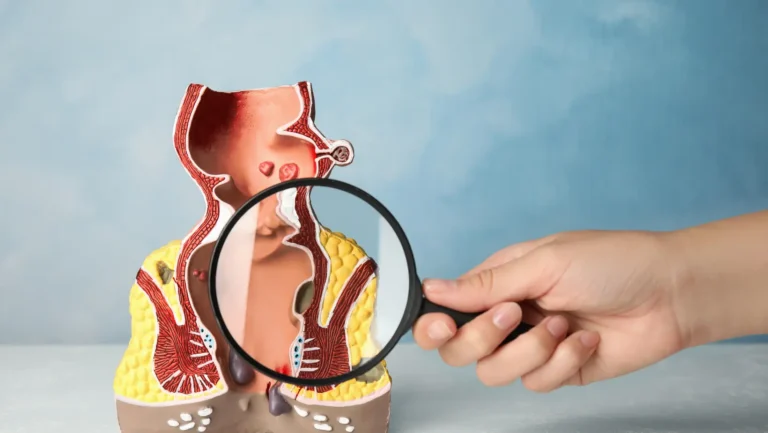

In most cases, hemorrhoids themselves do not produce an odor. Hemorrhoids are swollen veins in the lower rectum or around the anus, not infected tissue. The odor people notice usually comes from what hemorrhoids allow to happen: mucus discharge, incomplete cleaning, moisture buildup, or fecal leakage. If you notice anal odor, identifying the exact source helps you treat it correctly.
Hemorrhoids Don’t Usually Smell on Their Own
Swollen veins have no natural scent. So hemorrhoids do not smell. Healthy hemorrhoidal tissue is stretched vascular tissue. It produces no odor on its own.
The smell of hemorrhoids comes from secondary effects. When hemorrhoids swell, they change the shape of your anal canal. Cleaning becomes harder. Moisture builds up in skin folds. Bacteria grow in that moisture, and bacteria produce odor.
Hemorrhoids cause a bad odor indirectly. The hemorrhoid creates the conditions. The conditions create the smell. That distinction matters for treatment.
How Hemorrhoids May Contribute to Odor
Hemorrhoids contribute to odor through four main pathways. Each one works differently.
Mucus Discharge
Internal hemorrhoids produce mucus as part of their normal lining. When they swell or prolapse (slide out of the anal canal), they leak mucus onto surrounding skin. Mucus itself is not foul-smelling. But it creates a moist environment. Bacteria grow in that moisture, producing mild odor throughout the day.
Difficulty Cleaning the Anal Area
Swollen hemorrhoids create skin protrusions and folds around the anal opening. These make thorough cleaning harder after bowel movements. Residual fecal matter stays on the skin and becomes a steady source of odor.
Skin Irritation and Moisture Buildup
Swollen tissue traps sweat and moisture against the skin. Constant moisture weakens the skin barrier. Bacteria and yeast grow in these conditions. Both produce compounds that smell unpleasant. Itching from irritated skin often leads to rubbing, which worsens the skin breakdown and amplifies odor.
Fecal Leakage Associated With Hemorrhoids
Fecal leakage associated with hemorrhoids is the most significant cause of persistent anal odor. Large or prolapsed internal hemorrhoids prevent the anal sphincter (the ring of muscle that controls bowel opening) from closing fully. Small amounts of stool or liquid leak onto skin throughout the day. This continuous soiling is odor-producing and difficult to manage with standard hygiene alone. Hemorrhoids smell most intensely when this leakage is present.
Can Internal and External Hemorrhoids Cause Different Odor Problems?
The type and severity of hemorrhoids affect how much odor it causes.
Internal Hemorrhoids
Internal hemorrhoids sit inside the rectum. By themselves, they cause no odor. But they produce mucus, and large ones prevent full anal closure, leading to hemorrhoids and leakage symptoms: continuous low-level soiling that creates a persistent smell.
External Hemorrhoids
External hemorrhoids sit outside the anal opening. They do not produce mucus. Their odor contribution comes from the difficulty of cleaning around the extra skin tissue. Folds collect moisture and bacteria throughout the day.
Prolapsed Hemorrhoids
Prolapsed hemorrhoids combine mucus leakage, poor anal closure, and difficult cleaning all at once. They cause the most odor. Hemorrhoids smell worse when prolapsed because all three odor pathways activate simultaneously.
What Hemorrhoid Odor Actually Smells Like
The smell is not from the hemorrhoid tissue itself. Mucus-related odor is mild and slightly musty. Odor from trapped fecal residue is stronger and fecal in character. Infected hemorrhoids produce a sharp, putrid smell, often described as sour or fishy.
Hemorrhoids cause a bad odor strong enough to be noticed through clothing in advanced cases with significant leakage or active infection. Odor from mild hemorrhoids with no leakage is usually subtle and only noticeable during close inspection.
Infection and Foul Smelling Hemorrhoids
Can Hemorrhoids Become Infected?
Yes, hemorrhoids can become infected, though it is uncommon. Chronic moisture, scratching, or physical trauma breaks down the skin around the hemorrhoid. Bacteria enter through those breaks. The result is inflammation, increased swelling, pain, and pus formation. Infection and foul-smelling hemorrhoids go together.
Signs of Infection
These signs go beyond normal hemorrhoid discomfort:
- Increasing pain that does not settle with home care
- Redness and warmth spreading beyond the anal area
- Thick, discolored discharge or pus
- Fever above 100.4 degrees Fahrenheit
Foul Odor as a Warning Sign
A sharp, persistent foul smell that is new and does not go away with cleaning signals infection and foul-smelling hemorrhoids. Normal hemorrhoid odor fades after proper washing. Infected hemorrhoid odor persists or worsens between washes. This difference is important.
How Jennifer Hollis Identified the Source of Her Persistent Anal Odor
Jennifer Hollis, a 44-year-old school librarian from Charlotte, North Carolina, had lived with hemorrhoids for six years without significant odor problems. Then she developed a persistent odor that did not improve no matter how carefully she cleaned. She increased how often she showered and switched to scented wipes. The problem got worse.
A colorectal surgeon (a specialist in colon and rectal conditions) found a Grade 3 prolapsed internal hemorrhoid. It was preventing her anal sphincter from fully closing. Fecal material was leaking continuously onto the skin. The scented wipes were damaging her skin barrier and amplifying bacterial growth.
After rubber band ligation, the prolapsed hemorrhoid shrank over three weeks. The leakage stopped. So did the odor. Jennifer’s case showed that the cleaning routine itself was not the problem; the hemorrhoid was.
The name in this case history has been changed to protect privacy.
Other Conditions That Can Cause Anal Odor
Hemorrhoids do not smell in every case of anal odor. Several other conditions cause strong anal odor and are frequently confused with hemorrhoids.
Anal Abscess
An anal abscess is a pocket of pus near the anus. It produces foul, continuous odor and constant pain. Unlike hemorrhoid odor, abscess odor does not improve with cleaning. It worsens day by day until treated.
Fistulas
An anal fistula is an abnormal tunnel between the anal canal and outer skin. It drains pus or infected fluid continuously. The smell is persistent and often described as rotting. Fistulas do not heal without surgical treatment.
Fecal Incontinence
Fecal incontinence (inability to control bowel movements) causes continuous soiling and fecal odor. It is often confused with hemorrhoids and leakage symptoms, but requires separate diagnosis and management.
Skin Infections
Fungal infections (like tinea) and bacterial infections around the anus produce distinct odors: yeasty, sour, or sharp. These infections worsen with moisture and frequent washing with harsh soap.
Poor Anal Hygiene
Inadequate cleaning leaves fecal residue on the skin. Swollen hemorrhoids make thorough cleaning harder. Hemorrhoids cause a bad odor from poor hygiene alone because the anatomy changes make cleaning incomplete, even with good effort.
Hygiene Tips for Hemorrhoids
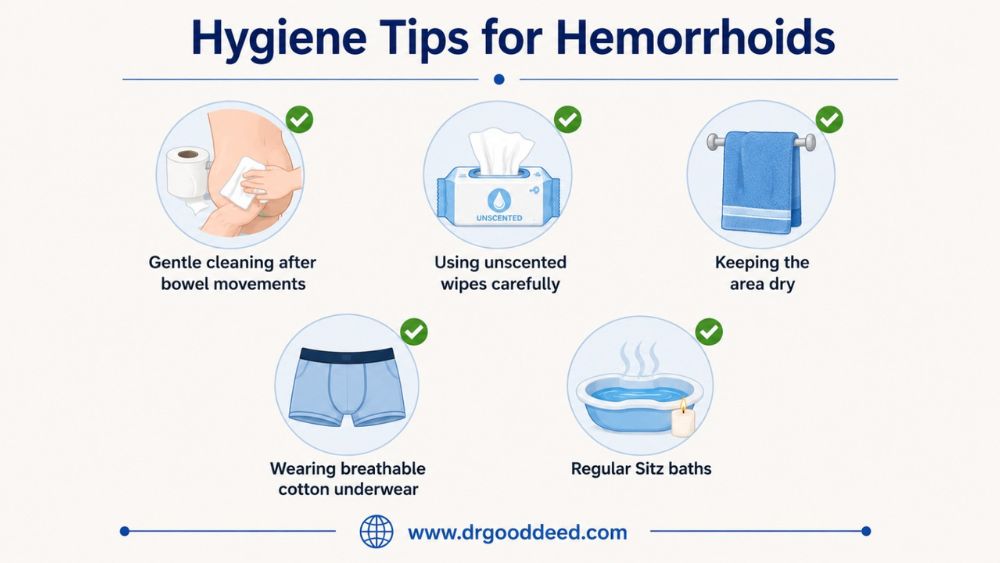
Consistent hygiene prevents bacterial buildup and controls odor. These hygiene tips for hemorrhoids are clinically supported and practical.
Gentle Cleaning After Bowel Movements
Rinse the anal area with water after every bowel movement. Dry toilet paper alone cannot remove fecal residue from the skin folds around swollen hemorrhoids. A bidet or peri bottle (a squeezable bottle with a nozzle) works well. Pat dry but never scrub.
Using Unscented Wipes Carefully
Unscented, alcohol-free wipes remove residue from skin folds that water rinsing misses. Scented wipes contain fragrances and chemicals that irritate inflamed skin. Use wipes to supplement water cleaning, not replace it.
Keeping the Area Dry
After cleaning, pat dry with a soft cloth or allow air drying. Applying a thin layer of zinc oxide cream (the white protective cream in diaper rash products) creates a dry barrier on the skin, blocking moisture and bacterial growth.
Wearing Breathable Cotton Underwear
Synthetic fabrics trap heat and moisture against the skin all day. Cotton allows airflow. This reduces bacterial odor and slows skin breakdown caused by moisture.
Regular Sitz Baths
A sitz bath (soaking in a few inches of warm water for 10 to 15 minutes) cleanses skin folds that regular wiping cannot reach. Use plain warm water. Avoid soap, Epsom salts, or oils unless specifically directed by a doctor.
How to Reduce Hemorrhoid-Related Odor
Hemorrhoids smell less with consistent management significantly.
Managing Leakage
Fecal leakage associated with hemorrhoids requires treating the hemorrhoid causing incomplete anal closure. Small unscented panty liners protect clothing and reduce prolonged skin contact with leaked material between bathroom trips.
Treating Hemorrhoid Symptoms
Shrinking the hemorrhoid reduces both leakage and mucus. Over-the-counter hydrocortisone creams reduce swelling in the short term. For persistent or large hemorrhoids, rubber band ligation or surgical hemorrhoidectomy (removal) provides a longer-lasting reduction.
Improve Cleaning Without Increasing Irritation
More washing is not always better. Overwashing strips natural skin oils and worsens skin breakdown. Wash once or twice daily, plus after each bowel movement. Use water first; use gentle, fragrance-free soap occasionally.
Preventing Skin Irritation
Zinc oxide or petrolatum (petroleum jelly) protects broken skin from fecal enzymes and moisture. Apply a thin layer after cleaning and drying. This directly reduces odor from bacterial activity on damaged skin.
Maintaining Good Anal Hygiene
Daily hygiene tips for hemorrhoids prevent odor from becoming a persistent problem. Rinse after every bowel movement, keep the area dry, apply barrier cream as needed, and wear cotton underwear.
FAQs
Can hemorrhoids cause fecal leakage?
Yes. Large or prolapsed internal hemorrhoids prevent the anal sphincter from closing fully. Fecal leakage associated with hemorrhoids is most common in Grade 3 and Grade 4 hemorrhoids, where tissue permanently protrudes outside the anal canal and blocks complete closure.
What are the signs of infection and foul-smelling hemorrhoids?
Infection and foul-smelling hemorrhoids produce: increasing pain not relieved by home care, spreading redness and warmth, thick or discolored discharge, fever above 100.4 degrees Fahrenheit, and a persistent putrid smell that does not improve after cleaning.
How can I reduce hemorrhoid-related odor?
Rinse with water after every bowel movement, apply zinc oxide barrier cream, wear cotton underwear, and treat the hemorrhoid causing leakage or mucus. Hygiene tips for hemorrhoids reduce odor only when combined with treatment of the underlying hemorrhoid.
Can mucus discharge from hemorrhoids cause odor?
Yes. Internal hemorrhoid mucus creates a moist environment on the skin. Bacteria grow in that moisture and produce odor. The mucus itself does not smell strongly, but the bacterial growth it triggers does.
Are foul-smelling hemorrhoids normal?
No. Hemorrhoids smell with a foul, putrid odor, which is not normal. Mild odor from moisture is common. A sharp, persistent foul smell indicates infection and foul-smelling hemorrhoids, an abscess, or a fistula.
What conditions can be mistaken for hemorrhoid odor?
Anal abscesses, anal fistulas, fecal incontinence, and fungal skin infections all cause anal odor. Abscess and fistula odor is sharper and more persistent than hemorrhoid odor. A doctor can distinguish these with a physical exam.
When should I see a doctor for hemorrhoid odor?
See a doctor if odor persists after two weeks of improved hygiene, if you notice pus or thick discharge, if pain is increasing, or if you develop a fever. Do not delay if hemorrhoids and leakage symptoms include blood mixed into discharge rather than bright red blood on toilet paper.
Can treating hemorrhoids stop leakage and odor?
Yes. Treating prolapsed internal hemorrhoids removes the source of leakage and mucus. After rubber band ligation or hemorrhoidectomy, most patients report full resolution of fecal leakage associated with hemorrhoids and the odor it causes.
How can I prevent future hemorrhoid hygiene problems?
Eat 25 to 35 grams of fiber daily, drink 8 glasses of water daily, avoid prolonged toilet sitting, and follow daily hygiene tips for hemorrhoids: rinse with water after bowel movements, pat dry, apply barrier cream, and wear cotton underwear. Preventing hemorrhoid recurrence prevents hygiene problems.
Sources
- American Society of Colon and Rectal Surgeons (ASCRS): Hemorrhoid Disease: fascrs.org
- National Institute of Diabetes and Digestive and Kidney Diseases (NIDDK): Hemorrhoids Overview: niddk.nih.gov
- Cleveland Clinic: Hemorrhoids, Anal Abscesses, and Fistulas: clevelandclinic.org
- American Gastroenterological Association (AGA): Hemorrhoid Management Guidelines: gastro.org
DISCLAIMER: This article is for educational purposes only. It does not replace professional medical advice, diagnosis, or treatment. Always consult a licensed healthcare provider before making any health decisions.