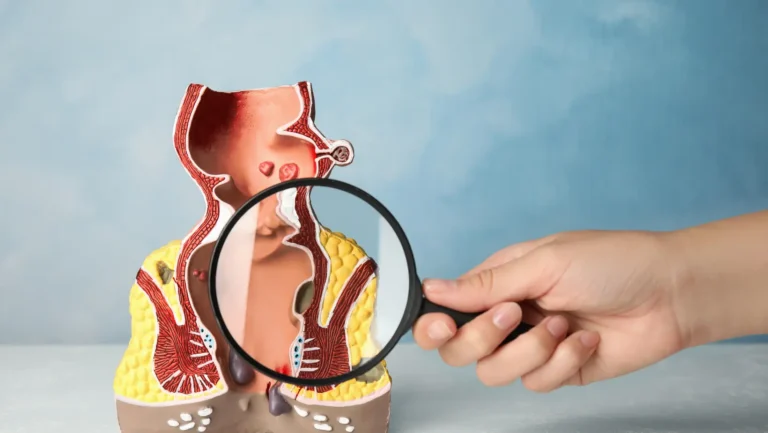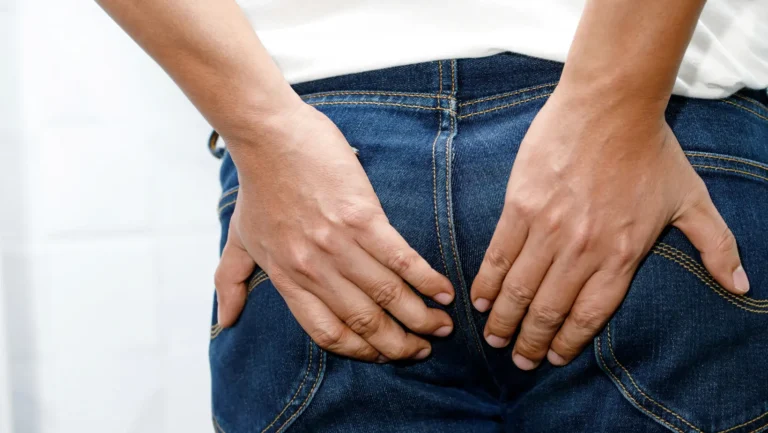

Hemorrhoids don’t directly cause back pain, but the straining and posture changes around them often do. Hemorrhoids are swollen veins in the lower rectum, and per Johns Hopkins Medicine, about half of all adults develop them by age 50. So, hemorrhoids don’t cause back pain on their own, but constipation and a guarded posture strain the lower back at the same time.
This guide covers the real mechanisms behind rectal pain and back discomfort symptoms, the warning signs of something else, and what helps.
How Hemorrhoids May Cause Back Pain
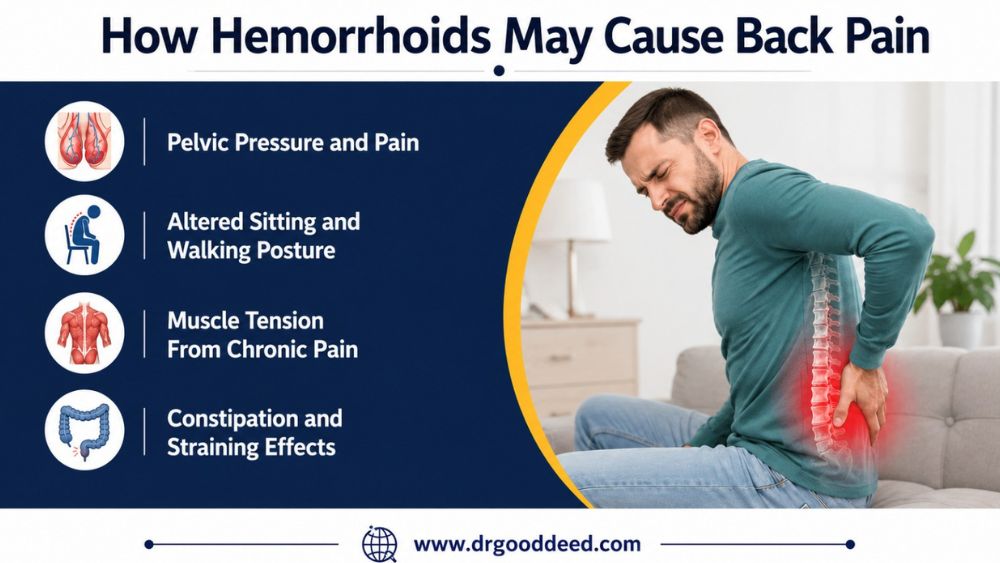
Hemorrhoids don’t sit near the spine, so the link is indirect. Straining, weight-shifting to dodge pain, and tight pelvic muscles pull on the lower back pain over time.
Pelvic Pressure and Pain
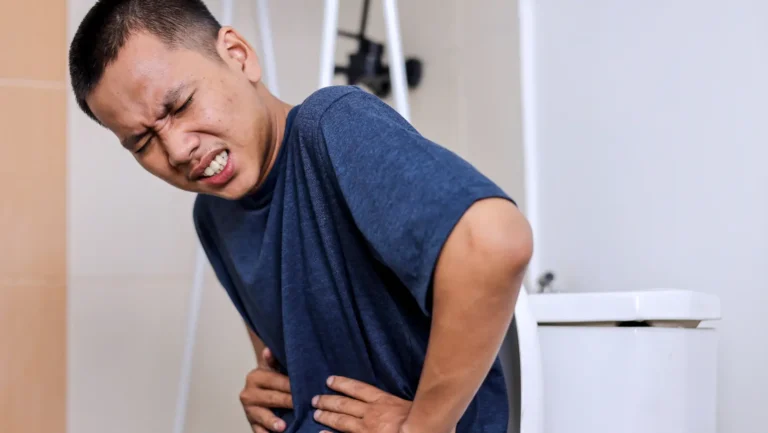
Straining during a bowel movement raises pressure across the abdomen and pelvis at once, pushing on the pelvic floor, the muscle sling that also supports the lower spine, leaving it stiff after repeated strain.
Altered Sitting and Walking Posture
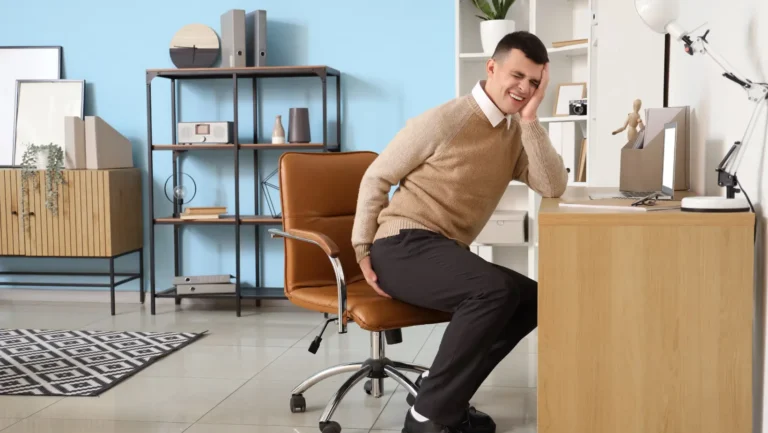
Anyone with a painful hemorrhoid avoids weight on it, leaning to one side or shortening their stride. Held for days, these small shifts load the lower back and hips unevenly, a pattern clinicians call guarding.
Muscle Tension From Chronic Pain
Pain anywhere raises nearby muscle tone as a reflex. With hemorrhoids, that tension concentrates in the glutes, hips, and lower back, and can outlast the original flare if ignored for weeks.
Constipation and Straining Effects
Chronic constipation is the biggest shared risk factor here. Hard stools force harder pushing, inflaming hemorrhoids while tiring the same core muscles.
Hemorrhoid Pain Radiating to the Back
Most rectal pain stays local, but some describe a dull ache spreading toward the tailbone. This is hemorrhoid pain radiating to the back, one version of rectal pain and back discomfort symptoms explained by shared nerves, not the hemorrhoid growing into the spine.
Can Rectal Pain Be Felt in Nearby Areas?
Yes. The rectum, anus, and lower spine share overlapping sensory nerves. A strong signal from one spot can register in the brain as coming from a slightly different one, usually the tailbone, with no tissue damage there.
Nerve Pathways and Referred Pain
Sacral nerve roots S2 through S4 carry sensation from the rectum, bladder, and lower back. Bundled together before the spinal cord, the brain can misread the source, the clearest reason hemorrhoid pain radiating to the back happens.
Severe External Hemorrhoids and Discomfort
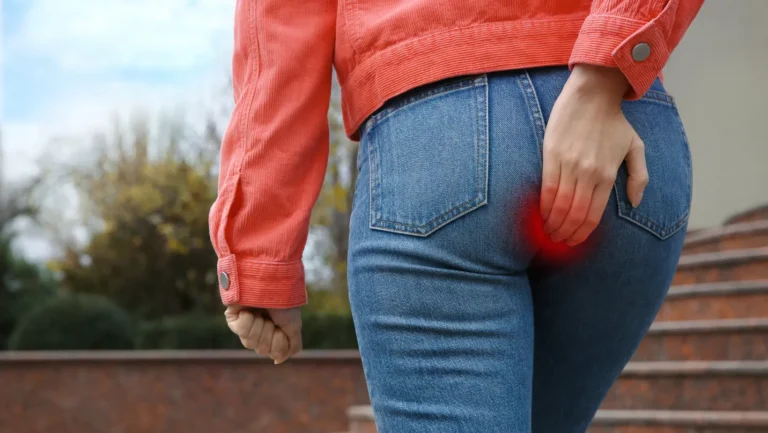
External hemorrhoids sit under skin around the anus and share its nerve supply, so they hurt more than internal ones. A large, swollen one can press on nearby tissue, another form of hemorrhoid pain radiating to the back.
Thrombosed Hemorrhoids and Pain Severity
A thrombosed hemorrhoid forms when a clot develops inside an external one, per a 2023 review in Clinical Colon and Rectal Surgery. Pain peaks within 48 to 72 hours, severe enough to make sitting or lying down difficult.
Severe Hemorrhoids and Lower Back Symptoms
Advanced cases, grade 3 or 4 internal hemorrhoids or a large thrombosed external one, push the body to compensate harder. That’s when severe hemorrhoids and lower back symptoms show up together.
Large External Hemorrhoids
A large external hemorrhoid, often over an inch across, makes sitting almost impossible without pressure on it, so people stand or lie on one side for hours, and that uneven loading irritates the lower back.
Thrombosed Hemorrhoids
Once thrombosed, the clot and swelling can double the original size within a day. Cleveland Clinic notes this causes some of the most intense anorectal pain of any hemorrhoid type, with heavier back tension to match.
Severe Inflammation and Swelling
Inflamed tissue releases signals that sensitize nearby nerves, not only at the swelling site. This is part of why severe hemorrhoids and lower back symptoms often arrive together rather than days apart.
Impact on Daily Activities
Severe pain limits how long someone can sit, drive, or stand. Avoiding those positions for a week deconditions the lower back muscles supporting them, so the ache can outlast the hemorrhoid.
Underlying Conditions Mistaken for Hemorrhoids
Rectal bleeding and anal pain get blamed on hemorrhoids by default in the United States, but several conditions look almost identical, a trap the NIDDK flags directly. Knowing the underlying conditions mistaken for hemorrhoids explains why back pain sometimes travels with something else, not hemorrhoids.
Anal Fissures
An anal fissure is a small tear in the anal canal lining, usually from a hard stool, per Cleveland Clinic. It causes sharp pain during and after a bowel movement and can bleed, but rarely causes back pain.
Perianal Abscess
A perianal abscess is a pocket of infection from a blocked gland, per Cleveland Clinic. It causes constant throbbing pain, fever, and a tender lump, and a deep one can radiate into the lower pelvis and back.
Rectal Prolapse
Rectal prolapse happens when part of the rectum slips through the anus from weakened muscles, per the NIDDK. It resembles a prolapsed hemorrhoid but won’t resolve alone, and the pelvic weakness behind it can add to back strain.
Inflammatory Bowel Disease
Crohn’s disease and ulcerative colitis can cause fissures, abscesses, and rectal inflammation that mimic hemorrhoids. IBD also links to sacroiliitis, joint inflammation at the spine and pelvis, producing real back pain through a separate mechanism.
Colon or Rectal Cancer
A tumor in the rectum or sigmoid colon can press on sacral nerves as it grows, causing lower back pain that rest doesn’t fix. It’s one of the underlying conditions mistaken for hemorrhoids that is most often missed, since bleeding gets written off as piles for months before a colonoscopy finds the real cause.
Pelvic Floor Disorders
Levator ani syndrome and chronic pelvic floor tension cause deep rectal aching that can spread to the lower back. Unlike hemorrhoids, it often comes in waves unrelated to bowel movements and improves more with physical therapy.
Warning Signs That Suggest Another Condition
Hemorrhoids rarely cause back pain alone, so before assuming that hemorrhoids can cause back pain, these five signs deserve attention, separating a normal flare from something needing imaging or a colonoscopy.
Persistent Lower Back Pain
Pain lasting beyond two to three weeks, that doesn’t ease with rest, or that wakes someone at night fits nerve compression or a structural spine problem better than hemorrhoids.
Unexplained Weight Loss
Losing weight without diet or activity changes, alongside rectal symptoms, is a recognized red flag for colorectal cancer per the American Cancer Society. Hemorrhoids never cause weight loss.
Blood Mixed Within Stool
Bright red blood on toilet paper usually points to hemorrhoids or a fissure. Blood mixed into the stool, rather than coating it, suggests bleeding higher up that needs evaluation.
Fever or Signs of Infection
Fever, chills, or a hot, swollen lump near the anus signals a possible abscess, not a hemorrhoid, and needs same-day attention since untreated abscesses spread fast.
Severe Pelvic Pain
Pelvic pain severe enough to limit walking or sitting, especially with bowel or bladder changes, points to pelvic floor dysfunction or another cause rather than a hemorrhoid.
How to Relieve Hemorrhoid-Related Discomfort
Most overlap between hemorrhoids and back pain responds to the same changes, because they target the shared cause behind why hemorrhoids can cause back pain: pressure and straining. These reflect colorectal surgery guidance, not generic home remedies.
Managing Constipation
Aim for 25 to 30 grams of fiber daily from food first, adding a supplement only if needed, alongside six to eight glasses of water so the fiber doesn’t backfire.
Improving Sitting Posture
Use a cushion that relieves direct pressure on the anus rather than one that tilts the pelvis further. Stand and walk for two to three minutes every 30 to 45 minutes while sitting long stretches.
Gentle Physical Activity
Walking 20 to 30 minutes daily improves bowel motility and reduces the muscle guarding feeding lower back tension. Skip heavy lifting and intense core work until symptoms settle.
Reducing Straining During Bowel Movements
Never force it; if nothing happens within five minutes, get up and try later. Elevating the feet on a small stool while seated straightens the anorectal angle and cuts the pushing needed.
Maintaining Healthy Bathroom Habits
Respond to the urge right away instead of delaying, since delay lets stool harden. Keep toilet time under five minutes, and skip scrolling a phone while seated there.
So, Hemorrhoids cause back pain mostly through constipation, guarded posture, and pelvic tension, not the tissue touching anything near the spine. Most rectal pain and back discomfort symptoms ease within one to two weeks with fiber and less straining. Pain that persists or arrives with bleeding, fever, or weight loss needs a doctor’s exam.
FAQ
Can severe hemorrhoids cause lower back symptoms?
Yes. Large thrombosed or grade 4 hemorrhoids can trigger severe hemorrhoids and lower back symptoms through guarding and pelvic tension, though the tissue itself never touches the spine.
Can constipation and hemorrhoids lead to back pain?
Yes. Straining from constipation raises pelvic pressure and tightens the same muscles supporting the lower spine, so both often appear within the same flare.
What does hemorrhoid-related discomfort feel like?
It feels like localized burning, itching, or sharp pain at the anus, sometimes with a dull ache toward the tailbone; the bodily sensation behind hemorrhoids can cause back pain.
Can thrombosed hemorrhoids cause severe pain?
Yes. A thrombosed hemorrhoid causes intense pain peaking within 48 to 72 hours of forming, often severe enough to limit sitting, walking, and sleep for days.
When should I worry about hemorrhoids and back pain?
Worry if back pain lasts beyond three weeks, worsens at night, or comes with fever, weight loss, or blood mixed into stool beyond what hemorrhoids can typically cause back pain typically explains this.
Can colon cancer be mistaken for hemorrhoids?
Yes. Colon cancer is one of the underlying conditions mistaken for hemorrhoids most often, especially when bleeding gets blamed on piles without a colonoscopy to confirm it.
What treatments help relieve hemorrhoid discomfort?
Fiber, six to eight glasses of water daily, sitz baths, topical hydrocortisone, and reduced straining resolve most flares within one to two weeks without surgery.
Can improving constipation reduce back pain symptoms?
Yes. Softer, regular stools cut straining and pelvic tension, easing the secondary lower back soreness tied to hemorrhoid flares within a week or two.
Should I get tested if hemorrhoid symptoms keep returning?
Yes. Recurring symptoms after age 45, or any rectal bleeding, warrant a colonoscopy to rule out polyps, IBD, or cancer instead of repeating over-the-counter treatment.
References
- Johns Hopkins Medicine – Hemorrhoids
- Mayo Clinic – Hemorrhoids: Symptoms and Causes
- Cleveland Clinic – Hemorrhoids
- Cleveland Clinic – Anal Fissures
- Cleveland Clinic – Perianal Abscess
- Cleveland Clinic – Rectal Prolapse
- NIDDK – Symptoms & Causes of Hemorrhoids
- NIDDK – Rectal Prolapse
- PMC – Management of Acute Hemorrhoidal Crisis, Clin Colon Rectal Surg, 2023
- Medical News Today – Colon Cancer and Back Pain