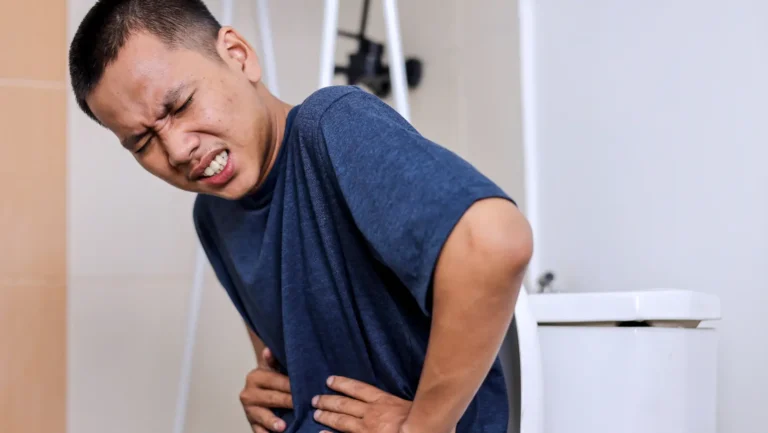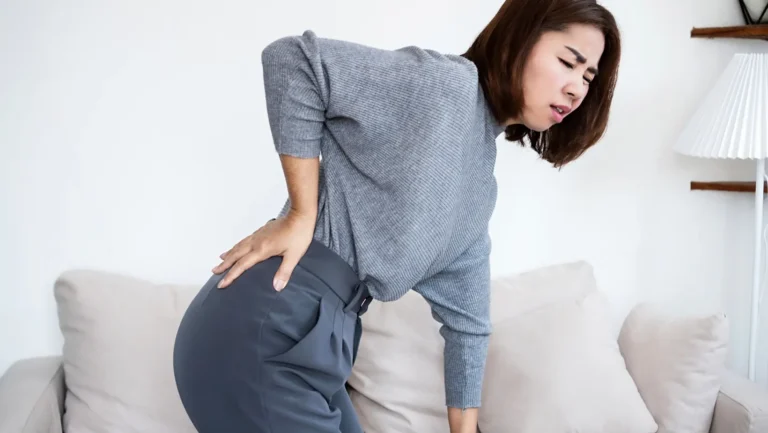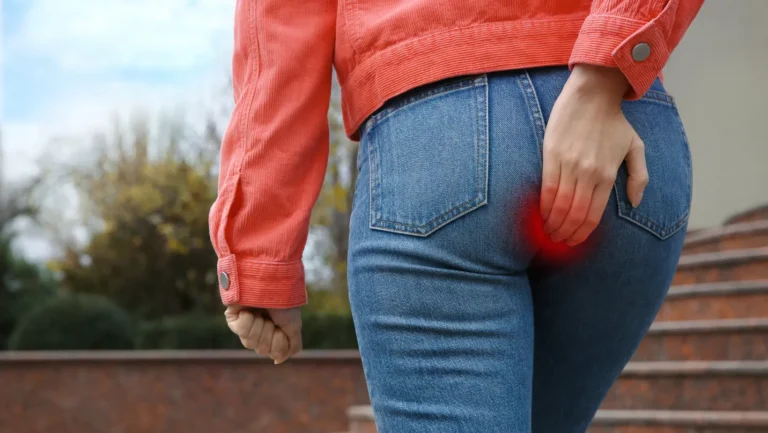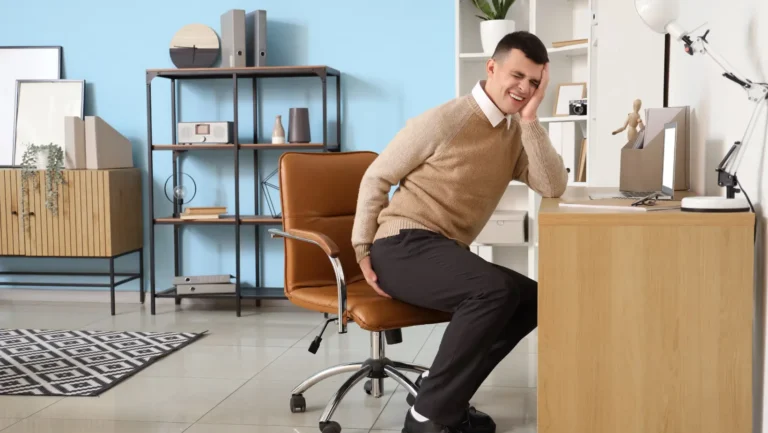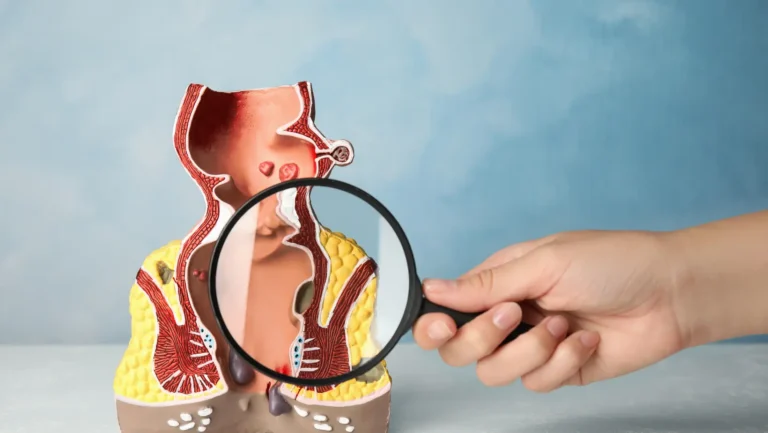

Thongs do not cause hemorrhoids. Thong underwear does not create the vein swelling that defines hemorrhoids in the first place. Hemorrhoids affect more than
half of US adults over age 50, so worries about underwear during a flare are common. Friction from snug fabric can still aggravate hemorrhoids you already have, even without causing them.
This guide covers how friction and moisture worsen existing symptoms, which underwear styles actually help, and the daily habits that drive real hemorrhoid risk in the United States.
Can Tight Underwear Worsen Hemorrhoids?
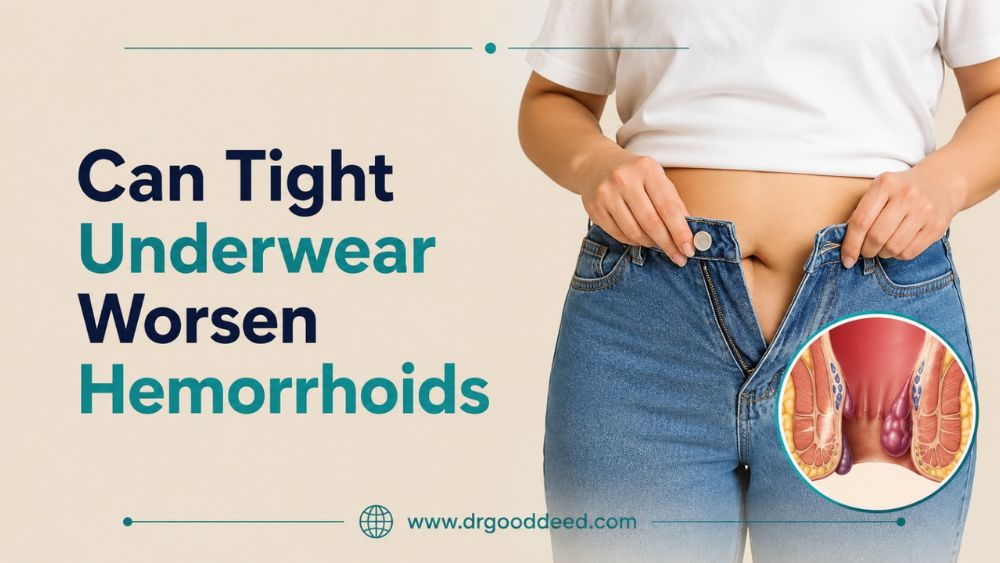
Tight underwear worsens hemorrhoids. Tight underwear presses fabric directly against swollen tissue and traps heat against the skin. This pressure does not create new hemorrhoids, but it raises pain, itching, and swelling in tissue that is already irritated, especially during a flare.
Increased Friction Around the Anal Area
Every step rubs fabric against the skin around the anus. A thong leaves no buffer layer of cloth between the body and its seams. That direct contact multiplies friction compared with full-coverage underwear, especially during walking, exercise, or long stretches of standing.
Reduced Comfort During Flare-Ups
During an active flare, even light pressure feels sharp. A thong sits directly against swollen veins with each movement. Many people switch to looser, full-coverage underwear for a few days until swelling drops, then return to their usual style once symptoms calm down.
Skin Irritation and Chafing
Repeated rubbing breaks down the thin skin layer covering external hemorrhoids. This creates small cracks that sting during bowel movements and showers. Tight underwear traps sweat against the anus, and trapped moisture softens skin further, making it tear more easily under friction.
When Tight Clothing Becomes Problematic
Tight clothing becomes a real problem once it causes visible redness, ongoing itching, or burning that lasts after you change clothes. At that point, friction has likely caused irritant contact dermatitis on top of the hemorrhoid itself, not just normal discomfort from snug fabric.
Hemorrhoid Pain Worsened by Friction
Hemorrhoid pain worsened by friction shows up as sharper stinging during movement rather than constant aching. Friction does not start hemorrhoidal disease, but it inflames tissue that bleeding, swelling, or prolapse has already weakened, turning a mild flare into a painful one within hours.
Irritation of External Hemorrhoids
External hemorrhoids sit under skin that carries far more pain nerve endings than internal hemorrhoids do. That difference explains why fabric rubbing against an external hemorrhoid causes sharp, immediate pain, while the same friction near an internal hemorrhoid often goes unnoticed.
Itching, Burning, and Sensitivity
Friction triggers histamine release in irritated skin, the same chemical reaction behind most itchy rashes. Combined with trapped sweat, this builds a cycle of itching, scratching, and more irritation. This exact pattern is associated with anal itching, a condition doctors call pruritus ani.
Activities That Increase Friction
Some daily activities raise rubbing more than others:
- Walking or running for more than 30 minutes
- Cycling, where the seat adds constant pressure
- Sitting cross-legged for long stretches
- Wearing shapewear layered over underwear
Hygiene Concerns Related to Thong Underwear
Hygiene concerns related to thong underwear center on trapped moisture and reduced airflow, not the cut of the fabric itself. A thin strip of fabric covers less skin, which sounds breathable, but synthetic materials used in many thongs trap heat and sweat against the anus more than most people expect.
How Thongs Affect Moisture and Airflow
A thong’s gusset, the small fabric panel covering the genital and anal area, often uses synthetic blends for stretch. These materials hold sweat against skin instead of absorbing it. Trapped moisture softens the skin barrier, and softer skin tears more easily under friction.
Potential Skin Irritation Issues
Moisture combined with friction creates a condition dermatologists call intertrigo, skin inflammation that develops in warm, damp folds of the body. Around hemorrhoids, intertrigo shows up as redness, a raw feeling, and sometimes a faint odor, separate from the hemorrhoids themselves.
Importance of Proper Hygiene Practices
Cleaning the area with plain water after bowel movements, instead of dry toilet paper alone, removes leftover residue that worsens irritation. Patting skin dry rather than rubbing it protects fragile tissue.
Choosing Breathable Fabrics
Natural fibers like cotton let air reach the skin and absorb sweat instead of trapping it. Bamboo viscose works in a similar way and adds mild antimicrobial properties. Synthetic blends like nylon and spandex feel stretchy but hold heat against skin for hours.
Symptoms That May Be Aggravated by Thongs
Symptoms that may be aggravated by thongs in the United States usually include itching, burning, and tenderness that spike after exercise or long workdays. None of these symptoms means a thong caused the hemorrhoid. They mean tissue that already exists is reacting to added pressure and trapped moisture.
- Sharper pain during ovulation week, when period or liner products stack another tight layer on top of a thong
- Thrombosed hemorrhoids, painful clots inside swollen tissue, can form faster after long days that combine tight fabric with standing or walking
- Skin tags, small harmless flaps of skin, sometimes develop where fabric repeatedly rubs the same fold over months
- Nighttime itching that worsens specifically when thongs are worn to bed, since airflow drops further under blankets
Why Switching Underwear Alone Didn’t Stop Melissa Carpenter’s Flare-Ups
Melissa Carpenter, a 34-year-old marketing coordinator from Austin, Texas, saw her doctor after three months of anal itching and a tender lump that flared every afternoon. She had already swapped her daily thongs for cotton briefs two weeks earlier, expecting fast relief, but the burning continued.
An exam confirmed a grade II external hemorrhoid. Her doctor found the real driver: an 8-hour desk job with almost no standing breaks, paired with a diet averaging just 11 grams of fiber a day, far short of the 28 grams NIDDK recommends for a 2,000-calorie diet.
Once Melissa added a fiber supplement, set a 50-minute stand-up timer, and kept her breathable underwear, her flare settled within 18 days. Her case shows that for people whose symptoms come mainly from sitting and low fiber. Underwear changes add comfort, but they rarely fix the root cause alone.
Name and identifying details have been altered to protect patient privacy.
Best Underwear for Hemorrhoids
Best underwear for hemorrhoids means full coverage, breathable fabric, and a fit that does not press directly on swollen tissue. Briefs or boxer briefs outperform thongs and tight bikini cuts during a flare because they spread fabric pressure across a wider area instead of concentrating it in one strip.
| Fabric | Helps Because | Watch Out For |
| 100% cotton | Absorbs sweat, breathes well | Stays damp longer after heavy sweating |
| Bamboo viscose | Soft, mild antimicrobial effect | Costs more than cotton |
| Moisture-wicking synthetic blends | Pulls sweat away during exercise | Less breathable for all-day wear |
| Lace or mesh | Looks good, little else | Traps friction, skip during a flare |
- Choose seamless, tagless waistbands when possible
- Size up if elastic leaves a visible mark on the skin
- Save moisture-wicking synthetic blends for workouts, and cotton for daily wear
- Skip shapewear and compression leggings during an active flare
Preventing Future Hemorrhoid Flare-Ups
Straining during bowel movements raises pressure in rectal veins more than almost anything else. A 2026 American Gastroenterological Association update tied smartphone use on the toilet to longer sitting time and a higher hemorrhoid risk. Limiting toilet time to a few minutes lowers that pressure.
Eating a High-Fiber Diet
NIDDK recommends 14 grams of fiber per 1,000 calories, which works out to 28 grams daily on a 2,000-calorie diet. Oats, pears, lentils, and raspberries add fiber without much effort. Softer stool means less straining, which directly lowers pressure on hemorrhoidal veins.
Limiting Prolonged Sitting
Prolonged sitting and hemorrhoid risk connect through reduced blood flow in pelvic veins. A case-control study published in the Sudan Journal of Medical Sciences found people who sat 5 or more hours daily had nearly four times higher odds of hemorrhoids or anal fissures.
Wearing Comfortable Clothing
Loose, breathable clothing during a flare reduces the friction described throughout this guide. This does not mean giving up thongs forever. It means choosing fuller coverage on days when symptoms flare, then returning to whatever underwear feels comfortable once swelling settles.
Maintaining a Healthy Weight
Extra abdominal weight raises pressure on pelvic and rectal veins around the clock, not only during bowel movements. Research from Jazan, Saudi Arabia found low physical activity and high saturated fat intake both raised hemorrhoid symptom frequency among the adults studied.
FAQs
Why does thong underwear irritate hemorrhoids?
Thong fabric presses directly against swollen anal tissue with no cushioning layer, so already irritated veins rub raw with every step, sit, or stretch through the day.
Can friction make hemorrhoid pain worse?
Yes. Repeated rubbing breaks down the thin skin covering external hemorrhoids, causing micro-tears and sharper pain within hours of walking, exercising, or sitting in tight fabric.
Are external hemorrhoids more sensitive to clothing?
Yes. External hemorrhoids sit under skin packed with pain nerve endings, while internal hemorrhoids have almost none, which is why fabric rubbing causes sharp pain mainly with external ones.
Should I avoid wearing thongs during a hemorrhoid flare-up?
Yes, temporarily. Cotton briefs reduce direct contact and trapped moisture during a flare. Most doctors suggest switching back once swelling and pain settle, usually within one to two weeks.
Can cotton underwear help reduce hemorrhoid irritation?
Yes. Cotton absorbs sweat instead of trapping it against swollen tissue, lowering the moisture-related itching that worsens flares, according to Cleveland Clinic guidance on perianal skin care.
Does prolonged sitting increase hemorrhoid risk?
Yes. A Sudanese case-control study found people sitting 5 or more hours daily had nearly four times higher odds of hemorrhoids or anal fissures than those sitting less.
What clothing should I avoid if I have hemorrhoids?
Avoid thongs, skinny jeans, and compression leggings during a flare. These combine tight pressure with poor airflow, the exact mix that worsens swollen anal tissue fastest.
Can tight pants worsen hemorrhoid symptoms?
Yes. Tight pants add pressure on top of underwear, compounding friction. Pairing them with a thong roughly doubles irritation compared with either item worn alone.
How can I reduce friction around hemorrhoids?
Switch to seamless cotton briefs and apply plain petroleum jelly before dressing. Skip tight pants and shapewear on flare days until swelling and pain settle.
When should I seek medical care for hemorrhoid discomfort?
See a doctor if bleeding lasts more than a week, pain becomes severe, you notice a hard lump, or symptoms persist after two weeks of home care.
Sources
- NIDDK – Eating, Diet, and Nutrition for Hemorrhoids
- NIDDK – Treatment of Hemorrhoids
- American Society of Colon and Rectal Surgeons – Clinical Practice Guidelines for the Management of Hemorrhoids, 2024
- American Gastroenterological Association – Clinical Practice Update on Diagnosis and Treatment of Hemorrhoids, 2026
- PLOS ONE – Smartphone Use on the Toilet and the Risk of Hemorrhoids, 2025
- Sudan Journal of Medical Sciences – Is Prolonged Sitting a Risk Factor in Developing Hemorrhoids and Anal Fissures?
- Cleveland Clinic – Anal Itching (Pruritus Ani)
- WebMD – Textile Dermatitis: What to Do If Your Clothes Make You Itchy