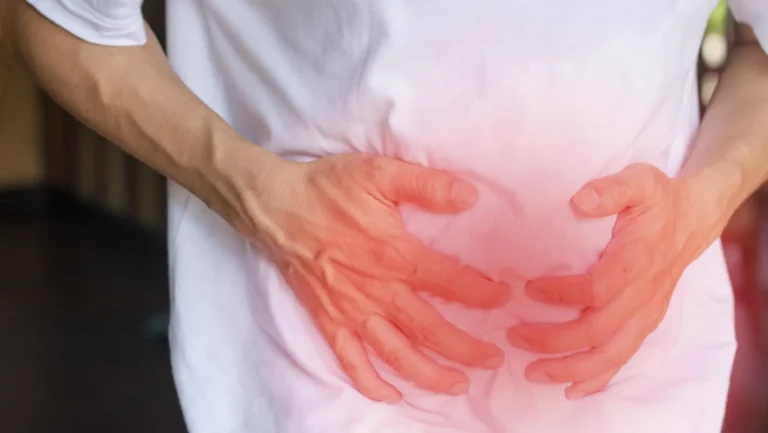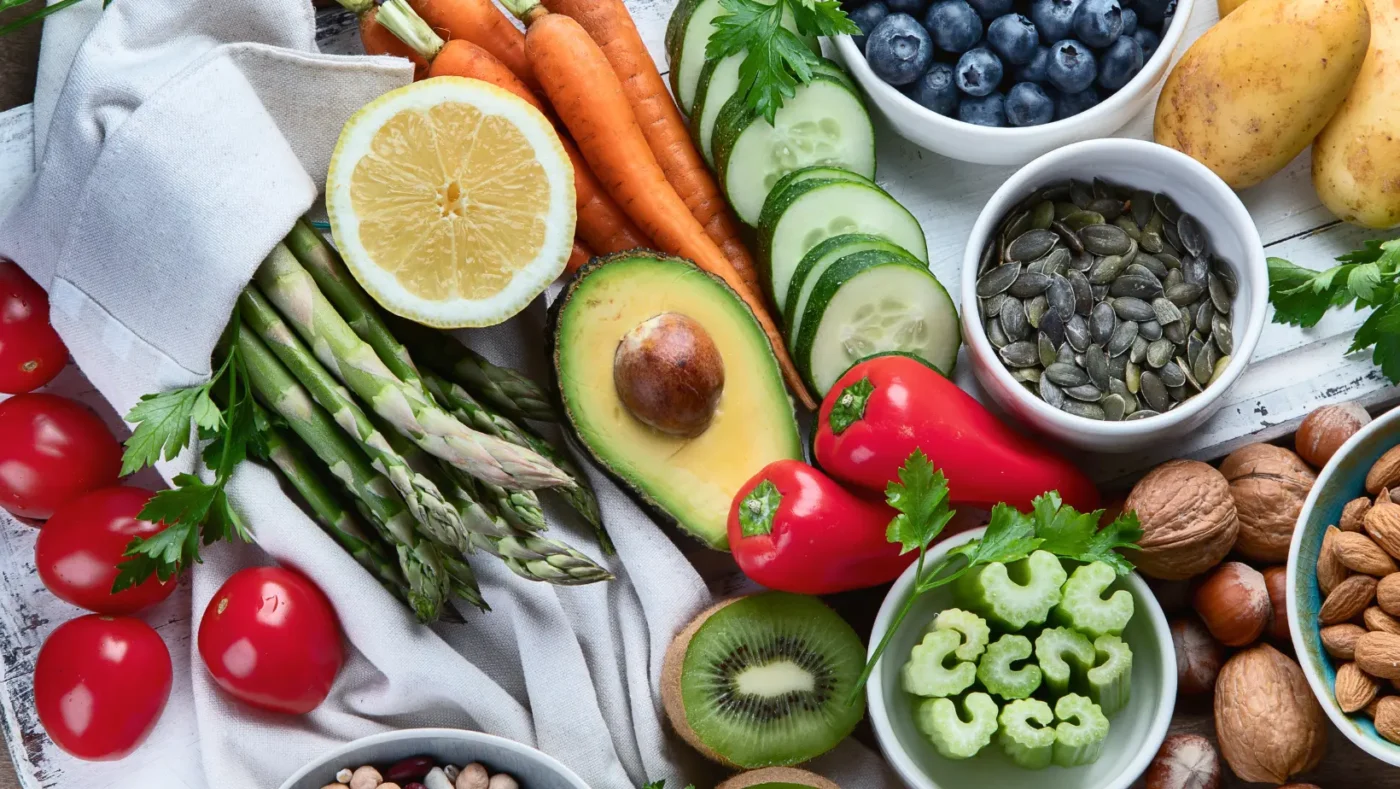

The best foods for constipation are prunes, lentils, chia seeds, kiwi fruit, artichokes, and whole grains. In the USA, constipation affects 16% of adults and up to 33% of those over 60, according to the National Institute of Diabetes and Digestive and Kidney Diseases (NIDDK).
Most cases come down to a low-fiber diet, causing constipation and not enough water. This guide covers the best foods for constipation relief, which fruits help with constipation work fastest, what makes symptoms worse, and when food alone is not enough.
Best Foods for Constipation Relief
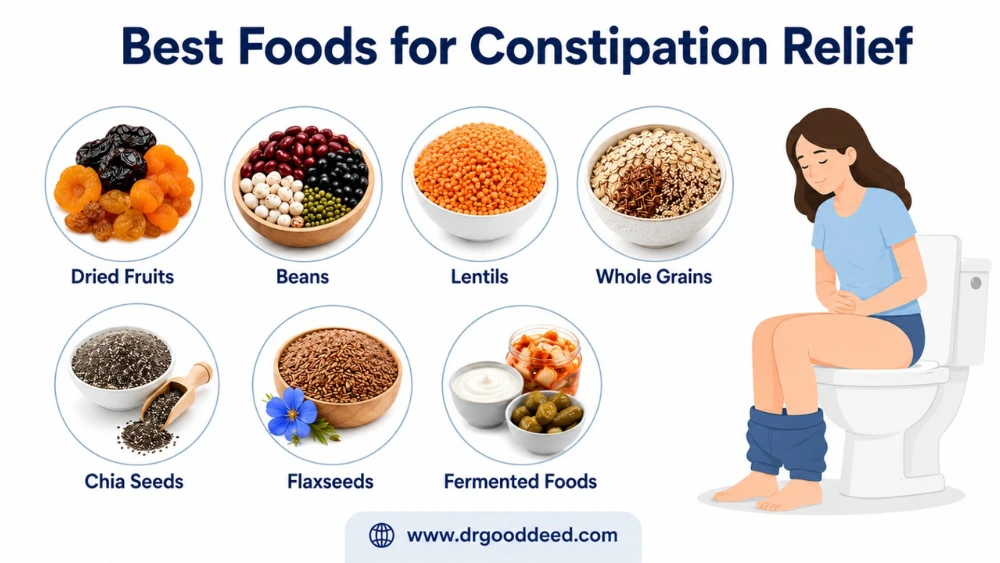
The best foods for constipation relief work by adding bulk to stool, drawing water into the colon, or feeding gut bacteria that regulate bowel movement frequency. The 2020-2025 Dietary Guidelines for Americans recommends 25-38 grams of fiber daily. Most Americans eat only 10-15 grams.
Dried Fruits
Prunes are the top choice. Each prune contains sorbitol, a sugar alcohol that pulls water into the colon, plus 2 grams of fiber. A 2011 study in Alimentary Pharmacology & Therapeutics by Attaluri, Donahoe, Valestin, Brown, and Rao at the University of Iowa showed 50 grams of prunes daily outperformed psyllium husk for stool frequency and consistency. Dried figs and apricots each offer 3-4 grams of fiber per serving.
Beans and Lentils
Half a cup of cooked lentils delivers 8 grams of fiber. Black beans give 7.5 grams per half cup. One lentil serving fills a third of the daily fiber gap most Americans carry.
Whole Grains
Oatmeal, bulgur wheat, and barley contain beta-glucan, a soluble fiber that softens stool. Cooked oatmeal gives 4 grams per cup. Barley gives 6 grams per cooked cup.
Chia Seeds and Flaxseeds
Two tablespoons of chia seeds absorb up to 10 times their weight in water, forming a stool-softening gel in the colon. Ground flaxseeds add 3.8 grams of fiber per two tablespoons. Always use ground flax; whole seeds pass through undigested.
Fermented Foods
Yogurt with live cultures, kefir, sauerkraut, and kimchi introduce Lactobacillus and Bifidobacterium into the gut. A 2014 systematic review in the American Journal of Clinical Nutrition by Dimidi, Christodoulides, Fragkos, Scott, and Whelan at King’s College London found probiotics reduced gut transit time by 12 hours on average.
High Fiber Foods for Constipation
High-fiber foods for constipation are split into two types: soluble fiber (forms a gel, softens stool) and insoluble fiber (adds bulk, speeds transit). Most fiber-rich foods contain both. Choosing the right high-fiber foods for constipation daily is more effective than any supplement.
Legumes and Pulses
| Food | Fiber per half cup (cooked) |
| Split peas | 8.1 g |
| Lentils | 7.8 g |
| Black beans | 7.5 g |
| Chickpeas | 6.2 g |
| Kidney beans | 5.7 g |
Bran and Fiber Supplements
Wheat bran gives 6 grams of insoluble fiber per 2 tablespoons. Psyllium husk gives 5 grams of soluble fiber per tablespoon. Both must be taken with a full glass of water. Without water, they compact in the colon and worsen constipation.
Seeds Rich in Fiber
- Chia seeds: 10 g per 2 tablespoons
- Flaxseeds (ground): 3.8 g per 2 tablespoons
- Pumpkin seeds: 1.7 g per ounce
Daily Fiber Intake Recommendations
Adults under 50: 25 g (women), 38 g (men). Adults over 50: 21 g (women), 30 g (men). Source: Institute of Medicine Dietary Reference Intakes. Most Americans fall short by 10-15 grams daily.
Fruits That Help With Constipation
Fruits that help with constipation work through fiber, water content, and natural compounds like sorbitol and pectin. Each one softens or speeds stool differently.
Prunes
Each prune delivers 1 g of fiber and 1.4 g of sorbitol. At 100 g daily, the University of Iowa study showed a 3.5-bowel-movement-per-week gain over the psyllium group. No other fruit has this level of clinical evidence.
Pears
One medium pear (178 g) gives 5.5 grams of fiber, mostly pectin, which feeds Bifidobacterium and softens stool within 24 hours. Eat the skin; most fiber sits just beneath it.
Apples
One medium apple gives 4.4 grams of fiber. A 2018 randomized trial in Nutrients by Sanchez, Marin, and Ruiz at the University of Granada confirmed apple pectin increases stool moisture in adults with mild constipation.
Kiwi Fruit
Two green kiwis daily produced a significant improvement in bowel frequency in a 2007 clinical trial in the Asia Pacific Journal of Clinical Nutrition by Chan, Leung, Tse, and Chan at the Chinese University of Hong Kong. Kiwi contains actinidin, a digestive enzyme that shortens gut transit time. No other commonly eaten fruit contains actinidin.
Berries and Citrus
Raspberries give 8 grams of fiber per cup. Blackberries give 7.6 grams. One large orange gives 4.4 grams of fiber and 87% water content. Naringenin in oranges stimulates colon muscle contractions, according to a 2012 study in the Journal of Natural Medicine. Always eat citrus whole; juicing removes the fiber.
Best Vegetables for Regular Bowel Movements
The best vegetables for regular bowel movements include leafy greens, cruciferous vegetables, and root vegetables. Each contributes a different fiber type or gut-stimulating compound.
Artichokes
One cooked medium artichoke gives 10.3 grams of fiber, the highest per-serving count of any common vegetable. It also contains inulin, a prebiotic that feeds Bifidobacterium longum, a strain linked to reduced constipation frequency.
Broccoli and Brussels Sprouts
One cup of cooked broccoli gives 5.1 grams of fiber plus sulforaphane, which reduces gut inflammation. Brussels sprouts give 4 grams per cup plus 242 mg of potassium, which regulates fluid balance in colon cells.
Spinach, Carrots, and Sweet Potatoes
One cup of cooked spinach gives 4.3 grams of fiber. One cup of raw carrots gives 3.6 grams of insoluble fiber. One medium sweet potato with skin delivers 3.8 grams of fiber; the skin alone contributes 1.5 grams.
Fiber Content of Common Vegetables
| Vegetable | Fiber per 1 cup cooked |
| Artichoke | 10.3 g |
| Green peas | 8.8 g |
| Broccoli | 5.1 g |
| Spinach | 4.3 g |
| Brussels sprouts | 4.0 g |
| Sweet potato | 3.8 g |
| Carrots (raw) | 3.6 g |
These best vegetables for regular bowel movements and are most effective when eaten daily rather than occasionally.
Low Fiber Diet Causing Constipation
A low-fiber diet causing constipation is the most preventable cause of irregular bowel movements in the USA. Fiber intake below 10 grams per day slows gut transit time by 30-40% within days.
How Low Fiber Slows Digestion
Fiber bulks stool, stretching the colon wall. That stretch triggers peristalsis, the muscle contractions pushing stool forward. Without fiber, those signals weaken, stool sits longer, loses water, and hardens.
Common Low-Fiber Foods
White rice, white bread, refined pasta, fast food, chips, and cookies each contain under 1 gram of fiber per serving.
Processed Foods and Bowel Health
Ultra-processed foods often contain emulsifiers like polysorbate-80 and carboxymethylcellulose. A 2015 study in Nature by Chassaing, Koren, Goodrich, Soo, and Gewirtz at Georgia State University found these emulsifiers disrupt the gut’s mucus layer in animal models, promoting bowel irregularity.
Signs You May Need More Fiber
- Fewer than 3 bowel movements per week
- Hard or lumpy stool (Type 1-2 on the Bristol Stool Scale)
- Straining during more than 25% of toilet visits
- Sensation of incomplete emptying
Foods That May Worsen Constipation
People focused on what foods are best for constipation sometimes overlook which foods actively block progress. These are the top offenders.
Processed Snacks and Refined Grains
Chips, crackers, white bread, and white pasta displace fiber-rich foods without contributing to stool bulk. Each refined-grain swap for a whole-grain alternative adds 3-5 grams of fiber per meal.
Excess Dairy
Cheese and ice cream contain near-zero fiber and high fat, slowing stomach emptying. Multiple pediatric studies link over 3 dairy servings daily to constipation in children.
Fast Foods
A typical fast food meal delivers under 3 grams of fiber and high sodium. High sodium pulls water away from the colon, drying out stool.
How to Add More Fiber to Your Diet Safely
Once you know what foods are best for constipation, the next step is adding them without causing digestive discomfort. Prioritizing high-fiber foods for constipation like lentils, chia seeds, and artichokes, works best when introduced gradually.
Increase Gradually and Hydrate
Add 5 grams of fiber per week until you reach your target. Moving too fast causes gas and cramping. For every 5 grams added, drink an extra 8 ounces of water. The Mayo Clinic recommends 8-10 cups of total daily fluid for adults managing constipation.
Planning Fiber-Rich Meals
- Breakfast: oatmeal with raspberries (9-11 g fiber)
- Lunch: lentil soup with whole wheat bread (13-15 g fiber)
- Dinner: chicken with broccoli and sweet potato (8-10 g fiber)
- Snack: pear with almonds (7-8 g fiber)
That structure reaches 37-44 grams daily. Start psyllium husk only with a full 8-oz glass of water. Rinse canned beans to cut the fermentable sugars that cause gas.
When Diet Alone May Not Be Enough
What foods are best for constipation covers most cases. But chronic constipation, lasting more than 3 months, affects roughly 35 million adults in the USA.
- Medications: Opioids, iron supplements, calcium antacids, and some antidepressants slow colon motility regardless of fiber. A medication review with a doctor is the right first step.
- Pelvic floor dysfunction: Biofeedback therapy from a gastroenterologist or physical therapist corrects the muscle coordination issue fiber cannot fix.
- Hypothyroidism: Persistent constipation that resists diet changes warrants a thyroid blood panel.
- Structural causes: Colonic strictures, rectal prolapse, and Hirschsprung’s disease require medical or surgical treatment.
- See a doctor if: Constipation is new, lasts over 3 weeks, or comes with blood in stool, unexplained weight loss, or severe abdominal pain.
Prevention Strategies for Long-Term Digestive Health
Sustained bowel regularity depends on consistent daily habits. Understanding what foods are best for constipation is the starting point. These habits complete the strategy:
- Reach 25-38 grams of fiber daily from whole foods
- Drink 8-10 cups of water daily
- Walk 20-30 minutes daily; movement triggers colon contractions independent of diet
- Eat at consistent times; the gastrocolic reflex triggers bowel movement 30-60 minutes after eating
- Never delay the urge to go; repeated delays let the colon reabsorb water from stool
- Limit alcohol, which dehydrates the colon
- Review medications annually for constipation side effects
Knowing what foods are best for constipation gives a reliable daily framework. For constipation lasting more than 3 weeks, a registered dietitian or gastroenterologist in the USA ensures the plan targets the actual underlying cause.
FAQs
1. What foods are best for constipation relief?
Prunes (50-100 g daily), cooked lentils, chia seeds, and kiwi fruit work fastest. Prunes are the only food with University of Iowa clinical trial data showing a 3.5 bowel movement per week gain over psyllium husk under controlled conditions.
2. What are the best high fiber foods for constipation?
Cooked artichokes (10.3 g/cup), split peas (8.1 g/half cup), raspberries (8 g/cup), and lentils (7.8 g/half cup) deliver the most fiber per common serving. If you are asking what foods are best for constipation, specifically for fiber density, artichokes and split peas win every time.
3. Which fruits help with constipation naturally?
Prunes are first due to sorbitol. Kiwi is second: two daily improved bowel frequency in a Chinese University of Hong Kong trial. Pears rank third for pectin volume. Raspberries rank fourth for insoluble fiber per cup.
4. What vegetables are best for regular bowel movements?
Artichokes (10.3 g/medium), green peas (8.8 g/cup), and broccoli (5.1 g/cup). Artichokes eaten two to three times weekly deliver more fiber per meal than nearly any other single vegetable.
5. Can a low fiber diet cause constipation?
Yes. Below 10 grams of fiber daily, colon transit slows 30-40% within days. Fewer stretch signals reach the colon wall, weakening the peristaltic contractions that push stool forward.
6. How much fiber should I eat each day to prevent constipation?
25 g (women under 50), 38 g (men under 50). Over 50: 21 g (women), 30 g (men). These are Institute of Medicine targets. Most Americans eat only 10-15 grams daily.
7. Are prunes better than other fruits for constipation?
Yes. Sorbitol gives prunes a mechanism no other common fruit has. The Attaluri et al. trial showed prunes outperformed psyllium husk at 50-100 g per day over 8 weeks for both stool frequency and consistency.
8. Which foods soften stool naturally?
Chia seeds (absorb 10x their weight in water), pears (pectin draws water into stool), prunes (sorbitol osmotic effect), and kiwi (actinidin speeds transit) each work through a distinct mechanism.
9. What foods should I avoid when constipated?
Cheese, white bread, chips, fried fast food, and ice cream. All have near-zero fiber with high fat or sodium, both of which slow gut movement and reduce colon water content.
10. Can drinking water improve constipation?
Yes, but not alone. Fiber without water hardens in the colon. Water without fiber rarely resolves constipation. Combining 25+ grams of daily fiber with 8-10 cups of water is what consistently works.
Sources
- National Institute of Diabetes and Digestive and Kidney Diseases: Constipation
- Attaluri A, Donahoe R, Valestin J, Brown K, Rao SSC. Randomised clinical trial: dried plums vs. psyllium for constipation. Alimentary Pharmacology & Therapeutics. 2011.
- Dimidi E, Christodoulides S, Fragkos KC, Scott SM, Whelan K. The effect of probiotics on functional constipation in adults. American Journal of Clinical Nutrition. 2014.
- Chan AOO, Leung G, Tse, Chan AKW. Increasing dietary fiber intake in terms of kiwifruit improves constipation. Asia Pacific Journal of Clinical Nutrition. 2007.
- Chassaing B, Koren O, Goodrich JK, Soo PC, Gewirtz AT. Dietary emulsifiers impact the mouse gut microbiota. Nature. 2015.