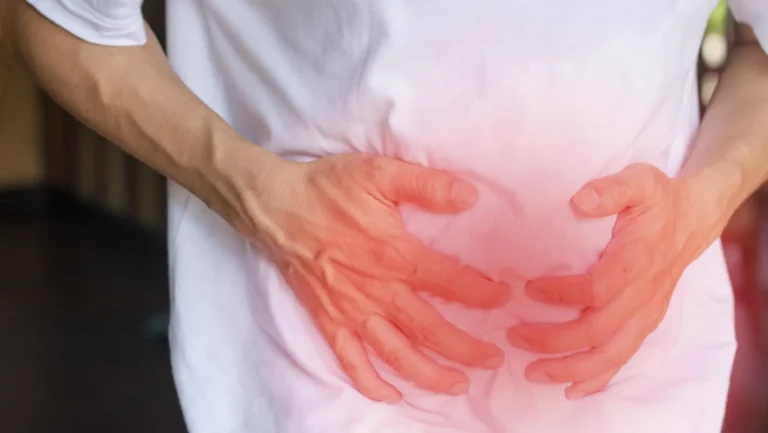
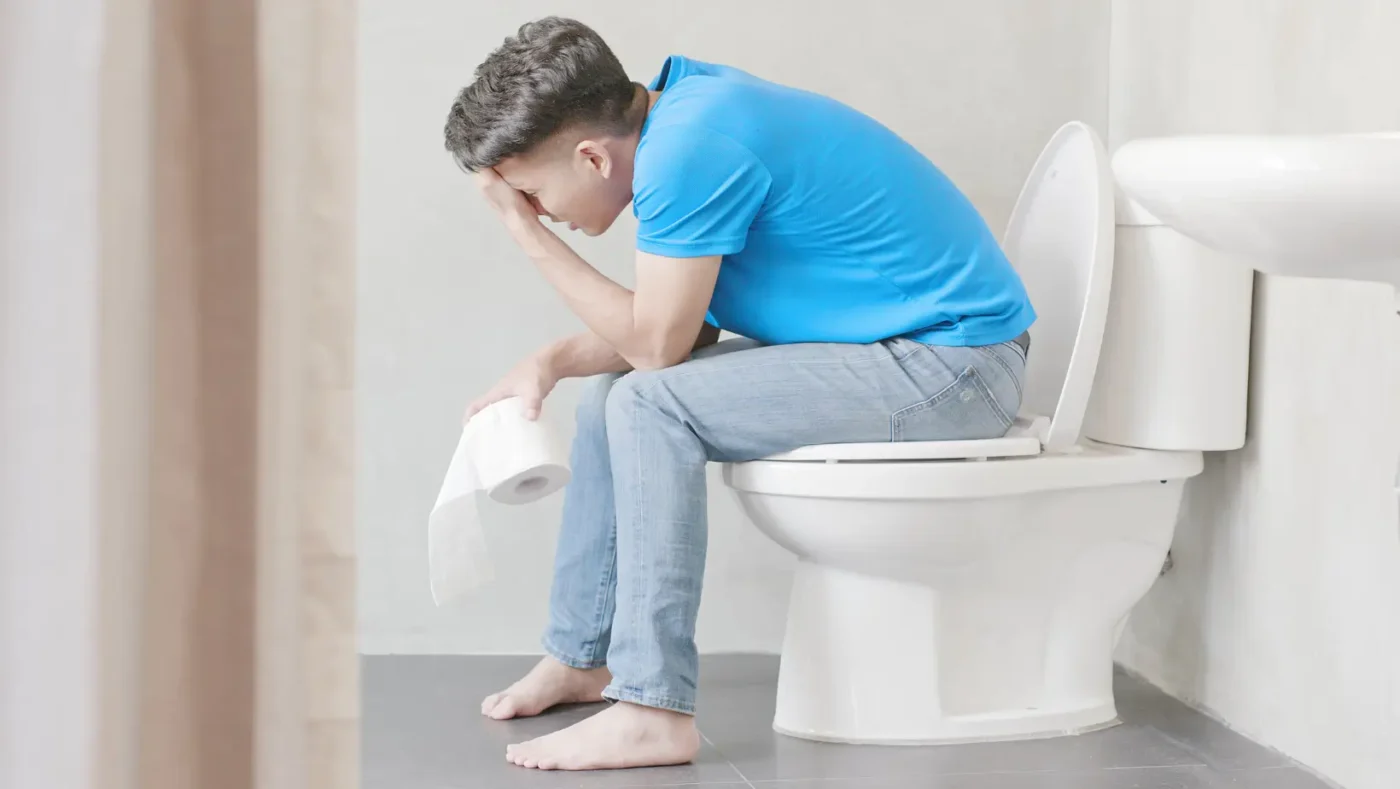

Yes, dehydration can cause constipation. When the body loses more fluid than it takes in, the colon compensates by pulling water out of stool to rehydrate the bloodstream. The result is hard, dry stool that moves slowly through the intestine. According to the National Institute of Diabetes and Digestive and Kidney Diseases (NIDDK), dehydration is one of the most common and correctable causes of constipation in US adults.
Most people know they should drink more water.
What they don’t know is exactly what happens inside the colon when they don’t, which medications accelerate dehydration-driven constipation, and how quickly rehydration actually reverses it. This article covers all of that with specific clinical data.
Causes of Constipation From Dehydration
The causes of constipation from dehydration center on one core mechanism: the colon prioritizes the body’s fluid balance over smooth stool transit. So dehydration can cause constipation even with a fiber-rich diet. Fiber without water worsens constipation. The three primary causes of constipation from dehydration are low intake, excessive fluid loss, and medications that compound both.
When fluid intake drops or fluid losses spike, the large intestine extracts more water from waste matter than normal. This directly hardens stool and slows its movement toward the rectum.
Reduced Water in the Colon
The colon absorbs 1.3 to 1.8 liters of water from stool per day under normal conditions. When total body water drops by even 1-2% of body weight, the colon increases absorption to compensate.
A 2019 study in the European Journal of Nutrition confirmed that mild hypohydration (1.36% body mass loss) significantly increased stool hardness and reduced bowel movement frequency within 72 hours.
Increased Fluid Reabsorption by the Body
The hypothalamus detects low blood osmolality and signals the kidneys and colon to conserve water. Anti-diuretic hormone (ADH) rises. The colon responds by pulling more fluid from its contents. This is not a voluntary process. The body does it automatically, and stool dryness is the consequence.
Insufficient Daily Fluid Intake
The National Academies of Sciences recommends 3.7 liters (125 oz) of total daily fluid for adult men and 2.7 liters (91 oz) for adult women, including fluids from food. Most American adults consume significantly less.
A 2018 CDC report found that 43% of US adults drink fewer than 4 cups of water per day, which falls well below the threshold needed to maintain adequate stool hydration.
Excessive Fluid Loss
Fluid loss through sources other than urination accelerates dehydration-related constipation faster than low intake alone.
Sweating
Exercise or heat exposure causes sweat losses of 0.5 to 2.0 liters per hour. Athletes and outdoor workers in states like Arizona, Texas, and Florida face particularly high sweat losses. Without replacing this fluid, the colon quickly shifts to conservation mode.
Vomiting
A single episode of significant vomiting removes 200 to 800 ml of fluid. Repeated vomiting, as in gastroenteritis, creates rapid dehydration. After vomiting resolves, constipation frequently follows for 2 to 5 days while the gut rehydrates and motility recovers.
Diarrhea
Diarrhea removes up to 10 liters of fluid per day in severe cases. After acute diarrhea resolves, a period of constipation is common because the intestinal contents are severely depleted of moisture and colonic motility is disrupted.
Certain Medications and Dehydration
Several common medications both cause dehydration and worsen constipation independently. The combination hits the colon from two directions:
- Diuretics (furosemide, hydrochlorothiazide): increase urinary fluid loss by 1-2 liters daily
- Antihistamines (diphenhydramine): reduce intestinal secretions and slow gut motility
- Anticholinergics (oxybutynin, benztropine): block nerve signals that coordinate colon contractions
- Iron supplements: directly harden stool and reduce colonic motility
- Opioid pain medications: suppress gut motility through mu-opioid receptors in the intestinal wall
Constipation and Dry Stool Symptoms
The constipation and dry stool symptoms that follow dehydration are clinically distinct from other constipation types. Patients who wonder, “Can dehydration cause constipation that feels different from regular constipation?” Yes, it does.
Dehydration-related constipation produces hard, lumpy stools (Type 1 or Type 2 on the Bristol Stool Form Scale) rather than the soft, difficult-to-pass stools seen in motility disorders. Knowing the difference helps identify the right fix.
Hard and Dry Stools
Stools with less than 70% water content become hard and difficult to pass. Normal stool is approximately 75% water. Dehydration drops this to 60-65%, changing stool consistency from firm-but-passable to hard pellets or a dense, dry log.
Infrequent Bowel Movements
Clinically, constipation is defined as fewer than 3 bowel movements per week. Dehydration-related constipation typically produces 1 bowel movement every 4 to 7 days. Transit time through the colon, which normally takes 24 to 72 hours, can extend to 5 or more days.
Straining During Bowel Movements
Hard stool requires significant straining to pass. Straining creates increased intrarectal pressure, which raises the risk of hemorrhoids and anal fissures. A 2020 review in Diseases of the Colon & Rectum identified chronic dehydration as a contributing factor in 38% of hemorrhoid cases examined.
Abdominal Discomfort and Bloating
Slow stool transit allows intestinal bacteria more time to ferment gut contents. This produces excess hydrogen and methane gas. Patients report cramping and visible abdominal distension, particularly in the lower left quadrant where the sigmoid colon sits.
Feeling of Incomplete Emptying
Hard stool does not conform to the rectal shape as easily as softer stool. This leaves residual stool in the rectum after a bowel movement, producing a persistent sensation of needing to go without being able to.
Signs of Dehydration
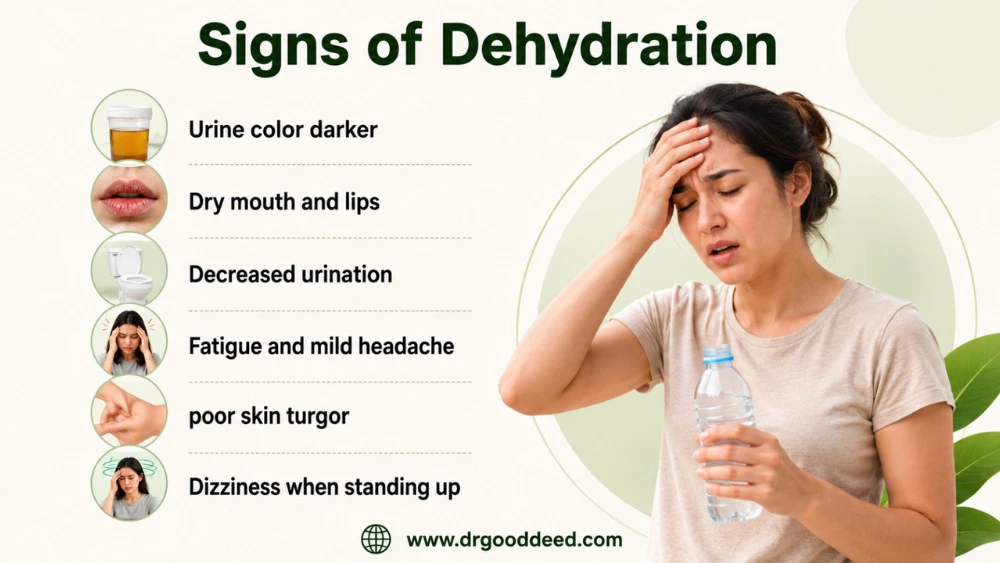
Dehydration in US adults is often present before thirst appears. Thirst is a late dehydration signal; by the time thirst kicks in, the body has already lost 1-2% of its water.
Many patients ask, “Can dehydration cause constipation before I even feel thirsty?” Yes, it can, and the colon’s water-conservation response is already active at this point. Recognize dehydration early through these signs:
- Urine color darker than pale yellow (amber or dark yellow indicates significant dehydration)
- Dry mouth and lips
- Decreased urination (fewer than 4 times per day)
- Fatigue and mild headache without other cause
- Skin that stays tented after a pinch (poor skin turgor)
- Dizziness when standing up (orthostatic hypotension from low blood volume)
- Constipation alongside any of the above confirms dehydration as the likely cause
Rehydration Tips for Constipation Relief
Rehydration tips for constipation relief are most effective when they address both immediate fluid replacement and the longer-term habits that let dehydration take hold. Dehydration can cause constipation to persist long-term; chronic low-grade dehydration keeps colonic transit slow indefinitely.
Drinking one large glass of water after the fact does not quickly reverse constipation. The colon needs 24 to 48 hours of consistent rehydration to soften stool adequately. Structured hydration habits beat reactive drinking every time.
Increasing Daily Water Intake
Start with 8 cups (64 oz) of water daily as a minimum baseline. For adults over 150 lbs or those who exercise regularly, 10-12 cups is more appropriate. A 2020 clinical trial in Alimentary Pharmacology & Therapeutics found that increasing daily water intake from 8 to 16 cups in constipated adults reduced stool hardness scores by 31% within 4 days.
Drinking Fluids Consistently Throughout the Day
Spacing water intake throughout the day outperforms drinking large amounts in one sitting. 200-250ml (roughly one cup) every 1-2 hours maintains steady colonic fluid availability. Large boluses consumed infrequently are mostly absorbed by the small intestine before reaching the colon.
Oral Rehydration Solutions When Appropriate
Plain water does not replace electrolytes lost through sweat or illness. The WHO oral rehydration solution (ORS) contains sodium (2.6g/L), potassium (1.5g/L), and glucose (13.5g/L).
ORS restores fluid balance faster than water alone after illness-related dehydration. Sports drinks contain electrolytes but also contain 20-40g of sugar per serving, making them a less optimal daily choice.
Monitoring Hydration Status
Urine color is the most practical real-time hydration marker. Pale straw-yellow urine indicates adequate hydration. Dark yellow to amber indicates dehydration that is already affecting colonic function.
Combining Fluids With Dietary Fiber
Water and fiber work together. Soluble fiber (from oats, psyllium, and legumes) absorbs water and forms a gel in the colon. This gel softens stool. Without adequate water, soluble fiber can actually worsen constipation by absorbing what little fluid is available. The ratio that works: add 8 oz of water for every 5g of additional dietary fiber consumed.
Foods With High Water Content for Bowel Health
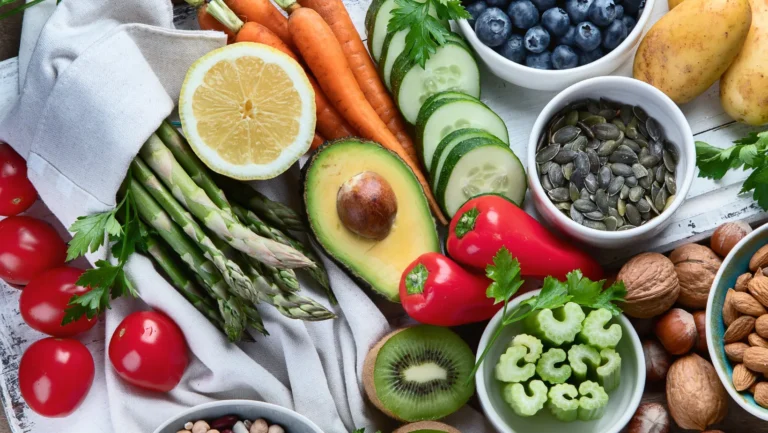
Foods with high water content for bowel health provide fluid along with fiber, which makes them more effective than drinking water alone for managing constipation. The colon benefits from both water delivery and the fiber structure that holds that water in the stool.
Watermelon
92% water by weight. A 2-cup serving provides approximately 170ml of fluid. Watermelon also contains citrulline, which supports circulation, and a small amount of fiber. It is easy to digest and safe even for patients with sensitive guts.
Cucumbers
96% water by weight, the highest of any solid food. A 1-cup serving delivers about 150ml of fluid. Cucumbers also contain cucurbitacin, which has mild laxative properties confirmed in traditional medicine literature, though the clinical evidence remains limited.
Oranges and Citrus Fruits
Oranges are 87% water and provide 3g of fiber per medium fruit. Vitamin C in oranges acidifies intestinal contents slightly, which stimulates peristalsis. A 2021 study in Nutrients found that daily orange consumption improved stool frequency by 28% in mildly constipated adults over 4 weeks.
Strawberries
91% water by weight, with 2g of fiber per cup. Strawberries also contain ellagitannins, which modulate gut bacteria composition in ways that support regular bowel movements.
Lettuce and Leafy Greens
Romaine lettuce is 95% water. Spinach is 91% water and provides 2.4mg of magnesium per cup. Magnesium draws water into the colon osmotically, softening stool. This is the same mechanism used by magnesium citrate laxatives, just at a lower dose.
Soups and Broths
Broth-based soups deliver fluid along with sodium. Sodium supports water retention in the gut. A bowl of vegetable soup provides 200-400ml of fluid with added fiber from vegetables. Warm liquids also stimulate the gastrocolic reflex, which triggers colon contractions within 30 minutes of consumption.
How Water-Rich Foods Support Digestion
Water-rich foods reach the colon with their water still partially intact, unlike beverages that absorb rapidly in the stomach and small intestine. This makes them more effective at delivering moisture directly to stool-forming regions of the large intestine.
How to Prevent Dehydration-Related Constipation
Understanding that dehydration can cause constipation through daily low intake, not just during illness, is the first step to prevention.
Establishing Healthy Hydration Habits
- Drink one cup of water immediately upon waking (the body loses 200-400ml overnight through breathing)
- Set a phone reminder every 2 hours
- Keep a 32 oz water bottle at your desk and finish it by early afternoon
- Drink one cup of water before each meal
Eating a Fiber-Rich Diet
The American Gastroenterological Association recommends 25g of fiber daily for women and 38g for men. Fiber without adequate water worsens constipation. Increase fiber and water simultaneously.
Staying Physically Active
Walking 30 minutes daily increases colonic transit speed by an estimated 30%, per a 2017 study in the Scandinavian Journal of Gastroenterology. Exercise also increases thirst, which naturally encourages higher fluid intake.
Limiting Excessive Alcohol Intake
Alcohol is a diuretic. One standard drink increases urine output by 100ml above the fluid consumed. Three drinks create a net fluid deficit of roughly 300ml. Regular heavy alcohol use is a direct reason that dehydration can cause constipation in people who otherwise eat well and stay active. Most patients do not connect their alcohol intake to their bowel problems.
Adjusting Fluid Intake During Exercise
Add 16 oz of water for every 30 minutes of moderate exercise. In hot or humid conditions (common across the southern USA in summer), increase this to 20-24 oz per 30 minutes. Replace sodium lost in sweat by adding a small pinch of salt to water or eating a salty snack post-exercise.
When Dehydration Is Not the Only Cause
Dehydration frequently coexists with other constipation causes. So dehydration can cause constipation alone without any other factor, but it resolves within 48-72 hours of rehydration. If constipation persists beyond that, other factors are likely involved:
- Irritable bowel syndrome (IBS-C): affects colon motility independent of hydration
- Hypothyroidism: slows whole-body metabolism, including gut transit
- Pelvic floor dysfunction: creates outlet obstruction that hydration cannot fix
- Celiac disease: damages intestinal villi, reducing gut function broadly
- Electrolyte imbalance and digestive health: low potassium (hypokalemia) and low magnesium both impair colon muscle contractions.
Electrolyte imbalance and digestive health are closely linked because sodium, potassium, and magnesium regulate the nerve signals that drive peristalsis. A serum potassium below 3.5 mEq/L measurably slows intestinal transit. Structural issues like colon strictures or rectal prolapse
When to See a Doctor
Most dehydration-related constipation resolves within 48 to 72 hours of consistent rehydration. See a physician if:
- Constipation lasts more than 3 weeks despite adequate fluid intake
- Blood appears in or on the stool
- Unintentional weight loss accompanies constipation
- Constipation alternates with episodes of diarrhea
- Severe abdominal pain accompanies the inability to pass stool or gas
- Constipation begins suddenly in an adult over 50 with no prior history
These symptoms suggest a cause beyond dehydration and require colonoscopy, blood work, or imaging to diagnose.
FAQs
1. Can dehydration cause constipation?
Yes. When body water drops by 1-2% of body weight, the colon extracts extra water from stool within 24-48 hours. The European Journal of Nutrition (2019) confirmed measurably harder stools and reduced bowel frequency after just 72 hours of mild dehydration.
2. How does dehydration affect bowel movements?
Dehydration triggers the colon to reabsorb water from stool to protect blood volume. Normal stool is 75% water. Dehydration drops this to 60-65%, changing stool from soft-firm to hard pellets or a dense, dry log that takes longer to pass.
3. What are the main causes of constipation from dehydration?
The main causes of constipation from dehydration are insufficient daily fluid intake (under 8 cups), excessive fluid loss through sweating or illness, and medications like diuretics, antihistamines, and opioids that compound dehydration’s effect on gut motility.
4. What are the symptoms of constipation and dry stools?
Constipation and dry stool symptoms include fewer than 3 bowel movements per week, Type 1 or 2 stools on the Bristol Scale, straining that lasts more than 10 minutes, lower abdominal cramping, and a persistent sensation of incomplete emptying after passing stool.
5. How much water should I drink to prevent constipation?
The National Academies recommend 3.7 liters (125 oz) daily for men and 2.7 liters (91 oz) for women, including food moisture. As a minimum daily target, 8-10 cups of plain water prevents dehydration-related stool hardening in most sedentary adults.
6. What are the best rehydration tips for constipation relief?
The most effective rehydration tips for constipation relief: drink 200-250ml every 1-2 hours (not large boluses), add psyllium husk with each extra glass, use WHO oral rehydration solution after illness, and monitor urine color to stay in the pale-yellow range.
7. Which foods with high water content support bowel health?
The best foods with high water content for bowel health are cucumber (96% water), lettuce (95%), watermelon (92%), strawberries (91%), and broth-based soups. Oranges additionally stimulate peristalsis through mild intestinal acidification from vitamin C.
8. Can electrolyte imbalance affect digestive health?
Yes. Electrolyte imbalance and digestive health are directly linked. Serum potassium below 3.5 mEq/L slows colon contractions. Low magnesium reduces the osmotic gradient that draws water into the colon. Both conditions worsen constipation even when fluid intake is adequate.
9. How quickly does constipation improve after rehydration?
Stool softening begins within 24 hours of consistent rehydration. A full return to normal bowel frequency takes 48-72 hours for most adults. Patients with chronic dehydration (weeks-long) take up to 5-7 days for motility to normalize completely.
10. Can dehydration cause severe constipation?
Yes. Severe dehydration, defined as greater than 5% body water loss, can produce complete cessation of bowel movements for 7-10 days. Fecal impaction, where stool hardens into an unmovable mass in the rectum, is the most serious complication and requires medical disimpaction.
Sources
- National Institute of Diabetes and Digestive and Kidney Diseases (NIDDK), Constipation: https://www.niddk.nih.gov/health-information/digestive-diseases/constipation
- National Academies of Sciences, Dietary Reference Intakes for Water: https://www.nationalacademies.org/our-work/dietary-reference-intakes-for-electrolytes-and-water
- Centers for Disease Control and Prevention (CDC), Water Intake in US Adults (2018): https://www.cdc.gov/nutrition/data-statistics/plain-water-the-healthier-choice.html
- Alimentary Pharmacology & Therapeutics (2020), Water Intake and Stool Consistency: https://doi.org/10.1111/apt.15742
- Diseases of the Colon & Rectum (2020), Dehydration and Hemorrhoid Risk: https://doi.org/10.1097/DCR.0000000000001530
- Nutrients (2021), Orange Consumption and Stool Frequency: https://doi.org/10.3390/nu13093162
- World Health Organization (WHO), Oral Rehydration Salts: https://www.who.int/publications/i/item/WHO-FCH-CAH-06.1